
Rogers Hornsby, widely regarded as one of the greatest hitters in Major League Baseball history, left an indelible mark on the game during his illustrious career. Playing from 1915 to 1937, Hornsby’s offensive dominance, particularly as a middle infielder, set a new standard for excellence at the plate. Known for his unparalleled batting prowess and intense dedication to the game, Hornsby’s career achievements and influence remain enduring benchmarks in baseball history.
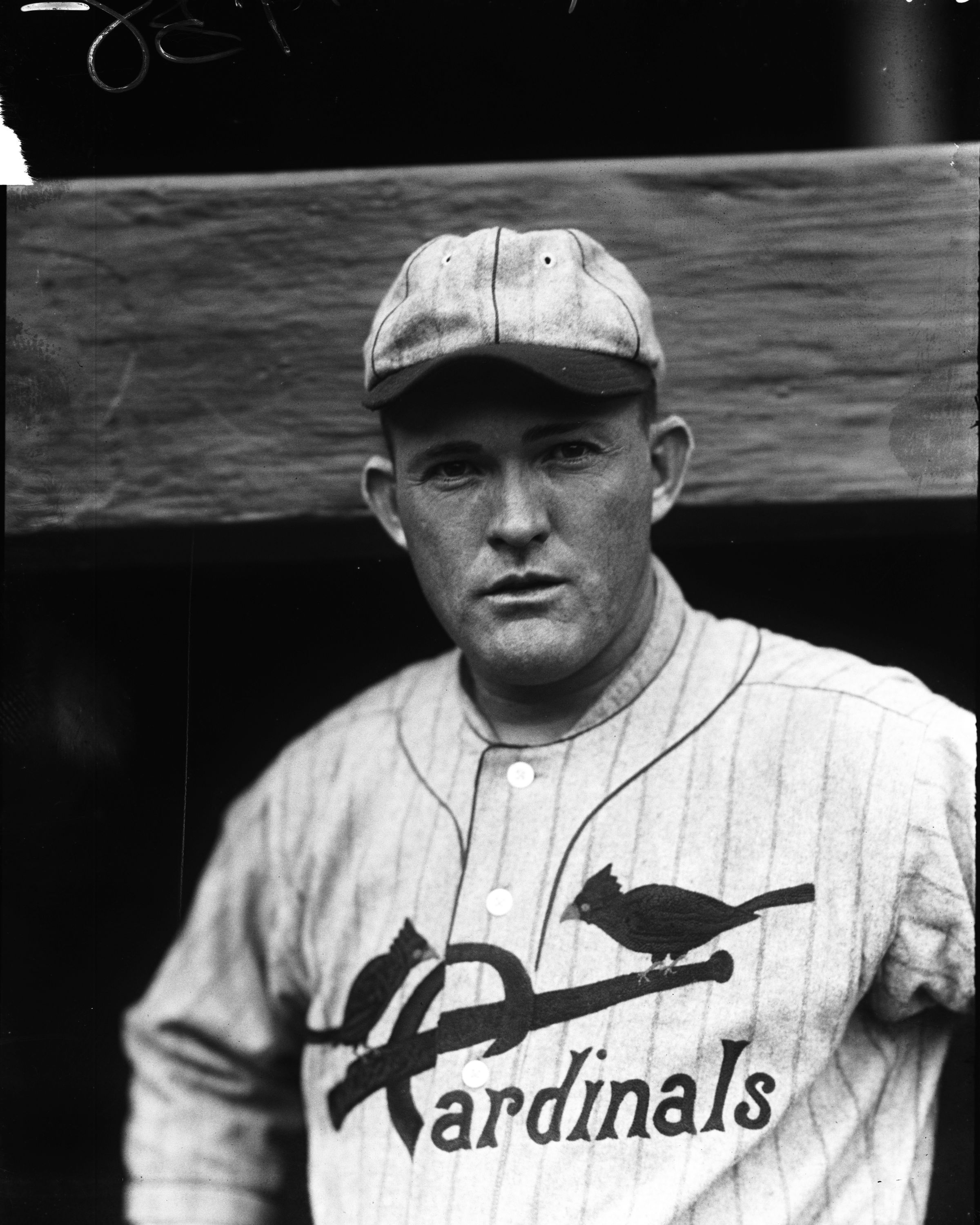
Hornsby’s statistical achievements are nothing short of extraordinary. Over a 23-season career, he compiled a .358 batting average, the highest in National League history and second only to Ty Cobb’s .366 in MLB history. His career included 2,930 hits, 301 home runs, and 1,584 runs batted in. Hornsby was a two-time Triple Crown winner, leading the league in batting average, home runs, and RBIs in both 1922 and 1925, showcasing his ability to excel in all facets of hitting.
One of Hornsby’s most remarkable accomplishments was his incredible stretch from 1921 to 1925, during which he posted a .402 batting average across five seasons—a feat unmatched in baseball history. In 1924, he achieved his career-best .424 batting average, which remains the highest single-season mark in the modern era. Hornsby won seven batting titles during his career and led the league in on-base percentage, slugging percentage, and total bases multiple times. His lifetime OPS of 1.010 ranks among the best in MLB history, underscoring his dominance as both a contact and power hitter.
Hornsby’s dedication to hitting was legendary. He famously avoided distractions such as alcohol and nightlife, believing they could detract from his performance. His intense focus on perfecting his craft was evident in his approach at the plate, where he combined a sharp batting eye with a compact, powerful swing that allowed him to drive the ball consistently to all fields. Hornsby’s ability to hit for both average and power was revolutionary for his era, particularly for a second baseman, a position traditionally known more for defense than offense.
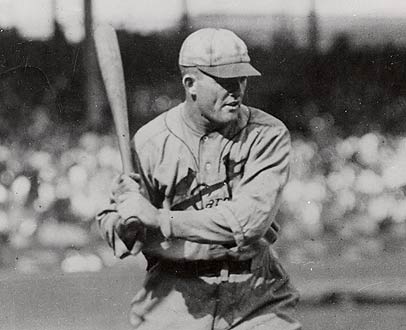
In addition to his prowess as a player, Hornsby made significant contributions as a manager. He served as a player-manager for much of his career, most notably leading the St. Louis Cardinals to their first World Series championship in 1926. As a leader on and off the field, Hornsby’s strategic mind and high expectations for his teammates helped elevate the teams he played for.
Hornsby’s impact on the game of baseball extends beyond his statistics. His offensive dominance helped redefine the expectations for middle infielders, proving that players at traditionally defense-first positions could also be offensive powerhouses. His approach to hitting influenced future generations of players, and his achievements remain a benchmark for greatness. Hornsby’s success also underscored the growing importance of analytics in evaluating players, as his high batting average, slugging percentage, and OPS illustrated the value of combining power with precision.
Despite his remarkable career, Hornsby’s fiery personality and demanding nature often created friction with teammates, management, and the press. His insistence on perfection and unyielding standards earned him both admiration and criticism. However, these traits also contributed to his success, as they reflected his deep commitment to the game and his drive to excel.
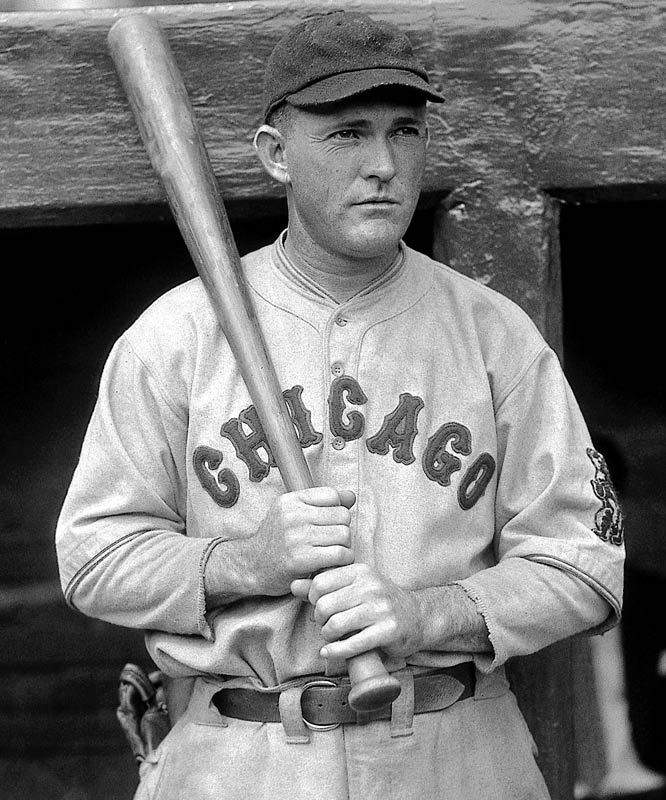
In 1942, Rogers Hornsby was inducted into the Baseball Hall of Fame, a fitting recognition for one of the sport’s all-time greats. His legacy as a hitter is immortalized in baseball lore, and his name remains synonymous with offensive excellence. Hornsby’s .358 career batting average, .424 single-season mark, and two Triple Crowns are achievements that continue to stand as towering accomplishments in the history of the sport.
Rogers Hornsby’s MLB career is a testament to unparalleled talent, relentless dedication, and lasting influence. As one of the greatest hitters in baseball history, his statistical achievements and revolutionary approach to the game have left a profound impact. Despite his polarizing personality, Hornsby’s contributions to the sport ensure that his legacy will endure for generations to come.
Discover more from The Baseball Scholar
Subscribe to get the latest posts sent to your email.
1 Comment