
Joe Gordon was one of the greatest second basemen in Major League Baseball history, known for his power, defensive brilliance, and leadership on the field. Playing the majority of his career with the New York Yankees and later the Cleveland Indians, Gordon helped redefine the second base position, blending offensive production with elite defensive play. His career, which spanned from 1938 to 1950, included an MVP award, multiple All-Star selections, five World Series championships, and a lasting impact on the game. His induction into the Baseball Hall of Fame in 2009 was a long-overdue recognition of his contributions to the sport.
Joseph Lowell Gordon was born on February 18, 1915, in Los Angeles, California. Growing up on the West Coast at a time when baseball was still dominated by teams in the Eastern and Midwestern United States, Gordon developed into an exceptional athlete at a young age. He attended Jefferson High School in Portland, Oregon, where he played baseball, football, and basketball. His natural athleticism made him stand out, but it was baseball where he truly excelled. He continued his education and athletic development at the University of Oregon, where he played for the Ducks’ baseball team. As a collegiate player, Gordon gained a reputation as a slick-fielding, power-hitting infielder, attributes that would later define his professional career. His combination of quick reflexes, strong throwing arm, and exceptional range made him one of the best defensive players in the country.
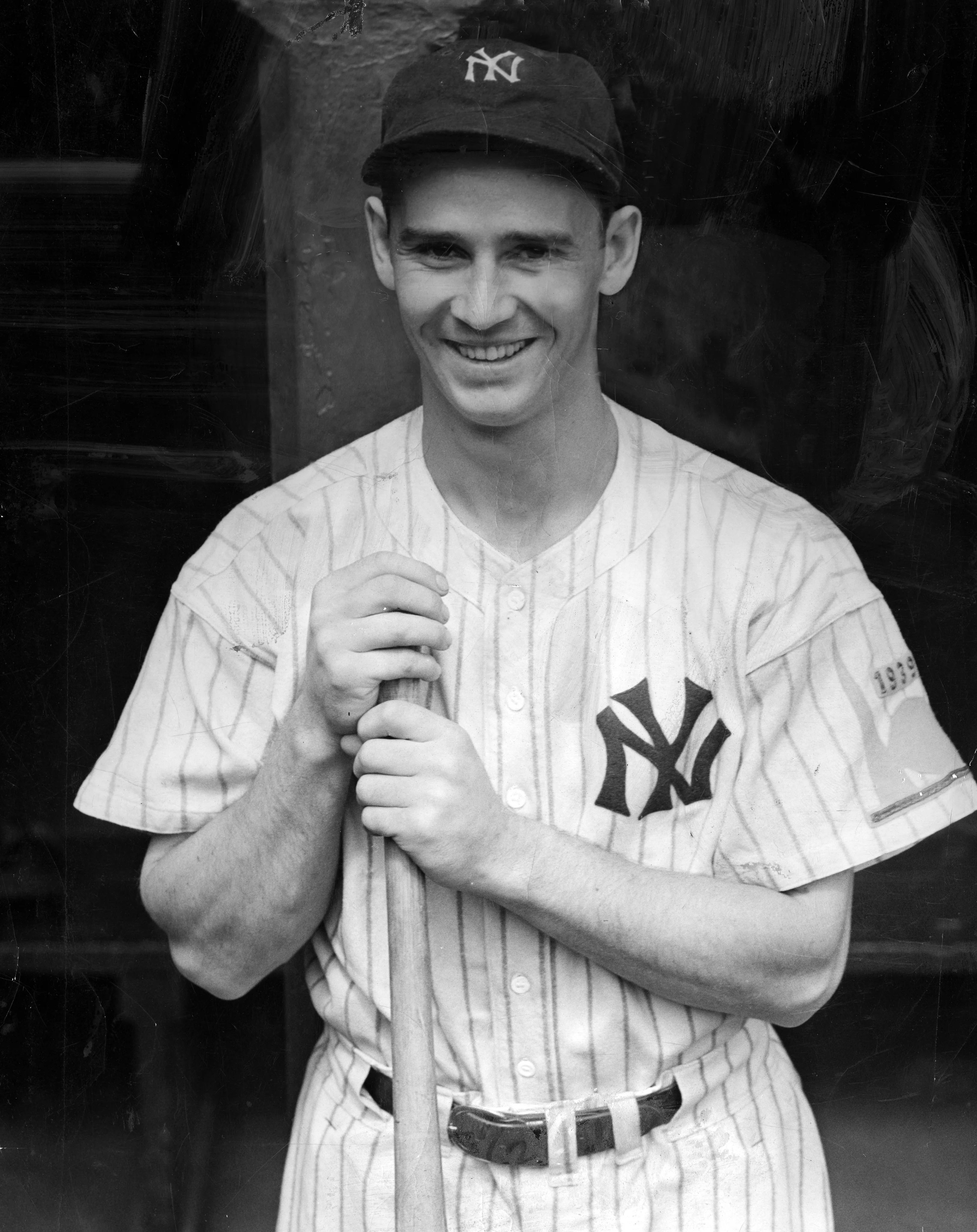
In 1936, Gordon’s talent caught the attention of Major League scouts, and he signed with the New York Yankees. He spent two seasons in the minor leagues, refining his skills and proving that he was ready for the big leagues. By 1938, he had impressed the Yankees’ organization enough to earn a call-up to the majors. His debut season saw him play in 127 games, hitting .255 with 25 doubles, 14 home runs, and 97 RBIs. While his batting average was not overwhelming, his power numbers were impressive for a second baseman, and his defensive abilities quickly made him one of the most valuable infielders in the American League.
By 1939, Gordon had solidified his place as the Yankees’ everyday second baseman. That year, he improved significantly at the plate, hitting .284 with 28 home runs and 111 RBIs. His performance helped the Yankees win the World Series, marking the first of five championships he would win during his career. Playing alongside legends like Joe DiMaggio, Lou Gehrig, and Bill Dickey, Gordon became an essential part of the Yankees’ dynasty of the late 1930s and early 1940s. His ability to provide both offensive and defensive contributions set him apart from many of his peers.
The 1940 season was another strong year for Gordon, as he continued to improve his offensive output while maintaining his elite defensive play. He hit .281 with 30 home runs and 103 RBIs, remarkable numbers for a second baseman at the time. He also continued to impress with his defensive range, quick double-play turns, and acrobatic fielding, further establishing himself as one of the premier infielders in baseball. The Yankees, however, failed to make the World Series that year, finishing third in the American League.
In 1941, Gordon helped the Yankees return to championship form. He hit .276 with 24 home runs and 87 RBIs, playing a crucial role in the team’s success. That season, the Yankees won another World Series, defeating the Brooklyn Dodgers in five games. Gordon’s contributions in the postseason were vital, as he continued to showcase his ability to come through in crucial moments. The 1941 season is best remembered for Joe DiMaggio’s historic 56-game hitting streak, but Gordon’s steady play was an essential component of the Yankees’ championship run.
The 1942 season saw Gordon put together one of the finest individual campaigns of his career. He batted .322 with 18 home runs and 103 RBIs, earning the American League MVP award. What made his MVP season particularly impressive was that he won the award over Ted Williams, who had just completed a season in which he hit .406, one of the greatest offensive performances in baseball history. Gordon’s value extended beyond his batting numbers; his defensive excellence, leadership, and ability to perform in clutch situations played a major role in him being recognized as the league’s most valuable player. Despite his outstanding season, the Yankees fell short in the World Series, losing to the St. Louis Cardinals in five games.
Like many players of his era, Gordon’s career was interrupted by World War II. He missed the entire 1944 season and most of the 1945 season while serving in the military. His absence was felt by the Yankees, who struggled without their star second baseman. When he returned in 1946, he initially struggled to regain his form, hitting .210 in what was statistically the worst season of his career. However, he rebounded in 1947, batting .272 with 29 home runs and 93 RBIs. That year, he helped lead the Yankees to another World Series title, as they defeated the Brooklyn Dodgers in seven games.
Following the 1946 season, the Yankees made a surprising move by trading Gordon to the Cleveland Indians in exchange for pitcher Allie Reynolds. At the time, the trade was met with some skepticism, as Gordon was still one of the best second basemen in the league. However, the move ultimately worked out well for both teams, as Reynolds became a key pitcher for the Yankees, and Gordon continued to excel with the Indians.
Gordon’s arrival in Cleveland in 1947 provided a veteran presence to a team that was looking to become a contender. He quickly became a leader on the Indians, helping to mentor younger players and solidify the team’s infield. In 1948, Gordon had one of the most memorable seasons of his career, hitting .280 with 32 home runs and 124 RBIs. His power numbers were among the best of any second baseman in history at the time, and he played a crucial role in helping the Indians win the American League pennant. In the 1948 World Series, Cleveland faced the Boston Braves, and Gordon was instrumental in the Indians’ victory. He hit two home runs in the series, providing key offensive production as the Indians won their first World Series title since 1920.
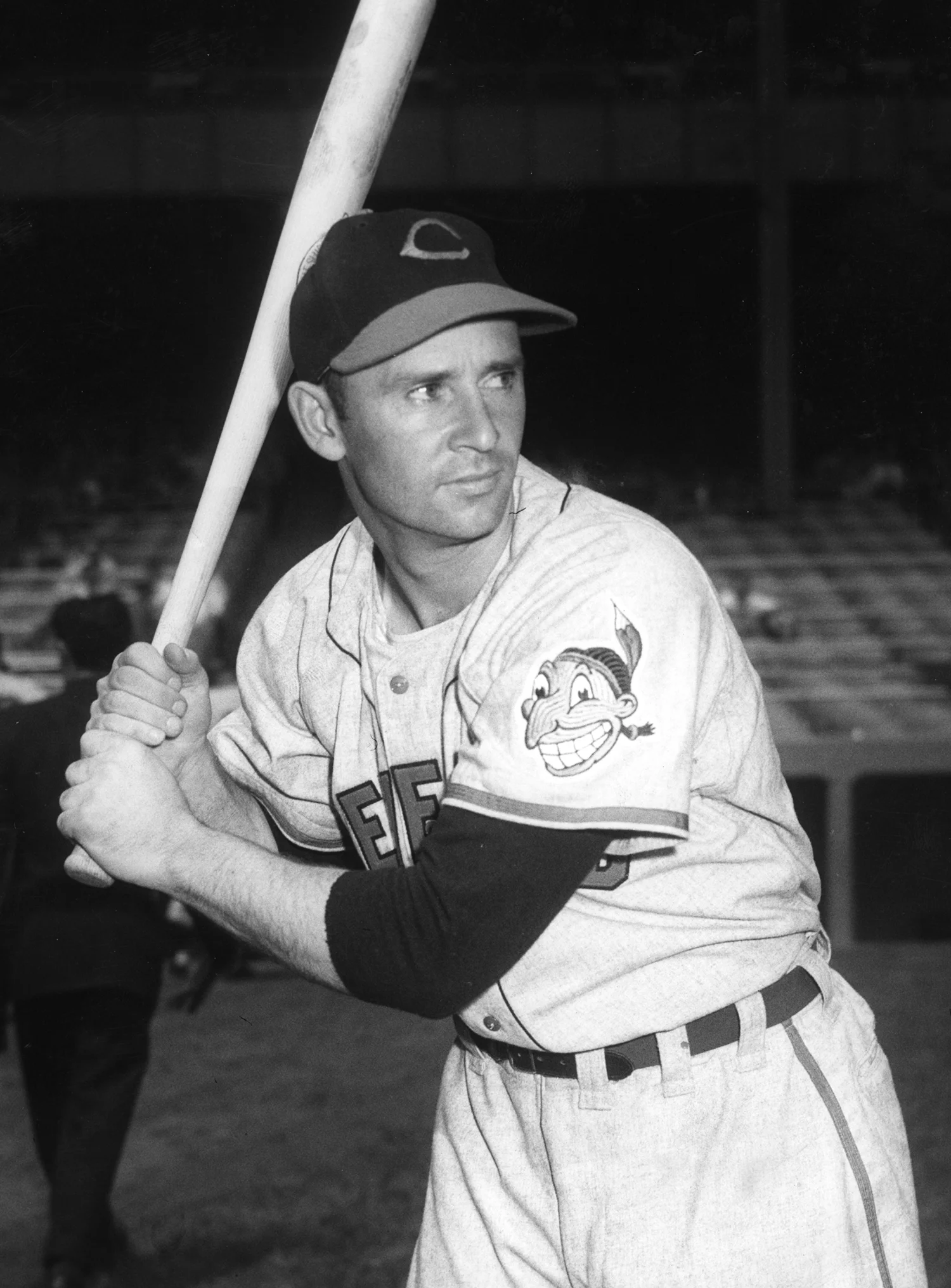
Gordon continued to be a productive player for the Indians through the early 1950s, though age and injuries began to take their toll. He played his final major league season in 1950, retiring at the age of 35. Over his 11-year career, he compiled a .268 batting average, 1,530 hits, 253 home runs, and 975 RBIs. His power numbers were particularly impressive for a second baseman of his era, as he was one of the first players at the position to consistently hit for power. He was also a nine-time All-Star and a five-time World Series champion, further cementing his legacy as one of the greatest second basemen of all time.
After retiring as a player, Gordon remained involved in baseball as a coach and manager. He managed the Cleveland Indians from 1958 to 1960 and later had stints as the manager of the Kansas City Athletics and the Kansas City Royals. While his managerial career did not reach the same heights as his playing days, he remained a respected figure in the game.
Gordon’s impact on baseball was profound. He was one of the first second basemen to demonstrate that the position could be a source of power hitting, paving the way for future generations of offensive-minded second basemen. His defensive excellence set a standard for the position, and his ability to contribute in both facets of the game made him one of the most valuable players of his time.
Despite his achievements, Gordon was not inducted into the Hall of Fame until 2009, nearly 60 years after his playing career ended. His delayed induction was widely considered an oversight, as his contributions to the game were comparable to many of his contemporaries who had been enshrined earlier. When he was finally inducted, it was a well-deserved honor for a player who had done so much to shape the game of baseball.
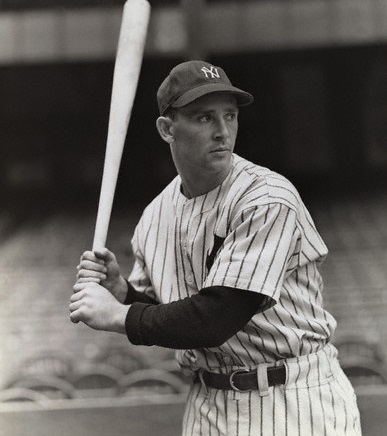
Joe Gordon’s career was one of excellence, resilience, and innovation. His combination of power, defensive brilliance, and leadership made him one of the greatest second basemen in baseball history. Whether as a key member of the Yankees’ dynasty or as a leader on the Indians’ championship team, Gordon’s impact on the game was undeniable. His legacy lives on in the way the second base position is played today, and his place in the Hall of Fame ensures that his contributions to the sport will never be forgotten.



 The Baseball Scholar
Leave a reply to The 20 Greatest New York Yankees of All-Time – The Baseball Scholar Cancel reply