
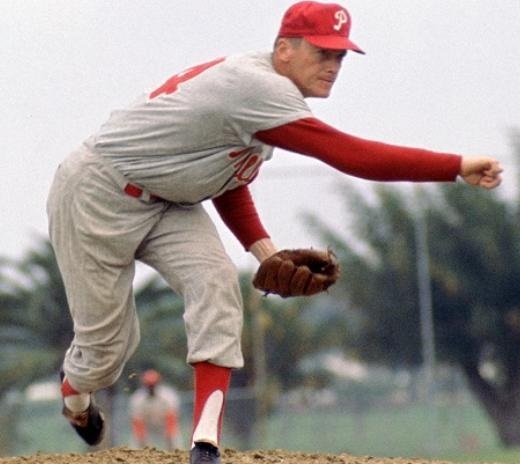
Jim Bunning’s MLB career is one of remarkable consistency, dominance, and resilience, earning him a place among the game’s greatest pitchers. Known for his overpowering fastball, pinpoint control, and fierce competitiveness, Bunning excelled over a 17-year career, leaving an indelible mark on Major League Baseball. His contributions extended beyond the playing field, as he later entered public service, continuing a legacy of leadership and integrity. From his early life and development to his peak years as an ace pitcher, specific moments of brilliance, and his broader influence on baseball, Bunning’s story is one of triumph and impact.
Jim Bunning was born on October 23, 1931, in Southgate, Kentucky, a suburb of Cincinnati, Ohio. Raised in a supportive household, Bunning displayed an early talent for athletics. He excelled in multiple sports, including basketball and football, but it was on the baseball diamond that his potential truly shone. As a tall, lanky teenager, Bunning’s ability to throw with velocity and precision caught the attention of scouts and coaches.
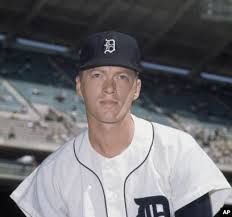
Bunning attended St. Xavier High School in Cincinnati, where he honed his skills as a pitcher. Despite his raw talent, he was not immediately seen as a future star. His mechanics needed refinement, and he lacked the polish of more celebrated high school prospects. Nonetheless, his determination to improve and his natural arm strength set him apart.
After graduating from high school, Bunning enrolled at Xavier University, where he briefly played collegiate baseball. However, professional scouts continued to monitor his progress, and in 1950, the Detroit Tigers signed him to a contract. At 19 years old, Bunning embarked on a professional baseball career that would take him from the minor leagues to Cooperstown.
Bunning’s early years in professional baseball were defined by steady progress and a tireless work ethic. He began his career in the Tigers’ farm system, gradually refining his mechanics and developing a repertoire of pitches that would make him one of the most effective pitchers of his era. His fastball was his primary weapon, complemented by a sharp curveball and an effective slider.
By the mid-1950s, Bunning had established himself as one of the top pitching prospects in the Tigers’ organization. In 1955, he posted an impressive 14-8 record with a 3.42 ERA for the Birmingham Barons, Detroit’s Double-A affiliate. The following year, he continued to excel at the Triple-A level, earning a promotion to the major leagues in 1955.
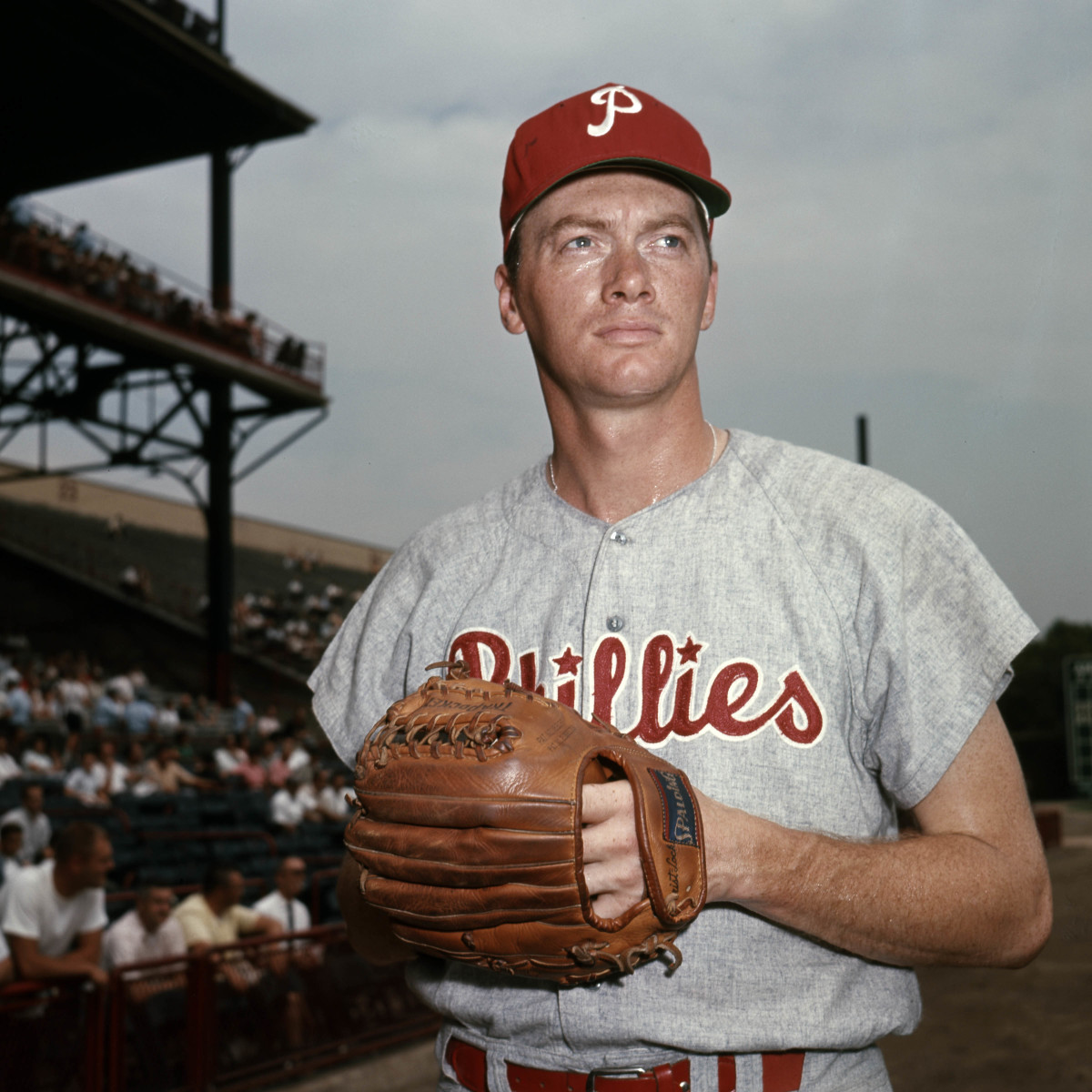
Bunning made his MLB debut on July 20, 1955, for the Detroit Tigers. While his initial outings were inconsistent, he quickly adapted to the rigors of major league competition. By 1957, he had become a fixture in the Tigers’ rotation, posting a 20-8 record with a 2.69 ERA. His breakout season earned him All-Star honors and established him as one of the premier pitchers in the American League.
Bunning’s success was rooted in his ability to outthink hitters and maintain impeccable control. He was not a pitcher who relied solely on overpowering velocity; instead, he used a cerebral approach to attack opposing lineups. He meticulously studied hitters’ tendencies, often staying one step ahead of them during games.
In 1958, Bunning achieved one of the most significant milestones of his career: a no-hitter against the Boston Red Sox on July 20. The performance was a testament to his dominance, as he struck out 12 batters and allowed only two baserunners. The no-hitter solidified Bunning’s reputation as one of the game’s elite pitchers.
Bunning continued to excel with the Tigers throughout the late 1950s and early 1960s. He regularly ranked among the league leaders in strikeouts, complete games, and innings pitched. From 1957 to 1963, he won at least 15 games in six different seasons, showcasing remarkable durability and consistency.
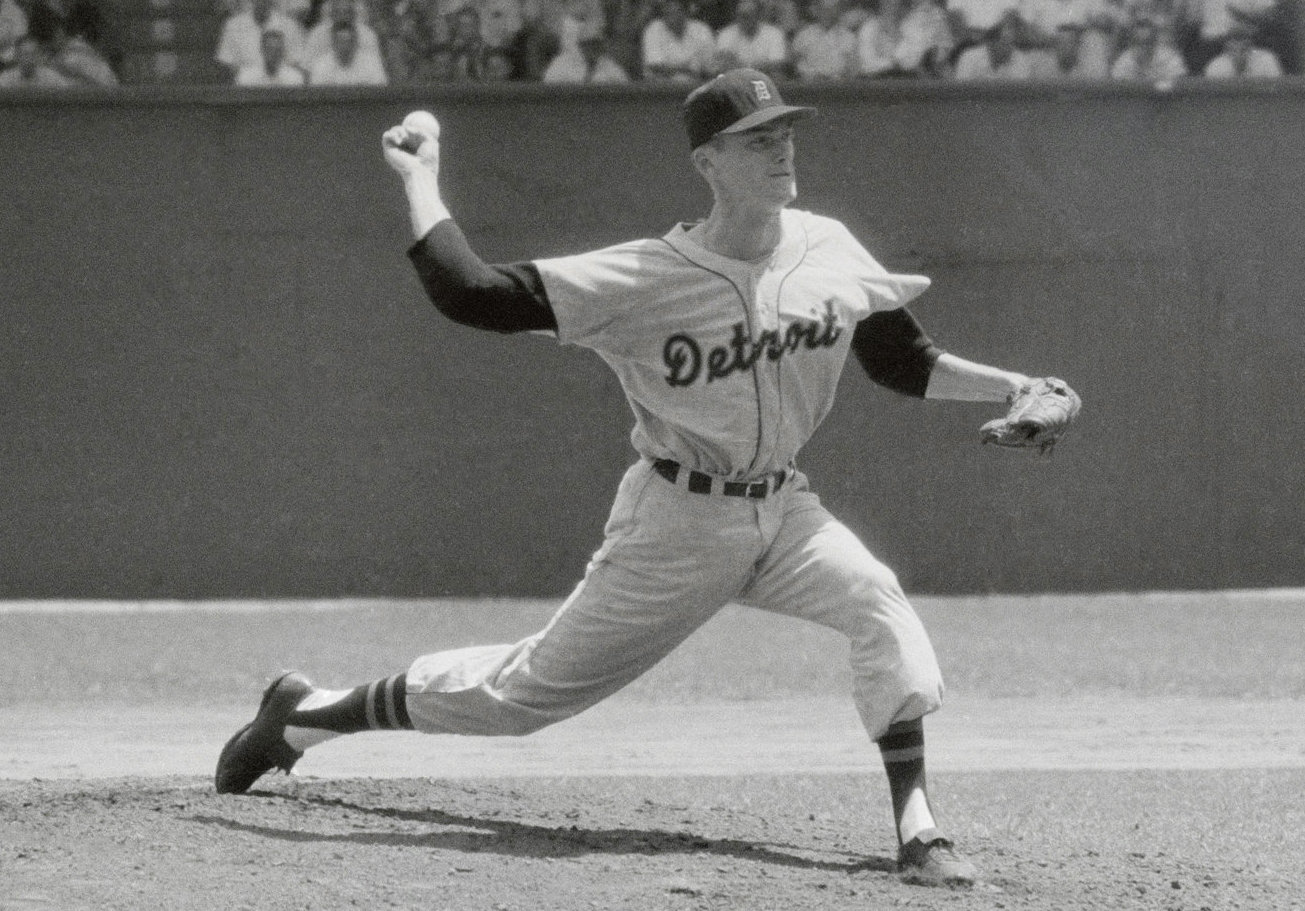
In December 1963, Bunning was traded to the Philadelphia Phillies in a deal that proved to be a turning point in his career. The Phillies, seeking an ace to anchor their pitching staff, acquired Bunning in exchange for outfielder Don Demeter and pitcher Jack Hamilton. The move to the National League rejuvenated Bunning’s career, as he thrived in his new environment.
Bunning’s debut season with the Phillies in 1964 was nothing short of spectacular. He went 19-8 with a 2.63 ERA, 13 complete games, and 3 shutouts. On June 21, 1964, Bunning made history by pitching a perfect game against the New York Mets. It was the first perfect game in the National League since 1880 and only the seventh in MLB history at the time. Bunning struck out 10 batters and needed just 90 pitches to complete the masterpiece. The game solidified his place in baseball history and remains one of the defining moments of his career.
The 1964 season also saw Bunning play a pivotal role in the Phillies’ push for the National League pennant. Although the team ultimately fell short in a heartbreaking collapse, Bunning’s contributions were widely recognized. He finished the season with 282 strikeouts, leading the National League, and earned another All-Star selection.
Bunning continued to excel with the Phillies over the next several seasons. He was a workhorse in the rotation, regularly pitching over 250 innings and ranking among the league leaders in strikeouts and complete games. In 1966, he posted a career-high 20 wins, marking the second 20-win season of his career.
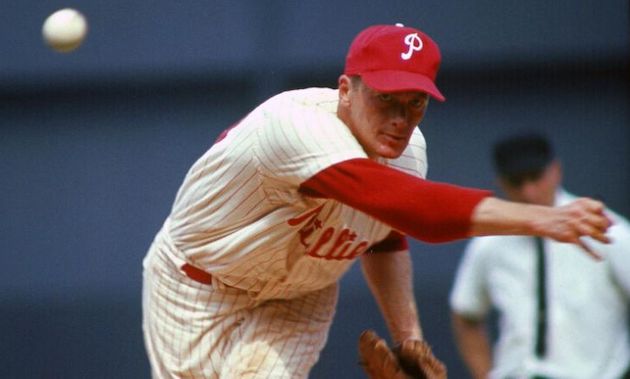
After four successful seasons with the Phillies, Bunning was traded to the Pittsburgh Pirates in 1968. While his performance remained solid, he began to show signs of wear and tear as he entered his late 30s. In 1969, he split time between the Pirates and the Los Angeles Dodgers, posting a combined 13-10 record with a 3.62 ERA.
In 1970, Bunning returned to the Phillies for one final season. Though no longer the dominant pitcher he once was, he provided veteran leadership and continued to pitch effectively in a limited role. Bunning retired after the 1971 season, concluding a remarkable 17-year career in the major leagues.
Bunning’s career statistics are a testament to his consistency and longevity. Over 591 career games, he compiled a record of 224-184 with a 3.27 ERA, 2,855 strikeouts, and 40 shutouts. He ranks among the all-time leaders in strikeouts and complete games, and his 3,760 innings pitched demonstrate his durability.
Bunning was a nine-time All-Star, earning selections in both the American League and National League. His no-hitter in 1958 and perfect game in 1964 are among the most celebrated achievements of his career, showcasing his ability to dominate opposing lineups. In 1996, Bunning was inducted into the Baseball Hall of Fame, cementing his legacy as one of the game’s greatest pitchers.
Beyond his on-field accomplishments, Bunning’s impact on baseball extends to his influence as a mentor and role model. He was known for his professionalism, work ethic, and competitive spirit, qualities that inspired countless teammates and opponents. As a player representative during the 1960s, Bunning played a key role in advocating for players’ rights, helping to lay the foundation for modern labor relations in baseball.
After retiring from baseball, Bunning transitioned into politics, serving as a U.S. Congressman and Senator from Kentucky. His career in public service reflected the same dedication and integrity that defined his baseball career.
Jim Bunning’s legacy is one of excellence, leadership, and a deep love for the game of baseball. His contributions to the sport, both on and off the field, have left a lasting impact that continues to be felt by players, fans, and the broader baseball community.



 The Baseball Scholar
Leave a comment