
Earl Averill, one of the most accomplished outfielders in Major League Baseball history, left an indelible mark on the sport during his career, which spanned from the late 1920s to the early 1940s. Known for his powerful bat, remarkable consistency, and ability to change the course of a game, Averill became one of the most celebrated players of his era. His journey from a small-town upbringing to the pinnacle of professional baseball is a testament to his talent and perseverance.
Born Howard Earl Averill on May 21, 1902, in Snohomish, Washington, he grew up with an affinity for baseball. Unlike many other future stars who were groomed in high-profile baseball programs from an early age, Averill’s path to the major leagues was unconventional. He played baseball at a local level for much of his early life and did not immediately enter professional ranks. Instead, he worked as a laborer while playing semi-professional baseball in the Pacific Northwest. His natural ability and work ethic, however, would soon attract attention from scouts.
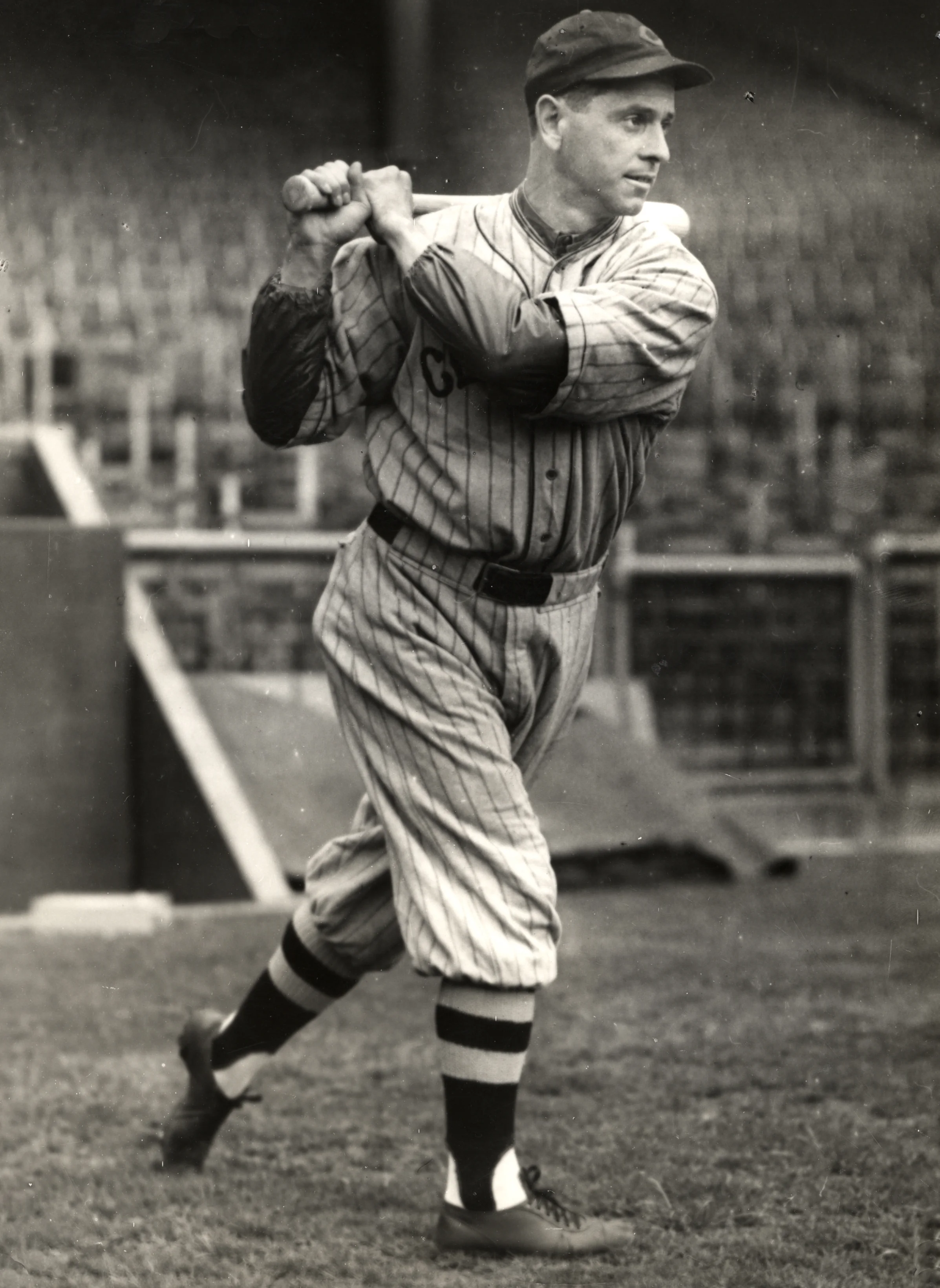
Averill’s break came when he joined the San Francisco Seals of the Pacific Coast League in 1926. The Seals were known for producing major league talent, and Averill quickly distinguished himself as a standout player. Over the next few years, his performance in the PCL proved that he had the skills to compete at a higher level. In 1929, at the age of 27, he was signed by the Cleveland Indians, marking the beginning of a legendary major league career.
Averill’s major league debut with the Cleveland Indians in 1929 was nothing short of spectacular. In his very first at-bat, he hit a home run—an incredibly rare feat that immediately set the tone for his career. He finished his rookie season with a .332 batting average, 18 home runs, and 96 RBIs, signaling that he was a force to be reckoned with at the plate. His ability to hit for both average and power made him an invaluable asset to the Indians’ lineup.
Throughout the 1930s, Averill cemented his status as one of the premier hitters in baseball. He was a model of consistency, regularly hitting above .300 and driving in significant numbers of runs. One of his finest seasons came in 1936 when he posted a .378 batting average with 28 home runs and 126 RBIs. That year, he also led the American League in total bases, an indication of his ability to generate offensive production at an elite level.
One of Averill’s most defining characteristics was his ability to deliver in clutch situations. He had a keen eye for the strike zone and rarely struck out, making him one of the most difficult outs in the game. Additionally, his power-hitting capabilities were ahead of his time. He was a threat to go deep in any ballpark, which was especially impressive considering that he played much of his career in an era when home runs were not as commonplace as they would become in later decades.
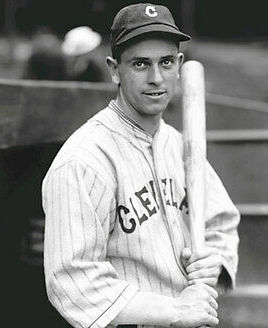
His impact on the Indians extended beyond his offensive contributions. Averill was an outstanding defensive center fielder, known for his speed and strong throwing arm. He played a crucial role in securing outs and preventing runs, further solidifying his reputation as an all-around player. He was selected to six All-Star games, a testament to his sustained excellence throughout the decade.
Despite his individual success, Averill never had the opportunity to play in a World Series, as the Indians were not perennial contenders during his tenure. However, his presence in the lineup made Cleveland a formidable opponent, and he was widely regarded as one of the best players in baseball. His achievements did not go unnoticed by his peers, and he was respected across the league for his professionalism and competitive spirit.
Averill’s career statistics reflect his dominance. Over 13 major league seasons, he amassed 2,019 hits, 238 home runs, 1,164 RBIs, and a lifetime batting average of .318. These numbers place him among the greatest hitters of his era. He remains one of the few players to sustain such an impressive batting average while also hitting for power.
One of the unique aspects of Averill’s career was his ability to maintain a high level of play despite entering the major leagues at a relatively late age. Unlike many players who establish themselves in their early twenties, Averill did not debut in the big leagues until he was 27. Despite this late start, he compiled Hall of Fame-worthy numbers, proving that his talent transcended age barriers.
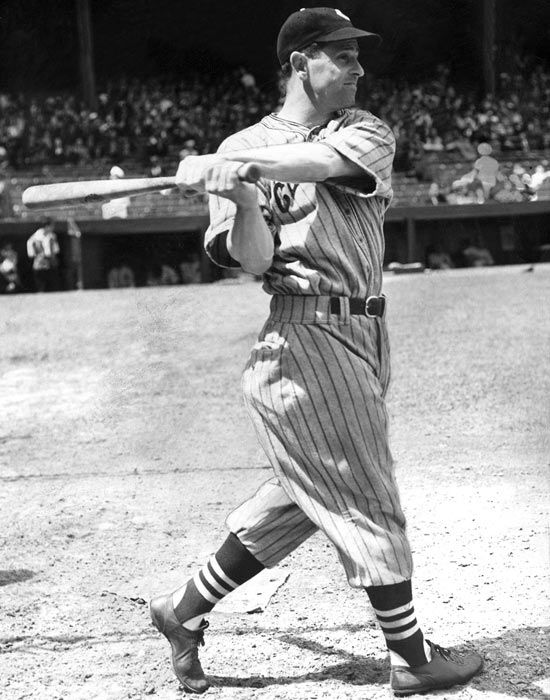
After leaving Cleveland in 1939, Averill had brief stints with the Detroit Tigers and Boston Braves before retiring in 1941. While his later years were not as productive as his prime, he remained a respected figure in baseball and continued to contribute to the game in various capacities. His post-playing career included scouting and mentoring younger players, ensuring that his knowledge and experience were passed down to future generations.
Averill’s contributions to baseball were finally recognized when he was inducted into the Baseball Hall of Fame in 1975 by the Veterans Committee. The honor was a fitting tribute to a player whose career had been somewhat overlooked due to the era in which he played and the lack of a championship on his resume. Nevertheless, those who witnessed his greatness firsthand knew that he was among the elite players of his time.
Beyond statistics, Averill’s impact on baseball is seen in his influence on future generations of players. He was one of the early examples of a complete outfielder—one who could hit for average, hit for power, run the bases effectively, and play exceptional defense. His ability to do everything well set a standard for the position and paved the way for future stars to emulate his style of play.
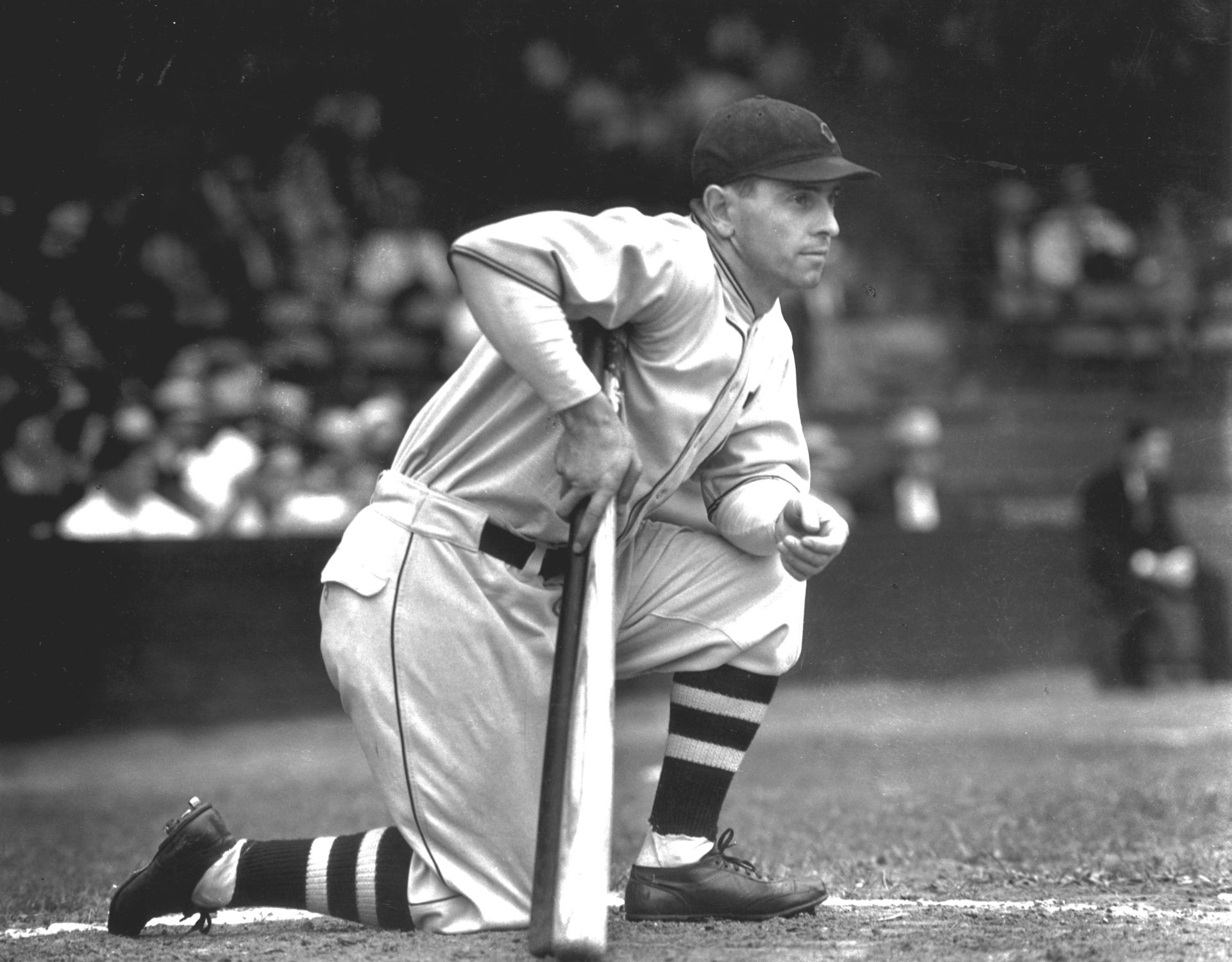
Earl Averill’s legacy endures not just through his Hall of Fame enshrinement but also in the memories of those who appreciated his talent and dedication to the game. His journey from a working-class background to the pinnacle of baseball success serves as an inspiration to aspiring athletes. His contributions to the Cleveland Indians remain a significant part of the franchise’s history, and he is rightfully regarded as one of the greatest players to ever wear an Indians uniform.
In conclusion, Earl Averill’s MLB career was marked by extraordinary achievements, unwavering consistency, and a level of excellence that defined an era. He overcame a late start to his professional career to become one of the most formidable hitters of the 1930s. His impact on the game extended beyond the numbers, as he set a benchmark for what a great outfielder could be. While he may not have played in a World Series, his individual brilliance and influence on baseball culture are undeniable. Earl Averill will forever be remembered as one of the game’s true legends.


 The Baseball Scholar
Leave a comment