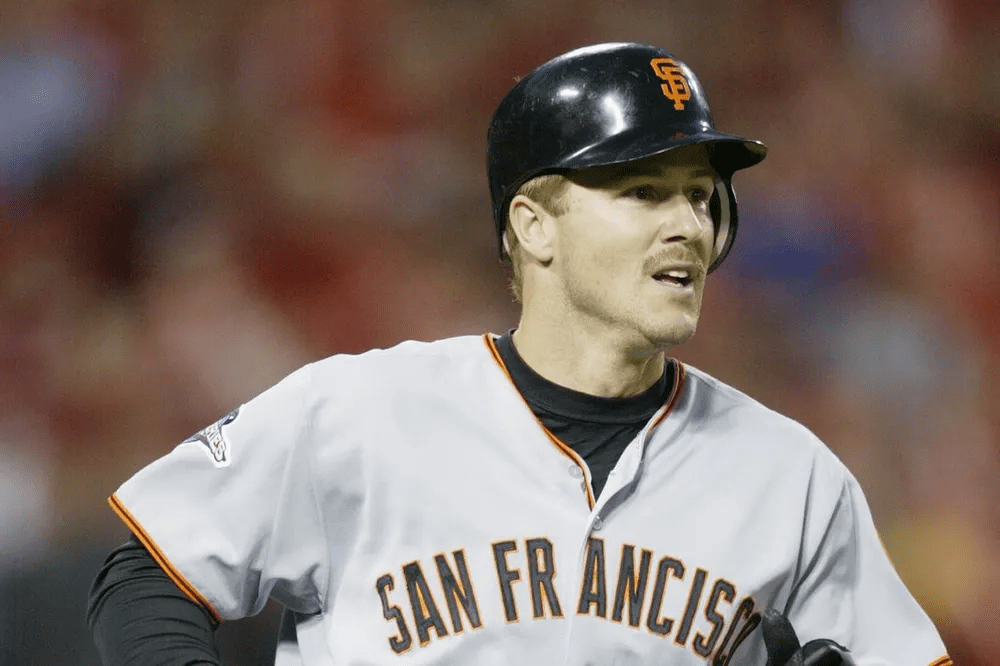
Jeff Kent, one of the most prolific power-hitting second basemen in Major League Baseball (MLB) history, carved out an extraordinary career that spanned nearly two decades. Known for his potent bat, fierce competitiveness, and sometimes contentious personality, Kent left an indelible mark on the game. His career was highlighted by impressive statistical achievements, key moments of dominance, and a lasting impact on the position he played. From his early life and development to his rise in professional baseball, from his defining years with the San Francisco Giants to his later stints with multiple teams, Kent’s legacy is multifaceted. His impact on baseball extends beyond the numbers, as he challenged traditional notions of second base as a defensive-oriented position and redefined what a middle infielder could achieve offensively.
Jeffrey Franklin Kent was born on March 7, 1968, in Bellflower, California. Raised in Southern California, he exhibited a natural athletic ability from an early age. He attended Edison High School in Huntington Beach, where he played baseball and developed a competitive edge that would define his professional career. Kent went on to play college baseball at the University of California, Berkeley, where he continued to refine his skills. Despite his obvious talent, Kent was not regarded as a top-tier prospect in his early years, leading to him being selected in the 20th round of the 1989 MLB Draft by the Toronto Blue Jays.
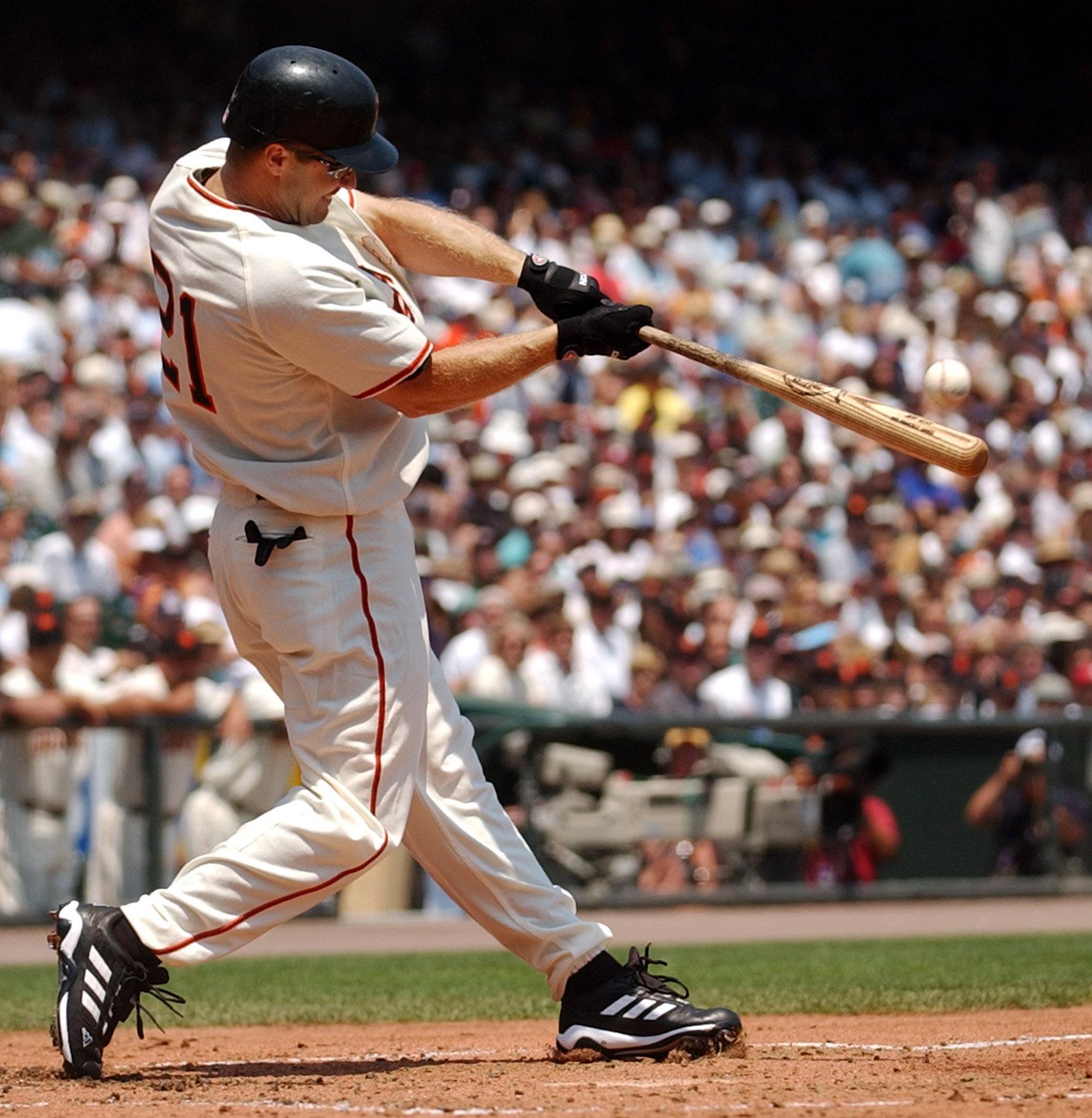
Kent’s minor league journey was one of perseverance. His talent was evident, but he had to prove himself at every level. Playing in the Blue Jays’ minor league system, Kent showcased his potential, combining solid defensive play with a developing power stroke. His strong performance earned him a call-up to the major leagues in 1992, where he made his debut with the Toronto Blue Jays on April 12. However, his time in Toronto was short-lived, as he was traded to the New York Mets later that season in a deal that sent veteran pitcher David Cone to the Blue Jays.
With the Mets, Kent began to establish himself as an everyday player. Over the next three seasons, he demonstrated his power potential, hitting double-digit home runs each year while playing both second and third base. However, his aggressive personality and clashes with management led to his departure from the team. In 1996, Kent was traded to the Cleveland Indians, where he played for only part of a season before being dealt again to the San Francisco Giants in exchange for third baseman Matt Williams. It was in San Francisco where Kent would truly flourish.
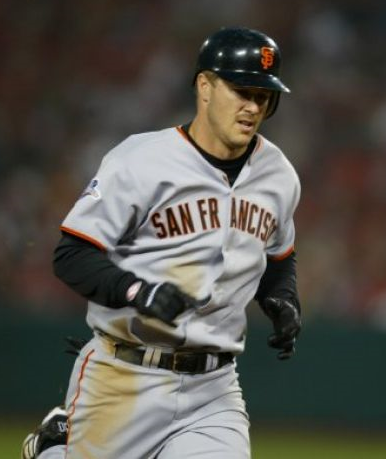
Kent’s tenure with the Giants from 1997 to 2002 was the defining period of his career. Paired with superstar Barry Bonds, Kent formed one of the most formidable offensive duos in baseball. In his first season with the Giants, Kent hit .250 with 29 home runs and 121 RBIs, providing an early glimpse of what was to come. Over the next several years, his offensive production only improved, and he emerged as one of the premier run producers in the league. Kent’s combination of power and consistency was rare for a second baseman, making him an outlier at the position.
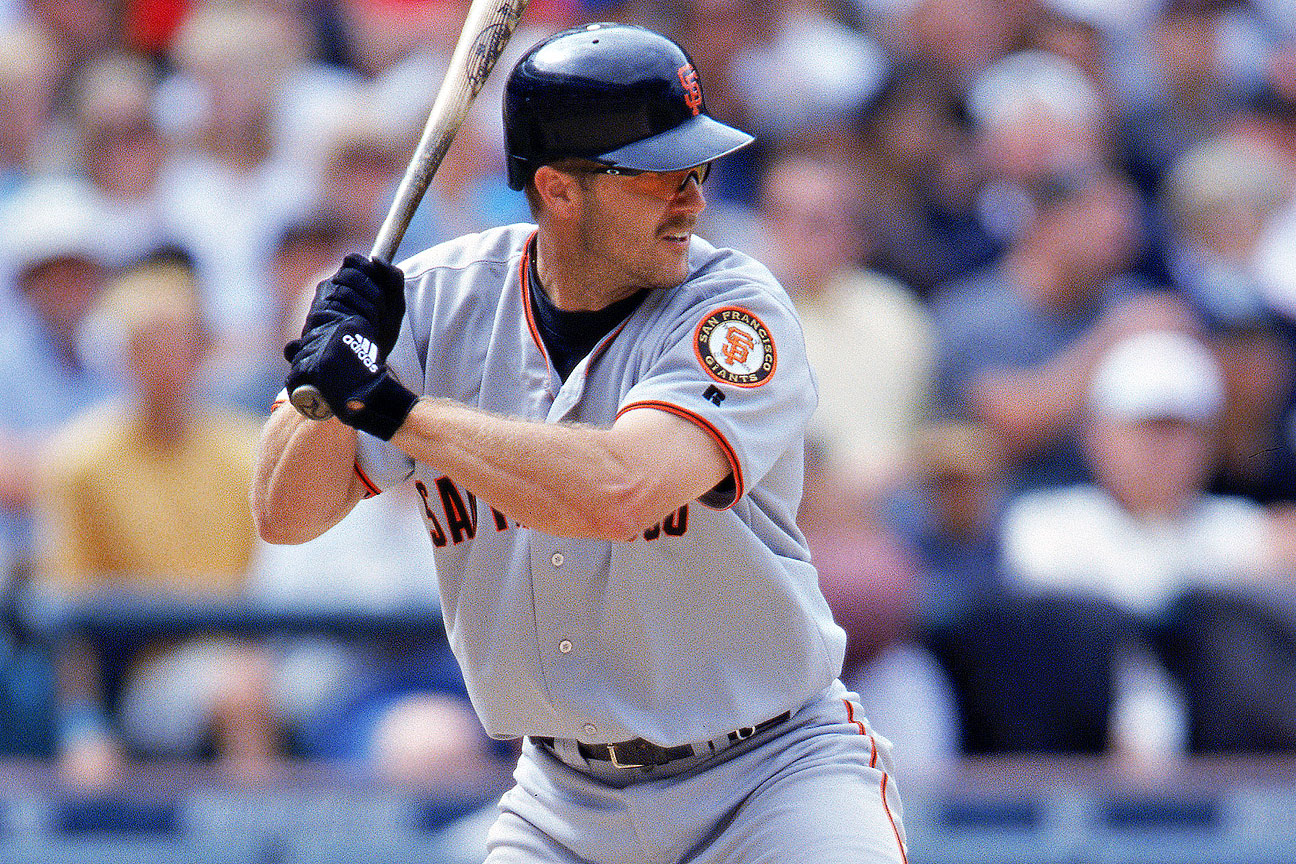
The pinnacle of Kent’s career came in 2000 when he won the National League Most Valuable Player (MVP) award. That season, he batted .334 with 33 home runs, 125 RBIs, and an OPS of 1.021. His offensive prowess helped lead the Giants to the postseason, solidifying his status as one of the game’s elite players. His ability to drive in runs and hit for power from a traditionally defense-first position set him apart from his peers. While Bonds often garnered the bulk of media attention, Kent’s contributions were invaluable to the Giants’ success.
Despite his on-field success, Kent’s tenure in San Francisco was marked by occasional tensions with teammates and management, particularly with Barry Bonds. The two All-Stars had a famously contentious relationship, often clashing in the clubhouse and even having a well-publicized dugout altercation during a game. However, these conflicts did not diminish Kent’s impact on the team, as he continued to be one of the Giants’ most reliable offensive players.
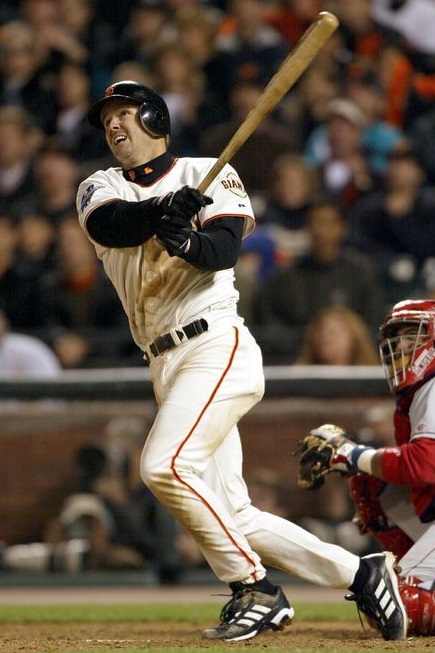
After leaving San Francisco following the 2002 season, Kent signed with the Houston Astros, where he continued to produce at a high level. In his two seasons with the Astros, he hit 49 home runs and drove in 200 runs while maintaining a strong batting average. Kent’s presence in the lineup provided stability and experience, helping Houston reach the postseason in 2004. That year, he delivered one of the most memorable moments of his career, hitting a walk-off home run in Game 5 of the National League Championship Series (NLCS) against the St. Louis Cardinals. Although the Astros would ultimately fall short in the series, Kent’s clutch performance further solidified his reputation as a big-game player.
Kent’s next move took him to the Los Angeles Dodgers, where he played the final four seasons of his career from 2005 to 2008. Despite being in his late 30s, he remained an offensive force, leading the team in several key categories. His veteran leadership and consistent production helped guide the Dodgers to multiple postseason appearances. Although he was no longer at the peak of his powers, Kent still provided valuable contributions to the team. He retired following the 2008 season, leaving behind an impressive statistical legacy.
Over his 17-year MLB career, Kent accumulated remarkable numbers that placed him among the best offensive second basemen in history. He finished with a .290 career batting average, 377 home runs, 1,518 RBIs, and an .855 OPS. His 377 home runs are the most ever by a second baseman, surpassing Hall of Famers like Rogers Hornsby and Ryne Sandberg. Additionally, he was a five-time All-Star and won four Silver Slugger Awards, recognizing his excellence as an offensive second baseman.
Beyond the statistics, Kent’s impact on baseball was significant. He redefined the expectations for offensive production at the second base position, proving that a middle infielder could be a legitimate power threat. His success paved the way for future generations of second basemen who prioritized slugging as much as defensive prowess. Players like Robinson Canó and Chase Utley followed in his footsteps, embodying the offensive skill set that Kent helped popularize.
Despite his on-field accomplishments, Kent has been a polarizing figure in baseball circles. His sometimes gruff demeanor and reluctance to engage with the media led to a perception of him as difficult or aloof. However, those who played alongside him recognized his intense work ethic and desire to win. His competitive fire was both a strength and a source of friction, but there is no denying his dedication to the game.
Since retiring, Kent has largely stayed out of the public spotlight, choosing to focus on family and business ventures. He has also been involved in various charitable efforts, including initiatives that support youth baseball programs. His candidacy for the Baseball Hall of Fame has been a topic of debate, as he consistently garnered votes but fell short of induction during his eligibility period. While some argue that his statistics and impact on the game warrant enshrinement, others cite his lack of defensive accolades and occasionally prickly personality as reasons for exclusion.
Regardless of Hall of Fame recognition, Jeff Kent’s place in baseball history is secure. He remains one of the most productive second basemen ever to play the game, and his offensive achievements continue to stand the test of time. His career was defined by resilience, adaptability, and an unwavering commitment to excellence. From an overlooked prospect to an MVP-winning star, Kent’s journey exemplifies the power of perseverance and self-belief. His legacy will endure not only through his impressive numbers but also through the lasting impact he had on how the second base position is viewed in modern baseball.



 The Baseball Scholar
Leave a reply to 2000s All-Decade Team – The Baseball Scholar Cancel reply