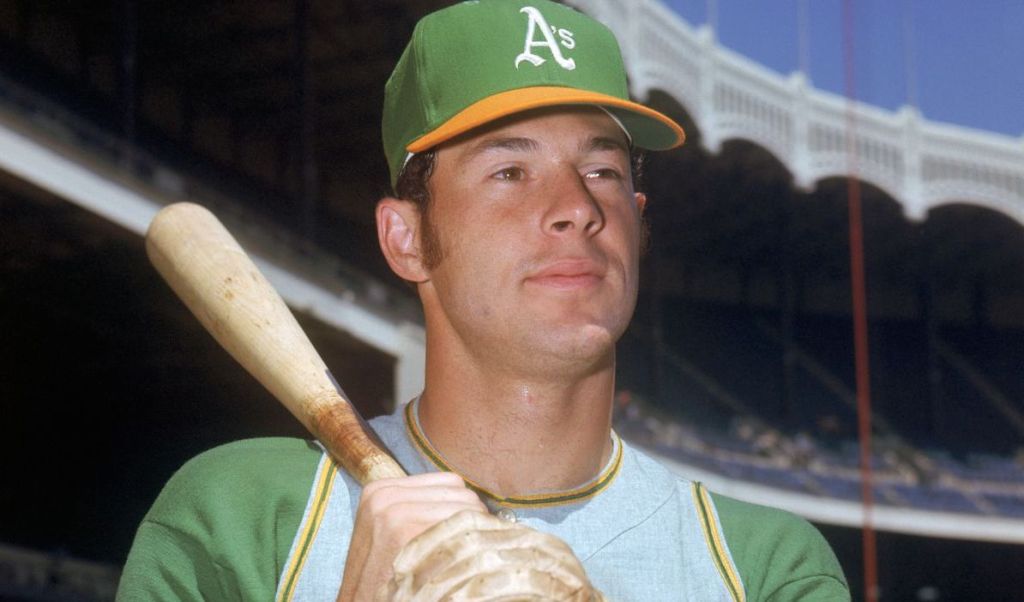
Gene Tenace, a name that might not always dominate conversations about baseball’s greatest players, left an indelible mark on the game with his versatility, power, and ability to perform in clutch moments. Throughout his career, Tenace proved to be a critical figure in Major League Baseball, particularly during his tenure with the Oakland Athletics in the 1970s. His ability to play multiple positions, coupled with a keen eye at the plate, made him one of the most underrated yet impactful players of his era. His legacy extends beyond the statistics, as his influence on championship teams and his contributions to the evolution of the modern power-hitting catcher remain an important part of baseball history.
Gene Tenace was born Fiore Gino Tennaci on October 10, 1946, in Russellton, Pennsylvania. His early years were spent in a working-class environment, where baseball quickly became his passion. As a child, he showed an aptitude for the game, particularly for hitting with power. His ability to hit for both power and patience at the plate would later define his professional career. He attended Valley High School in New Kensington, Pennsylvania, where he further honed his skills as a baseball player. Despite being a talented athlete, Tenace was not considered an elite prospect in his teenage years. He did not have the overwhelming physical tools that typically make a young player stand out, but what he did possess was an innate understanding of the game, a disciplined approach at the plate, and a work ethic that would carry him to great success.
The Kansas City Athletics selected Tenace in the 20th round of the 1965 Major League Baseball Draft. Being a late-round pick, the expectations were modest, and Tenace had to work his way through the minor leagues, proving his worth at each level. In the minors, he developed his skills as a catcher while also displaying an impressive ability to get on base. His patience at the plate and his understanding of the strike zone were far ahead of his time, as he valued walks just as much as base hits. During his time in the minor leagues, the Athletics franchise relocated from Kansas City to Oakland, a move that would define the early stages of Tenace’s career.
Tenace made his major league debut for the Oakland Athletics in 1969. His first few seasons in the majors were spent in a backup role, learning from veteran players and getting acclimated to the highest level of competition. While his playing time was limited, it was clear that he had the tools to become an everyday player. He possessed a keen batting eye, an ability to hit for power, and the versatility to play both catcher and first base, a trait that would become invaluable throughout his career.
His breakout moment came in the 1972 World Series, where Tenace delivered one of the most memorable performances in postseason history. Entering the series, the Athletics were facing the powerhouse Cincinnati Reds, a team loaded with offensive talent. The A’s were underdogs, and Tenace himself was not widely known outside of Oakland. However, he quickly changed that narrative with a stunning display of power and clutch hitting. In Game 1 of the series, Tenace hit two home runs, becoming the first player in World Series history to homer in his first two at-bats in a Fall Classic. His timely hitting continued throughout the series, as he finished with four home runs and nine RBIs, leading the Athletics to their first World Series championship since moving to Oakland. For his efforts, Tenace was named the World Series Most Valuable Player, a recognition that solidified his place in baseball history.
The 1972 World Series was not just a personal triumph for Tenace; it was a defining moment for the Athletics as a franchise. Oakland would go on to win three consecutive World Series titles from 1972 to 1974, establishing themselves as one of the greatest dynasties in baseball history. Tenace was an integral part of those championship teams, providing offensive firepower and defensive stability. His ability to play both catcher and first base gave the team flexibility, and his offensive approach—highlighted by a high on-base percentage and the ability to hit for power—made him one of the most valuable players on the roster.
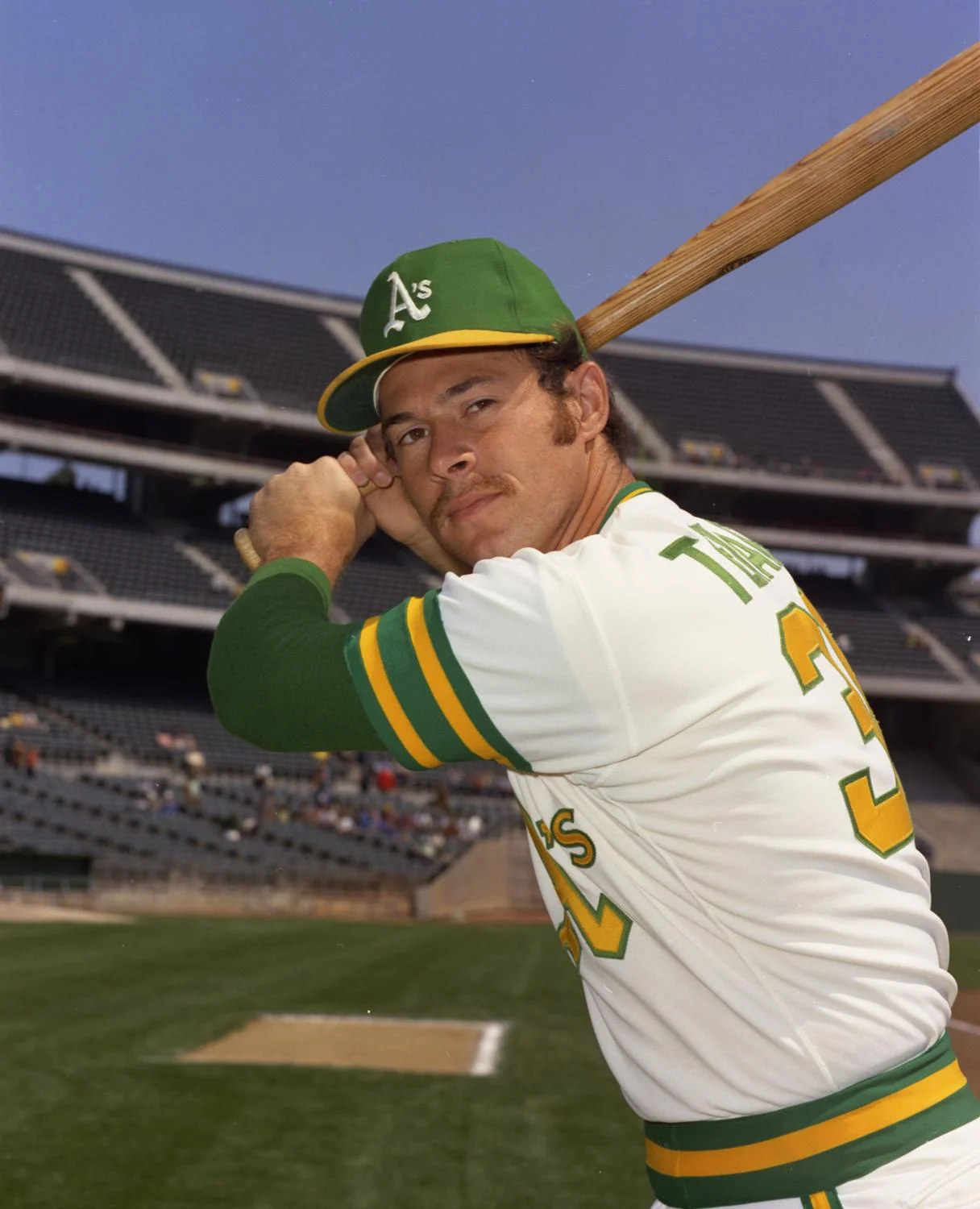
From 1973 to 1975, Tenace became a regular starter for the Athletics and showcased his ability to get on base at an elite level. While his batting average was often not as high as some of the more traditional sluggers of his time, his ability to draw walks made him one of the most effective offensive players in the league. In an era where on-base percentage was not as highly valued as it is today, Tenace’s approach was ahead of its time. He consistently posted on-base percentages well above league average, making him a crucial presence in the Athletics’ lineup. In 1974, he hit 26 home runs and drove in 73 runs while walking 110 times, demonstrating his blend of power and patience.
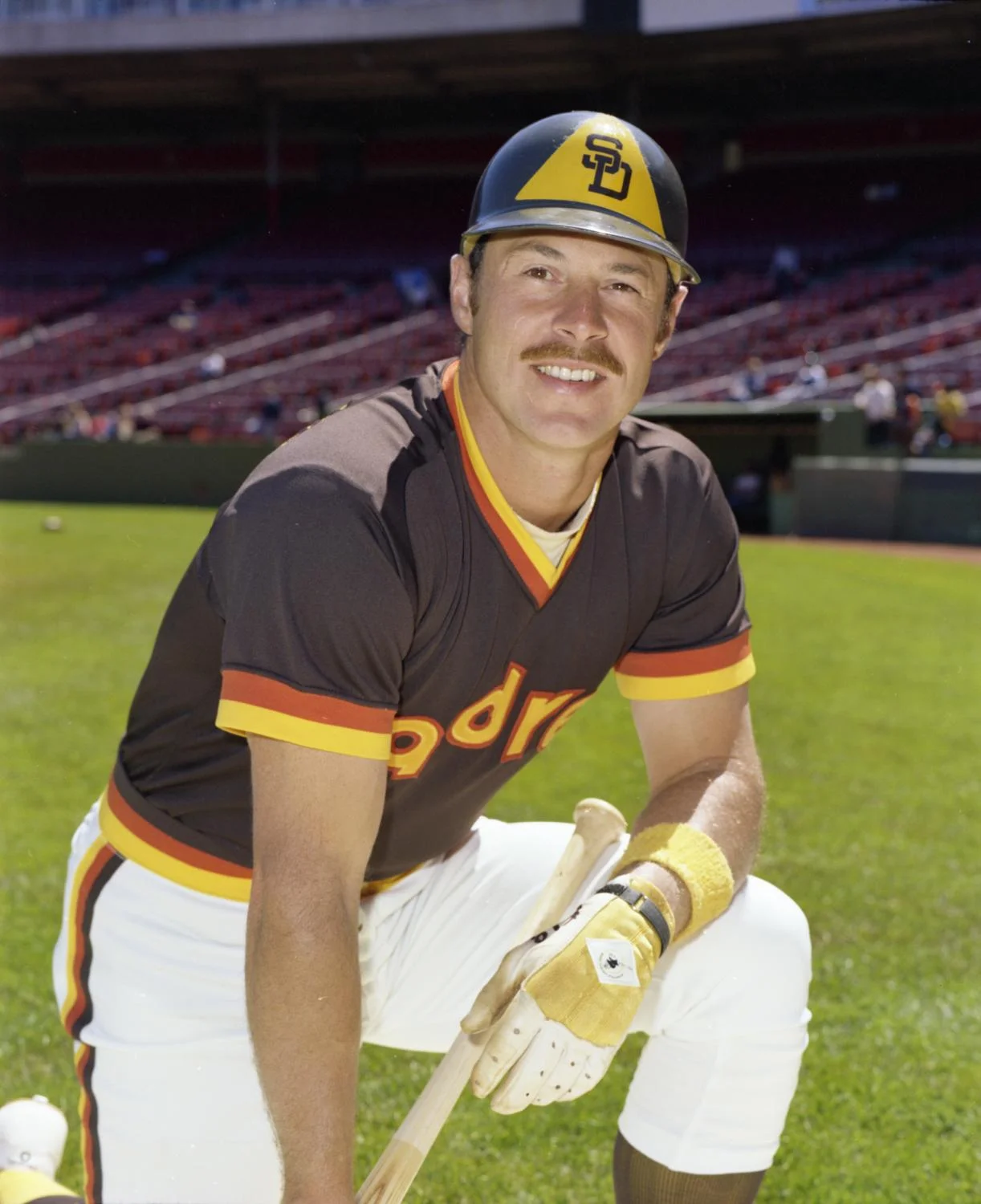
After the 1976 season, Tenace left Oakland and signed with the San Diego Padres as a free agent. His arrival in San Diego brought a veteran presence to a team that had struggled for most of its existence. While the Padres were not immediate contenders, Tenace continued to be a productive player. His time in San Diego further cemented his reputation as one of the best on-base threats in baseball. In 1977, he posted a career-high .415 on-base percentage while hitting 15 home runs and driving in 73 runs. His ability to get on base and provide power made him a valuable asset, even as the Padres remained a middle-of-the-pack team.
Following his tenure with the Padres, Tenace played brief stints with the St. Louis Cardinals and the Pittsburgh Pirates before retiring in 1983. His career numbers include a .241 batting average, 201 home runs, 674 RBIs, and an impressive .388 on-base percentage. While his batting average may not seem eye-catching, his on-base skills and power made him a far more valuable player than traditional statistics might suggest.
Beyond the numbers, Tenace’s impact on baseball extends to the way he approached hitting. He was one of the early adopters of a patient, walk-heavy approach that has since become a staple of modern analytics. In many ways, he was a precursor to the modern power-hitting catcher, a player who could change the game with both his bat and his ability to get on base. His approach to hitting, valuing walks as much as base hits, was ahead of its time and would have been even more highly regarded in today’s game, where on-base percentage is a key measure of offensive effectiveness.

After retiring as a player, Tenace remained involved in baseball as a coach and mentor. He served as a hitting coach for various teams and helped develop young hitters by emphasizing the importance of plate discipline and power. His influence on the game continued well beyond his playing days, as he helped shape a new generation of players who embraced the philosophy he had followed throughout his career.
Gene Tenace’s legacy in baseball is one of quiet excellence. He may not have had the flashiest career or the most eye-popping traditional statistics, but his contributions to championship teams, his ability to perform under pressure, and his revolutionary approach to hitting make him one of the most underrated players of his era. His impact is still felt in today’s game, where the value of getting on base and drawing walks is now fully recognized. Whether as a player, a coach, or a pioneer of modern hitting approaches, Gene Tenace remains an important figure in baseball history, a player whose contributions extend far beyond the numbers on a stat sheet.



 The Baseball Scholar
Leave a comment