
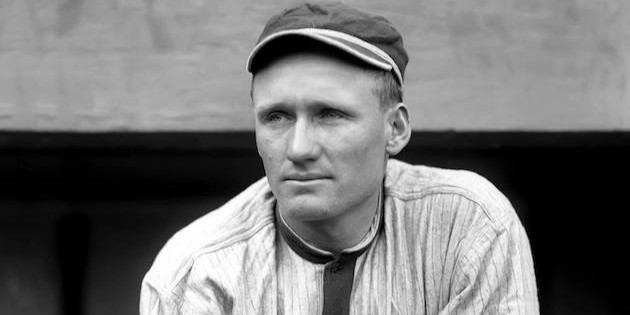
Sherry Magee was one of the most dynamic and productive players of the early 20th century, yet he remains somewhat overlooked in the annals of baseball history. A five-tool player before the term existed, Magee combined power, speed, batting ability, and defensive excellence to become one of the premier outfielders of his era. Over a career that spanned from 1904 to 1919, Magee played primarily for the Philadelphia Phillies, later spending time with the Boston Braves and Cincinnati Reds. Despite a career filled with personal and professional challenges, he left a lasting impact on the game with his offensive prowess and fierce competitive nature. His influence on baseball, particularly as one of the best hitters of the dead-ball era, deserves deeper exploration.
Born Sherwood Robert Magee on August 6, 1884, in Clarendon, Pennsylvania, Magee grew up in an era when baseball was rapidly becoming America’s favorite pastime. Little is known about his early childhood, but like many young boys at the time, he likely played baseball on sandlots and small fields, developing the skills that would eventually propel him to the major leagues. As a teenager, Magee played for various amateur teams in Pennsylvania, and his talent was undeniable. His raw power and natural ability to hit for both average and power caught the attention of professional scouts, leading to his signing with the Philadelphia Phillies in 1904 at just 19 years old.

Magee made his major league debut on June 29, 1904, and quickly demonstrated his potential. Though his rookie season was relatively unremarkable, he showed glimpses of the offensive prowess that would define his career. By 1905, Magee had secured a regular spot in the Phillies’ outfield, and from that point forward, he became one of the team’s most dangerous hitters. Playing during the dead-ball era—a time when runs were at a premium, and home runs were rare—Magee was an anomaly. He consistently ranked among the league leaders in extra-base hits, runs batted in (RBIs), and slugging percentage.
One of Magee’s defining characteristics was his ability to hit for both power and average. He led the National League in RBIs four times (1907, 1910, 1914, and 1918), a remarkable feat in an era dominated by small ball and slap hitters. His best offensive season came in 1910, when he won the NL batting title with a .331 average while also leading the league in RBIs (123), runs scored (110), on-base percentage (.445), and slugging percentage (.507). These numbers were staggering for the era and cemented Magee’s reputation as one of the most complete hitters of his time.
Magee’s ability to drive in runs was one of his most valuable assets. He finished his career with 1,176 RBIs, a total that places him among the all-time leaders for players of his generation. He also amassed 2,169 hits and scored 1,112 runs, further illustrating his offensive consistency. His career batting average of .291 is impressive given the low-offense era in which he played, and he remains one of the top run producers in National League history.
While Magee was primarily known for his bat, he was also an excellent baserunner. He stole 441 bases in his career, using a combination of speed and intelligence to be a constant threat on the basepaths. In 1906, he stole a career-high 55 bases, ranking among the league leaders. His ability to swipe bases made him even more valuable, as he could turn singles into scoring opportunities with his aggressive baserunning.
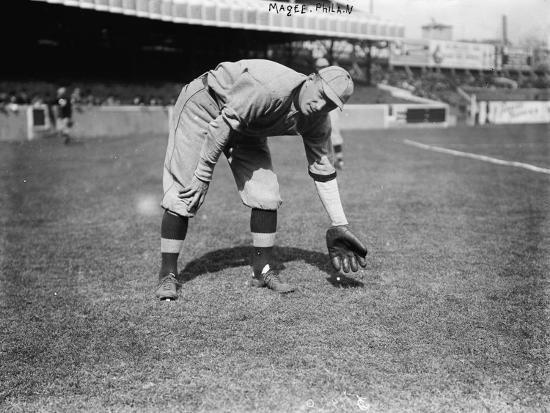
Defensively, Magee was a solid left fielder with a strong arm and good instincts. While defensive metrics from his era are limited, contemporary accounts describe him as a reliable and sometimes spectacular fielder. His all-around game made him one of the most valuable players in baseball, yet he often played in the shadow of more celebrated stars like Honus Wagner and Ty Cobb.
Despite his immense talent, Magee was known for his fiery temper, which sometimes got him into trouble. One infamous incident occurred in 1911 when he punched umpire Bill Finneran during a heated argument. The altercation resulted in a lengthy suspension and tarnished Magee’s reputation. While such an act would be unthinkable in today’s game, the dead-ball era was marked by rough play and intense rivalries, and Magee’s passion for the game sometimes boiled over.
Magee’s career was also marked by resilience. He endured several disappointing seasons with the Phillies, a team that often struggled to compete with the powerhouse clubs of the National League. Despite his individual excellence, Magee never won a championship with Philadelphia. Frustrated with the team’s lack of success, he was eventually traded to the Boston Braves before the 1915 season. The move was bittersweet, as the Phillies won the National League pennant that year without him.
Magee’s time with the Braves was relatively short-lived, as he struggled to replicate his Philadelphia success in Boston. He was later sold to the Cincinnati Reds in 1917, where he played out the final years of his career. While his production declined in his mid-30s, he still contributed as a veteran presence. In 1919, at age 35, Magee was part of the Reds team that won the World Series, though he did not play in the infamous series against the Chicago White Sox, later known as the “Black Sox” scandal. Despite not appearing in the World Series, he finally achieved the championship success that had eluded him in Philadelphia.
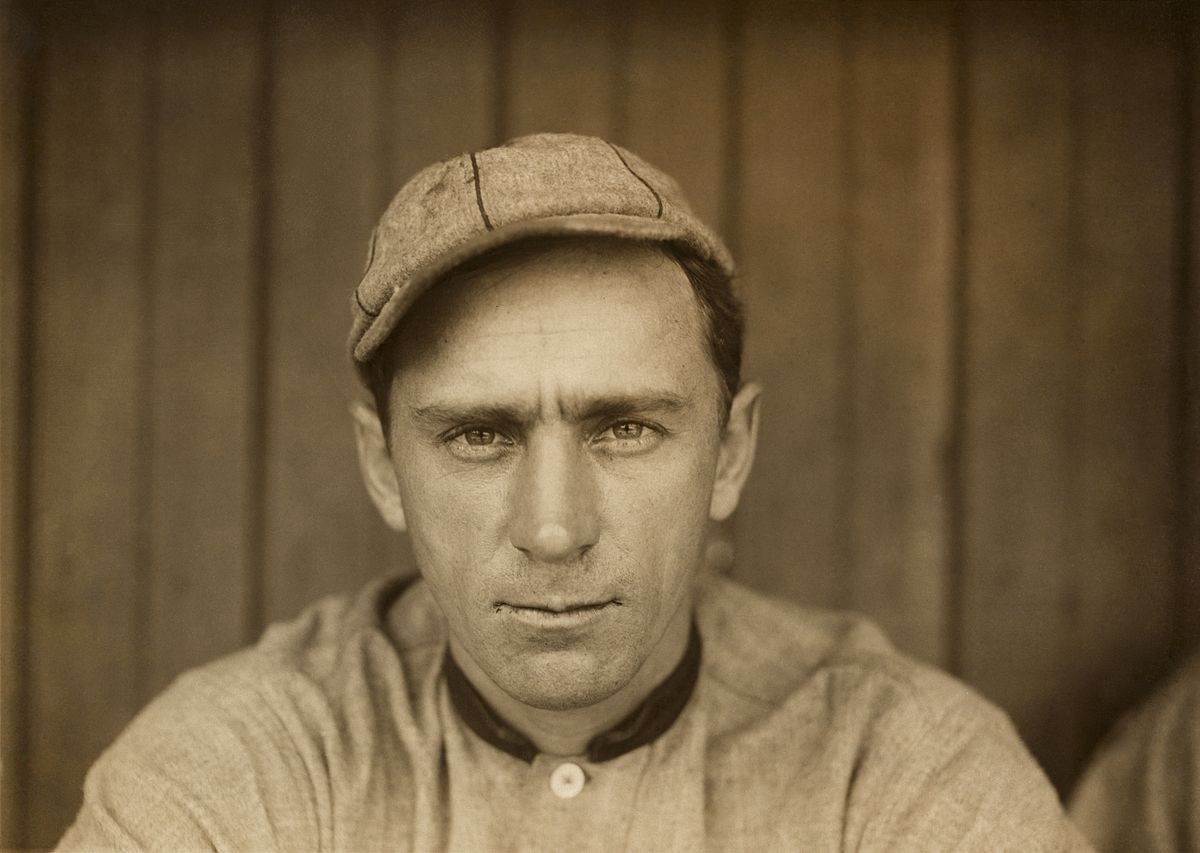
After retiring as a player following the 1919 season, Magee remained involved in baseball, working as a minor league umpire. Tragically, his life was cut short when he died suddenly from pneumonia in 1929 at just 44 years old. His untimely death meant that he never had the opportunity to see his legacy fully recognized by the baseball world.
While Magee was never inducted into the Baseball Hall of Fame, his career numbers suggest that he was one of the most underrated players of his time. He ranks among the top players of the dead-ball era in RBIs, extra-base hits, and stolen bases. His ability to excel in multiple facets of the game made him one of the premier players of the early 20th century, yet he remains largely overlooked in discussions of baseball’s greatest players.
Magee’s impact on the game extends beyond his statistics. He exemplified the rugged, hard-nosed style of play that defined baseball in the early 1900s. He was a player who could do it all—hit for power, hit for average, steal bases, and play solid defense. Few players of his era could match his all-around ability, and he paved the way for future generations of outfielders who sought to contribute in multiple ways.
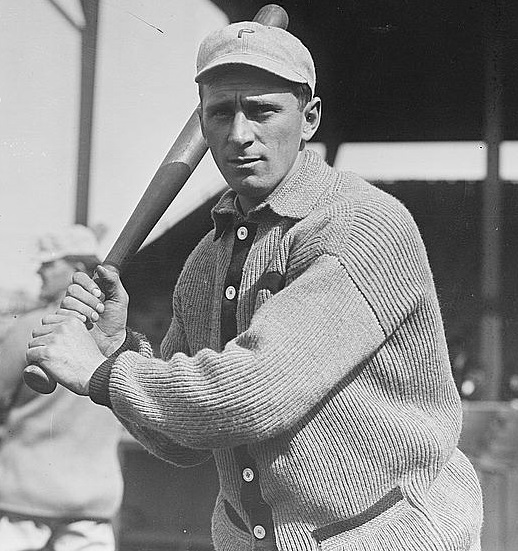
In examining Magee’s career, it becomes clear that he was one of the most complete players of his generation. His blend of offensive firepower and defensive reliability made him invaluable to his teams, and his passion for the game was evident in the way he played. While he may not have received the recognition of some of his more famous contemporaries, his contributions to the sport should not be forgotten.
Sherry Magee’s story is one of talent, determination, and resilience. He overcame adversity, excelled in an era dominated by pitching, and left an indelible mark on the game of baseball. Though he remains an overlooked figure in baseball history, his impact on the sport is undeniable. Magee’s career serves as a reminder of the many great players whose contributions have been overshadowed by time, but whose legacy deserves to be celebrated.



 The Baseball Scholar
Leave a comment