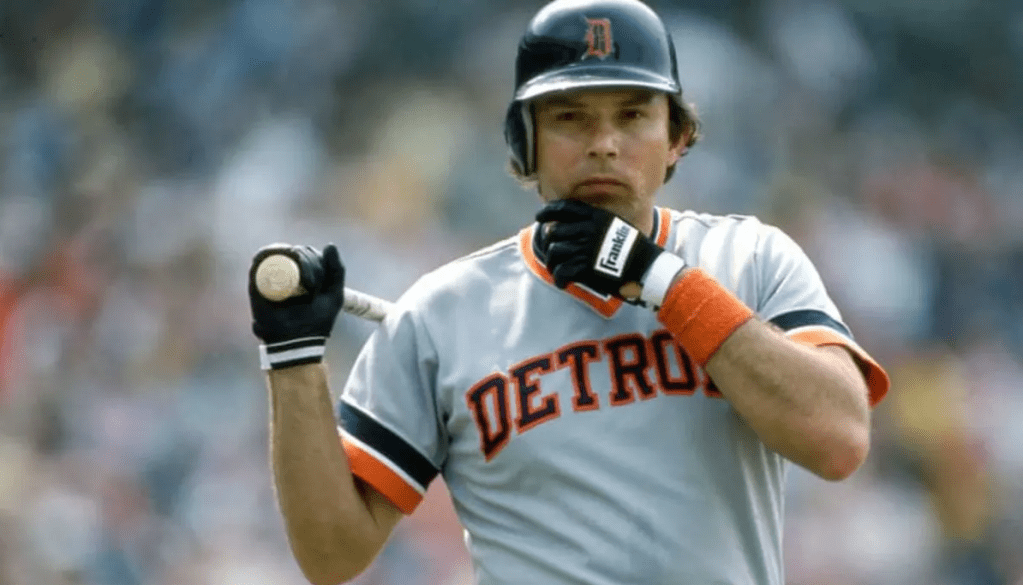
Darrell Evans was one of the most productive and durable players in Major League Baseball history, known for his power, patience at the plate, and steady defense at third base and first base. Over a career that spanned from 1969 to 1989, Evans carved out a unique and enduring legacy as a key figure in both the National League and American League. Though he may not have always garnered the recognition he deserved, his consistency and contributions to several teams, including the Atlanta Braves, Detroit Tigers, and San Francisco Giants, make him one of the most interesting players in MLB history.
Evans was born on May 26, 1947, in Pasadena, California. From an early age, he showed a natural talent for baseball and was encouraged by his family to pursue his passion. Evans was a standout athlete throughout his childhood, excelling not just in baseball but also in basketball and football. However, it was on the baseball diamond where his potential truly shined. He attended John Muir High School in Pasadena, where he earned a reputation as one of the top baseball prospects in the area. His exceptional skills and raw talent caught the attention of scouts, and by the time he graduated, he was drafted by the Atlanta Braves in the 14th round of the 1965 MLB Draft.
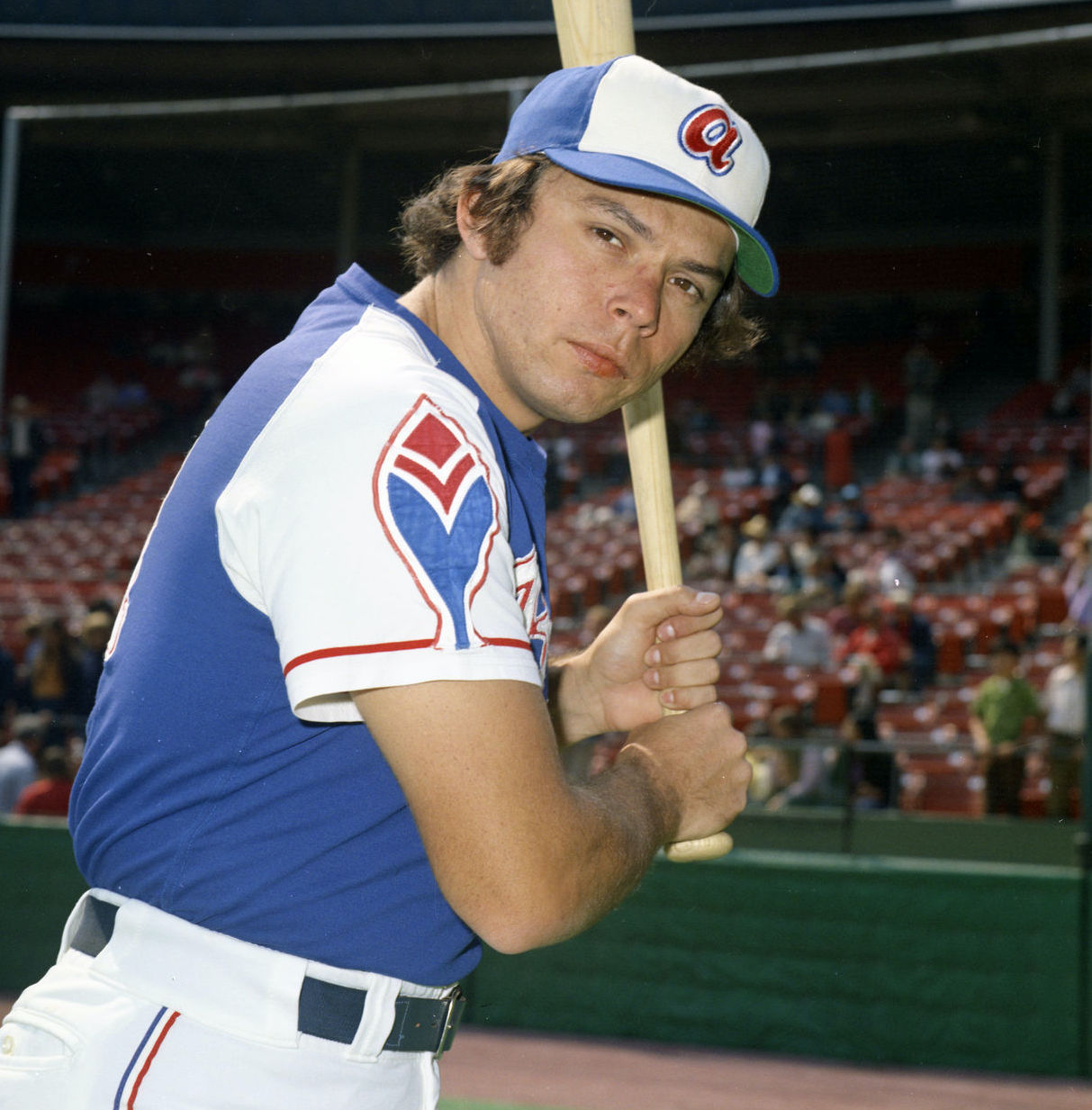
Though Evans was drafted as an infielder, he initially struggled to break into the Braves’ crowded major league roster. He spent several years in the minor leagues, working to develop his skills and make a name for himself. During his time in the minors, Evans refined his approach at the plate and developed his power-hitting ability. By 1969, after several seasons in the minors, Evans was called up to the Braves for the first time, making his MLB debut that year. In 37 games, he posted a solid .200 batting average with 4 home runs, and although he was still a raw talent, it was clear he had the tools to succeed.
Evans spent the following few seasons bouncing between the minors and the majors, struggling to find consistent playing time. However, by 1973, Evans had begun to show promise as a regular player for the Braves. He played both third base and first base, showing his versatility and defensive value. That season, Evans’ batting average hovered around .240, but he began to display his excellent power potential, hitting 16 home runs in 389 at-bats. His strong showing at the plate caught the attention of the Braves, and by 1974, Evans had earned a regular spot in the starting lineup.
The 1970s were a time of transformation for Evans, as he evolved into one of the most consistent power hitters in the National League. While he was never known for hitting for a high average, his ability to get on base and hit for power made him an important offensive force for the Braves. In 1973, Evans hit 16 home runs with 62 RBIs, marking his first significant season of power hitting. His performance helped the Braves remain competitive, but it was in 1974 that Evans truly came into his own as a slugger. That year, Evans increased his home run total to 22 while driving in 91 RBIs and maintaining a respectable .249 batting average.
One of Evans’ most impressive achievements during the 1970s was his combination of power and patience. He was one of the few players in the league to consistently walk more than he struck out. His ability to control the strike zone helped him compile impressive on-base percentages throughout his career. In 1974, Evans posted a .359 on-base percentage, which was a key factor in his ability to continue contributing offensively. His disciplined approach at the plate was a rare trait for a power hitter, and it set him apart from many of his contemporaries.
In 1975, Evans had one of the best seasons of his career, hitting .256 with 28 home runs, 89 RBIs, and a .356 on-base percentage. His continued ability to provide power and get on base was critical for the Braves, as they began to emerge as a more competitive team in the National League. Evans’ offensive production continued to be a steadying force for the Braves, and as the decade wore on, he became known for his consistent power numbers and ability to produce runs. Despite the Braves’ overall struggles as a team, Evans continued to put up solid individual seasons.
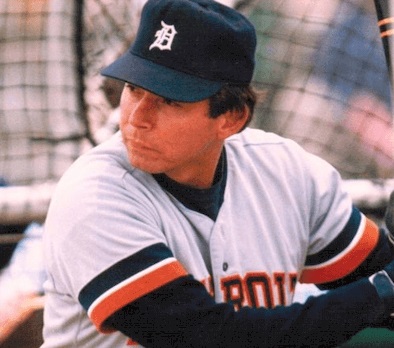
By 1980, Evans had moved on from the Braves and joined the Detroit Tigers, where his impact on the game began to take on a new dimension. Evans had long been known for his steady hitting and ability to get on base, but in Detroit, he had the opportunity to contribute to a team that was pushing for postseason success. His time with the Tigers marked the beginning of a new chapter in his career, one where he would continue to produce offensively while also providing leadership to a young and dynamic Tigers roster.
In 1982, Evans was an integral part of the Tigers’ success, hitting 26 home runs and driving in 99 RBIs. That season, Evans provided power and run production in the middle of the lineup, which helped the Tigers capture the American League East title. His .341 on-base percentage and consistent slugging percentage made him a vital contributor to the team’s success. Despite the Tigers falling short in the American League Championship Series (ALCS) that year, Evans’ offensive presence in the lineup was crucial. The following year, in 1983, Evans continued to be a steady force, hitting 30 home runs and driving in 98 RBIs.
Evans’ offensive consistency continued into the mid-1980s, but his impact was most strongly felt during the Tigers’ 1984 season. That year, Evans helped lead the Tigers to a World Series championship, their first in 16 years. His steady bat was a key part of the Tigers’ explosive lineup, which featured stars like Alan Trammell, Lou Whitaker, and Kirk Gibson. In the regular season, Evans hit 30 home runs and drove in 95 RBIs, maintaining his usual level of offensive production. He also posted a .373 on-base percentage, helping anchor the Tigers’ offense.
During the postseason, Evans delivered in crucial moments, showing his ability to perform under pressure. In the 1984 World Series, the Tigers faced off against the San Diego Padres, and Evans’ solid bat was a crucial element in the team’s offensive attack. While he did not hit any home runs in the World Series, Evans provided key RBIs and played solid defense at first base. The Tigers defeated the Padres in five games, and Evans’ leadership and steady production were integral to their championship run. After years of consistent but overlooked performances, Evans finally achieved the pinnacle of success that had eluded him for so long.
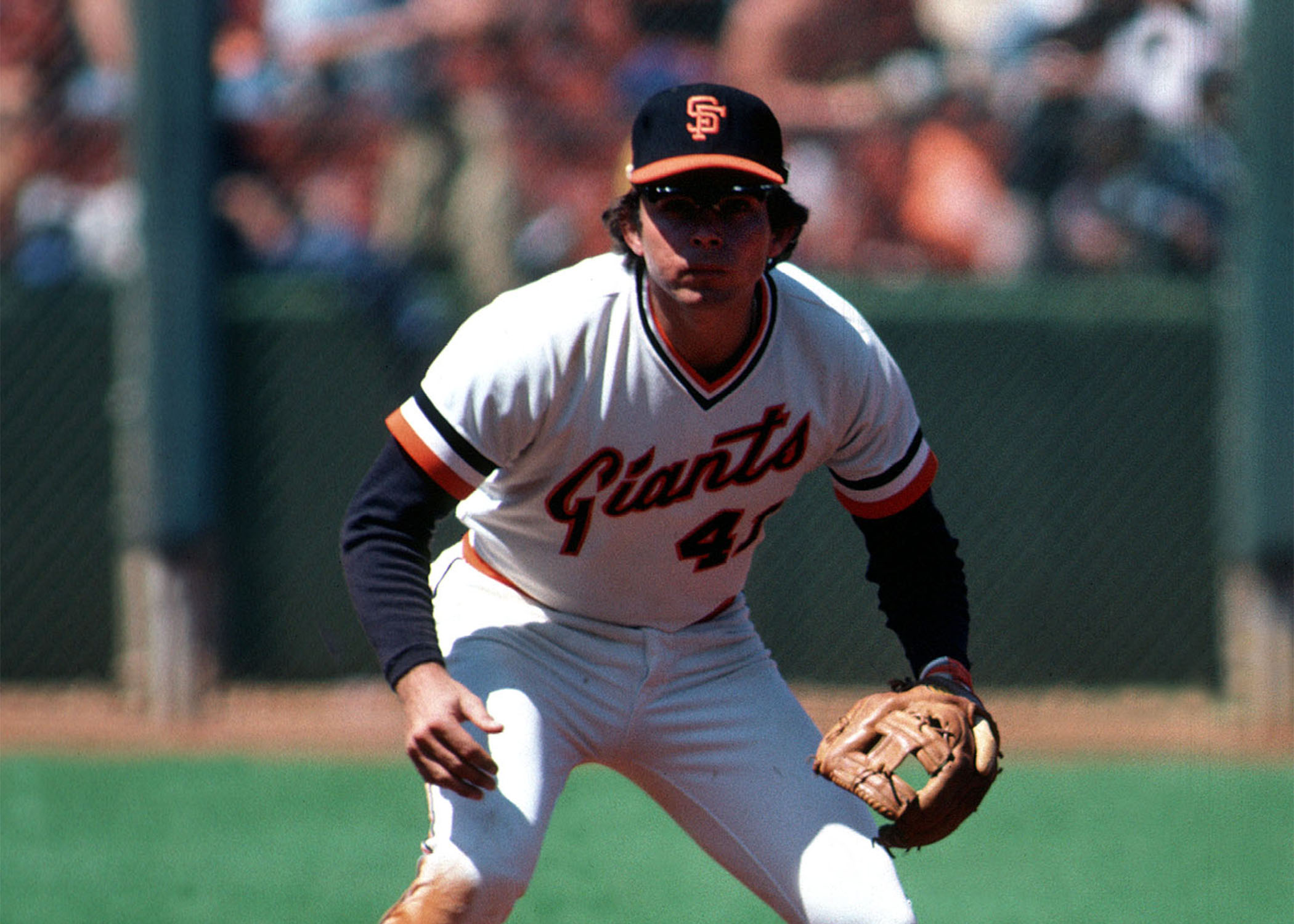
After the 1984 season, Evans continued to play for the Tigers until 1988, when he moved to the San Francisco Giants. He spent the final years of his career with the Giants, providing leadership and depth to a young team. His offensive numbers began to decline, but he remained a valuable presence in the clubhouse and a solid contributor on the field. He retired after the 1989 season, finishing his career with 414 home runs, 1,384 RBIs, and a .248 career batting average. His 1,546 walks ranked among the top in major league history, and his ability to control the strike zone was one of the defining aspects of his career.
Evans’ legacy in baseball is one of durability, consistency, and power. While he never achieved the fame of some of his contemporaries, his career was marked by steady offensive production and leadership. He was known for his quiet professionalism and his ability to play the game the right way. He never received the widespread recognition of some of the top stars of his era, but his impact on the teams he played for was significant. In particular, his leadership on the Tigers’ 1984 World Series-winning team solidified his place in baseball history.
One unique aspect of Evans’ career was his late-blooming power, especially as a hitter in his early 30s. His power numbers remained impressive well into his 30s, which was a rare feat for players at the time. He was one of the first players to demonstrate that hitters could continue to be productive power hitters well into their 30s, challenging the idea that hitters often decline in their 30s.
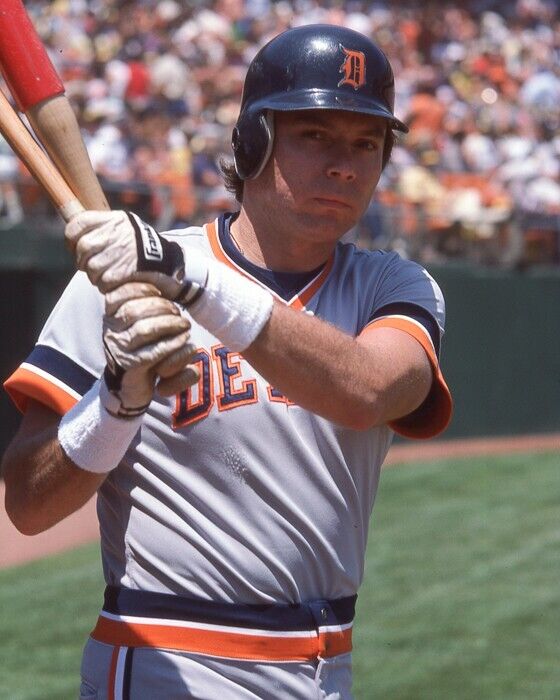
Evans’ career may not have been one filled with flashy moments or numerous individual accolades, but his consistency and steady production in the middle of the lineup had a lasting impact on baseball. He was one of the most consistent power hitters of his era, and his leadership played a key role in the success of the Tigers in the 1980s. Whether as a player for the Braves, Tigers, or Giants, Evans’ impact on the game was felt at every stop. While he may not have earned the same level of recognition as other players, his place in baseball history is secure, and his contributions to the game will not be forgotten.



 The Baseball Scholar
Leave a comment