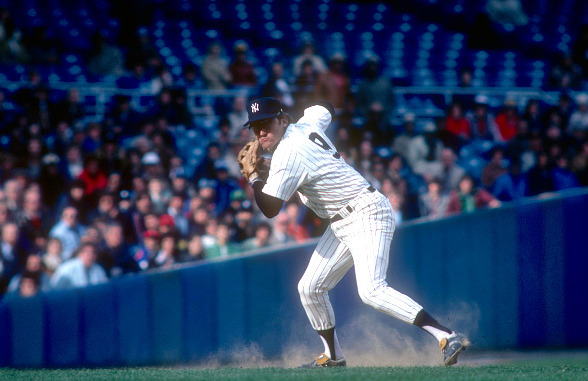
Graig Nettles, one of the most accomplished and respected third basemen in Major League Baseball history, built a career that was defined by his stellar defense, power-hitting, leadership, and ability to perform in the biggest moments. Over 22 seasons in the major leagues, Nettles established himself as one of the premier third basemen of his era, primarily with the New York Yankees, where he played a key role in multiple World Series championship teams. His defensive prowess, coupled with his ability to hit for power, made him an invaluable asset to every team he played for, and his leadership in the Yankees’ clubhouse helped guide the team through one of its most successful yet tumultuous periods in franchise history. His career statistics, impact on the game, and memorable performances in postseason play solidified his place as one of baseball’s greats, though he has remained on the fringes of Hall of Fame discussions.
Born on August 20, 1944, in San Diego, California, Graig Nettles grew up with a natural passion for baseball. He developed his skills early and excelled in high school, earning attention for his defensive ability and bat speed. After high school, Nettles attended San Diego State University, where he played college baseball and refined his skills as a third baseman. His ability to hit for power while playing stellar defense made him an intriguing prospect, and in 1965, he was selected by the Minnesota Twins in the fourth round of the Major League Baseball Draft.
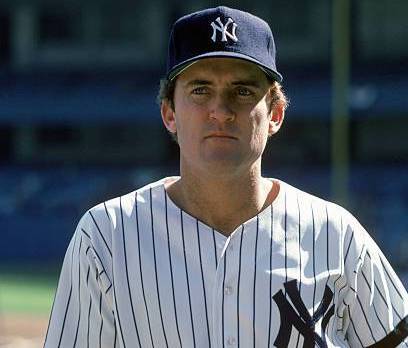
Nettles made his major league debut with the Twins in 1967 at the age of 23. Early in his career, he struggled to find regular playing time on a team that already had established infielders. He was initially used as a utility player, gaining experience at multiple positions before finally settling in at third base. During his brief stint with the Twins, he displayed flashes of his defensive brilliance and power-hitting ability, but he was ultimately traded to the Cleveland Indians before the 1970 season.
It was in Cleveland that Nettles first became an everyday player and started to show the potential that would later define his career. In his first full season with the Indians in 1970, he hit 26 home runs and drove in 86 runs while playing outstanding defense at third base. The following year, he improved upon his performance, blasting 28 home runs and establishing himself as one of the premier power hitters at his position. His range and arm strength at third base were also among the best in the league, as he regularly made difficult plays look effortless.
Despite his individual success, the Indians were struggling as a franchise, and in 1972, they traded Nettles to the New York Yankees in a blockbuster deal. This move would change the trajectory of his career, as he became a cornerstone of one of the most dominant teams of the late 1970s. His arrival in New York coincided with the team’s resurgence under owner George Steinbrenner, who was determined to restore the Yankees to their former glory.
Nettles quickly became one of the most important players on the Yankees, thanks to his combination of power, defense, and leadership. He immediately brought stability to the third base position, which had been a weakness for the team in previous years. His impact was felt not only on the field but also in the clubhouse, where he provided a steady presence during a period of high expectations and intense media scrutiny.

During his time with the Yankees, Nettles was a key contributor to the team’s back-to-back World Series championships in 1977 and 1978. In 1977, he had one of the best seasons of his career, hitting 37 home runs, driving in 107 runs, and playing exceptional defense. He finished fifth in the American League MVP voting, demonstrating his all-around value to the team. His power bat provided much-needed run production, and his ability to come through in clutch situations made him a fan favorite.
Perhaps the most defining moment of Nettles’ career came in the 1978 World Series against the Los Angeles Dodgers. In Game 3 of the series, Nettles put on one of the greatest defensive performances in postseason history. With the Yankees leading the series 1-1, the Dodgers repeatedly tested Nettles at third base, and he responded by making a series of spectacular diving stops and critical plays that prevented Los Angeles from scoring multiple runs. His defensive heroics saved the game for the Yankees and shifted the momentum of the series, which New York ultimately won in six games. His performance in that series is still remembered as one of the most impactful defensive displays in World Series history, solidifying his reputation as one of the best defensive third basemen of all time.
In addition to his defensive excellence, Nettles remained a consistent power hitter throughout his tenure with the Yankees. From 1976 to 1980, he hit 20 or more home runs each season, providing steady offensive production for a team loaded with talent. His leadership was also critical during the tumultuous “Bronx Zoo” years, when the Yankees’ clubhouse was often filled with drama and tension, particularly between manager Billy Martin, star slugger Reggie Jackson, and owner George Steinbrenner. Nettles often served as a calming influence, helping to keep the team focused on winning despite the distractions.
As the 1980s progressed, Nettles’ offensive production began to decline slightly, but he remained a valuable contributor. In 1983, he was named team captain of the Yankees, a testament to his leadership and respect within the organization. However, in 1984, the Yankees traded him to the San Diego Padres, marking the end of his time in New York. The move was bittersweet for Nettles, but it allowed him to return to his hometown of San Diego and contribute to another successful team.

With the Padres, Nettles played a key role in helping the franchise reach its first-ever World Series in 1984. Although the Padres ultimately lost to the Detroit Tigers, Nettles’ veteran leadership and postseason experience were invaluable to the team. He continued to play for the Padres until 1986 before finishing his career with brief stints with the Atlanta Braves and Montreal Expos.
Over the course of his 22-year career, Nettles accumulated 2,225 hits, 390 home runs, and 1,314 RBIs while maintaining a .248 career batting average. While his batting average was not as high as some of his contemporaries, his combination of power, defense, and leadership made him one of the most valuable third basemen of his era. His six All-Star selections, two Gold Glove Awards, and multiple postseason heroics further underscored his greatness.
Despite his impressive resume, Nettles has not been inducted into the Baseball Hall of Fame, a fact that continues to be a topic of debate among baseball historians and fans. Many argue that his contributions to multiple championship teams, his outstanding defense, and his longevity in the game warrant enshrinement. His impact on the Yankees and the game of baseball as a whole cannot be understated, and his legacy remains strong even without Hall of Fame recognition.
After retiring from baseball, Nettles remained involved in the game, working as a coach and occasionally making appearances at Yankees alumni events. His influence on younger players, particularly those who aspired to play third base, has been significant, as he set a standard for defensive excellence that few have matched.
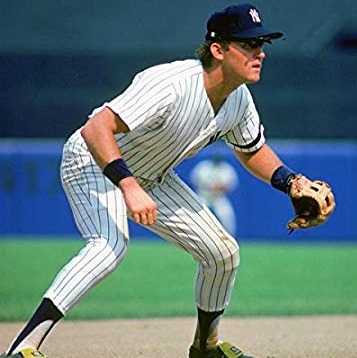
Graig Nettles’ career was defined by his ability to rise to the occasion in the biggest moments. Whether it was his game-saving defensive plays in the World Series, his consistent power hitting, or his leadership during the Yankees’ most chaotic years, he left an enduring mark on the game. His name remains synonymous with defensive brilliance, and his contributions to the sport continue to be appreciated by those who recognize the true value of a player who could impact the game in so many ways.



 The Baseball Scholar
Leave a comment