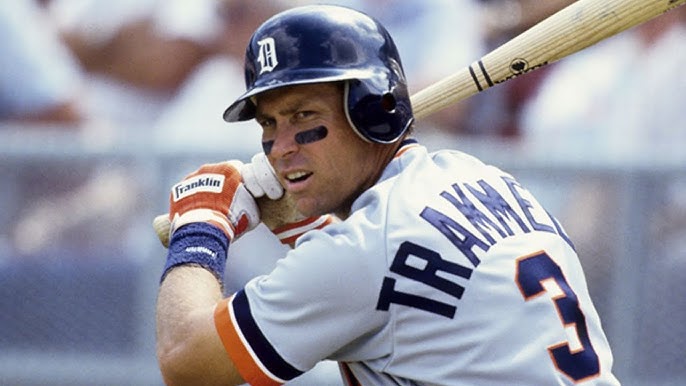
Alan Trammell is one of the most distinguished shortstops in the history of Major League Baseball (MLB), whose career exemplifies consistency, leadership, and excellence. A lifelong Detroit Tiger, Trammell’s career spanned two decades, and he became a cornerstone of the franchise during his time in the league. Known for his steady bat, exceptional defensive skills, and clutch performances, Trammell remains a beloved figure in baseball lore. This essay delves into the remarkable career of Alan Trammell, exploring his early life and development, statistical achievements, moments of dominance, and his lasting impact on baseball. Additionally, we will highlight the unique aspects of his career that solidify his place among the greats of the game.
Alan Stuart Trammell was born on February 21, 1958, in Garden Grove, California. Growing up in Southern California, Trammell was immersed in sports from an early age. Baseball quickly became his passion, and his natural talent was evident even as a child. He attended Kearny High School in San Diego, where he excelled as both a hitter and a fielder. His skill set drew the attention of scouts, and in 1976, the Detroit Tigers selected Trammell in the second round of the MLB draft.

Trammell’s ascent through the minor leagues was swift. He showcased a combination of offensive potential and defensive prowess that made him one of the most promising young players in the Tigers’ system. By 1977, just a year after being drafted, Trammell made his MLB debut at the age of 19. Though his initial contributions were modest, he quickly demonstrated the tools that would make him an elite player.
Trammell became the Tigers’ regular shortstop in 1978, marking the beginning of a long and storied career with the franchise. While his rookie season was primarily one of adjustment, it was clear that Trammell possessed an innate ability to read the game, both as a hitter and as a defender. His partnership with second baseman Lou Whitaker also began that season, forming one of the most iconic double-play combinations in MLB history.
By the early 1980s, Trammell had established himself as one of the premier shortstops in the league. In 1980, he batted .300 for the first time in his career, finishing the season with a .300 batting average, 36 RBIs, and 12 stolen bases. This marked the beginning of Trammell’s emergence as an offensive force, as he consistently improved his on-base percentage, contact hitting, and base-running skills.
One of the unique aspects of Trammell’s early career was his ability to combine exceptional defensive play with offensive production, a combination that was not as common among shortstops at the time. His range, quick reflexes, and strong throwing arm made him a reliable presence at shortstop, while his consistent bat added value to the Tigers’ lineup.
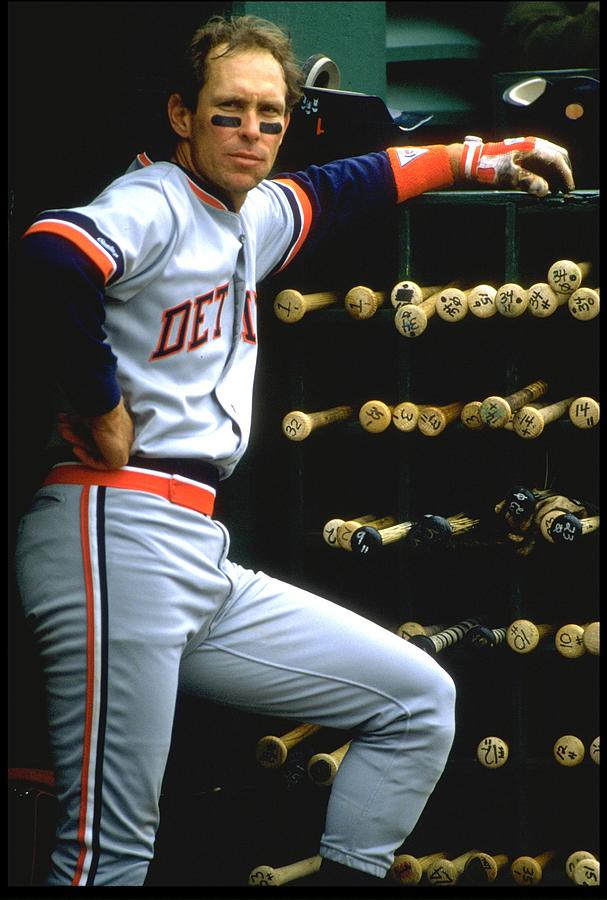
The defining moment of Alan Trammell’s career came in 1984, a season that saw the Detroit Tigers dominate MLB from start to finish. The Tigers began the season with a historic 35-5 start, and Trammell was a key contributor to their success. That year, he batted .314 with 14 home runs, 69 RBIs, and a .382 on-base percentage. His combination of contact hitting, power, and defensive excellence earned him his first All-Star selection and a Gold Glove Award.
The 1984 postseason showcased Trammell at his very best. In the American League Championship Series (ALCS) against the Kansas City Royals, Trammell hit .364, helping the Tigers sweep the series and advance to the World Series. In the Fall Classic, Trammell’s performance was nothing short of legendary. Facing the San Diego Padres, he batted .450 with two home runs and six RBIs over five games. Both of his home runs came in Game 4, a pivotal moment that helped the Tigers secure a commanding 3-1 series lead.
Trammell’s contributions earned him the World Series Most Valuable Player (MVP) award, cementing his status as one of the game’s elite players. The Tigers’ victory in the 1984 World Series remains one of the most celebrated moments in franchise history, and Trammell’s heroics played a central role in that success.
Over the course of his 20-year MLB career, Alan Trammell compiled a remarkable statistical record that reflects his consistency and excellence. He retired with a .285 career batting average, 2,365 hits, 185 home runs, 1,003 RBIs, and 1,231 runs scored. His .352 on-base percentage and .415 slugging percentage highlight his ability to combine contact hitting with occasional power.

Trammell’s defensive numbers are equally impressive. He recorded a career .977 fielding percentage as a shortstop, a testament to his reliability and precision in the field. He was a six-time All-Star, a four-time Gold Glove Award winner, and a three-time Silver Slugger Award recipient. These accolades underscore his status as one of the most well-rounded players of his era.
One of Trammell’s most notable statistical achievements was his performance during the 1987 season. That year, he posted career highs in nearly every offensive category, batting .343 with 28 home runs, 105 RBIs, and a .953 OPS. His contributions helped the Tigers win the American League East title, and he finished second in the American League MVP voting, narrowly losing to George Bell of the Toronto Blue Jays.
Alan Trammell’s career is filled with moments of brilliance that highlight his impact on the game. In addition to his heroics in the 1984 World Series, Trammell consistently delivered in clutch situations throughout his career. He was known for his ability to perform under pressure, often coming through with key hits or defensive plays in critical moments.
One such moment came on August 3, 1987, when Trammell hit two home runs in a game against the New York Yankees. His offensive outburst helped the Tigers secure a crucial victory during their pennant race that year. This performance was emblematic of Trammell’s ability to rise to the occasion when his team needed him most.
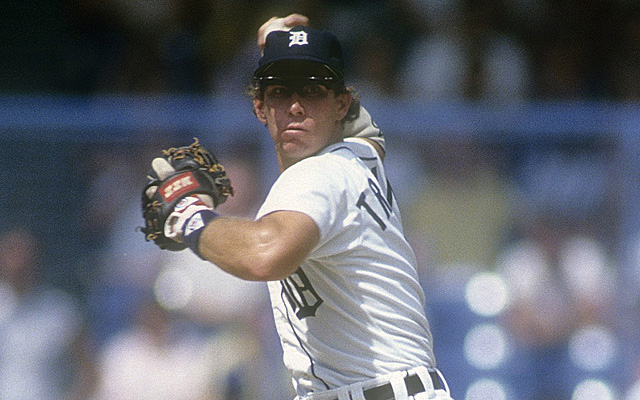
Trammell’s partnership with Lou Whitaker is another defining aspect of his career. The duo played together for 19 seasons, setting an MLB record for the longest-running double-play combination in history. Their chemistry on the field was unparalleled, and they became synonymous with the Detroit Tigers during their era. The pair’s consistency and teamwork were a cornerstone of the Tigers’ success, and their legacy endures as one of the greatest duos in baseball history.
Alan Trammell’s impact on baseball extends beyond his individual achievements. He was a role model for professionalism, dedication, and sportsmanship, qualities that earned him the respect of teammates, opponents, and fans alike. Trammell’s ability to excel in both the offensive and defensive aspects of the game helped redefine the shortstop position, setting a standard for future generations of players.
Trammell’s contributions to the Tigers organization were recognized when he was named team captain in the latter part of his career. His leadership and mentorship of younger players were invaluable, and he continued to serve as an ambassador for the game after his retirement.
In 2018, Trammell was inducted into the National Baseball Hall of Fame by the Modern Baseball Era Committee, a long-overdue recognition of his contributions to the sport. His induction was celebrated by fans and players alike, cementing his place among the all-time greats of baseball.
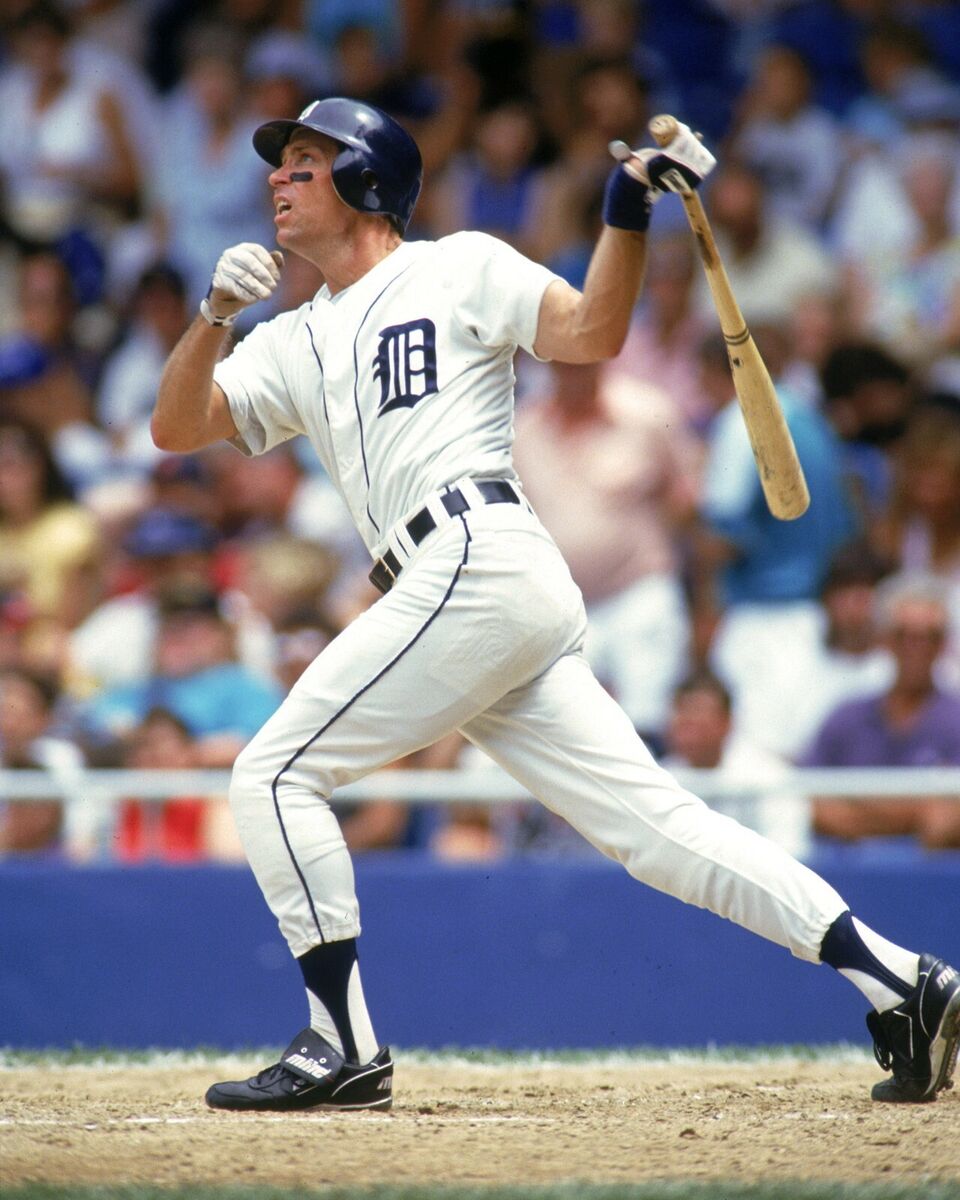
One unique aspect of Alan Trammell’s career is his longevity with a single franchise. Spending his entire career with the Detroit Tigers, Trammell became synonymous with the team and its identity. This loyalty and consistency are rare in modern baseball, where free agency and trades often lead players to multiple teams.
Another distinctive feature of Trammell’s career is his postseason success. While some players struggle under the pressure of October baseball, Trammell thrived, delivering some of the most memorable performances in Tigers history. His ability to elevate his game in crucial moments is a testament to his mental toughness and competitive spirit.
Alan Trammell’s career is a shining example of excellence, consistency, and leadership in Major League Baseball. From his early days as a promising young shortstop to his legendary performance in the 1984 World Series, Trammell’s contributions to the game are immeasurable. His statistical achievements, defensive brilliance, and impact on the Detroit Tigers and the sport as a whole ensure his legacy will endure for generations.
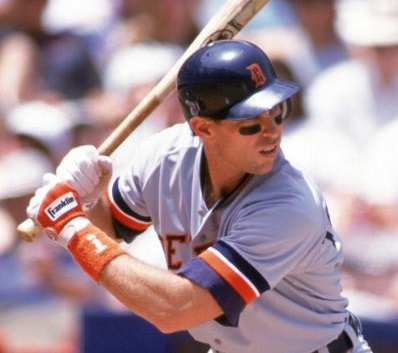
As one of the most well-rounded players of his era, Trammell redefined what it meant to be a shortstop, paving the way for future stars to follow in his footsteps. His induction into the Hall of Fame is a fitting tribute to a career that exemplified the very best of baseball. Alan Trammell’s story is one of dedication, perseverance, and greatness—a true testament to the enduring power of America’s pastime.




 The Baseball Scholar
Leave a reply to 1980s All-Decade Team – The Baseball Scholar Cancel reply