
Reggie Smith is one of the most underrated players in Major League Baseball history, a dynamic switch-hitting outfielder and first baseman whose career spanned nearly two decades. Known for his consistent offensive production, outstanding defense, and versatility on the field, Smith played an instrumental role on several teams during his tenure in MLB. Despite not always receiving the widespread recognition of some of his contemporaries, Smith’s career numbers and contributions to the game of baseball place him among the most respected players of his era.
Carl Reginald Smith was born on April 2, 1945, in Shreveport, Louisiana, and grew up in Los Angeles, California. From a young age, Smith displayed a natural talent for athletics, particularly baseball. He honed his skills in the sandlots of Los Angeles, playing against some of the best young talent in the area. Smith attended Centennial High School in Compton, where he further showcased his abilities, excelling both offensively and defensively.
Smith’s upbringing in Los Angeles during the civil rights movement of the 1950s and 1960s undoubtedly shaped his perspective on life and baseball. His experiences as a Black player in a time of significant social and racial upheaval influenced the way he approached the game and his interactions with teammates, fans, and the media. This backdrop set the stage for a professional career that would see him thrive in challenging environments.
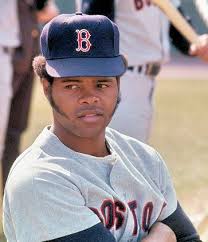
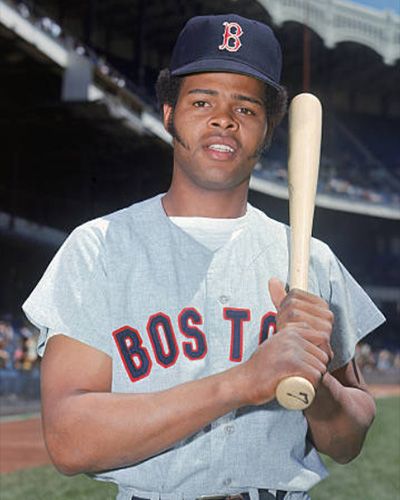
Smith signed with the Boston Red Sox in 1963 at the age of 18. His journey through the minor leagues was marked by steady progress, as he showcased a combination of power, speed, and defensive prowess. By the time he made his major league debut in 1966, Smith was regarded as one of the most promising young players in the Red Sox organization.
Smith made his MLB debut with the Boston Red Sox on September 18, 1966. In his brief stint with the team that year, he gave a glimpse of his potential. The following season, in 1967, Smith became a key player for the Red Sox during their “Impossible Dream” season, a year in which the team experienced a dramatic turnaround and reached the World Series.
As the team’s starting center fielder, Smith played a crucial role in Boston’s success. He batted .246 with 15 home runs, 61 RBIs, and 16 stolen bases during the regular season. Though his batting average may not have been extraordinary, Smith’s ability to switch-hit and provide solid defense in center field made him an invaluable asset. In the World Series against the St. Louis Cardinals, Smith batted .250 and contributed both offensively and defensively, though the Red Sox ultimately fell short in seven games.
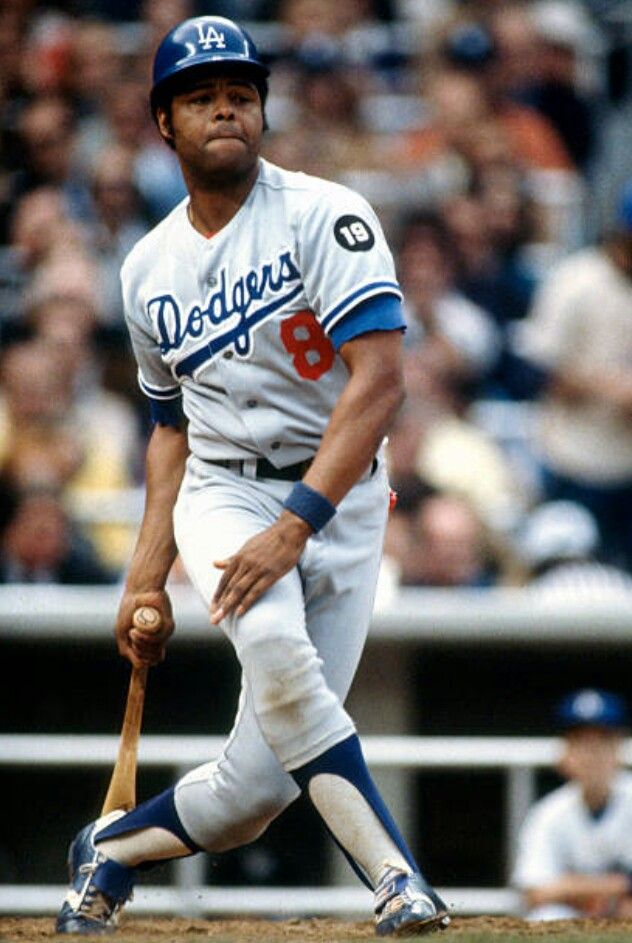
Over the next several seasons, Smith continued to develop into one of the most well-rounded players in the league. He improved his batting average, on-base percentage, and slugging percentage while maintaining his reputation as an elite defensive outfielder. In 1970, Smith enjoyed a breakout season, batting .303 with 22 home runs, 94 RBIs, and a .370 on-base percentage. His performance earned him his first All-Star selection and solidified his status as one of the premier outfielders in the game.
In 1973, after seven seasons with the Red Sox, Smith was traded to the St. Louis Cardinals in a deal that marked a turning point in his career. The trade provided Smith with a fresh start and an opportunity to further showcase his skills. With the Cardinals, Smith continued to thrive as a switch-hitter and versatile outfielder. In his first season with the team, he batted .303 with 19 home runs, 81 RBIs, and a career-high 24 stolen bases.
Smith’s tenure in St. Louis was marked by consistency and excellence. He became known for his ability to hit for both power and average, as well as his exceptional defensive range and arm strength. Smith was a complete player, capable of impacting the game in multiple ways. His time with the Cardinals also allowed him to develop as a leader, both on and off the field.
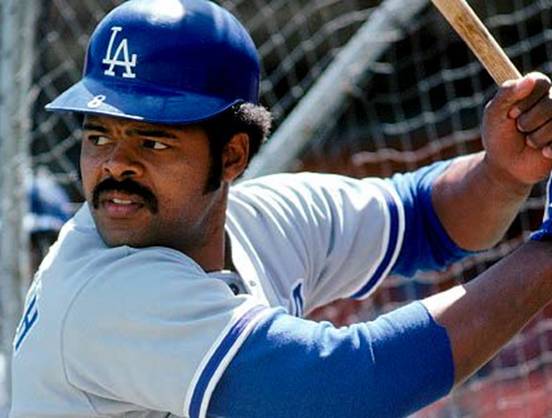
In 1976, Smith was traded to the Los Angeles Dodgers, a move that reunited him with his hometown and marked the next chapter in his career. Smith quickly became an integral part of the Dodgers’ lineup, providing a potent bat and veteran leadership. His impact was immediate, as he helped the team reach the postseason in 1977, 1978, and 1981.

During his time with the Dodgers, Smith was part of a lineup that included other stars such as Steve Garvey, Ron Cey, and Dusty Baker. Together, they formed one of the most formidable offenses in the National League. Smith’s ability to deliver in clutch situations and his postseason experience proved invaluable.
In 1981, Smith played a key role in the Dodgers’ World Series championship run. Although injuries limited his playing time that season, Smith’s leadership and veteran presence were instrumental in guiding the team to victory. The Dodgers defeated the New York Yankees in six games to capture their first World Series title since 1965, and Smith’s contributions to the team’s success were widely recognized.
Reggie Smith’s career statistics reflect his status as one of the most consistent and productive players of his era. Over 17 seasons in MLB, Smith posted a .287 batting average, 314 home runs, 1,092 RBIs, and 1,123 runs scored. He also recorded a .366 on-base percentage and a .489 slugging percentage, underscoring his ability to combine power with plate discipline.
Smith was a seven-time All-Star and won a Gold Glove Award in 1968, highlighting his defensive excellence. He finished in the top 10 of MVP voting four times, demonstrating his value as a cornerstone player for multiple teams. Smith’s versatility as a switch-hitter made him a matchup nightmare for opposing pitchers, and his ability to excel in both the American and National Leagues further cemented his legacy.
Reggie Smith’s impact on baseball extends beyond his impressive statistics. He was a trailblazer in many respects, navigating the challenges of being a Black player in an era when racial tensions were still prevalent in the sport. Smith handled these challenges with dignity and professionalism, earning the respect of teammates, opponents, and fans alike.
Smith’s influence is also evident in his contributions to the teams he played for. Whether it was his leadership on the field, his ability to deliver in clutch situations, or his mentorship of younger players, Smith made a lasting impact wherever he went. His role in helping the Dodgers win the 1981 World Series remains one of the defining moments of his career.
One unique aspect of Reggie Smith’s career is his success as a switch-hitter. Smith’s ability to hit for power and average from both sides of the plate made him one of the most dangerous hitters of his generation. Few players in MLB history have possessed the combination of skills that Smith brought to the table.
Another notable aspect of Smith’s career is his consistency. From his early days with the Red Sox to his championship years with the Dodgers, Smith was a reliable performer who could be counted on to produce year after year. His versatility, both offensively and defensively, set him apart from many of his contemporaries.
After retiring as a player, Smith remained involved in baseball as a coach and mentor. He worked as a hitting instructor for several teams, including the Dodgers and the U.S. national team. Smith’s expertise and ability to communicate with players made him a valuable asset in these roles.
Smith’s contributions to the game have been recognized through various honors, including his induction into the Boston Red Sox Hall of Fame. While he has not yet been inducted into the National Baseball Hall of Fame, his career achievements and impact on the game make him a compelling candidate for future consideration.
Reggie Smith’s MLB career is a testament to his talent, versatility, and resilience. As a switch-hitting outfielder and first baseman, he excelled in all facets of the game, earning a place among the most respected players of his era. Smith’s journey from the sandlots of Los Angeles to the bright lights of Fenway Park, Busch Stadium, and Dodger Stadium is a story of perseverance and excellence.
While Smith may not always receive the same recognition as some of his peers, his contributions to the game of baseball are undeniable. His statistical achievements, leadership, and impact on multiple teams ensure that his legacy will endure for generations to come. Reggie Smith remains a shining example of what it means to be a complete player and a true ambassador of the sport.




 The Baseball Scholar
Leave a reply to Anonymous Cancel reply