
Gary Sheffield is one of the most electrifying and controversial players in the history of Major League Baseball (MLB). A career that spanned over two decades, Sheffield’s time in the league was marked by his combination of raw power, a distinctive and unique batting stance, and a presence on the field that could not be ignored. Known for his ability to hit the ball out of the park with ease, Sheffield brought both talent and a swagger to the game.
Gary Antonian Sheffield was born on November 18, 1968, in Tampa, Florida. He grew up in a neighborhood where baseball was a common passion, and from an early age, Sheffield showed a natural aptitude for the sport. Raised by his mother, a single parent, Sheffield’s early life was marked by struggle, but baseball offered him a sense of hope and purpose. His uncle, Dwight Gooden, who went on to become one of the most celebrated pitchers in MLB history, was a major influence on Sheffield, not just as a role model, but also as someone who helped guide his development.
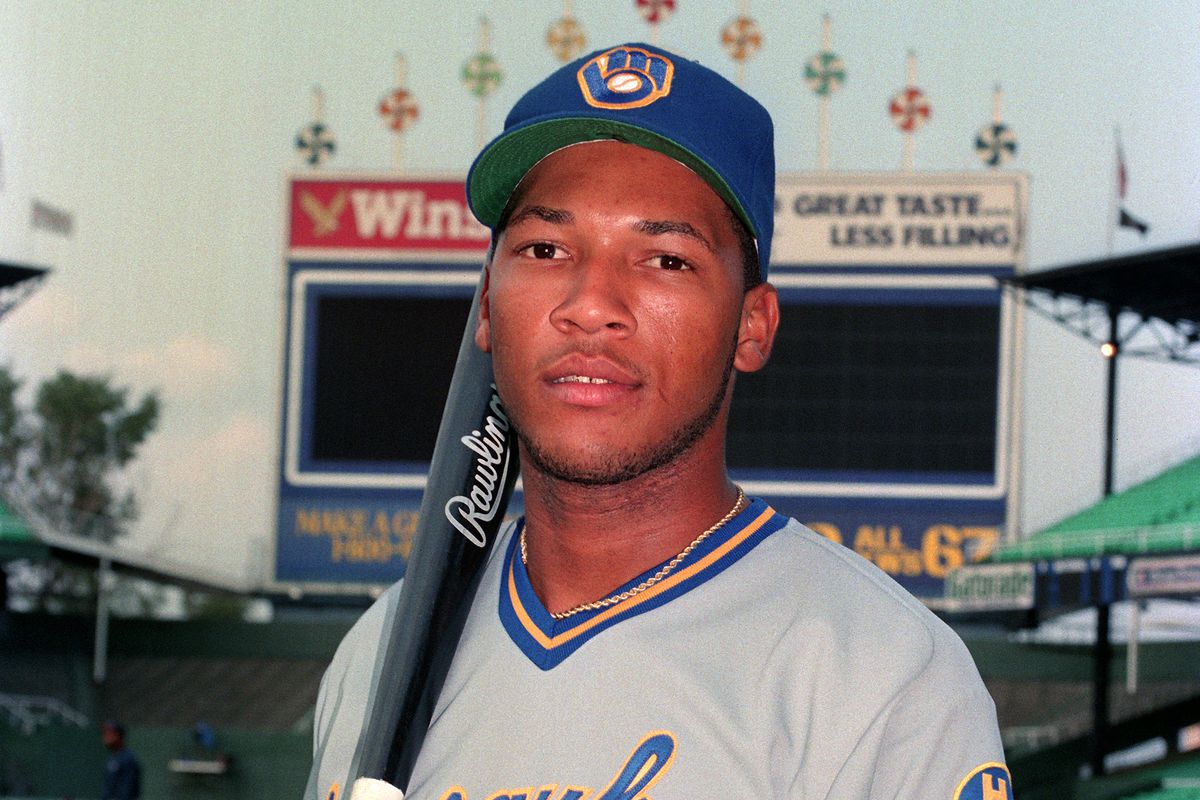
Sheffield attended Hillsborough High School in Tampa, where he was recognized as one of the most talented players in the state. He stood out on the baseball field as a young prospect, showcasing a rare combination of power and speed, which led scouts to view him as a top-tier talent. In 1986, he was drafted by the Milwaukee Brewers in the first round of the MLB Draft as the sixth overall pick. This marked the beginning of what would become an illustrious career in baseball.
At the time of his draft, Sheffield was known for his explosive bat speed and strong arm, and he quickly made an impression in the minor leagues. His defensive ability was solid, but it was his bat that made him stand out. After just a few years in the minors, Sheffield made his MLB debut with the Brewers on August 23, 1988, at the age of 19. Although his first few seasons were a learning experience, Sheffield’s potential was undeniable.
Sheffield’s early years with the Milwaukee Brewers were marked by a mixture of flashes of brilliance and growing pains. In 1988, in his first season, he played in only 13 games, posting a modest .238 batting average. However, it was clear that the young Sheffield had a natural talent for the game. His first full season in 1989 was a coming-out party of sorts. Sheffield played in 157 games, hitting .294 with 25 home runs and 83 RBIs. He showed a unique ability to get on base, walk, and hit with power, even as a rookie, and he finished 6th in the American League (AL) Rookie of the Year voting.
Over the next few seasons, Sheffield continued to develop into a legitimate star. His offensive numbers grew, and by the early 1990s, he was considered one of the most promising young players in the game. In 1991, he hit 33 home runs and drove in 100 RBIs, showcasing his ability to hit for both power and average. Sheffield was known for his discipline at the plate, and his plate approach, combined with his ability to drive the ball, earned him widespread recognition. His time with the Brewers, while successful, was relatively short-lived. After playing parts of six seasons with the team, Sheffield was traded to the San Diego Padres in 1992.
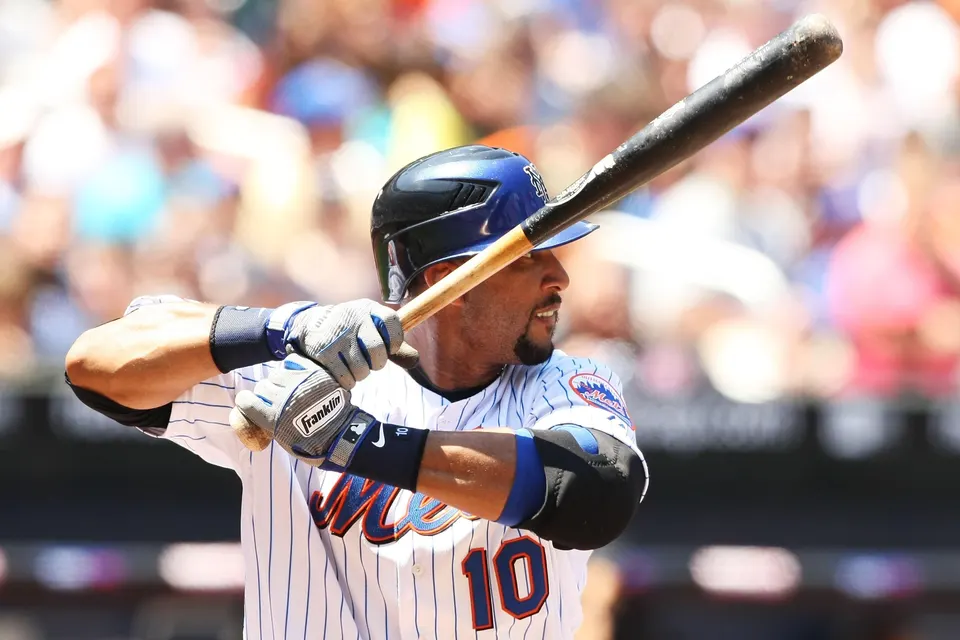
Sheffield’s trade to the San Diego Padres in 1992 marked a new chapter in his career. His time in San Diego was short but very impactful. In his first full season with the Padres in 1993, Sheffield’s power numbers exploded. He finished the year with a career-high 33 home runs, 100 RBIs, and a .330 batting average, demonstrating that he was ready to be a consistent offensive force. His combination of power and batting average was rare, and he finished 7th in the National League (NL) MVP voting that year. Despite this breakout, the Padres decided to trade Sheffield to the Florida Marlins after just two seasons, in part due to the team’s rebuilding efforts.
In Florida, Sheffield continued to establish himself as one of the most dangerous hitters in baseball. He played in 1993-1994 with the Marlins and quickly became the cornerstone of the team’s offense. In 1994, Sheffield posted one of the best offensive seasons of his career, hitting .330 with 25 home runs and 92 RBIs in just 106 games. His ability to both hit for power and consistently put the ball in play, while also being a capable fielder, kept him among the game’s elite. The Marlins were building a solid team, and Sheffield was the heart of that lineup.
Despite his individual success, the Marlins’ early years were fraught with organizational instability. In 1996, after a few years in Florida, Sheffield was traded again, this time to the Los Angeles Dodgers, where he would find further success.

The mid-to-late 1990s marked the peak of Gary Sheffield’s career, particularly during his time with the Los Angeles Dodgers. Sheffield joined a Dodgers team that had a storied history but was looking for a true offensive centerpiece. Sheffield quickly proved that he was the player the team needed. From 1996 to 2000, he became one of the most feared hitters in the league, thanks to his ability to hit for power, get on base, and drive in runs.
One of his best seasons came in 2000, when he hit a career-high 43 home runs and drove in 109 RBIs, all while batting .325. Sheffield’s offensive production was immense. His ability to hit home runs while maintaining a high batting average and an impressive on-base percentage helped cement his place as one of the best hitters in baseball. His high on-base percentage was a testament to his plate discipline, as he rarely chased bad pitches. This made Sheffield an ideal player for teams looking to build an offense around his ability to produce runs.
As a member of the Dodgers, Sheffield earned five All-Star selections, four Silver Slugger Awards, and became a two-time NL batting champion. He made an indelible mark as one of the elite hitters of his generation, but more importantly, he was a player who could change the course of a game with a single swing of the bat. His time with the Dodgers was not just about putting up gaudy statistics but about showing up in crucial moments and delivering when his team needed him the most.
In 2001, Gary Sheffield’s career took another pivotal turn when he was traded to the Atlanta Braves. There, he would continue his dominance at the plate for two seasons before moving on to the New York Yankees. While in Atlanta, Sheffield played in some of the best years of his career, earning further accolades and continuing to be one of the most powerful hitters in the league. In his first season with the Braves in 2002, he finished the year with 25 home runs and 75 RBIs while maintaining a .312 batting average. Despite missing significant time due to injuries in 2003, Sheffield returned to form in 2004 and finished with a solid .290 batting average and 36 home runs.
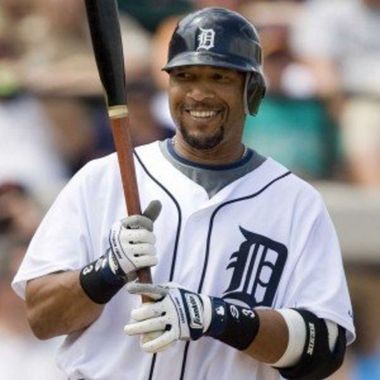
Sheffield’s move to the Yankees in 2004 marked a significant chapter in his career. As part of a loaded Yankees lineup, Sheffield’s bat added even more firepower to an already potent offense. Sheffield, though not the same player he had been in his younger years, was still incredibly productive. He hit .290 in 2004 with 36 home runs and 121 RBIs and continued to be a key part of the Yankees’ success. Throughout his time in New York, Sheffield was known for his leadership and his clutch hitting in big games, helping the Yankees to several playoff appearances. In total, he played for the Yankees from 2004 to 2006, making multiple All-Star appearances and continuing to be a key offensive weapon for the team.
After his time with the Yankees, Sheffield moved on to the Detroit Tigers, where he played for a brief period before retiring from the game in 2009. While his final seasons saw a slight decline in his production, Sheffield’s place in baseball history was already firmly established.
Gary Sheffield’s impact on baseball is undeniable. Over the course of his career, Sheffield established himself as one of the most dynamic and productive players in MLB history. His career statistics speak for themselves: Sheffield finished with a .292 batting average, 509 home runs, 1,676 RBIs, and 2,689 hits. He also compiled a .393 on-base percentage, demonstrating his ability to get on base and work pitchers. His 509 career home runs placed him among the all-time greats in terms of power hitting. Sheffield’s achievements also included five All-Star selections, seven Silver Slugger Awards, and the distinction of having hit over 30 home runs in eight seasons.
What made Sheffield so unique, however, was his distinctive batting stance. His open stance, with his hands held high and his elbows spread, made his swing unlike any other in the league. Despite his unconventional approach at the plate, Sheffield’s swing was one of the most fluid and powerful in baseball history. This was a player whose bat speed and ability to turn on fastballs were unmatched.
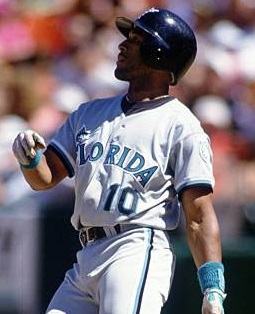
Beyond his statistics and playing style, Sheffield’s impact on the game extends to his role as a mentor and his willingness to speak his mind on various issues in baseball. His open nature and outspokenness allowed him to connect with fans, players, and coaches alike. Sheffield’s influence on the game transcended the box score, as his presence in the clubhouse was equally significant to his on-field production.
Gary Sheffield’s career, full of ups and downs, both on and off the field, leaves a legacy that transcends mere statistics. He was a power hitter, a disciplined batter, and a player with an uncanny ability to deliver in the clutch. While he may not have been as celebrated as some of his contemporaries, Sheffield’s impact on the game and his undeniable talent will forever be remembered. His place among baseball’s elite is secure, and his story is one of both resilience and brilliance, making him a true legend of the game.



 The Baseball Scholar
Leave a comment