
Ryne Sandberg’s career in Major League Baseball stands as a shining example of excellence, leadership, and dedication to the game. From his early days as a talented, yet raw, prospect to his emergence as one of the best second basemen in baseball history, Sandberg’s career was a journey filled with remarkable achievements, unforgettable moments, and a profound impact on the sport. As an all-time great player, his statistical accomplishments, including numerous Gold Glove and Silver Slugger awards, alongside his crucial role in the Chicago Cubs’ successes, make him a pivotal figure in the history of the game.
Ryne Sandberg was born on September 18, 1959, in Spokane, Washington, into a family where sports were a significant part of life. Sandberg’s parents were both athletic, and his early exposure to competitive sports helped shape his character. While baseball was a primary focus, basketball and football were also part of his athletic upbringing, though it was baseball that would ultimately capture his attention and passion.
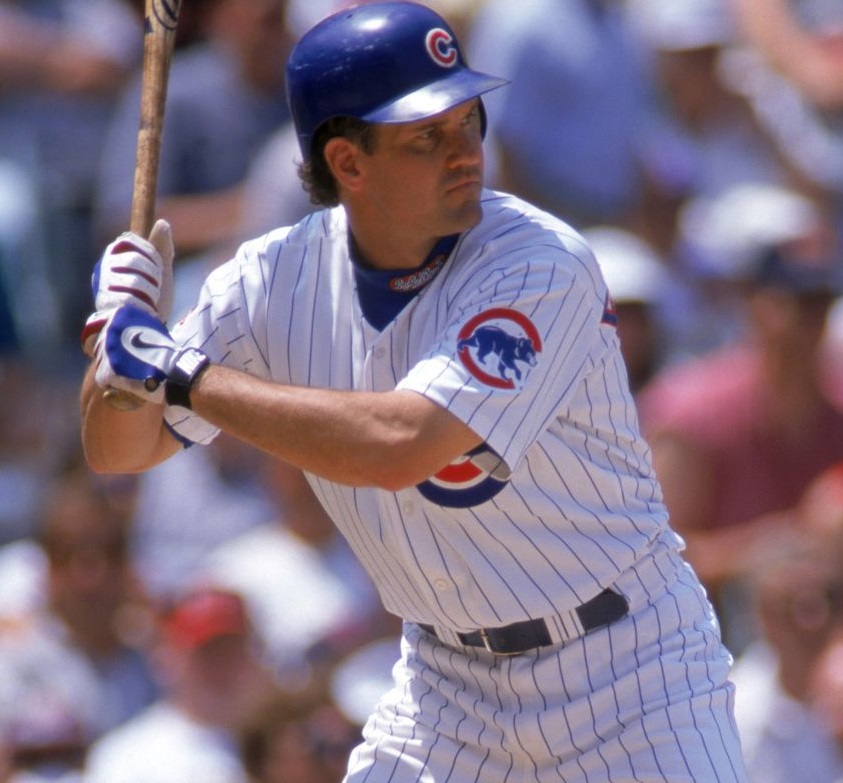
Sandberg attended North Central High School in Spokane, where he showcased his athletic prowess and began to attract the attention of professional baseball scouts. Initially, however, he was considered a talented but somewhat raw prospect. His high school career demonstrated a clear potential for success, and his ability to play a variety of positions made him a versatile player. He signed with the Philadelphia Phillies in 1978 after being drafted in the 20th round of the amateur draft, an indicator of both his promise and the fact that his talents were not immediately recognized as elite.
Upon signing with the Phillies, Sandberg began his professional career in their minor league system. He spent time in several minor league levels, including stints with the Spartanburg Phillies and the Clearwater Phillies, where his development as a hitter and fielder began to shine through. Over his early years in the minors, Sandberg worked diligently to refine his skills, developing an exceptional defensive ability that would become a hallmark of his MLB career. Despite the initial challenges he faced as a young player trying to make a name for himself, his determination to improve paid off. Sandberg’s growing reputation for both his offensive and defensive prowess eventually led to his promotion to the major leagues.
Ryne Sandberg made his Major League debut with the Philadelphia Phillies on September 2, 1981. Though his initial time with the Phillies was brief, it was clear that Sandberg had the tools to succeed in the big leagues. His versatility, athleticism, and solid fundamentals made him a player to watch, though his time with Philadelphia was limited, and he spent much of the early part of his career bouncing between the major league roster and the minors.
In 1982, Sandberg was traded to the Chicago Cubs, a move that would prove pivotal for his career. The Cubs had been looking for a solution at second base, and Sandberg was seen as a potential long-term answer. His early years with the Cubs were marked by a gradual adjustment to life as a full-time major league player. Sandberg’s bat wasn’t immediately dominant, but his exceptional glove work at second base began to gain the attention of fans and analysts alike.
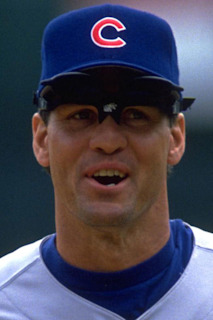
Over the next several years, Sandberg established himself as one of the top defensive second basemen in the game. His ability to turn double plays with grace and precision made him a mainstay in the Cubs’ infield, and he quickly became known for his reliable and unflashy defense. By 1984, Sandberg was beginning to find his offensive groove, establishing himself as not just a defensive specialist but also a capable hitter. This year marked a turning point in his career, as his bat began to complement his defense, and he became a key contributor to the Cubs’ success.
f
Ryne Sandberg’s breakout season came in 1984, a year in which he firmly established himself as one of the best all-around second basemen in the league. That season, Sandberg had a career year, posting impressive offensive numbers while continuing to excel defensively. He hit .314, with 19 home runs, 84 RBIs, and 32 stolen bases, all while playing his typically stellar defense at second base. His combination of power, average, and speed made him one of the most well-rounded players in the game.
One of the defining moments of Sandberg’s 1984 season came on June 23, when he hit two home runs in a game against the St. Louis Cardinals, including a memorable home run off Hall of Fame pitcher Bruce Sutter in the bottom of the ninth inning. The two home runs helped the Cubs complete a dramatic comeback and won the game in front of a frenzied Wrigley Field crowd. This moment became a defining example of Sandberg’s ability to perform in clutch situations, and it earned him a place in Cubs lore.
By the end of the 1984 season, Sandberg had helped lead the Cubs to the National League East Division title, their first playoff appearance in nearly 40 years. His all-around performance that year earned him the National League Most Valuable Player (MVP) award, cementing his place as one of the league’s premier players. Sandberg’s MVP win was a testament to his growth as a player and his ability to lead his team both offensively and defensively.

Over the course of his 16-year MLB career, Ryne Sandberg compiled an impressive set of statistics that reflects his all-around contributions to the game. His career batting average of .285, combined with 282 home runs, 1,061 RBIs, and 344 stolen bases, places him among the top second basemen in baseball history. His power numbers were impressive for a player at his position, especially during an era when power-hitting second basemen were relatively rare.
Sandberg was a consistent offensive performer throughout his career, but it was his defense that truly set him apart. He won nine Gold Glove Awards as the best defensive second baseman in the National League, a remarkable achievement that underscores his mastery of the position. His range, agility, and ability to turn double plays were unmatched, and he became known as one of the most reliable defenders in the game. Sandberg’s commitment to his defense was unwavering, and his performances in the field were often as thrilling as his offensive feats.
In addition to his Gold Gloves, Sandberg won seven Silver Slugger Awards, a testament to his offensive prowess. His ability to contribute both with the bat and in the field made him one of the most complete players of his generation. In 1990, he had one of his most dominant years at the plate, posting a .306 batting average with 26 home runs, 34 stolen bases, and 101 RBIs. His offensive consistency over the years kept him among the league’s elite players, and his durability as a player ensured that he remained a central figure in the Cubs’ lineup year after year.
Though Sandberg’s prime years came in the 1980s and early 1990s, he continued to be a productive player throughout the latter stages of his career. Even after his 30s, when many players begin to see a decline, Sandberg remained a valuable contributor for the Cubs, both offensively and defensively. His leadership in the clubhouse and his steadying presence on the field helped guide a new generation of Cubs players, and he became an invaluable mentor to younger teammates.

Throughout his career, Ryne Sandberg experienced numerous memorable moments that added to his legend. One of the most notable was his performance during the 1989 season, in which he helped the Cubs return to the postseason. That year, Sandberg hit .281 with 26 home runs and 84 RBIs, continuing his strong play at second base. However, it was his clutch hitting and leadership that stood out during the Cubs’ push for the postseason. His ability to come through in key moments, including a game-winning home run in a critical late-season game, helped propel the Cubs into the National League Championship Series.
Another iconic moment in Sandberg’s career came in 1998, when he made his return to the Cubs after a brief retirement. His comeback was highly anticipated by Cubs fans, and though he was no longer in his prime, Sandberg’s return was met with an outpouring of support from fans and teammates alike. His leadership and passion for the game were as strong as ever, and he was able to contribute in a limited role during the season. Sandberg’s ability to return to the game, even after stepping away, showcased his dedication and love for baseball.
One of the most well-known anecdotes about Sandberg’s career was his ability to thrive under pressure. Whether it was delivering a clutch hit in the postseason or making an acrobatic play to save a game, Sandberg seemed to shine when the stakes were highest. His poise on the field, especially in critical situations, made him a beloved figure in Chicago and a respected competitor across the league.
Ryne Sandberg’s impact on the game of baseball is far-reaching and enduring. As one of the best second basemen to ever play the game, his contributions both offensively and defensively helped redefine the expectations for the position. Sandberg’s ability to hit for power, average, and steal bases set a new standard for what second basemen could achieve. His work ethic, leadership, and commitment to both his offense and defense made him a role model for aspiring players.
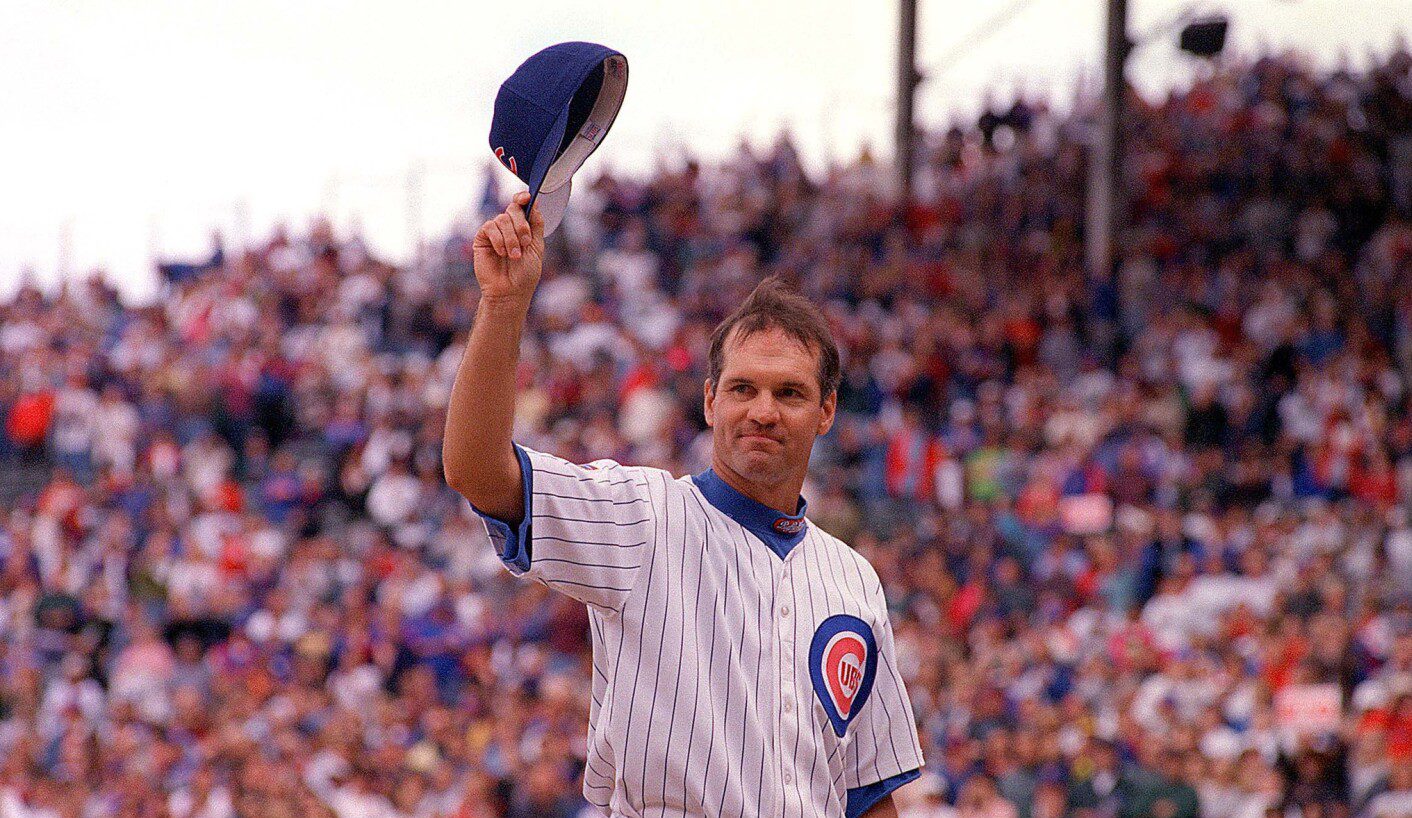
Sandberg’s legacy also extended to his role as a leader on the Cubs. His time with the team helped guide them through several successful seasons, and his leadership was a key component in the Cubs’ eventual success in the 1990s and early 2000s. Sandberg’s influence on his teammates, particularly younger players, was profound, as he demonstrated what it meant to be both a professional and a leader on the field.
In 2005, Sandberg was inducted into the Baseball Hall of Fame, a fitting honor for a player who had dedicated his life to the game and achieved remarkable success. His induction into the Hall of Fame solidified his place among the greatest players to ever play the game, and his legacy continues to inspire both current and future generations of baseball players.
One of the most unique aspects of Ryne Sandberg’s career was his ability to combine power and speed from the second base position, a combination that was relatively rare at the time. Sandberg’s ability to hit home runs while maintaining a strong stolen base total made him one of the most well-rounded players in baseball. He was also a rare player who consistently delivered strong offensive and defensive performances, making him a key player on any team he was part of.
Another distinctive aspect of Sandberg’s life was his deep connection to the city of Chicago and its fans. His relationship with Cubs fans became legendary, and he became a symbol of hope and loyalty for a fanbase that had long awaited success. Sandberg’s dedication to the team and his connection to the city made him a beloved figure in Chicago, and his time with the Cubs remains one of the most cherished periods in the team’s history.

Ryne Sandberg’s career in Major League Baseball is a testament to his exceptional skill, determination, and impact on the game. His contributions as one of the best second basemen to ever play the game, combined with his leadership, clutch performances, and statistical achievements, solidify his legacy as one of baseball’s greats. Sandberg’s influence on the sport, particularly in redefining the role of the second baseman, and his deep connection to the city of Chicago, ensures that his legacy will continue to inspire and resonate within the world of baseball for years to come. His induction into the Hall of Fame stands as a fitting tribute to a career that was defined by excellence, leadership, and a love for the game.




 The Baseball Scholar
Leave a reply to 1980s All-Decade Team – The Baseball Scholar Cancel reply