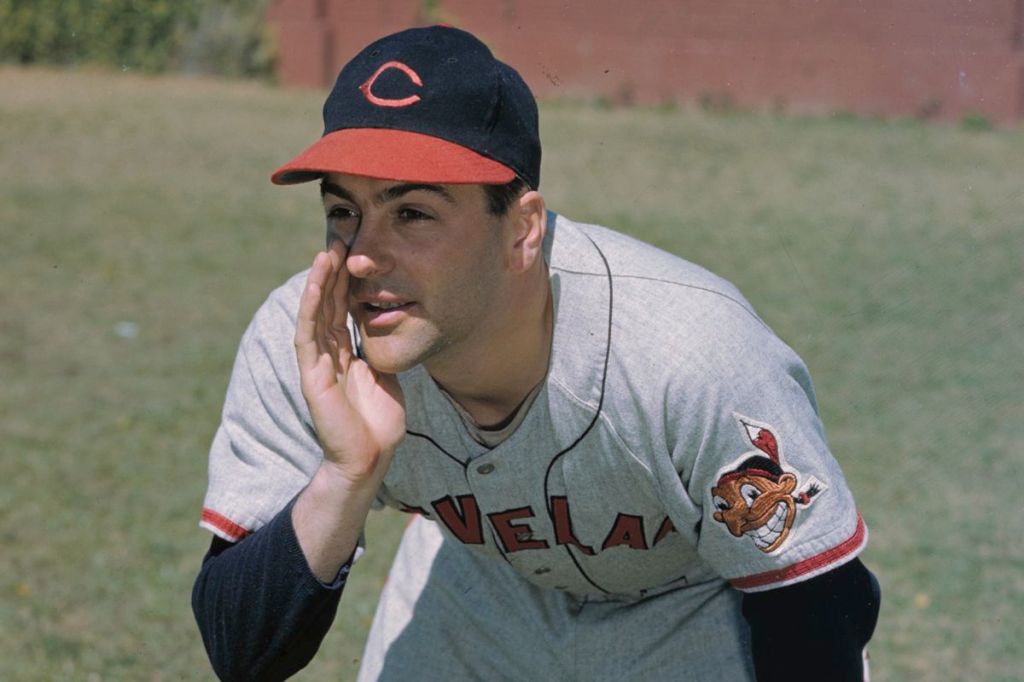
Lou Boudreau, a name etched in the annals of baseball history, represents one of the most versatile and impactful players to ever grace Major League Baseball (MLB). Renowned as both a player and a manager, Boudreau’s career is a compelling story of talent, leadership, and innovation. His accomplishments on the field, his unique role as a player-manager, and his strategic contributions to the game have left an indelible mark on baseball.
Louis Boudreau was born on July 17, 1917, in Harvey, Illinois. Growing up in a working-class family, Boudreau developed a love for baseball at an early age. His athleticism was evident during his high school years, where he excelled not only in baseball but also in basketball. Boudreau’s talent on the diamond caught the attention of scouts, and he earned a scholarship to the University of Illinois.

At Illinois, Boudreau further honed his skills as a shortstop and became a standout player. He also played college basketball and was named an All-American, showcasing his remarkable versatility as an athlete. Despite his success on the basketball court, Boudreau’s true passion remained with baseball, and his prowess as a shortstop and hitter set the stage for his professional career.
In 1938, Boudreau signed with the Cleveland Indians, beginning his journey in professional baseball. After spending time in the minor leagues, he made his MLB debut with the Indians in 1938 at the age of 21. From the outset, Boudreau demonstrated an uncanny ability to read the game, both as a player and a thinker. His defensive skills at shortstop were extraordinary, marked by smooth fielding, a strong arm, and exceptional range. Offensively, he quickly established himself as a consistent hitter with a knack for making contact and driving in runs.
Boudreau’s early years in the majors were characterized by steady improvement. By the early 1940s, he had become one of the premier shortstops in baseball, combining elite defense with offensive production. His leadership qualities also began to emerge, earning him the respect of teammates and coaches alike.
One of the defining aspects of Boudreau’s career was his dual role as a player and manager, a rare combination in baseball history. In 1942, at the age of 24, Boudreau was named the player-manager of the Cleveland Indians, becoming one of the youngest managers in MLB history. This unique role required an extraordinary blend of leadership, strategic thinking, and on-field performance. Boudreau excelled in this capacity, guiding his team while continuing to be a standout player.
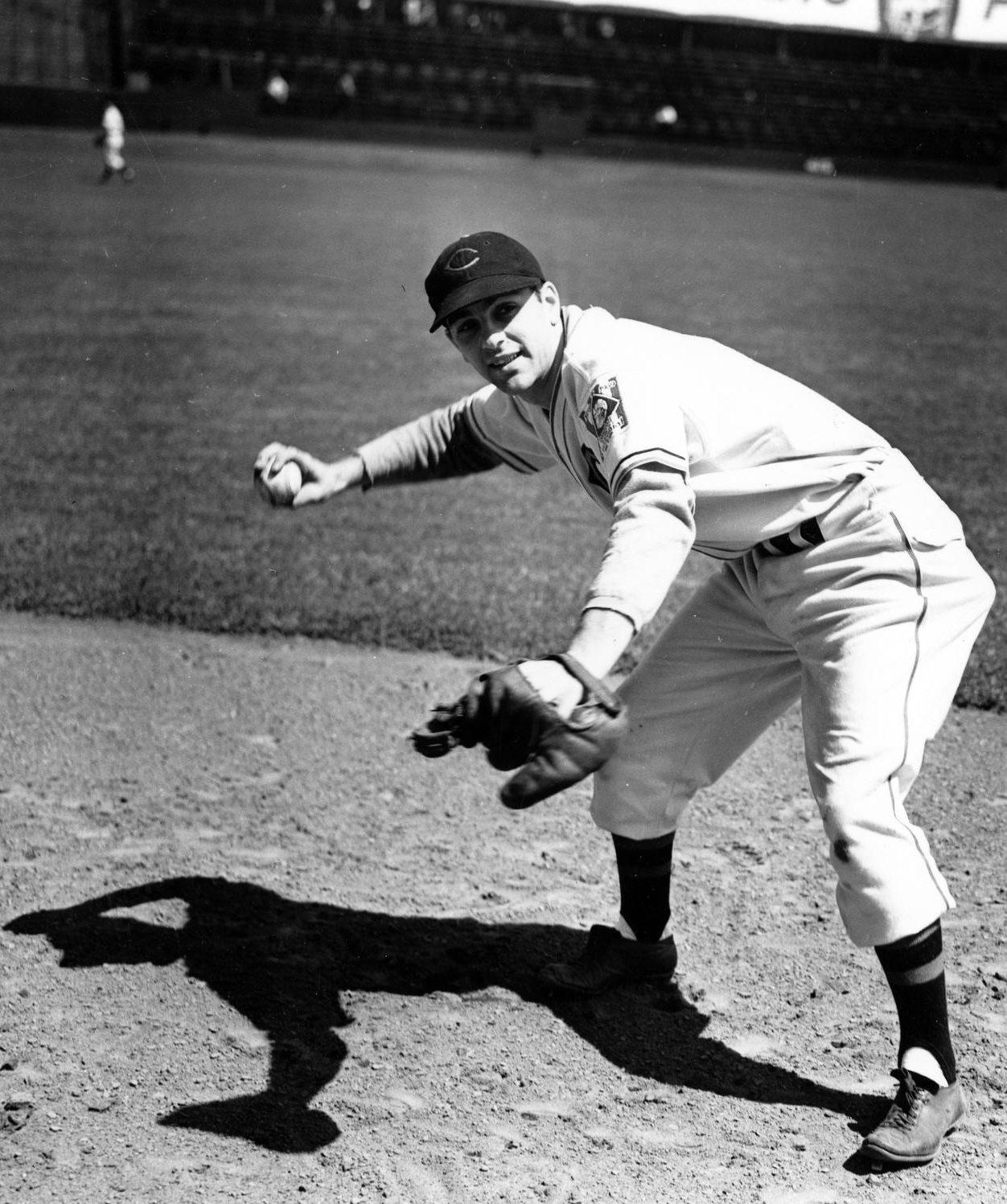
During the 1940s, Boudreau was at the peak of his playing career. He consistently ranked among the league’s top hitters, known for his ability to make contact and drive the ball to all fields. His defensive skills remained impeccable, earning him the reputation as one of the best shortstops of his era. Boudreau was selected to the All-Star Game eight times during his career, a testament to his consistent excellence.
Boudreau’s statistical achievements highlight his all-around brilliance as a player. Over a 15-year career, he compiled a .295 batting average, 1,779 hits, 68 home runs, and 789 RBIs. While his power numbers were modest compared to some of his contemporaries, Boudreau’s value lay in his ability to get on base and drive in runs in critical situations. His career on-base percentage of .380 underscores his keen eye at the plate and disciplined approach to hitting.
One of Boudreau’s most remarkable seasons came in 1948, a year that cemented his legacy as both a player and a manager. That year, he won the American League MVP Award after leading the Indians to a World Series championship. Boudreau batted .355 with 18 home runs, 106 RBIs, and a .453 on-base percentage. His leadership and clutch performances were instrumental in the Indians’ success, and he played a pivotal role in their victory over the Boston Braves in the World Series.
The 1948 season was the pinnacle of Boudreau’s career, filled with memorable moments that showcased his brilliance. One of the most iconic games came during a one-game playoff against the Boston Red Sox to determine the American League champion. Boudreau had one of the best games of his career, going 4-for-4 with two home runs and driving in three runs to lead the Indians to an 8-3 victory. His performance in this high-pressure game epitomized his ability to rise to the occasion.

In the World Series that followed, Boudreau’s steady leadership and clutch hitting were on full display. The Indians defeated the Braves in six games, earning their first championship since 1920. Boudreau’s contributions were critical throughout the series, both as a player and a strategist, as he guided the team to victory and solidified his place in baseball history.
Beyond his playing abilities, Boudreau was a pioneer in baseball strategy. One of his most notable contributions was the implementation of the defensive shift, a tactic that has since become commonplace in modern baseball. Recognizing the tendencies of pull hitters like Ted Williams, Boudreau devised a strategy to shift his infielders to one side of the field, drastically reducing their ability to find hits. This innovative approach, known as the “Boudreau Shift,” was initially met with skepticism but proved highly effective, foreshadowing the analytical era of baseball.
Boudreau’s strategic mind extended to his management style, where he emphasized fundamentals, teamwork, and adaptability. His ability to balance the dual responsibilities of player and manager was a testament to his intelligence and work ethic. Under his leadership, the Indians consistently competed at a high level, and his influence extended beyond the box score.
Boudreau continued to play and manage into the early 1950s, transitioning to other teams later in his career, including the Boston Red Sox. While his playing days were winding down, his contributions to the game remained significant. After retiring as a player, Boudreau stayed involved in baseball, working as a broadcaster and coach. His deep knowledge of the game and articulate communication made him a respected voice in the baseball community.
In 1970, Boudreau was inducted into the Baseball Hall of Fame, a fitting recognition of his extraordinary career and lasting impact on the sport. His induction celebrated not only his individual achievements but also his pioneering role as a player-manager and strategist.
Lou Boudreau’s impact on baseball extends far beyond his statistical accomplishments. As a player, he set a standard of excellence for shortstops, combining defensive brilliance with offensive production. His role as a player-manager showcased his leadership and tactical acumen, inspiring future generations of leaders in the game.
Boudreau’s strategic innovations, particularly the defensive shift, have had a lasting influence on baseball. His willingness to challenge convention and think creatively about the game paved the way for the modern era of analytics and advanced scouting. Today, the defensive shift is a staple of baseball strategy, underscoring Boudreau’s visionary approach.
Off the field, Boudreau’s character and integrity left an enduring legacy. He was widely respected by teammates, opponents, and fans for his humility, work ethic, and love for the game. His contributions as a broadcaster further endeared him to baseball enthusiasts, as he shared his insights and passion for the sport with a new generation.

Lou Boudreau’s MLB career is a testament to the power of talent, intelligence, and leadership. From his early days as a promising athlete to his rise as a Hall of Fame player-manager, Boudreau’s journey is one of extraordinary achievement and innovation. His statistical accomplishments, key moments of dominance, and strategic contributions have left an indelible mark on baseball. As a player, manager, and pioneer, Boudreau’s legacy continues to inspire and influence the game he loved, ensuring his place among the all-time greats.




 The Baseball Scholar
Leave a comment