
Manny Ramirez, one of the most iconic and controversial figures in Major League Baseball (MLB) history, carved out a storied career characterized by prodigious talent, eccentric behavior, and undeniable impact on the sport. His career spanned nearly two decades, during which he became renowned as one of the greatest right-handed hitters in the history of baseball. From his early beginnings in the Dominican Republic to his rise as a feared slugger in the big leagues, Ramirez’s story is one of talent, spectacle, and complexity.
Manuel Arístides Ramírez Onelcida was born on May 30, 1972, in Santo Domingo, Dominican Republic. At the age of 13, his family immigrated to the Washington Heights neighborhood of New York City, a move that would play a pivotal role in shaping his future in baseball. Growing up in a baseball-rich culture, Ramirez displayed an early aptitude for the sport, blending natural ability with a relentless work ethic that set him apart from his peers.
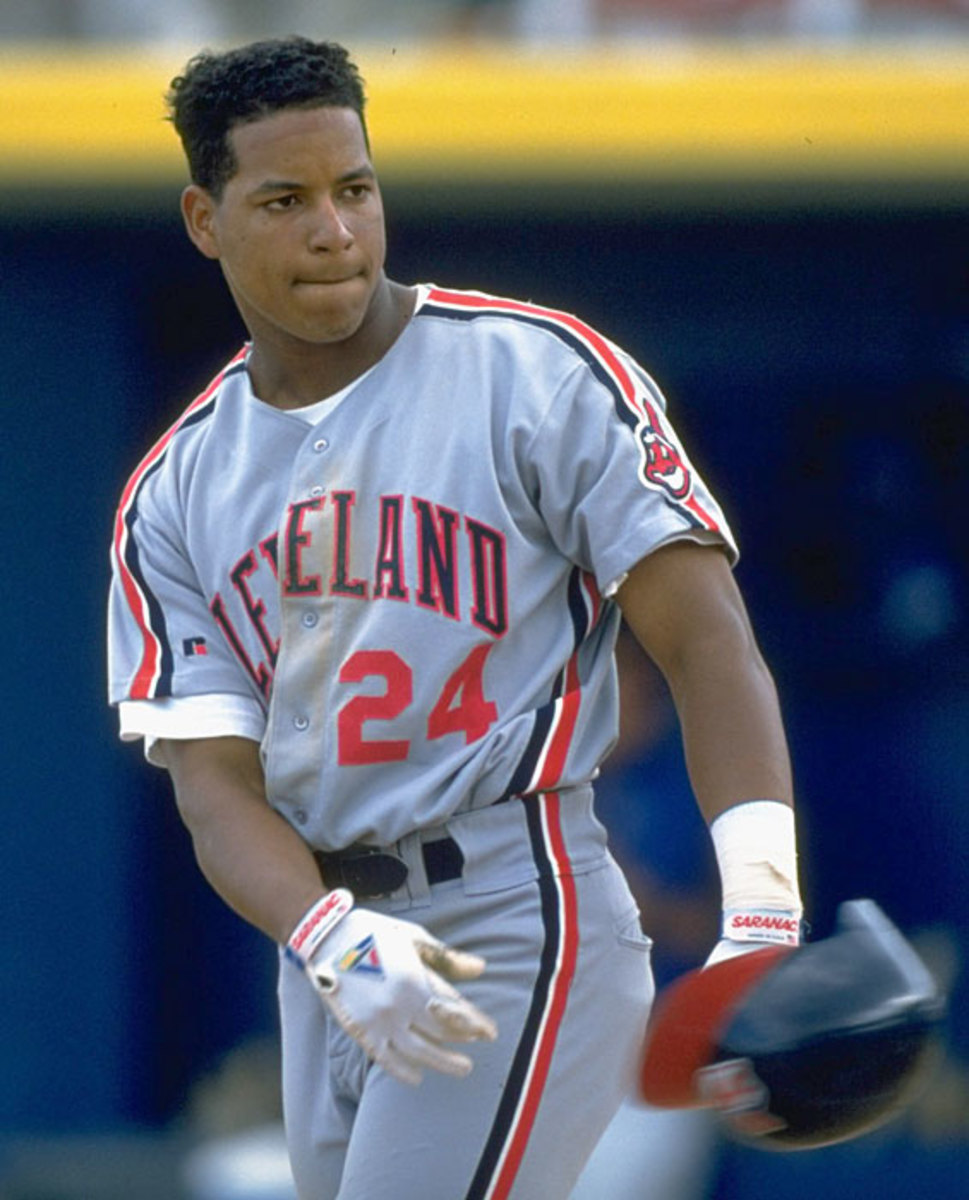
At George Washington High School, Ramirez emerged as one of the most promising young players in the country. His combination of raw power, advanced hitting mechanics, and a strong arm made him a standout, and by his senior year, he was regarded as one of the top high school prospects in the nation. His dominance at the high school level earned him a first-round selection by the Cleveland Indians in the 1991 MLB Draft, taken 13th overall. It marked the beginning of a journey that would transform Ramirez from a local phenom into a global baseball superstar.
Ramirez made his MLB debut with the Cleveland Indians on September 2, 1993, at the age of 21. From the outset, he demonstrated a remarkable ability to hit major league pitching, showcasing a combination of power and precision that would define his career. In 1994, his first full season, Ramirez batted .269 with 17 home runs and 60 RBIs in 91 games, foreshadowing the offensive force he would become.
The mid-1990s marked a renaissance for the Cleveland Indians, and Ramirez played a central role in their resurgence. During his tenure in Cleveland, the team became a perennial contender, reaching the postseason five times and advancing to the World Series in 1995 and 1997. Ramirez’s offensive production during this period was nothing short of extraordinary. In 1995, he hit .308 with 31 home runs and 107 RBIs, solidifying his status as one of the league’s premier hitters.
The 1999 season was a defining year for Ramirez, as he posted career-high numbers in nearly every offensive category. He hit .333 with 44 home runs, 165 RBIs, and a .663 slugging percentage, leading the American League in RBIs and finishing third in the MVP voting. His 165 RBIs remain one of the highest single-season totals in MLB history, underscoring his ability to drive in runs at an elite level.
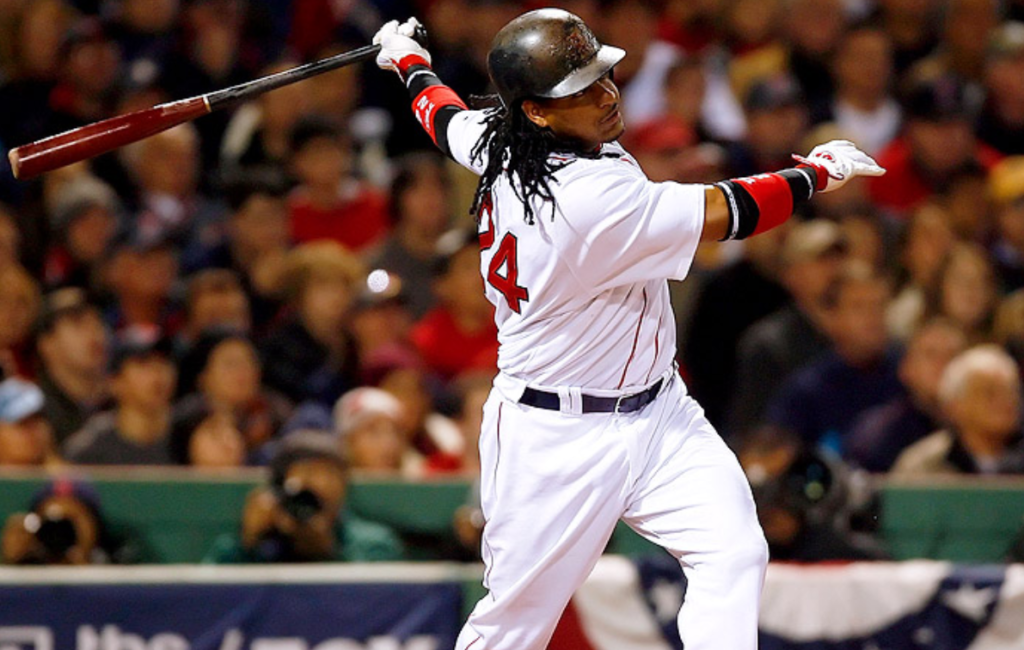
In the 2000 offseason, Ramirez signed an eight-year, $160 million contract with the Boston Red Sox, one of the largest deals in MLB history at the time. The move to Boston marked the beginning of the most celebrated and scrutinized chapter of his career. Ramirez’s tenure with the Red Sox was defined by his offensive dominance, eccentric personality, and a pivotal role in ending the team’s 86-year championship drought.
Ramirez’s first season in Boston saw him hit .306 with 41 home runs and 125 RBIs, reaffirming his status as one of the league’s most potent offensive players. Over the next several seasons, Ramirez continued to produce at an elite level, consistently ranking among the league leaders in batting average, home runs, and RBIs. His partnership with David Ortiz in the heart of the Red Sox lineup became one of the most feared tandems in baseball history.
The pinnacle of Ramirez’s career came in 2004 when the Red Sox captured their first World Series title since 1918. Ramirez played a key role in the team’s historic postseason run, earning World Series MVP honors after hitting .412 with a .500 on-base percentage in the Fall Classic. His performance in the postseason, combined with his regular-season production, solidified his legacy as one of the greatest hitters of his era.
Ramirez’s time in Boston was not without controversy. His quirky behavior, often referred to as “Manny being Manny,” became a source of both amusement and frustration for fans, teammates, and management. Incidents such as disappearing into the Green Monster during games, on-field miscommunication, and disputes with team management occasionally overshadowed his on-field achievements. Despite these distractions, Ramirez’s production remained remarkably consistent, and his contributions to the team’s success were undeniable.
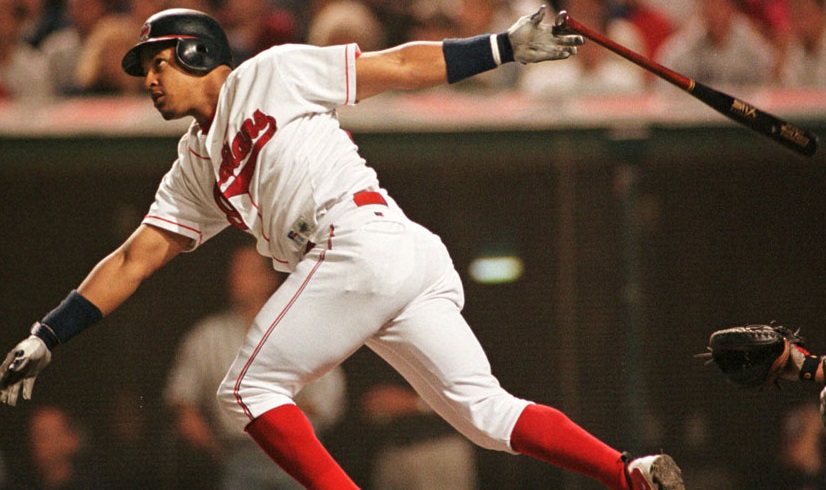
In 2007, Ramirez helped lead the Red Sox to another World Series title, hitting .348 during the postseason. His ability to perform in clutch situations further cemented his reputation as one of the game’s most dependable hitters in high-pressure moments.
In 2008, Ramirez was traded to the Los Angeles Dodgers as part of a three-team deal. The change of scenery revitalized his career, as he hit .396 with 17 home runs and 53 RBIs in just 53 games for the Dodgers that season. His performance earned him the nickname “Mannywood,” and he quickly became a fan favorite in Los Angeles.
The following year, however, Ramirez’s career took a controversial turn when he was suspended for 50 games after testing positive for a banned substance. The suspension tarnished his reputation and raised questions about the legitimacy of his accomplishments. Despite the setback, Ramirez returned to the Dodgers and continued to produce offensively, though his performance began to decline in the later years of his career.
Ramirez’s final seasons in MLB were marked by brief stints with the Chicago White Sox and Tampa Bay Rays. By 2011, his skills had diminished, and he retired from professional baseball after another failed drug test. His departure from the game was unceremonious, but his impact on the sport remained significant.
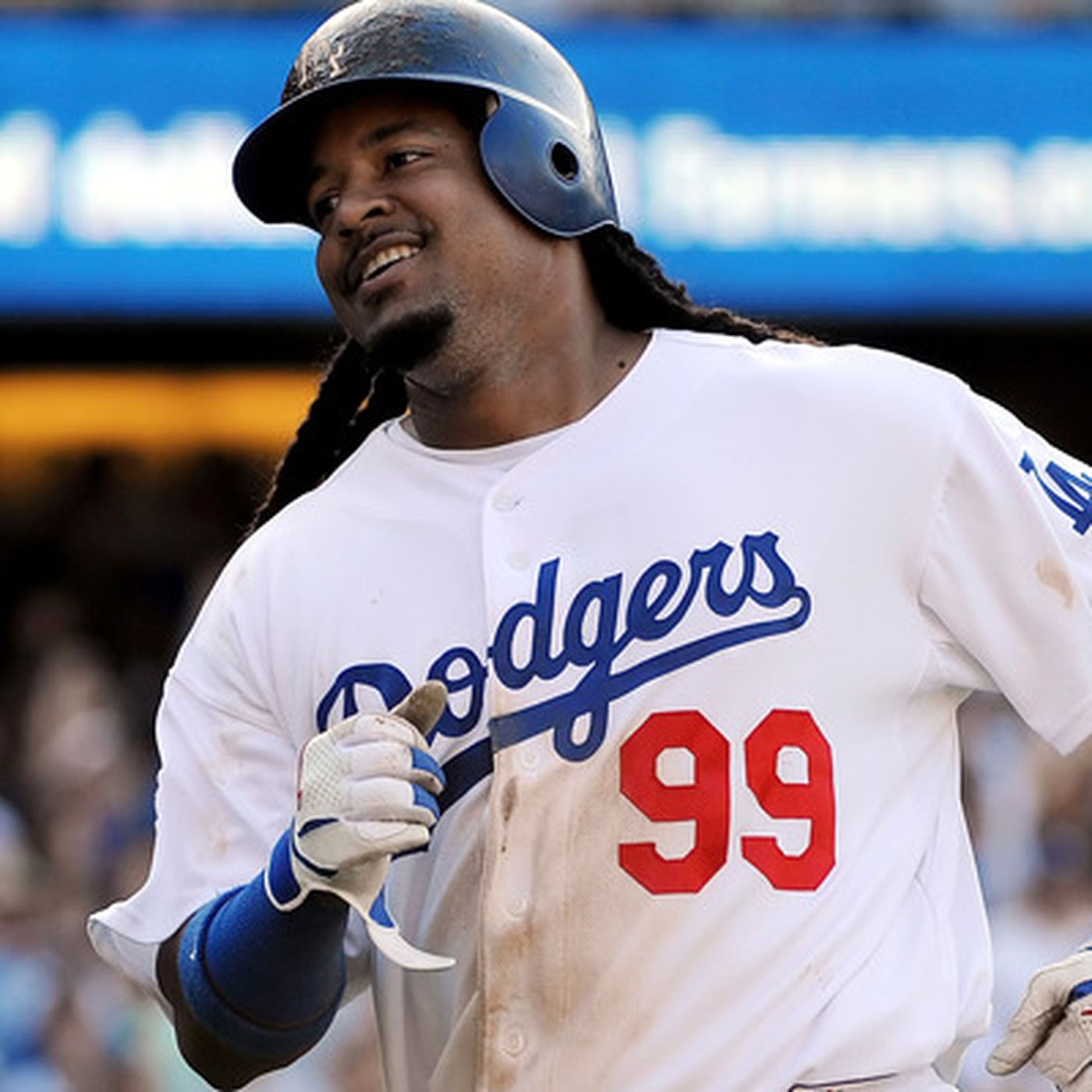
Over the course of his career, Manny Ramirez compiled a .312 batting average, 555 home runs, and 1,831 RBIs. He ranks among the top 20 all-time in both home runs and RBIs, and his .996 career OPS places him among the most productive hitters in MLB history. Ramirez was a 12-time All-Star, a nine-time Silver Slugger Award winner, and a two-time World Series champion.
Ramirez’s offensive prowess was characterized by his ability to hit for both power and average. He was one of the few players in MLB history to post a career batting average above .300 while also hitting more than 500 home runs. His ability to perform in clutch situations, particularly in the postseason, further enhanced his legacy.
Despite his statistical achievements, Ramirez’s career is often viewed through a complex lens due to his association with performance-enhancing drugs. While his natural talent was undeniable, the allegations and suspensions cast a shadow over his accomplishments and have complicated his candidacy for the Baseball Hall of Fame.

Manny Ramirez’s impact on baseball extends beyond his numbers. He was one of the most entertaining and polarizing figures in the sport, captivating fans with his hitting prowess and unpredictable behavior. His ability to thrive on the biggest stages made him a must-watch player, and his contributions to the Red Sox’s championship success brought joy to an entire generation of Boston fans.
Ramirez’s career also serves as a reflection of the complexities of the steroid era in baseball. His positive tests and subsequent suspensions highlighted the challenges MLB faced in addressing the issue of performance-enhancing drugs. While his legacy is tainted by these controversies, his talent and impact on the game remain undeniable.
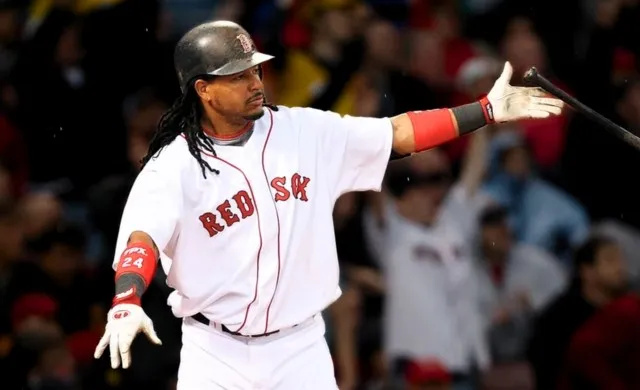
Manny Ramirez’s MLB career was a study in contrasts, blending extraordinary talent with controversy and eccentricity. He was one of the greatest hitters of his generation, a player whose offensive production and clutch performances made him a central figure in baseball history. Despite the controversies that marred his career, Ramirez’s contributions to the game and his role in shaping the modern era of baseball ensure that his legacy will be remembered, debated, and celebrated for years to come.



 The Baseball Scholar
Leave a comment