
Bob Feller, a name synonymous with blazing fastballs and extraordinary talent, stands as one of the most iconic figures in Major League Baseball history. Over the course of an illustrious career, Feller, also known as “Rapid Robert” and “The Heater from Van Meter,” achieved remarkable success on the field and made a lasting impact on the game. From his humble beginnings in rural Iowa to his years as the Cleveland Indians’ ace, Feller’s journey through baseball is a tale of prodigious talent, perseverance, and a deep love for the game.
Born on November 3, 1918, in Van Meter, Iowa, Robert William Andrew Feller grew up on a farm where hard work was a way of life. His father, Bill Feller, recognized Bob’s love for baseball early on and built a makeshift baseball field on their property. The field became a place of relentless practice and boundless dreams. Bill served as Bob’s first coach, instilling in him the fundamentals of pitching and a passion for the game. By the time he was a teenager, Feller had developed an extraordinary fastball, catching the attention of local teams and professional scouts alike.

Feller’s high school years were marked by extraordinary pitching performances that defied his age. At just 16 years old, he signed with the Cleveland Indians, bypassing the minor leagues altogether, a move almost unheard of at the time. His debut in 1936 as a 17-year-old phenom sent shockwaves through the baseball world. Feller struck out 15 batters in his first start, showcasing a fastball that seemed almost untouchable. He quickly became a sensation, drawing comparisons to the game’s greatest pitchers.
Over the next few years, Feller established himself as one of baseball’s most dominant pitchers. In 1938, at the age of 19, he struck out 18 batters in a game, setting a record that would stand for decades. His ability to overpower hitters with his fastball was matched by his competitive fire and fearless approach. Feller’s strikeout totals soared, and he became the cornerstone of the Indians’ pitching staff. During the 1939 season, he won 24 games, struck out 246 batters, and posted a 2.85 ERA, cementing his status as one of the game’s premier pitchers.
Feller’s career reached new heights in 1940, a season in which he achieved a feat that remains a hallmark of pitching excellence. On Opening Day, April 16, Feller threw a no-hitter against the Chicago White Sox, the only no-hitter ever recorded on Opening Day. This historic performance epitomized Feller’s ability to rise to the occasion and deliver under pressure. He finished the season with a league-leading 27 wins, a 2.61 ERA, and 261 strikeouts, earning him the first of three career strikeout titles.
Despite his individual brilliance, Feller’s career was interrupted by World War II. In December 1941, just one day after the attack on Pearl Harbor, Feller enlisted in the United States Navy, becoming the first major leaguer to do so. His decision to serve his country at the height of his career was a testament to his character and sense of duty. Feller spent nearly four years in the Navy, serving as a gun captain aboard the USS Alabama and earning several battle stars. While his absence from baseball undoubtedly cost him some of his prime years, Feller never regretted his service, often stating that his military contributions were more significant than his achievements on the field.
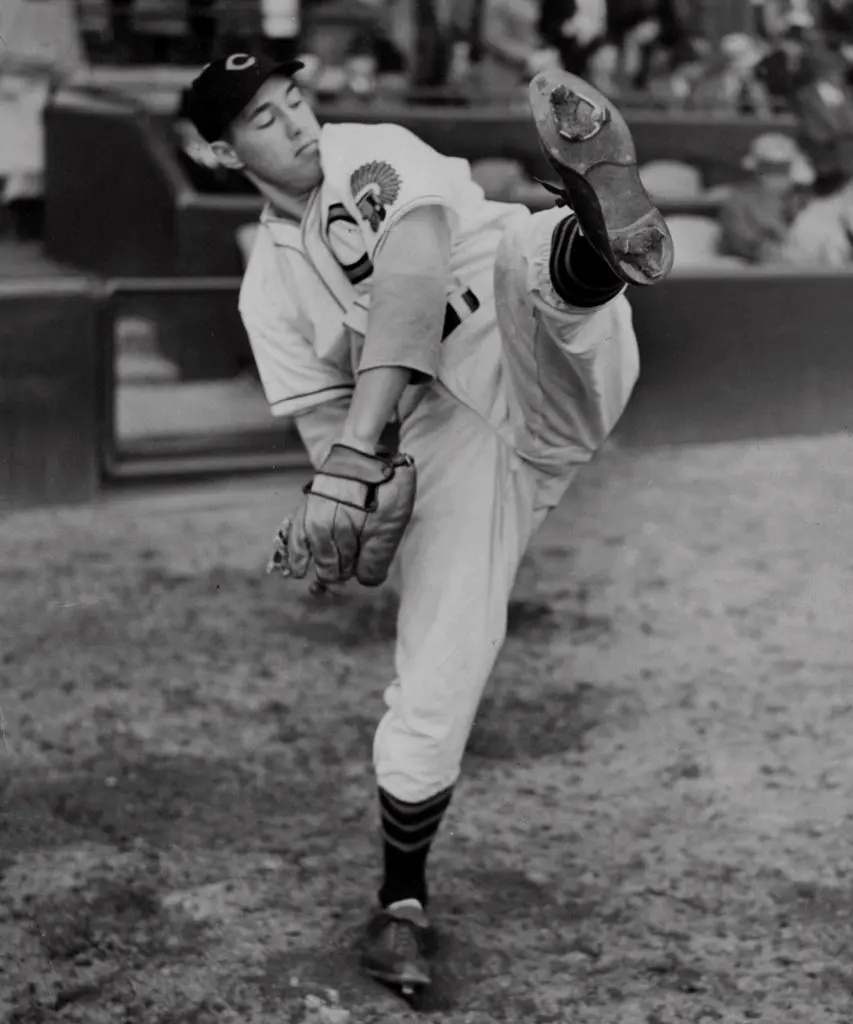
Feller returned to the Indians in 1945 and wasted no time reestablishing his dominance. In his first full season back, 1946, he posted staggering numbers, including a league-leading 26 wins, a 2.18 ERA, and 348 strikeouts, setting a new single-season strikeout record. His performances during this period showcased his resilience and ability to overcome adversity. Feller’s remarkable work ethic and dedication to his craft allowed him to remain at the top of his game despite the physical toll of his military service.
The late 1940s were a golden era for both Feller and the Cleveland Indians. In 1948, Feller played a key role in leading the Indians to a World Series championship, the team’s first title since 1920. Although his World Series performances were not as dominant as his regular-season outings, Feller’s contributions during the season were instrumental in the team’s success. He finished the year with 19 wins, a 3.56 ERA, and 164 strikeouts, earning another All-Star selection.
Feller’s career continued to thrive in the 1950s, as he remained a key figure in the Indians’ rotation. He recorded his third career no-hitter on July 1, 1951, against the Detroit Tigers, further solidifying his place among the game’s all-time greats. By the time he retired in 1956, Feller had amassed 266 career wins, 2,581 strikeouts, and a 3.25 ERA. He was an eight-time All-Star and led the league in wins six times, a testament to his durability and consistency over nearly two decades.
Beyond his statistical achievements, Feller’s impact on baseball extended to his role as an ambassador for the sport. Known for his engaging personality and love of the game, he remained a prominent figure in baseball circles long after his playing days. Feller was a frequent participant in old-timers’ games, a mentor to younger players, and a vocal advocate for the game’s traditions. He was inducted into the Baseball Hall of Fame in 1962, his first year of eligibility, and his legacy continues to be celebrated by fans and players alike.

Feller’s contributions to baseball went beyond his on-field accomplishments. He was a trailblazer in terms of player advocacy and business acumen, recognizing the importance of financial security and career planning for professional athletes. Feller was among the first players to hire an agent and negotiate his contracts independently, setting a precedent for future generations. His savvy approach to endorsements and public appearances also highlighted his understanding of the broader business landscape surrounding the sport.
Throughout his career, Feller faced challenges and criticism, yet he remained steadfast in his pursuit of excellence. He was known for his fierce competitive spirit and unyielding determination, qualities that endeared him to fans and teammates alike. Feller’s story is one of perseverance, resilience, and an unwavering commitment to the game he loved. His journey from a farm in Iowa to the pinnacle of baseball success serves as an inspiration to aspiring athletes and a reminder of the power of hard work and passion.
In reflecting on Bob Feller’s career, it is impossible to ignore the broader historical and cultural context in which he played. As a player who bridged multiple eras of baseball, Feller witnessed significant changes in the sport, from the integration of Major League Baseball to the advent of television and the modern media landscape. His ability to adapt and thrive in the face of these changes speaks to his versatility and enduring relevance.
Feller’s legacy is further enriched by the stories and anecdotes that surround his career. From his legendary fastball, which was reportedly clocked at over 100 mph, to his countless memorable performances, Feller’s career is filled with moments that capture the imagination of baseball fans. He remains a symbol of an era when baseball was deeply woven into the fabric of American life, and his contributions to the game continue to resonate with those who cherish its history.
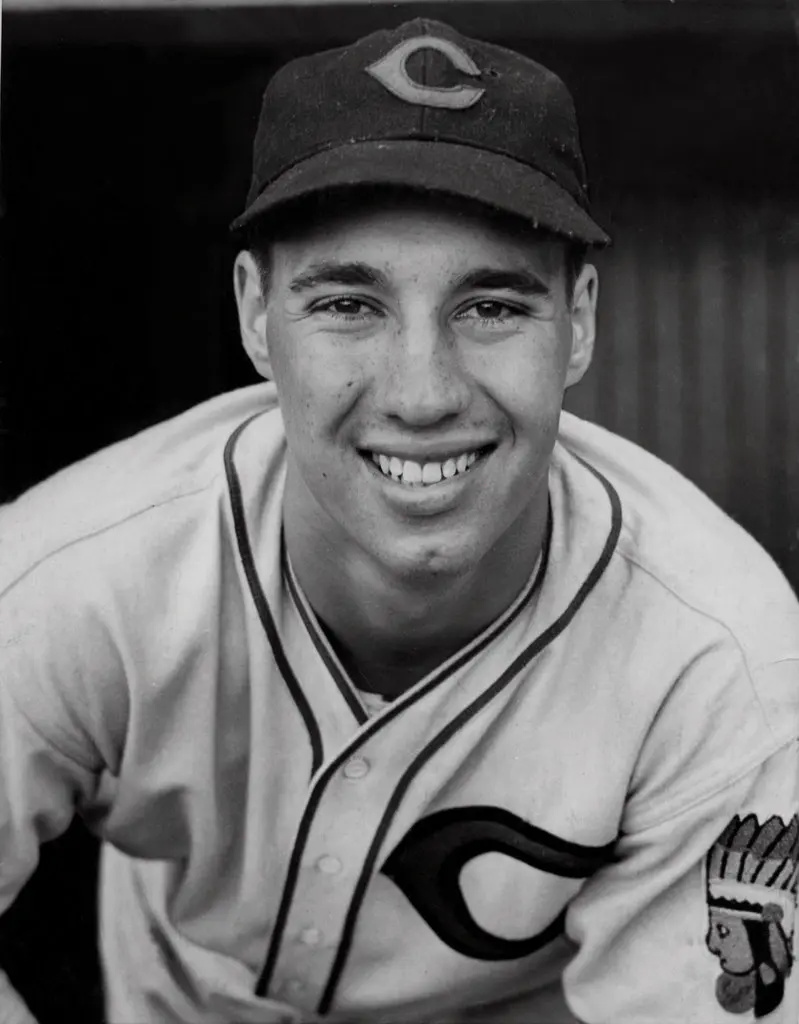
Bob Feller’s MLB career is a testament to the transformative power of talent, hard work, and perseverance. His remarkable achievements, both on and off the field, have left an indelible mark on the game of baseball. As one of the sport’s greatest pitchers and a true ambassador for the game, Feller’s legacy endures as a shining example of excellence and dedication. From the farm fields of Iowa to the hallowed halls of Cooperstown, Bob Feller’s journey through baseball is a story that will forever be etched in the annals of the sport’s history.



 The Baseball Scholar
Leave a comment