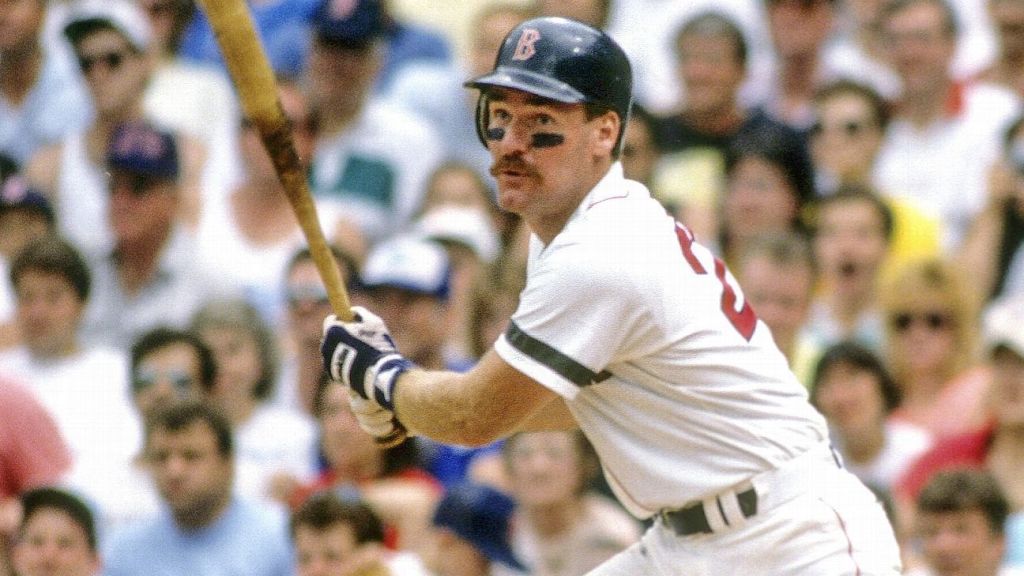
Wade Boggs, one of the most accomplished hitters in Major League Baseball (MLB) history, carved out a storied career defined by consistency, precision, and an unparalleled ability to get on base. Over 18 seasons, from 1982 to 1999, Boggs became a paragon of hitting excellence, earning accolades, setting records, and influencing the game in profound ways. A five-time American League batting champion and a Hall of Fame inductee, Boggs was the epitome of hard work and discipline. His achievements on the field and his impact on baseball as a whole have left an indelible mark on the sport.
Wade Anthony Boggs was born on June 15, 1958, in Omaha, Nebraska, and grew up in Tampa, Florida. His father, Winfield, served in the Marine Corps, instilling a strong sense of discipline in Wade from an early age. This foundation would prove crucial to Boggs’ success as he developed into one of baseball’s most methodical and detail-oriented players. From a young age, Boggs demonstrated an aptitude for sports, excelling in both baseball and football at Plant High School in Tampa.
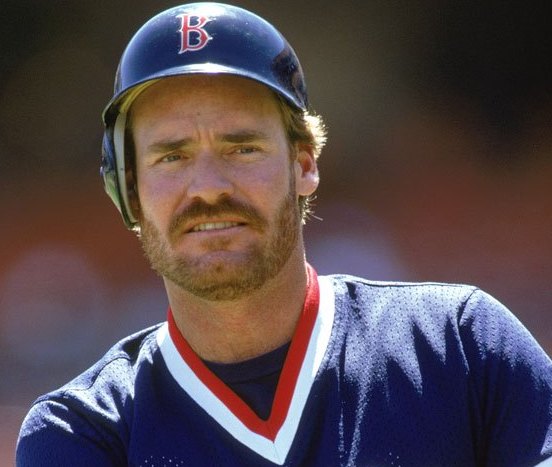
Although he showed promise as an athlete, Boggs initially faced skepticism about his future in professional baseball. He was considered a contact hitter with limited power, a profile that didn’t always excite scouts in the power-centric 1970s. Despite this, the Boston Red Sox selected him in the seventh round of the 1976 MLB Draft, and he quickly set about proving his worth in the minor leagues.
Boggs’ development in the minors was marked by an almost obsessive dedication to his craft. He worked tirelessly on his swing, honing a level of precision that allowed him to spray line drives to all fields. This approach translated into exceptional batting averages at every minor league stop. By the time he made his MLB debut with the Red Sox in 1982, Boggs had already established himself as a hitter with extraordinary potential.
Boggs’ rookie season in 1982 offered a glimpse of the greatness to come. Despite appearing in only 104 games, he batted an impressive .349, immediately solidifying his place in the Red Sox lineup. Over the next few seasons, Boggs emerged as one of the most consistent hitters in baseball. He became known for his ability to work deep counts, his uncanny hand-eye coordination, and his disciplined approach at the plate. These qualities allowed him to thrive in Fenway Park, where the Green Monster rewarded his opposite-field hitting prowess.
In 1983, his first full season, Boggs hit .361, winning his first American League batting title and establishing himself as a perennial contender for the league’s highest batting honors. Over the next several years, Boggs achieved an unprecedented level of consistency. From 1983 to 1989, he hit over .350 in all but one season, winning five batting titles and finishing in the top 10 in MVP voting four times.
Boggs’ success was built on a combination of factors. His meticulous preparation included studying opposing pitchers, refining his swing mechanics, and maintaining a regimented diet and workout routine. He also displayed remarkable patience at the plate, drawing walks at an elite rate and rarely striking out. This approach not only made Boggs a nightmare for pitchers but also allowed him to consistently post on-base percentages above .400, a hallmark of his career.
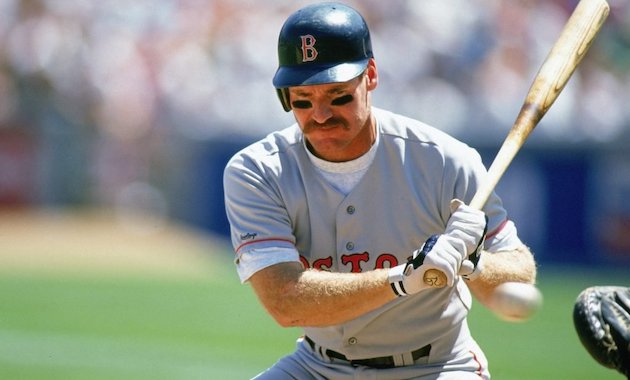
Over the course of his 18-year career, Boggs amassed a staggering array of statistical achievements that place him among the all-time greats. He finished his career with a .328 batting average, 3,010 hits, and 578 doubles. Boggs’ 12 consecutive seasons with at least 200 hits—a feat accomplished from 1983 to 1994—remains one of the most remarkable streaks in baseball history.
Equally impressive was his ability to get on base. Boggs finished his career with a .415 on-base percentage, reflecting his exceptional discipline and contact skills. He drew 1,412 walks, while striking out only 745 times, an extraordinary ratio that underscores his mastery of the strike zone. While he was not a prolific home run hitter, finishing with 118 career homers, Boggs’ ability to hit for average and reach base consistently made him one of the most valuable players of his era.
In addition to his batting prowess, Boggs was an excellent defensive player. He won two Gold Glove Awards (1994 and 1995) for his work at third base, a position he manned with consistency and reliability. While not the flashiest defender, Boggs’ strong instincts and soft hands made him a steady presence at the hot corner.
Wade Boggs’ career was punctuated by moments of brilliance that showcased his dominance as a hitter. One of his most memorable seasons came in 1987, when he hit .363 with 24 home runs, 40 doubles, and 108 RBIs. The power surge was an outlier for Boggs, who typically prioritized contact over slugging, but it demonstrated his ability to adapt and deliver in a variety of ways. His .461 on-base percentage that season led the league, further cementing his status as one of the game’s elite offensive players.
Another highlight came in 1985, when Boggs hit .368 to win his second batting title and led the league with 240 hits. His consistency throughout the season was astonishing, as he delivered multi-hit games with regularity and confounded pitchers with his ability to find gaps in the defense. Boggs’ mastery of the art of hitting was on full display, earning him widespread acclaim as the best pure hitter in baseball.
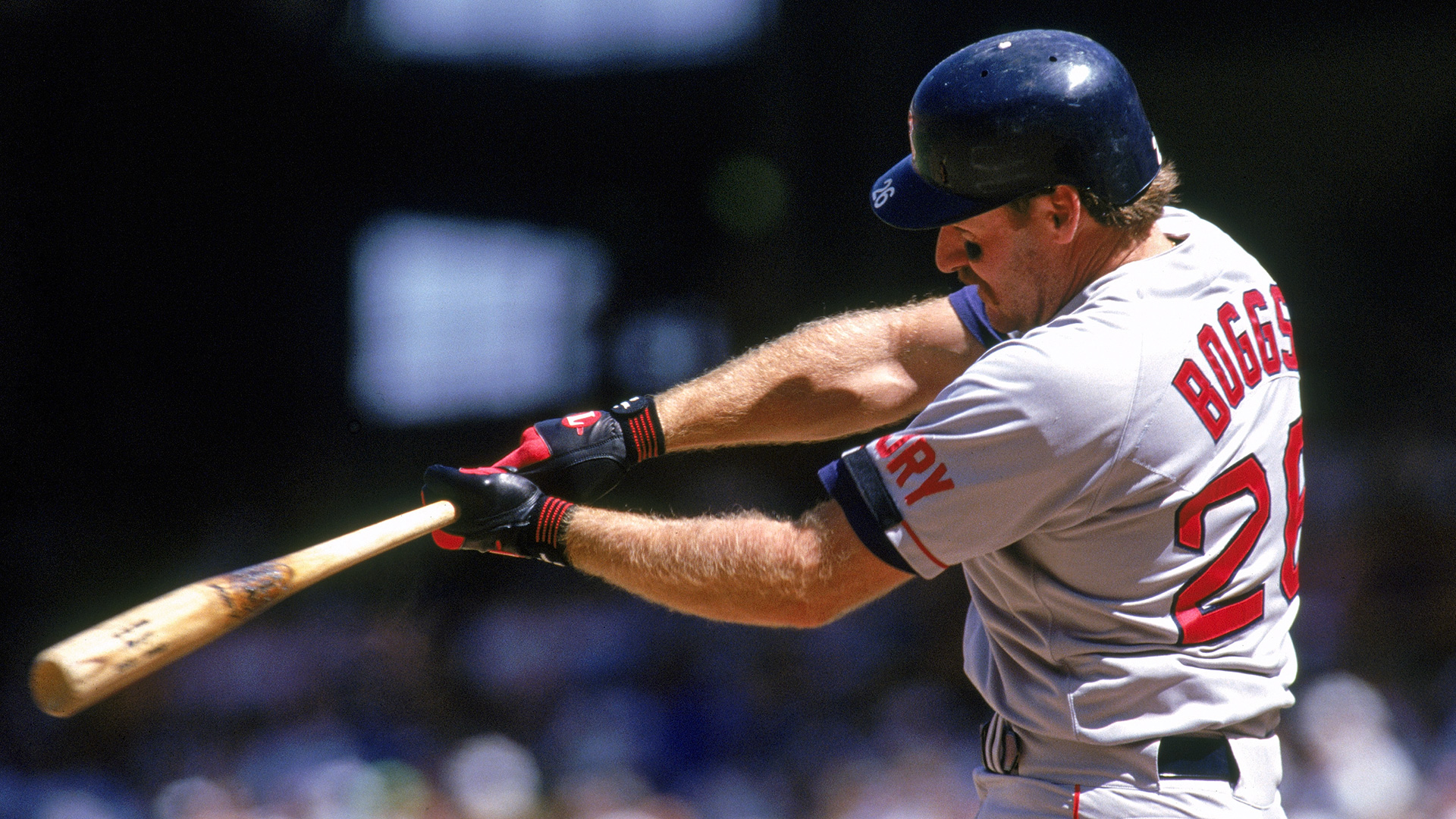
Boggs also excelled on the postseason stage. In 1996, as a member of the New York Yankees, he played a key role in the team’s World Series victory over the Atlanta Braves. Boggs famously drew a crucial bases-loaded walk in Game 4, helping the Yankees mount a dramatic comeback. The image of Boggs riding a police horse around Yankee Stadium after the series-clinching win remains one of the iconic moments of his career.
Wade Boggs was as much known for his quirks and rituals as he was for his hitting prowess. One of the most famous anecdotes about Boggs is his legendary pregame routine, which included eating chicken before every game. This habit earned him the nickname “Chicken Man” and became a defining aspect of his persona. Boggs also adhered to a strict schedule, arriving at the ballpark at the same time each day and performing his pregame drills with meticulous precision.
Boggs’ superstitions extended to his on-field behavior. He was known to draw the Hebrew word “chai,” meaning “life,” in the dirt before each at-bat, a ritual that reflected his deeply ingrained routines. These habits, while unconventional, were a testament to Boggs’ mental discipline and focus, qualities that played a crucial role in his success.
Off the field, Boggs was known for his affable personality and sense of humor. He was a beloved figure in the clubhouse and often served as a mentor to younger players. Despite his achievements, Boggs remained humble and approachable, endearing himself to fans and teammates alike.
Wade Boggs’ impact on baseball extended far beyond his remarkable statistics. He helped redefine the role of the leadoff hitter, demonstrating that a player need not rely on speed to excel at the top of the lineup. Boggs’ ability to get on base and set the table for his team’s sluggers made him a critical component of any offense. His approach emphasized discipline, preparation, and precision, qualities that served as a model for future generations of players.
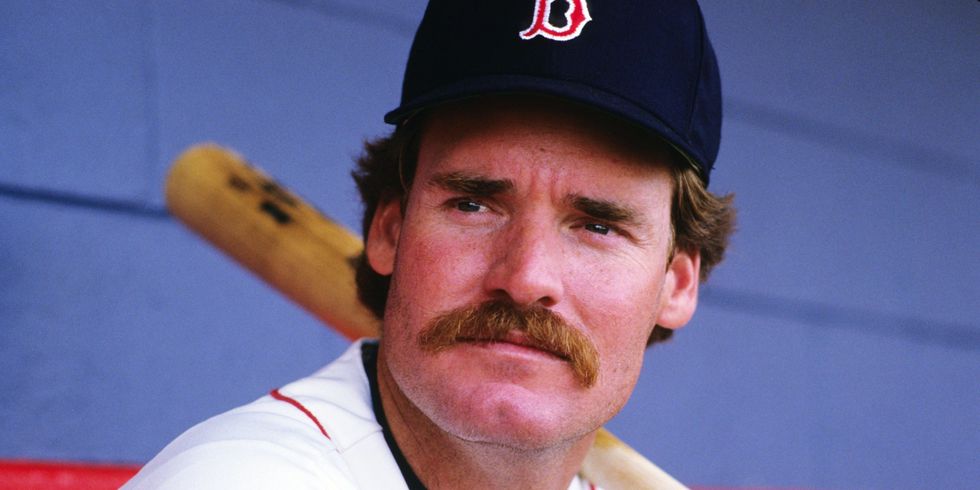
Boggs also elevated the profile of third basemen in the game. While the position has traditionally been associated with power hitters, Boggs demonstrated that a third baseman could excel as a high-average, high-OBP player. His defensive contributions further underscored the importance of well-rounded play at the hot corner.
Beyond his on-field contributions, Boggs’ influence can be seen in the respect and admiration he garnered from his peers. He was widely regarded as one of the most intelligent and dedicated players of his era, and his legacy as a student of the game continues to inspire aspiring hitters.
Wade Boggs’ MLB career stands as a testament to the power of discipline, consistency, and precision. Over 18 seasons, he achieved a level of excellence that few players in baseball history have matched. His 3,010 hits, five batting titles, and .328 career average place him among the all-time greats, while his impact on the game’s culture and strategy ensures his enduring legacy.
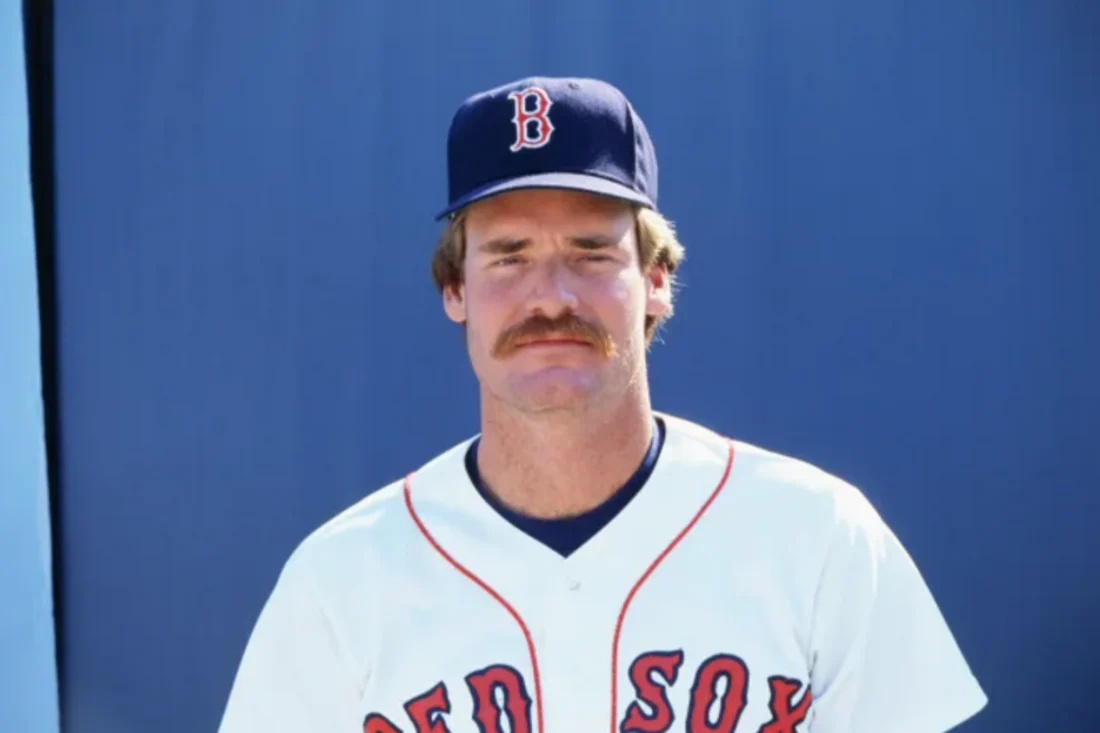
Boggs was not merely a great hitter; he was a craftsman, an artist who approached the game with the meticulousness of a master at work. His dedication to preparation, his quirky personality, and his relentless pursuit of excellence made him one of the most fascinating figures in baseball history. Wade Boggs’ contributions to the sport extend far beyond his numbers, embodying the timeless qualities that make baseball the cherished game it is.




 The Baseball Scholar
Leave a comment