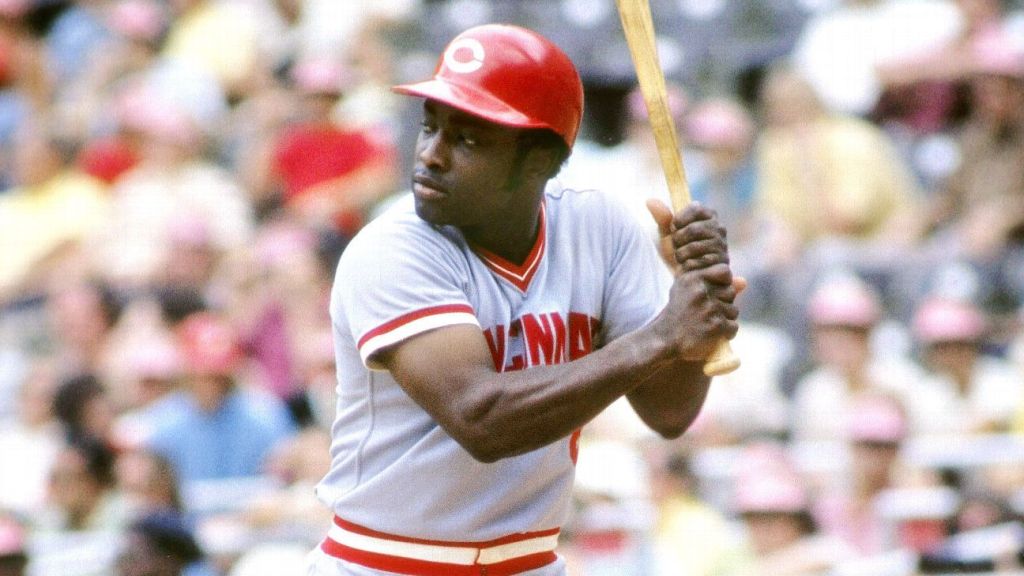
Joe Morgan, one of the greatest second basemen in Major League Baseball (MLB) history, left an indelible mark on the sport with his exceptional skill, intelligence, and leadership. Over a 22-year career spanning from 1963 to 1984, Morgan built a legacy defined by his offensive prowess, defensive excellence, and contributions to one of baseball’s most dominant teams, the Cincinnati Reds’ “Big Red Machine.” Known for his combination of power, speed, and strategic acumen, Morgan became a symbol of the modern, multi-dimensional ballplayer. Beyond his on-field achievements, Morgan’s influence extended to the broadcast booth, where he became a respected voice of the game. This essay explores Joe Morgan’s MLB career, delving into his statistics, achievements, and lasting impact on baseball.
Joe Leonard Morgan was born on September 19, 1943, in Bonham, Texas, and raised in Oakland, California. From an early age, Morgan displayed a passion for baseball, honing his skills on local sandlots. Despite his relatively small stature—he stood 5 feet 7 inches tall—Morgan’s talent and determination set him apart. He attended Castlemont High School in Oakland before playing at Oakland City College, where he continued to excel.
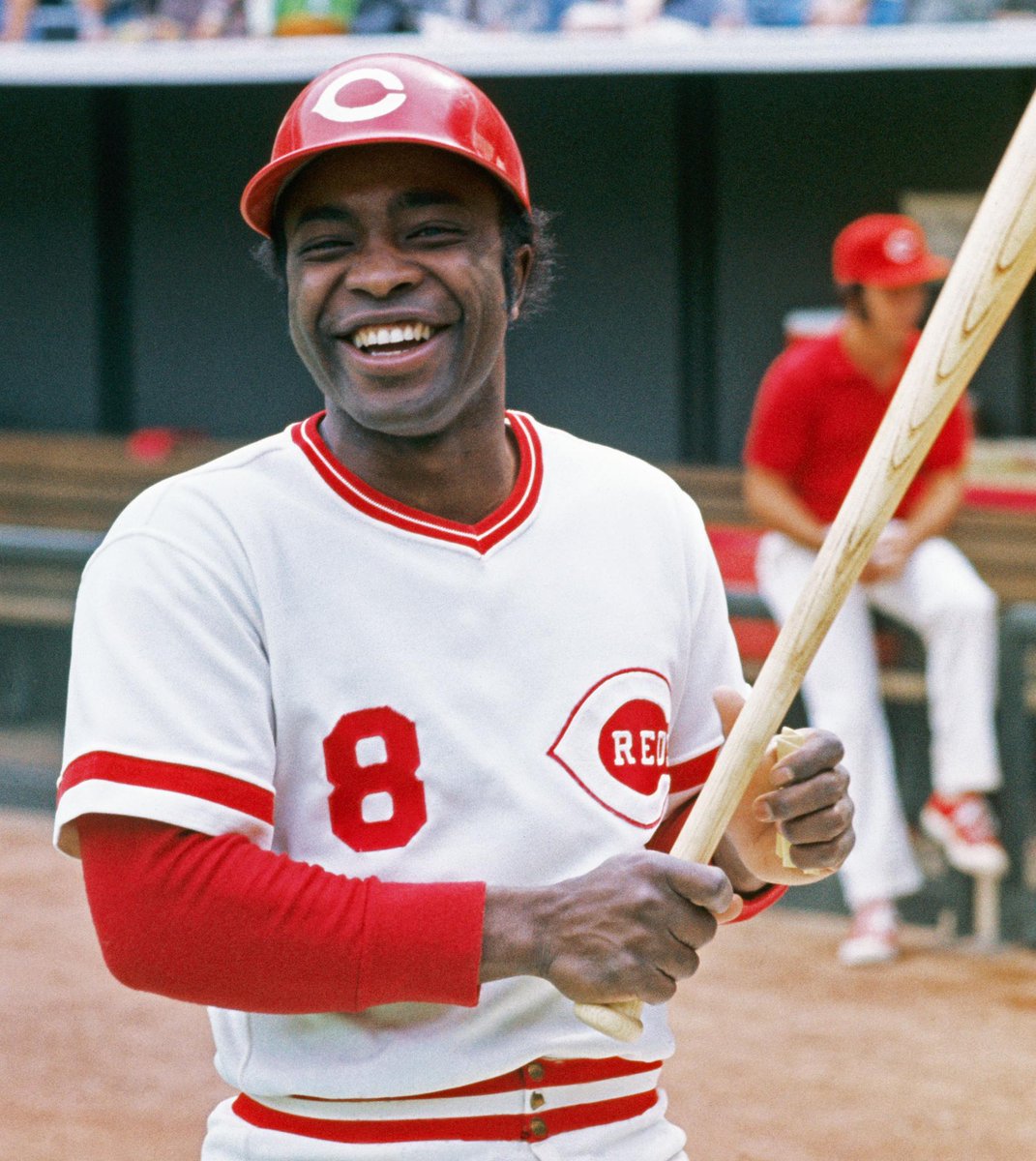
In 1962, Morgan was signed by the Houston Colt .45s, later renamed the Houston Astros, as an amateur free agent. After a brief stint in the minor leagues, Morgan made his MLB debut on September 21, 1963. Although his early years in the majors were marked by inconsistency, he quickly established himself as a promising young player with exceptional speed, plate discipline, and defensive skills.
Joe Morgan spent the first nine seasons of his career with the Houston Astros, where he developed into one of the most dynamic players in the league. During his tenure with the Astros, Morgan demonstrated his ability to get on base and create scoring opportunities. He was particularly adept at drawing walks, a skill that would become a hallmark of his career. In 1965, his first full season, Morgan hit .271 with 14 home runs, 40 RBIs, and 100 runs scored. He also stole 20 bases, showcasing the speed that would make him one of the premier base stealers of his era.
Morgan’s performance continued to improve, and by the late 1960s, he was one of the Astros’ most valuable players. In 1971, he had a breakout season, hitting .256 with 13 home runs, 56 RBIs, and 40 stolen bases. He also led the National League in walks with 115, contributing to a robust on-base percentage of .410. Despite his individual success, the Astros struggled to contend in the highly competitive National League.
A turning point in Morgan’s career came after the 1971 season, when he was traded to the Cincinnati Reds in a blockbuster deal. This trade would prove transformative for both Morgan and the Reds, as he became the centerpiece of one of the greatest teams in baseball history.

Joe Morgan’s arrival in Cincinnati marked the beginning of his prime and one of the most successful periods in MLB history. As the second baseman for the “Big Red Machine,” Morgan played alongside legends such as Johnny Bench, Pete Rose, and Tony Perez. Together, they formed a lineup that dominated the National League throughout the 1970s.
Morgan’s impact on the Reds was immediate and profound. In his first season with the team in 1972, he hit .292 with 16 home runs, 73 RBIs, and 58 stolen bases. He also led the league in walks (115) and on-base percentage (.417), earning his first All-Star selection and helping the Reds reach the World Series. Although the Reds fell to the Oakland Athletics in a tightly contested seven-game series, Morgan’s performance solidified his reputation as one of the league’s elite players.
The peak of Morgan’s career came during the mid-1970s, when he won back-to-back National League Most Valuable Player (MVP) Awards in 1975 and 1976. In 1975, Morgan hit .327 with 17 home runs, 94 RBIs, and 67 stolen bases. He led the league in on-base percentage (.466) and OPS (1.020), while also providing Gold Glove-caliber defense at second base. That year, the Reds won 108 games and captured their first World Series title since 1940, defeating the Boston Red Sox in one of the most memorable Fall Classics in history.
Morgan’s 1976 season was equally spectacular. He batted .320 with 27 home runs, 111 RBIs, and 60 stolen bases, again leading the league in on-base percentage (.444) and OPS (1.020). The Reds repeated as World Series champions, sweeping the New York Yankees to cement their status as one of the greatest teams ever assembled. Morgan’s combination of power, speed, and defensive excellence made him the heart and soul of the Big Red Machine, and his leadership was instrumental in the team’s success.
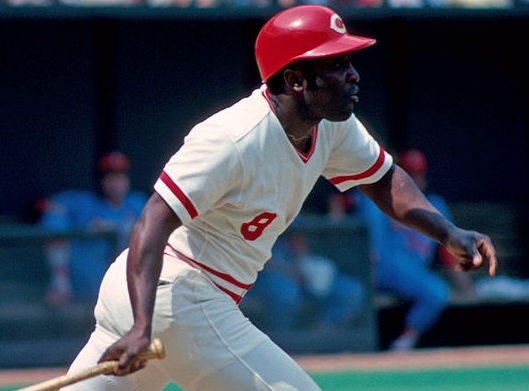
During his eight seasons with the Reds, Morgan earned eight consecutive All-Star selections (1972-1979), won five Gold Gloves (1973-1977), and led the league in on-base percentage and walks multiple times. He finished his Reds career with a .288 batting average, 152 home runs, 612 RBIs, and 406 stolen bases. His contributions helped define an era of dominance for Cincinnati and solidified his place as one of the greatest second basemen in history.
After leaving the Reds following the 1979 season, Joe Morgan continued to play at a high level with several teams, including the Houston Astros, San Francisco Giants, Philadelphia Phillies, and Oakland Athletics. While his production declined somewhat in his later years, Morgan remained a valuable player, particularly for his leadership and experience.
In 1982, as a member of the Giants, Morgan had a resurgent season, hitting .289 with 14 home runs, 61 RBIs, and 24 stolen bases. He won the Silver Slugger Award and finished 16th in MVP voting. Morgan’s contributions helped the Giants contend in the National League West, and his memorable home run on the final day of the season eliminated the Dodgers from playoff contention.
Morgan retired after the 1984 season, concluding a remarkable career that spanned over two decades. He finished with a .271 batting average, 268 home runs, 1,133 RBIs, 1,650 runs scored, and 689 stolen bases. His 1,865 walks rank fifth all-time, and his career on-base percentage of .392 underscores his exceptional plate discipline.

Joe Morgan’s impact on baseball extends far beyond his impressive statistics. As one of the first players to combine power, speed, and plate discipline in such an effective manner, Morgan helped redefine the role of the second baseman. His ability to excel in all facets of the game set a new standard for what a middle infielder could achieve.
Morgan’s success with the Big Red Machine elevated him to legendary status, and his back-to-back MVP Awards remain a rare feat in baseball history. His contributions to Cincinnati’s World Series titles in 1975 and 1976 are remembered as some of the most significant achievements in the sport.
Off the field, Morgan’s influence continued as a broadcaster and advocate for the game. He served as a color commentator for ESPN’s “Sunday Night Baseball” for over two decades, earning praise for his insightful analysis and deep understanding of the game. Morgan’s dedication to promoting baseball and mentoring young players further solidified his legacy as one of the sport’s great ambassadors.
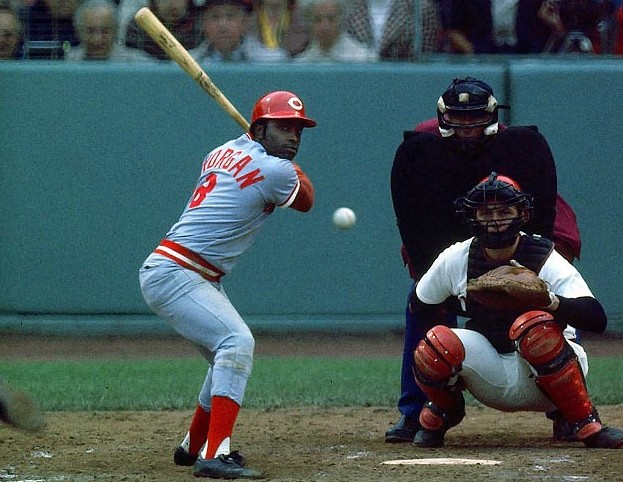
In 1990, Joe Morgan was inducted into the Baseball Hall of Fame in his first year of eligibility, receiving 81.8% of the vote. His plaque in Cooperstown commemorates his extraordinary career and lasting contributions to the game.
Joe Morgan’s MLB career is a testament to excellence, versatility, and leadership. From his early years with the Houston Astros to his iconic tenure with the Cincinnati Reds and beyond, Morgan consistently demonstrated his ability to excel at the highest level. His combination of power, speed, and intelligence made him one of the most complete players in baseball history, while his impact on the game—both on and off the field—continues to be felt to this day. As a player, broadcaster, and trailblazer, Joe Morgan’s legacy stands as a shining example of what it means to be a true baseball legend.



 The Baseball Scholar
Leave a comment