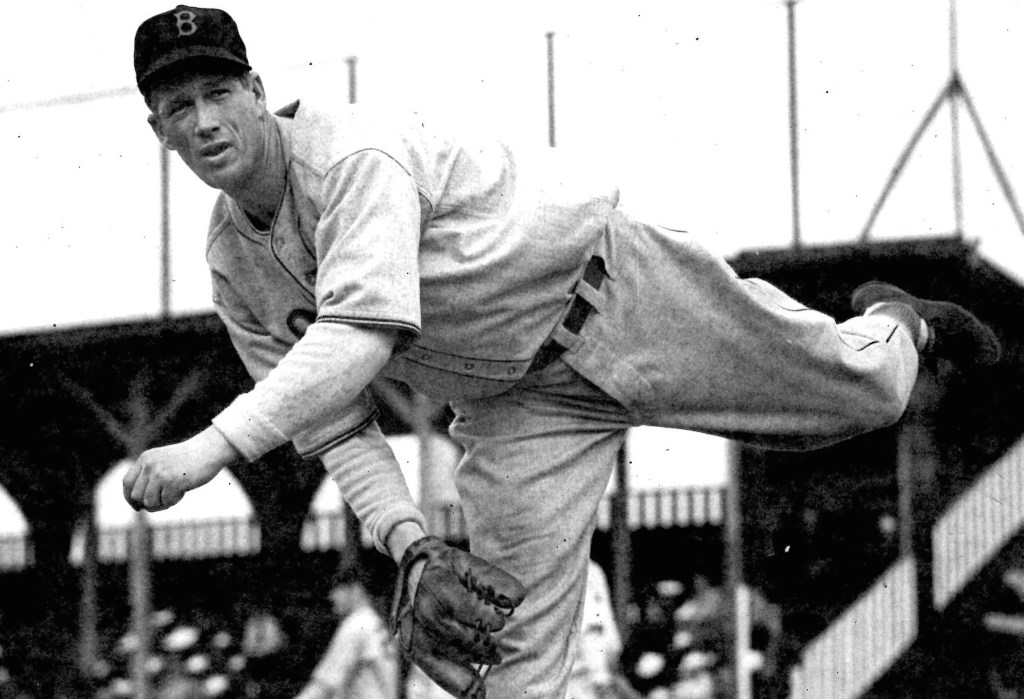
Lefty Grove, born Robert Moses Grove on March 6, 1900, in Lonaconing, Maryland, stands as one of the most dominant and celebrated pitchers in Major League Baseball (MLB) history. Over a career that spanned 17 seasons from 1925 to 1941, Grove established himself as an indomitable force on the mound, earning a reputation for his blazing fastball, fierce competitive spirit, and unmatched consistency. Grove’s achievements, both statistical and historical, highlight his unparalleled talent and impact on the game. From his beginnings in the minor leagues to his record-breaking performances in the majors, Lefty Grove’s career exemplifies the pinnacle of pitching excellence.
Robert Moses Grove grew up in the small coal-mining town of Lonaconing, where he developed his toughness and resilience. Grove initially worked in a steel mill before discovering his prodigious talent for pitching. His first break came when he joined the minor leagues, pitching for the Martinsburg Blue Sox of the Blue Ridge League in 1920. There, Grove’s overpowering fastball quickly drew attention, and he soon caught the eye of legendary scout Jack Dunn, who signed him to the Baltimore Orioles of the International League.

During his five years with the Orioles, Grove honed his skills and dominated opposing hitters. In 1921, he posted a record of 25-10 with a 2.56 ERA, and his performances continued to improve. His minor league career peaked in 1924 when he went 26-6 with an astonishing 1.73 ERA, solidifying his status as a major league prospect. Grove’s dominance in the minors eventually led to his purchase by the Philadelphia Athletics in 1925 for $100,600—an astronomical sum at the time, reflecting the immense promise he held.
Lefty Grove made his MLB debut on April 14, 1925, with the Philadelphia Athletics. Although his rookie season showed glimpses of his potential, it also revealed some growing pains. Grove finished the year with a 10-12 record and a 4.75 ERA. However, he struck out 116 batters, demonstrating the raw power and velocity that would become his trademarks.
The following seasons saw Grove refine his control and establish himself as one of the most dominant pitchers in baseball. From 1926 to 1933, Grove’s performances elevated the Athletics to perennial contenders. His breakout season came in 1926, when he posted a 13-13 record with a 2.51 ERA and led the league in strikeouts with 194. By 1928, Grove had developed into an ace, finishing the season with a 24-8 record, a 2.58 ERA, and 183 strikeouts.
The years between 1929 and 1933 represent the pinnacle of Lefty Grove’s career, coinciding with the Philadelphia Athletics’ dominance in the American League (AL). During this period, Grove cemented his status as the best pitcher in baseball, delivering extraordinary performances both in the regular season and postseason.

In 1929, the Athletics captured the AL pennant and went on to win the World Series, defeating the Chicago Cubs in five games. Grove played a crucial role in the team’s success, finishing the regular season with a 20-6 record, a 2.81 ERA, and 170 strikeouts. In the World Series, he came out of the bullpen to earn a save in Game 1 and secured a win in Game 4, showcasing his versatility and clutch pitching.
The 1930 season was one of the finest in Grove’s career. He led the league in wins (28), ERA (2.54), and strikeouts (209), achieving the pitcher’s Triple Crown. Grove’s dominance on the mound earned him the AL MVP Award, a rare feat for a pitcher. His contributions helped the Athletics win their second consecutive World Series, this time against the St. Louis Cardinals. Grove’s mastery during this period highlighted his ability to excel under pressure and deliver in crucial moments.
The 1931 season marked the apex of Grove’s career. He posted a league-best 31-4 record, a 2.06 ERA, and 175 strikeouts, once again claiming the Triple Crown. Grove’s .886 winning percentage remains one of the highest single-season marks in MLB history. Despite the Athletics’ loss to the Cardinals in the World Series, Grove’s individual achievements underscored his unparalleled brilliance.
From 1932 to 1933, Grove continued to dominate, leading the league in ERA both years and adding another 24-win season in 1932. His consistency and ability to adapt to hitters made him virtually unhittable, and his leadership helped sustain the Athletics’ success.
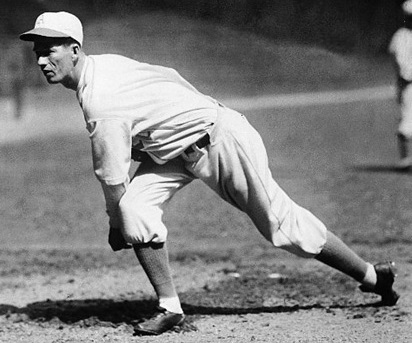
In 1934, the Athletics traded Grove to the Boston Red Sox in a cost-cutting move. Despite initial concerns about his durability, Grove proved that he still had plenty left in the tank. Although his fastball had lost some velocity, he compensated with pinpoint control and a deeper understanding of pitching strategy.
With the Red Sox, Grove reinvented himself as a finesse pitcher. He led the league in ERA four more times (1935, 1936, 1938, and 1939), showcasing his ability to adapt and remain effective. His 1938 season was particularly remarkable; at the age of 38, Grove posted a 14-4 record with a 3.08 ERA, leading the league in ERA for the ninth and final time in his career.
Grove’s final MLB season came in 1941, at the age of 41. He finished his career with a 7-7 record and a 4.37 ERA, bringing his remarkable journey to a close. Over 17 seasons, Grove compiled a career record of 300-141, a 3.06 ERA, and 2,266 strikeouts. His .680 winning percentage remains one of the highest in MLB history, reflecting his consistent excellence.
Lefty Grove’s career is filled with accolades and records that underscore his greatness. He was a two-time World Series champion (1929, 1930), a six-time All-Star, and a one-time MVP. Grove led the league in ERA nine times, the most in MLB history, and won 20 or more games in eight seasons. His 300 career wins and 2,266 strikeouts place him among the all-time greats, and his ability to dominate across two decades speaks to his extraordinary skill and adaptability.

Lefty Grove’s impact on baseball extends beyond his statistics. He set a standard for pitching excellence that influenced generations of players. Grove’s fiery competitiveness and relentless work ethic inspired teammates and intimidated opponents. His success demonstrated the importance of adaptability, as he transitioned from a power pitcher to a control specialist in the latter stages of his career.
Grove’s achievements also helped elevate the profile of pitchers during an era dominated by offensive stars. His ability to dominate hitters in a high-scoring environment highlighted the value of elite pitching and underscored the importance of balance in building championship teams.
In 1947, Lefty Grove was inducted into the Baseball Hall of Fame, a fitting recognition of his remarkable career. His legacy endures as one of the greatest pitchers in MLB history, and his name remains synonymous with excellence on the mound. Grove’s influence can be seen in the countless pitchers who have sought to emulate his dominance, control, and competitive spirit.
Lefty Grove’s MLB career is a testament to the power of talent, determination, and adaptability. From his early days in the minor leagues to his dominance with the Philadelphia Athletics and longevity with the Boston Red Sox, Grove’s journey is one of unparalleled success. His statistical achievements, including nine ERA titles, 300 career wins, and two World Series championships, place him among the all-time greats. Beyond the numbers, Grove’s impact on the game and his enduring legacy as a standard-bearer for pitching excellence ensure that his name will be remembered as one of baseball’s true legends.



 The Baseball Scholar
Leave a comment