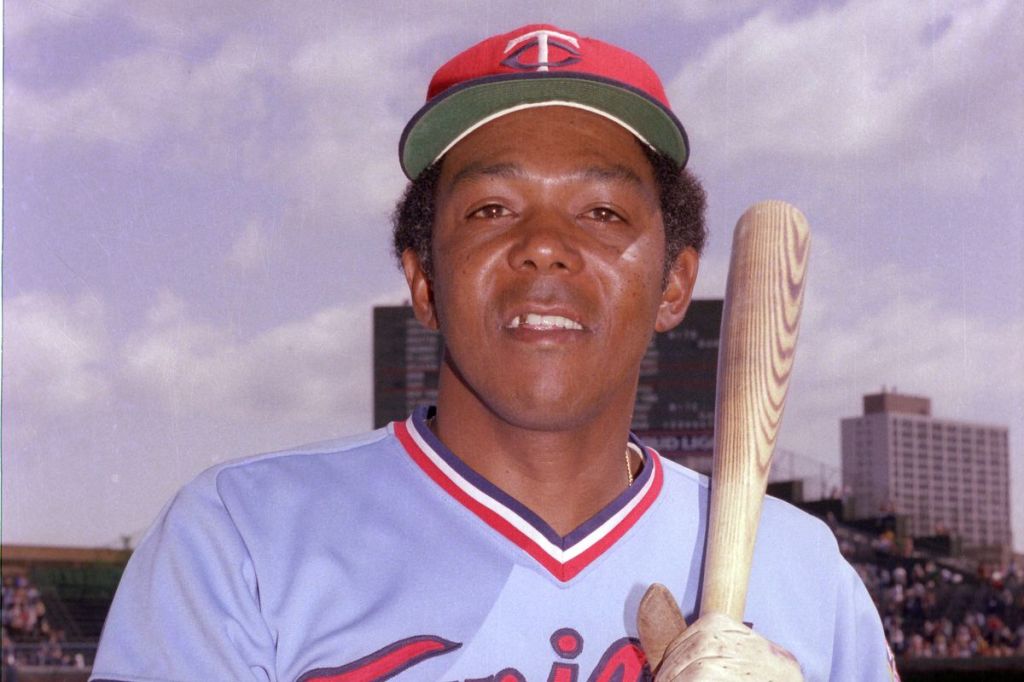
Tony Oliva’s Major League Baseball career stands as a testament to perseverance, talent, and the influence of international players on America’s pastime. As one of the most dynamic hitters of the 1960s and early 1970s, Oliva became an icon for the Minnesota Twins and an inspiration for Latin American ballplayers seeking to make their mark in the Major Leagues. His journey from Cuba to MLB stardom was filled with challenges, triumphs, and an undeniable impact on the game.
Born Pedro Antonio Oliva Lopez on July 20, 1938, in Pinar del Río, Cuba, Oliva was raised in a baseball-loving family. Growing up in Cuba, he honed his skills by playing in the streets and local fields, demonstrating natural athleticism and a smooth left-handed swing that would later become his trademark. His father, who was also a strong ballplayer, nurtured his talent and encouraged his development. The political climate in Cuba during Oliva’s youth complicated his journey to the United States, as the revolution under Fidel Castro led to strict restrictions on Cuban athletes playing abroad. Despite these difficulties, Oliva’s skills were undeniable, and he caught the attention of Major League scouts who sought to bring his talents to the U.S.
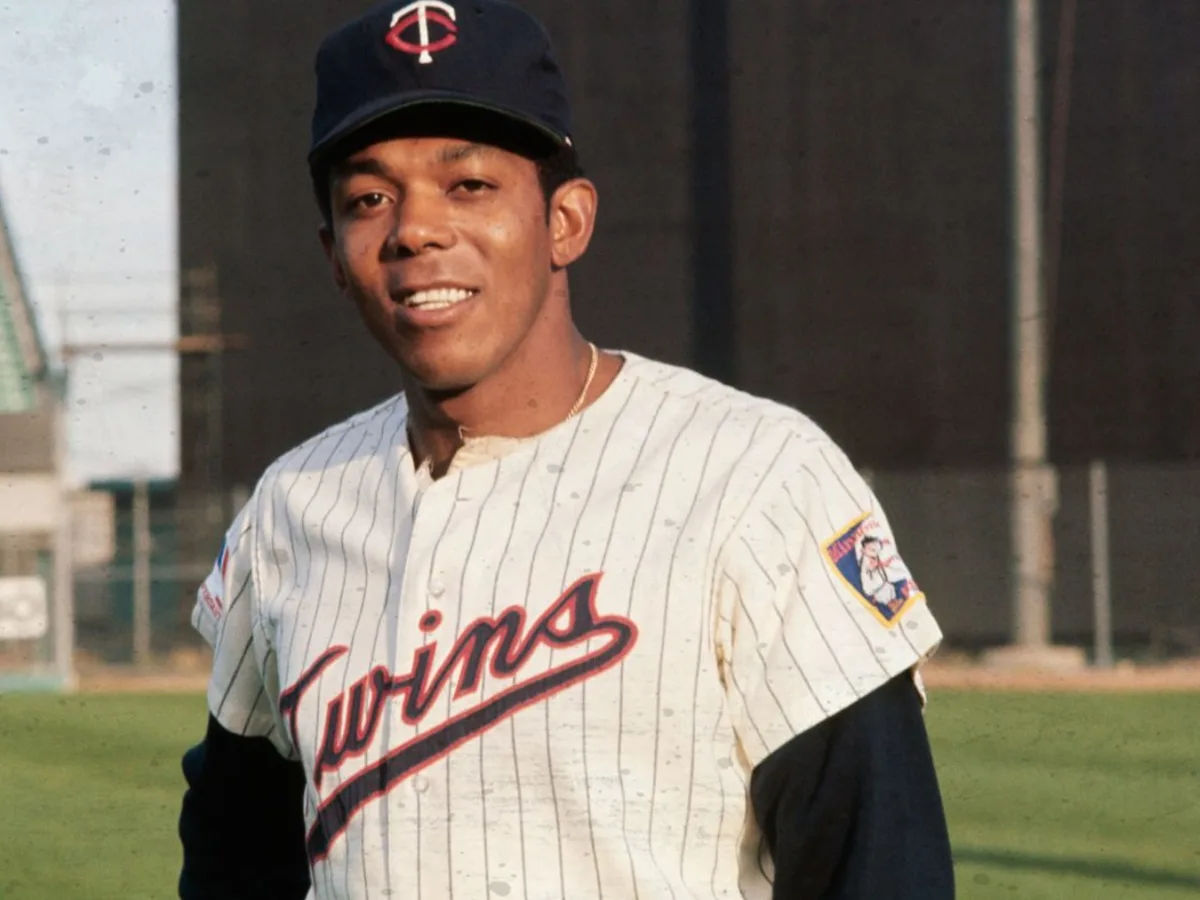
In 1961, Oliva made his way to the United States under a false name, using his brother’s identity to escape the growing political tensions in Cuba. He was signed by the Minnesota Twins, an organization that recognized his potential despite his relatively unknown status among American baseball circles. However, breaking into the Major Leagues was not immediate. Oliva faced challenges adjusting to life in a new country, including the language barrier and cultural differences. He spent time in the minor leagues, refining his skills and proving his worth before finally making his Major League debut with the Twins in 1962.
After a brief stint in the Majors, Oliva returned to the minors for additional seasoning. By 1964, he was ready to showcase his talent, earning a starting role in the Twins’ outfield. His rookie season was nothing short of phenomenal, as he became the first player in Major League history to win the batting title in his debut season. He finished the year with a .323 batting average, 32 home runs, 94 RBIs, and a league-leading 217 hits. This extraordinary performance earned him the American League Rookie of the Year award and signaled the arrival of a new superstar in Minnesota.
Oliva continued his dominance throughout the mid-1960s, establishing himself as one of the most feared hitters in the game. He won his second consecutive batting title in 1965, hitting .321 and leading the Twins to the American League pennant. The Twins faced the Los Angeles Dodgers in the World Series, marking the franchise’s first appearance in the Fall Classic since relocating from Washington, D.C. Oliva performed well on baseball’s biggest stage, but the Twins ultimately fell to the Dodgers in seven games. Despite the loss, Oliva’s reputation as an elite hitter was solidified.
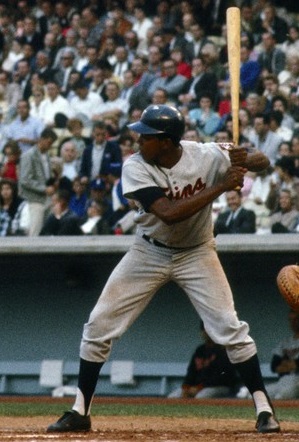
Throughout his career, Oliva was known for his sweet left-handed swing and ability to hit for both average and power. His quick wrists allowed him to drive the ball to all fields, making him one of the toughest outs in the game. From 1964 to 1971, Oliva was named an All-Star eight consecutive times, further proving his consistency and excellence at the plate. He led the American League in hits five times and won three batting titles, finishing among the top hitters in nearly every offensive category.
In addition to his offensive prowess, Oliva was a solid defensive outfielder. He possessed a strong and accurate arm, making him a valuable asset in right field. In 1966, he won a Gold Glove Award, showcasing his all-around ability on the diamond. His contributions to the Twins were instrumental in keeping the team competitive throughout the late 1960s and early 1970s.
However, injuries began to take a toll on Oliva’s career. Chronic knee problems started to affect his mobility and ability to play in the outfield regularly. By the early 1970s, he transitioned to a designated hitter role, a move that allowed him to continue contributing offensively despite his declining defensive capabilities. The newly implemented designated hitter rule in the American League in 1973 provided Oliva with an opportunity to extend his career, though he was never quite the same player he had been in his prime.
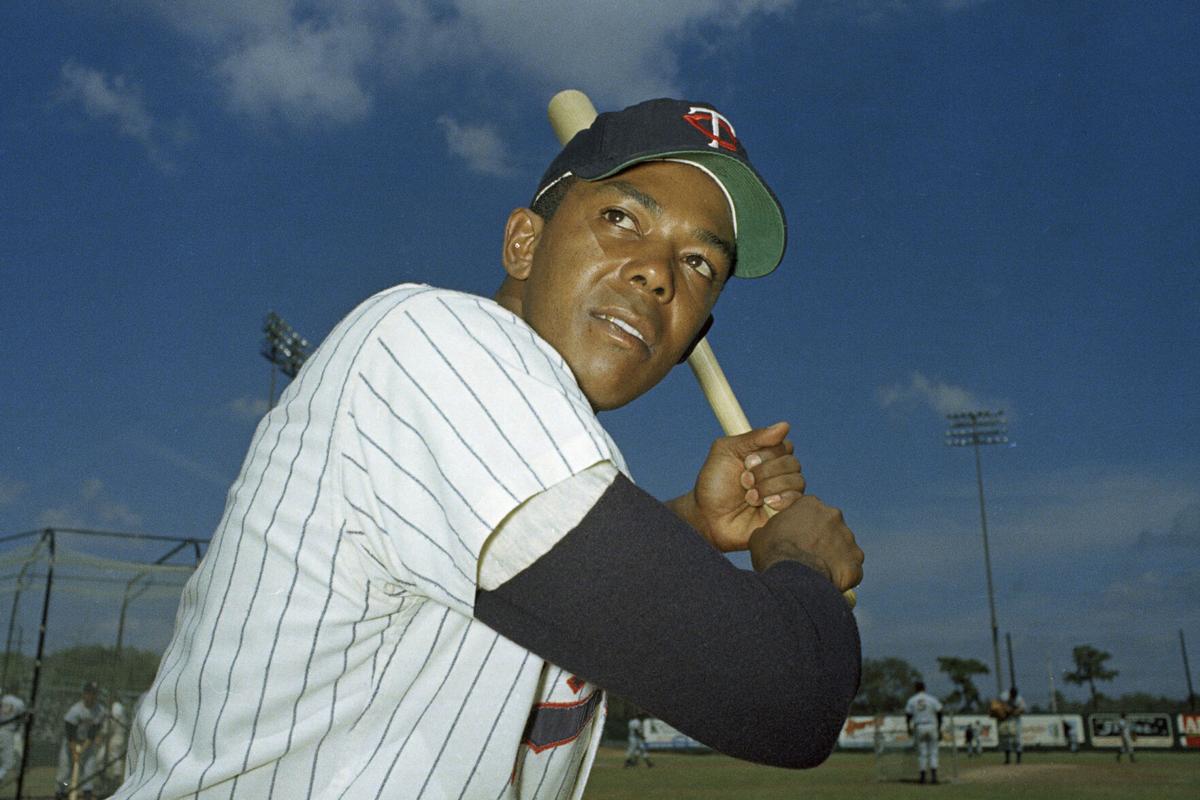
Despite his knee issues, Oliva remained a productive hitter into the mid-1970s. He finished his career with a lifetime .304 batting average, 1,917 hits, 220 home runs, and 947 RBIs. While his career numbers may not match those of some of his Hall of Fame contemporaries, his impact on the game and his dominance during his peak years were undeniable. Oliva’s ability to hit consistently over a prolonged period, coupled with his influence as a pioneering Latin American player, left an indelible mark on Major League Baseball.
After retiring as a player, Oliva remained closely tied to the Twins organization. He served as a coach, mentor, and ambassador for the team, helping to develop young talent and sharing his wealth of knowledge with future generations. His presence in the clubhouse and dedication to the sport endeared him to fans and players alike, further cementing his legacy in Minnesota.
One of the unique aspects of Oliva’s career is the perseverance he demonstrated in overcoming barriers that many Latin American players of his era faced. He played during a time when few Cuban players had established themselves in the Major Leagues, and he became a role model for those who followed. His success helped pave the way for other Cuban-born stars, demonstrating that talent could transcend language and cultural barriers. His journey from a small town in Cuba to the highest levels of professional baseball is a testament to determination and skill.
Despite his impressive resume, Oliva’s Hall of Fame induction was delayed for many years, largely due to the relatively short length of his career. While he was consistently one of the best hitters in the game during his peak, injuries curtailed his playing time, leaving his overall career statistics slightly below traditional Hall of Fame benchmarks. However, in 2021, Oliva finally received the recognition he deserved when he was elected to the Hall of Fame by the Golden Days Era Committee. His induction was a long-overdue honor that acknowledged not only his individual achievements but also his broader impact on the sport.
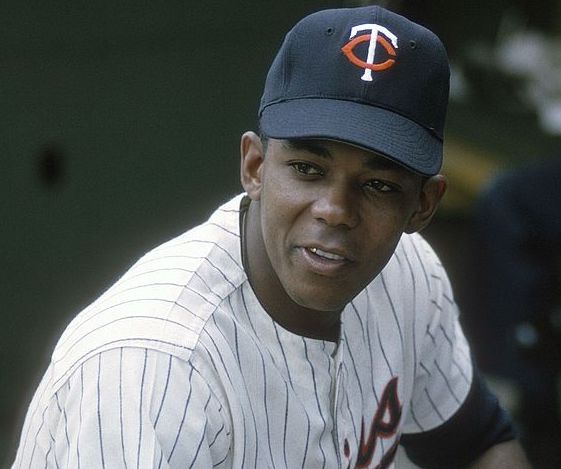
Tony Oliva’s legacy is one of excellence, perseverance, and inspiration. His contributions to the Minnesota Twins and Major League Baseball as a whole cannot be overstated. As one of the premier hitters of his generation, he set a standard for offensive consistency and helped bridge the gap for Latin American players seeking opportunities in the Majors. His smooth swing, friendly demeanor, and resilience in the face of adversity make him one of the most beloved figures in baseball history. Though injuries may have shortened his career, his impact on the game remains enduring, ensuring that future generations will remember his contributions to America’s pastime.



 The Baseball Scholar
Leave a comment