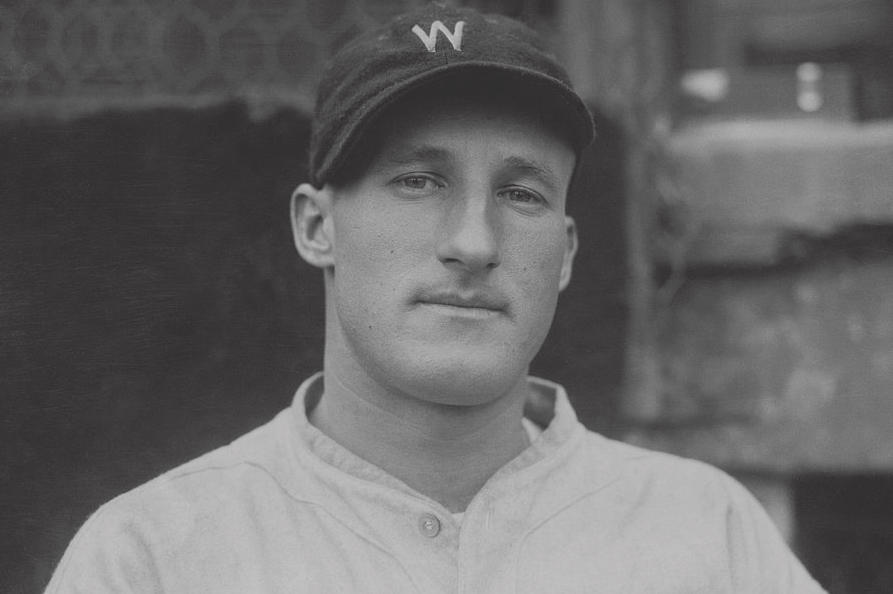
Goose Goslin was one of the premier hitters of the 1920s and 1930s, a left fielder whose consistency, power, and ability to perform in clutch moments made him one of the defining players of his era. A key member of the Washington Senators and later the Detroit Tigers, Goslin played a vital role in multiple pennant-winning teams and left a lasting mark on baseball history. His impressive career statistics, including over 2,700 hits, 248 home runs, and 1,609 RBIs, established him as one of the most formidable offensive players of his time. Beyond the numbers, Goslin’s impact on the game extended to his leadership, his postseason heroics, and his contributions to the teams he played for, culminating in his induction into the Baseball Hall of Fame in 1968.
Leon Allen Goslin was born on October 16, 1900, in Salem, New Jersey. Growing up in a rural setting, young Goslin developed his baseball skills on local sandlots, displaying a natural ability for hitting. His distinctive nickname, “Goose,” came from his awkward running style and lanky frame, which made him resemble a goose in motion. Despite his somewhat unorthodox appearance on the field, his talent was undeniable, and by the time he reached his teenage years, it was clear that he had a future in professional baseball.
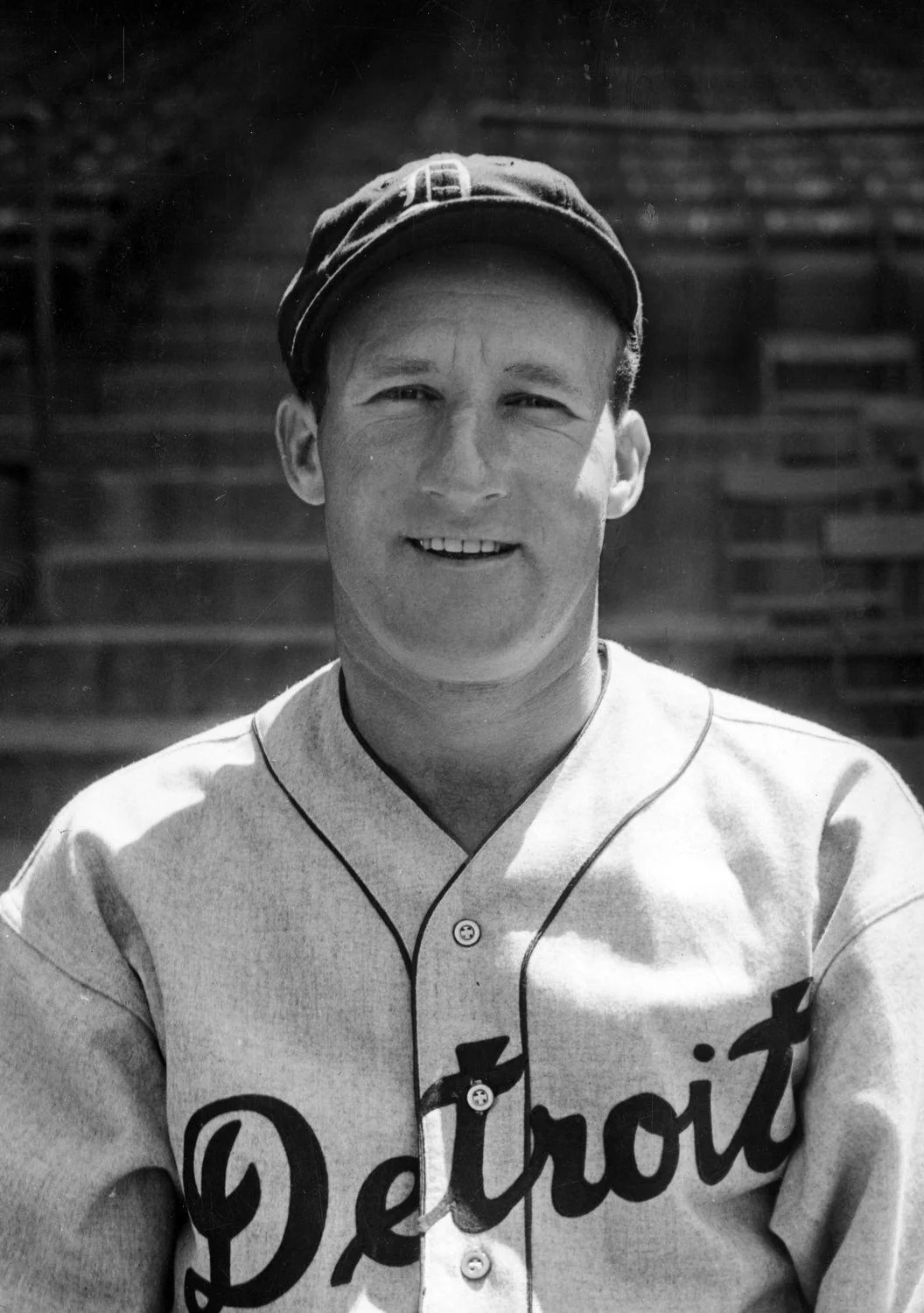
Goslin began his professional career in the minor leagues, where his batting skills quickly stood out. In 1920, at the age of 19, he was playing for the Columbia Comers in the South Atlantic League, and it didn’t take long for major league teams to take notice of his talent. The Washington Senators purchased his contract in 1921, and he made his major league debut later that year. Though he was still a raw talent, his ability to hit for both average and power was evident from the start.
By 1922, Goslin had secured a regular role in the Senators’ lineup, and he quickly developed into one of the team’s most dangerous hitters. That season, he hit .324 in 94 games, showcasing his ability to consistently make contact and drive the ball to all fields. Over the next few seasons, he continued to improve, establishing himself as one of the premier hitters in baseball. In 1923, he batted .300 with 10 home runs and 99 RBIs, solidifying his place as a key player in the Senators’ offense.
The mid-1920s saw Goslin rise to superstardom. In 1924, he had one of the finest seasons of his career, hitting .344 with 12 home runs, 129 RBIs, and a league-leading 17 triples. His performance was instrumental in leading the Washington Senators to their first American League pennant. The Senators, long an also-ran in the league, had built a strong team around players like Goslin, Hall of Fame pitcher Walter Johnson, and second baseman Bucky Harris. That year, the Senators advanced to the World Series, facing the heavily favored New York Giants.
The 1924 World Series was one of the most thrilling in baseball history, and Goslin played a pivotal role in the Senators’ success. He hit .344 during the series, belting three home runs and driving in seven runs. His offensive production helped propel Washington to a dramatic seven-game victory, culminating in Walter Johnson’s legendary relief appearance in Game 7. It was the only World Series title in the history of the Washington Senators, and Goslin was one of the key reasons for their triumph. His performance on baseball’s biggest stage cemented his reputation as one of the game’s premier clutch hitters.
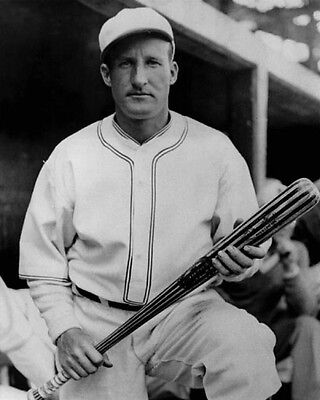
Goslin followed up his championship season with another incredible year in 1925. That season, he led the American League with 113 RBIs while hitting .334 with 18 home runs. Once again, the Senators won the American League pennant, earning a return trip to the World Series, this time against the Pittsburgh Pirates. Goslin was outstanding in the series, batting .308 with a home run and six RBIs. However, despite his efforts, the Senators fell to the Pirates in seven games, unable to capture back-to-back titles.
Throughout the late 1920s, Goslin remained one of the most consistent and feared hitters in the game. In 1928, he had one of his finest seasons, batting .379 with 17 home runs, 102 RBIs, and a league-leading .614 slugging percentage. He narrowly missed winning the American League batting title that year, finishing just behind Heinie Manush. Despite his remarkable production, the Senators struggled to maintain their status as contenders, and in 1930, Goslin was traded to the St. Louis Browns.
His time in St. Louis was productive, though the team itself was not a contender. In 1930, he hit .326 with 37 doubles and 100 RBIs, continuing to demonstrate his ability to hit for both power and average. However, the Browns were a struggling franchise, and after two seasons, Goslin was traded back to the Senators in 1933.
The trade proved to be beneficial for both Goslin and the Senators, as the team returned to prominence that season, winning the American League pennant. At age 32, Goslin remained a key offensive force, batting .297 with 10 home runs and 104 RBIs. Washington advanced to the 1933 World Series, where they faced the New York Giants. Goslin performed well in the series, but the Senators ultimately fell to the Giants in five games, marking the end of their brief resurgence.
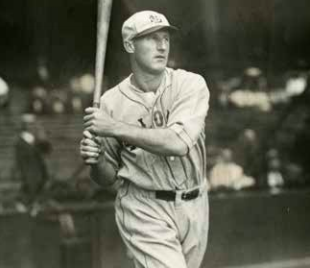
Following the 1933 season, Goslin was traded once again, this time to the Detroit Tigers, where he would spend the final years of his career. The move to Detroit proved to be a significant one, as he became an integral part of a Tigers team that was on the rise. In 1934, Goslin helped lead the Tigers to the American League pennant, hitting .305 with 13 home runs and 100 RBIs. The Tigers faced the St. Louis Cardinals in the World Series, but despite Goslin’s strong performance, Detroit lost in seven games.
Determined to bounce back, the Tigers returned to the World Series in 1935, and this time, Goslin played a crucial role in securing the championship. The series against the Chicago Cubs went six games, and in the deciding Game 6, Goslin delivered the biggest hit of his career—a game-winning RBI single in the bottom of the ninth inning that clinched the title for the Tigers. The victory gave Goslin his second World Series championship, cementing his reputation as a player who thrived in high-pressure situations.
Goslin played two more seasons with the Tigers before retiring after the 1938 season. Over the course of his 18-year career, he accumulated 2,735 hits, 248 home runs, and 1,609 RBIs while maintaining a .316 career batting average. He was one of the most consistent and productive hitters of his era, finishing in the top 10 in MVP voting five times and playing a key role in five World Series appearances.
Goslin’s impact on baseball extended beyond his impressive statistics. He was a player who consistently delivered in crucial moments, earning a reputation as one of the greatest clutch hitters of his generation. His ability to perform under pressure, combined with his well-rounded offensive game, made him one of the most valuable players of the 1920s and 1930s.

In 1968, nearly three decades after his retirement, Goslin was elected to the Baseball Hall of Fame by the Veterans Committee, an honor that recognized his immense contributions to the game. Though he may not have received the same level of recognition as some of his contemporaries, his legacy remains strong as one of the finest hitters and outfielders of his era. His name is forever linked with the Washington Senators, the Detroit Tigers, and some of the most memorable moments in baseball history.
Goose Goslin’s career is a testament to perseverance, consistency, and excellence. Whether it was his impact in the World Series, his ability to hit for both power and average, or his contributions to championship-winning teams, he left an indelible mark on the sport. His place in baseball history is secure, and his contributions to the game continue to be remembered by those who appreciate the great players of the past.



 The Baseball Scholar
Leave a comment