
Bobby Abreu was one of the most consistent and underrated players of his era, known for his ability to get on base, hit for power, and steal bases with remarkable efficiency. Over an 18-year Major League Baseball career, Abreu established himself as one of the best all-around players of his generation. Though he was never the most talked-about superstar, his statistical achievements and impact on the game place him among the elite outfielders of his time. A two-time All-Star, Gold Glove winner, and one of the most disciplined hitters in modern history, Abreu’s legacy is built on his unique combination of power, speed, and plate discipline. His career offers a fascinating look at a player who consistently performed at an elite level but often remained underappreciated in discussions of baseball’s greats.
Born on March 11, 1974, in Turmero, Venezuela, Bob Kelly Abreu grew up in a country that had already begun producing some of baseball’s most talented players. From an early age, Abreu displayed exceptional athletic ability, and his natural baseball instincts set him apart from his peers. His smooth left-handed swing, sharp batting eye, and speed on the basepaths made him a highly sought-after prospect. The Houston Astros recognized his potential and signed him as an amateur free agent in 1990 when he was just 16 years old.
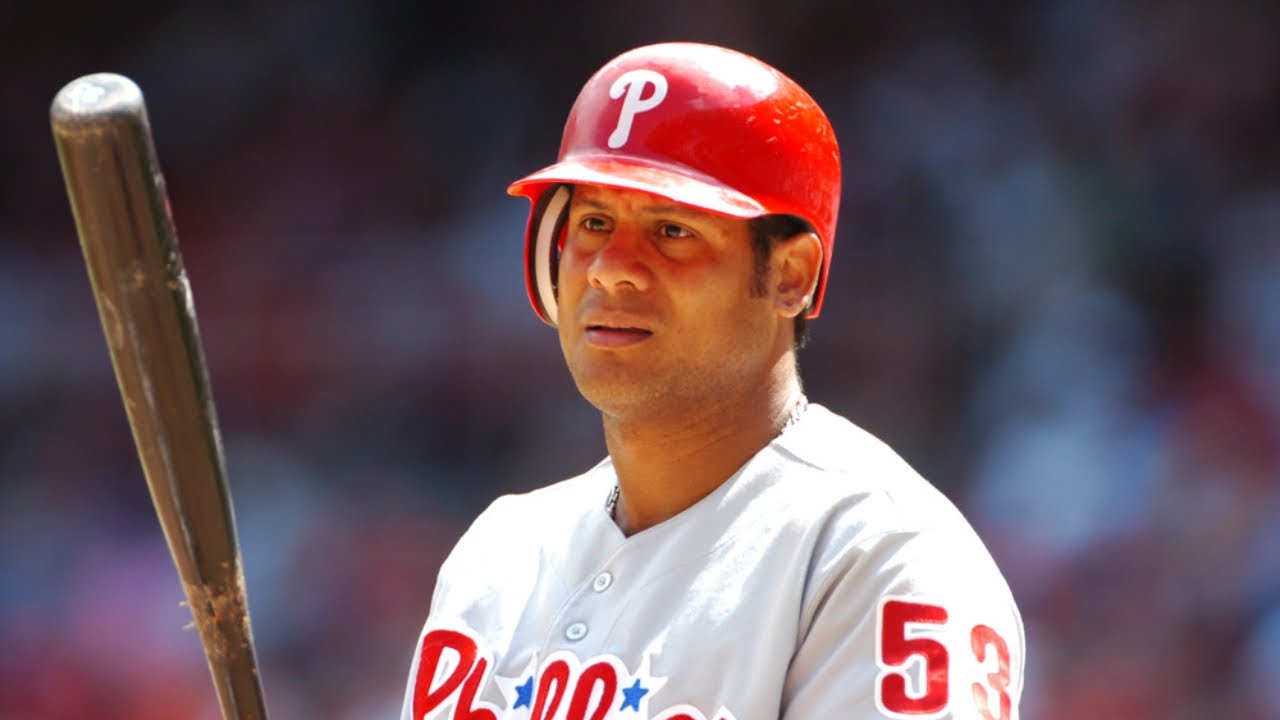
Abreu spent several years developing in the Astros’ minor league system, refining his approach at the plate and growing into his power. He quickly gained a reputation for his ability to draw walks and hit for a high average, traits that would define his career at the major league level. In 1996, he made his MLB debut with the Astros, appearing in just 15 games. While he did not make an immediate impact in Houston, his talent was undeniable. However, the Astros failed to see Abreu’s full potential, and in a move that would come back to haunt them, they left him unprotected in the 1997 expansion draft, where he was selected by the Tampa Bay Devil Rays. Before he ever played a game for Tampa Bay, Abreu was traded to the Philadelphia Phillies for shortstop Kevin Stocker. That trade would go down as one of the most lopsided in MLB history, as Abreu blossomed into a star in Philadelphia.
Upon arriving in Philadelphia, Abreu immediately became one of the most productive and well-rounded hitters in baseball. In his first full season with the Phillies in 1998, he batted .312 with 17 home runs, 74 RBIs, and 19 stolen bases. His ability to hit for average, power, and steal bases made him a rare five-tool player. The following season, Abreu further cemented his status as a premier hitter, batting .335 with a .446 on-base percentage and 103 RBIs. His combination of patience at the plate and power was becoming increasingly valuable in a game that was shifting toward high-strikeout, high-power hitters.
Abreu’s discipline at the plate was one of his most defining characteristics. He routinely ranked among the league leaders in walks and on-base percentage, showing a level of patience that was ahead of its time. He posted a career on-base percentage of .395, an elite mark that demonstrated his ability to control at-bats and force pitchers into making mistakes. Abreu’s keen eye made him one of the toughest outs in baseball, as he rarely swung at pitches outside of the strike zone and was adept at working deep counts.
Between 1999 and 2004, Abreu was the model of consistency, averaging .300 at the plate with 25 home runs, 95 RBIs, and 30 stolen bases per season. He developed into one of the best all-around offensive players in the National League, yet he rarely received the same attention as some of his contemporaries. Part of this was due to playing for the Phillies, who struggled to reach the postseason for much of his tenure. Despite the lack of national recognition, those who followed the game closely understood how valuable Abreu was to his team.
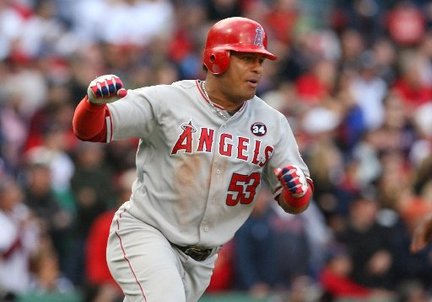
In 2004, Abreu reached new heights by putting together one of the finest seasons of his career. He batted .301 with 30 home runs, 105 RBIs, and 40 stolen bases, becoming just the fifth player in MLB history at the time to achieve a 30-30 season (30 home runs and 30 stolen bases). His all-around ability made him a nightmare for opposing pitchers, as he could change the game with both his bat and his speed. That same year, he earned his first All-Star selection, an overdue honor considering his sustained excellence.
One of the most memorable moments of Abreu’s career came in 2005 when he participated in the Home Run Derby during All-Star Weekend. Representing the Phillies, he put on a legendary performance, setting a then-record by hitting 41 home runs across three rounds, including an astonishing 24 in the first round alone. His effortless swing and raw power were on full display, stunning fans and players alike. Although he was never known primarily as a power hitter, the Home Run Derby showcased his ability to hit the ball out of the park with ease.
Despite his individual success, the Phillies remained a middle-of-the-pack team throughout most of Abreu’s tenure. In 2006, as Philadelphia sought to retool its roster, Abreu was traded to the New York Yankees in midseason. The move marked a significant change for Abreu, as he went from playing on a rebuilding team to joining a perennial contender in the Bronx. With the Yankees, he continued to be an on-base machine, providing a steady bat in the lineup alongside superstars like Derek Jeter, Alex Rodriguez, and Jorge Posada.
Abreu played two and a half seasons with the Yankees, consistently putting up strong numbers. In 2007, he hit .283 with 16 home runs, 101 RBIs, and a .369 on-base percentage. His ability to get on base and work counts was a perfect fit for the Yankees’ lineup, and he played a crucial role in helping them reach the postseason in 2006 and 2007. However, after the 2008 season, the Yankees decided to move in a different direction, and Abreu signed a free-agent deal with the Los Angeles Angels.
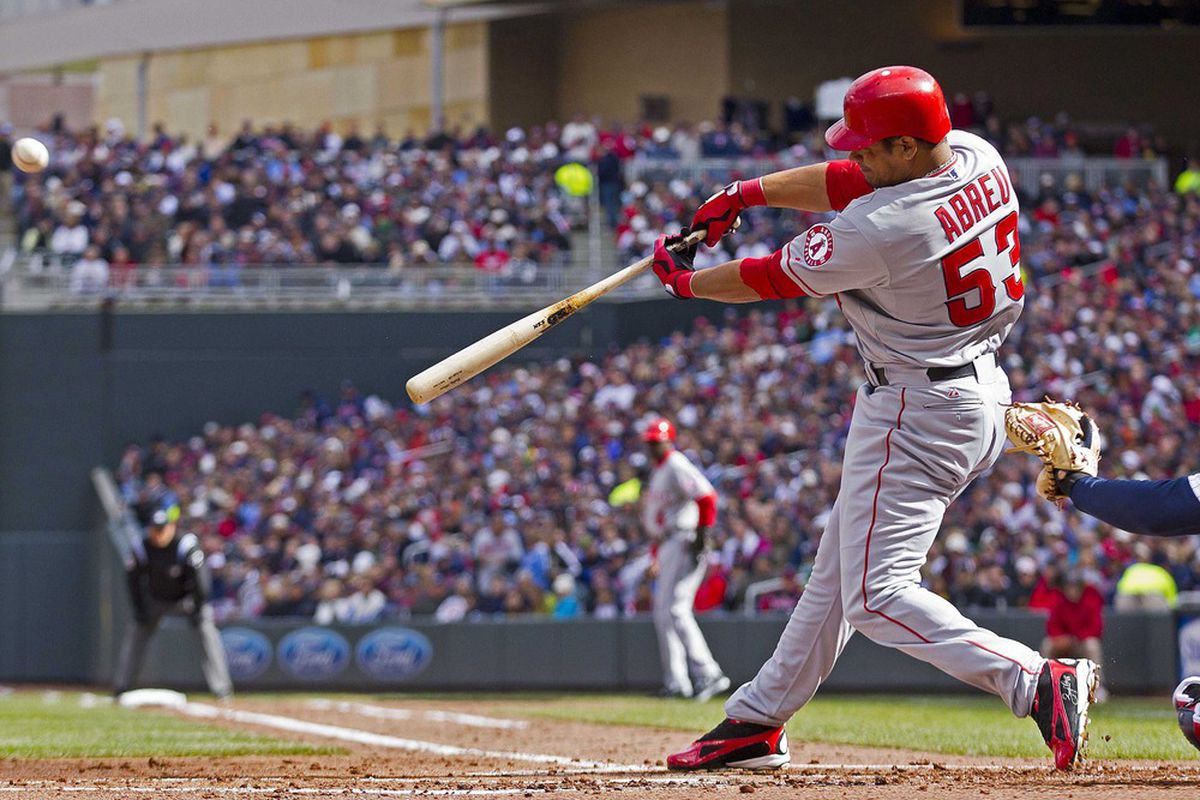
With the Angels, Abreu transitioned into more of a veteran leadership role while still maintaining his offensive production. In his first season with the team in 2009, he hit .293 with 103 RBIs and a .390 on-base percentage, helping the Angels reach the American League Championship Series. His presence in the lineup, along with his leadership in the clubhouse, was invaluable to a team filled with younger talent.
Abreu continued to play at a high level into his late 30s, though his power numbers declined as he aged. He spent time with the Angels, Dodgers, and Mets before retiring after the 2014 season. He finished his career with a .291 batting average, 2,470 hits, 288 home runs, 1,363 RBIs, 1,476 walks, and 400 stolen bases. His combination of hitting, speed, and patience at the plate made him one of the most well-rounded players of his generation.
Abreu’s impact on baseball goes beyond his impressive statistics. He was a pioneer in many ways, particularly in demonstrating the value of plate discipline. In an era when batting average and home runs were still the most celebrated offensive metrics, Abreu’s ability to draw walks and maintain a high on-base percentage set him apart. His approach to hitting, characterized by working deep counts and forcing pitchers into mistakes, became a model for future generations of hitters.
Despite his impressive numbers, Abreu remains one of the most underrated players in baseball history. His lack of mainstream recognition can be attributed to his quiet personality, his consistency (which often went unnoticed), and the fact that he played much of his career in markets that did not attract significant national attention. However, advanced metrics have helped highlight just how valuable Abreu was. His career WAR (Wins Above Replacement) of 60.2 places him among some of the greatest outfielders in baseball history, reinforcing the idea that he was far more impactful than many realized at the time.
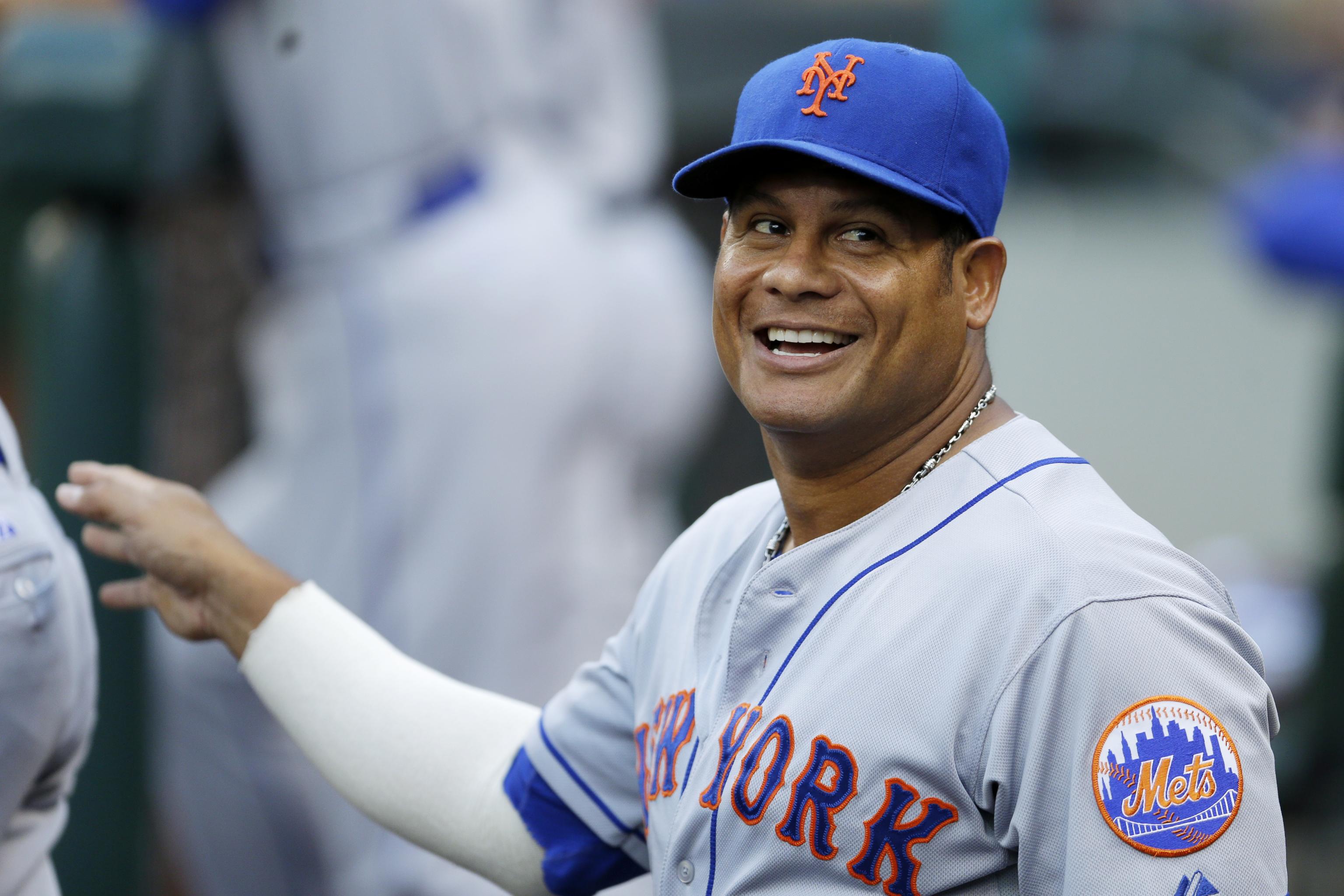
Ultimately, Bobby Abreu’s career is a testament to consistency, versatility, and excellence. He may not have received the same fanfare as some of his contemporaries, but his contributions to the game were immense. A true five-tool player with a legendary batting eye, he left a lasting legacy that will continue to be appreciated as baseball historians reassess the importance of his career. His influence on the game, particularly in how players approach plate discipline and on-base skills, ensures that his legacy will endure for years to come.



 The Baseball Scholar
Leave a comment