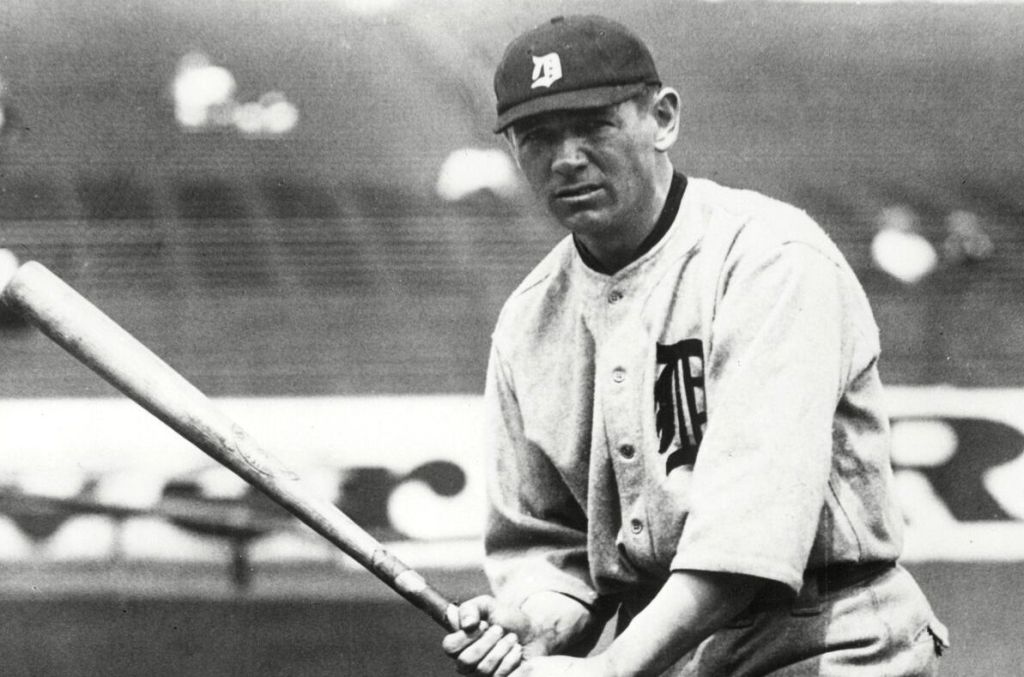
Harry Edwin Heilmann, widely regarded as one of the greatest hitters of his era, left an indelible mark on Major League Baseball (MLB) during his illustrious career in the early 20th century. Known for his consistent batting excellence, Heilmann played primarily for the Detroit Tigers and became one of the preeminent right-handed hitters of his time. His career was a masterclass in skill, determination, and perseverance, as he overcame challenges to establish himself as a Hall of Fame player. By examining Heilmann’s early life, statistical achievements, moments of dominance, and his impact on the game, one gains a deeper appreciation for the significance of his contributions to baseball.
Harry Heilmann was born on August 3, 1894, in San Francisco, California. Growing up in the Bay Area during a period of rapid cultural and technological change, Heilmann demonstrated a natural affinity for sports from a young age. While he excelled in various athletic pursuits, it was baseball that captured his imagination and ultimately became his life’s calling.
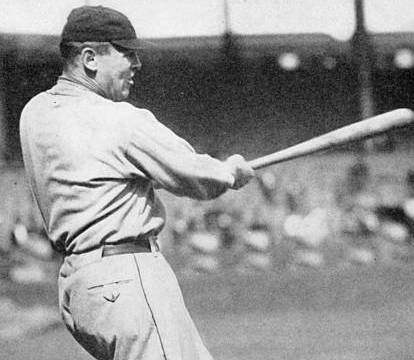
Heilmann attended Sacred Heart Cathedral Preparatory School, where his athletic prowess became evident. He played baseball as well as football, developing the coordination and strength that would later serve him well as a professional athlete. However, his life took a dramatic turn in 1906 when the San Francisco earthquake and ensuing fires devastated the city. The calamity forced many families, including Heilmann’s, to rebuild their lives from scratch, instilling in him a resilience and work ethic that would define his career.
Heilmann initially began working odd jobs to support himself while honing his baseball skills in local amateur leagues. His big break came when he caught the attention of professional scouts while playing semi-professional baseball in the Pacific Coast League. By the early 1910s, he had developed a reputation as a strong hitter with a natural ability to drive the ball to all fields. His success in the minors paved the way for his debut in MLB.
In 1914, Heilmann signed with the Detroit Tigers, beginning a major league career that would span 17 seasons. His early years in the majors were marked by learning and adjustment. Playing alongside legends like Ty Cobb, Heilmann initially struggled to find consistency at the plate. His rookie season saw him hit a modest .225 in 69 games, but his potential was evident to those who observed his smooth swing and sharp eye for the ball.
Heilmann’s early struggles in the majors were partially due to the era in which he played. The Dead Ball Era, characterized by low-scoring games and an emphasis on small ball, presented challenges for hitters who relied on power or gap-hitting. However, as the game began to evolve with the introduction of the livelier ball in the 1920s, Heilmann’s offensive production improved dramatically.
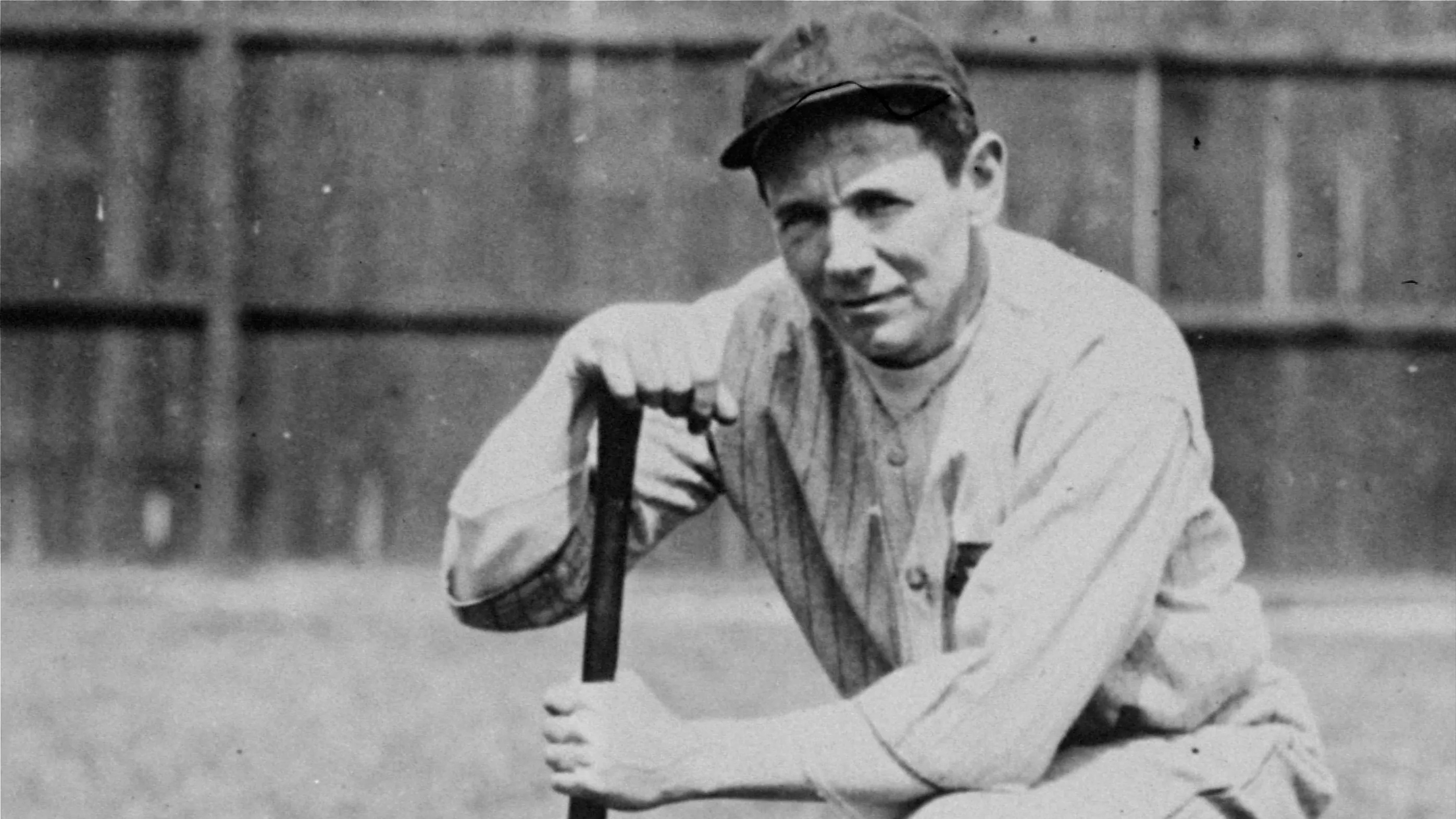
A turning point in Heilmann’s career came in 1921 when he hit .309 with 120 RBIs and 41 doubles. This season marked the beginning of a remarkable run of offensive dominance that would define the rest of his career. He developed a reputation as one of the most reliable hitters in the game, combining power with the ability to consistently make contact.
Heilmann’s career statistics are a testament to his incredible skill as a hitter. Over 2,148 games, he amassed 2,660 hits, 183 home runs, 1,543 RBIs, and a lifetime batting average of .342. His batting average ranks among the highest in MLB history, highlighting his ability to hit for average in an era where pitching often dominated the game.
Perhaps Heilmann’s most remarkable achievement was his ability to win four batting titles during his career. He captured the American League batting crown in 1921, 1923, 1925, and 1927, each time hitting above .390. His 1923 season was particularly noteworthy as he batted .403, becoming one of the few players in MLB history to surpass the .400 mark in a single season. These accomplishments placed him in elite company and solidified his reputation as one of the best right-handed hitters of all time.
Heilmann’s success at the plate was driven by his exceptional hand-eye coordination and disciplined approach to hitting. He was a master of situational hitting, capable of adjusting his swing based on the count, the pitcher, or the game situation. His ability to hit to all fields made him a nightmare for opposing defenses, as they struggled to predict where he would place the ball. Additionally, his power allowed him to drive the ball into the gaps and over the outfield walls, making him a consistent run producer.

Another aspect of Heilmann’s game that stood out was his performance in clutch situations. He had a knack for delivering key hits in pressure-filled moments, earning the respect of teammates and opponents alike. Whether it was a game-tying single or a decisive home run, Heilmann had the ability to rise to the occasion and deliver when it mattered most.
Heilmann’s career was filled with memorable performances that showcased his hitting prowess. One of the most iconic moments came during his 1923 batting-title campaign. In a critical game late in the season, Heilmann delivered a game-winning hit that helped the Tigers secure a victory and solidified his place as the league’s top hitter. His .403 batting average that year remains one of the highest single-season marks in MLB history.
Another standout season for Heilmann was 1927 when he won his fourth and final batting title with a .398 average. At the age of 33, Heilmann demonstrated that he was still capable of competing at the highest level, outpacing younger players to claim the league’s top batting honors. His consistency during this period was a testament to his dedication to his craft and his ability to adapt to the changing dynamics of the game.
Heilmann’s dominance extended beyond individual games and seasons. Over the course of his career, he consistently ranked among the league leaders in key offensive categories such as batting average, RBIs, and extra-base hits. His ability to sustain excellence over an extended period is one of the defining characteristics of his career.
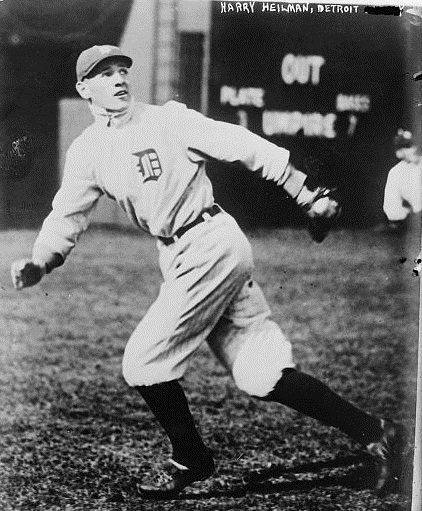
As a member of the Detroit Tigers, Heilmann played a pivotal role in the team’s success during the 1920s. Although the Tigers did not win a World Series during his tenure, Heilmann’s contributions were instrumental in keeping the team competitive in the American League. His ability to drive in runs and provide a steady presence in the middle of the lineup made him a cornerstone of the Tigers’ offense.
Heilmann’s partnership with Ty Cobb, another legendary hitter, created one of the most formidable duos in baseball history. While Cobb was known for his aggressive style and baserunning prowess, Heilmann complemented him with his power and consistency at the plate. Together, they formed the backbone of the Tigers’ lineup and provided fans with a dynamic offensive show.
Despite his success, Heilmann faced his share of challenges during his career. Like many players of his era, he dealt with injuries and the physical toll of playing in an age when medical advancements were limited. He also navigated the pressures of playing alongside larger-than-life personalities like Ty Cobb, whose intensity often created tension within the clubhouse.
Heilmann’s resilience and determination were evident in the way he overcame these obstacles. He continued to perform at a high level even as he aged, adapting his approach to remain effective against younger pitchers. His ability to maintain his performance over nearly two decades is a testament to his work ethic and love for the game.
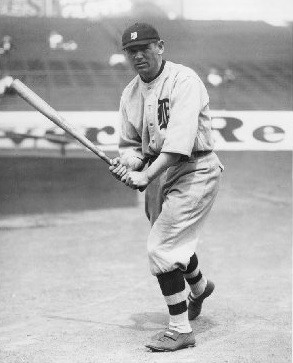
Harry Heilmann’s impact on the game of baseball extends far beyond his statistical achievements. As one of the premier hitters of his generation, he set a standard for excellence that inspired future players to emulate his approach. His ability to combine power with precision demonstrated the value of a well-rounded offensive game, influencing the way hitters approached their craft.
Heilmann’s contributions to the Tigers and MLB as a whole were recognized with his induction into the Baseball Hall of Fame in 1952. This honor cemented his place among the game’s all-time greats and ensured that his legacy would be remembered by future generations.
Beyond his individual accomplishments, Heilmann’s career serves as a reminder of the enduring appeal of baseball as a game of skill, strategy, and perseverance. His journey from a young boy in San Francisco to one of the greatest hitters in MLB history is a testament to the power of determination and the timeless allure of America’s pastime.
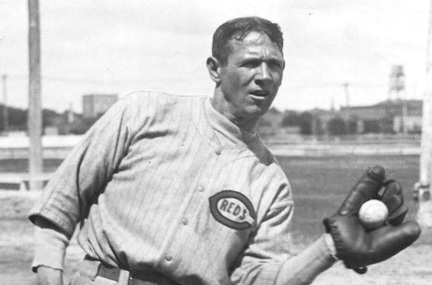
Harry Heilmann’s MLB career is a story of extraordinary talent, unwavering determination, and a profound impact on the game of baseball. From his early days in San Francisco to his dominance with the Detroit Tigers, Heilmann exemplified the qualities that define a Hall of Fame player. His statistical achievements, including four batting titles and a .342 career batting average, place him among the greatest hitters of all time. Moreover, his contributions to the Tigers and the broader baseball community highlight the enduring influence of his career. While the game has evolved in countless ways since Heilmann’s era, his legacy remains a source of inspiration for players and fans alike, reminding us of the timeless magic of baseball.


 The Baseball Scholar
Leave a comment