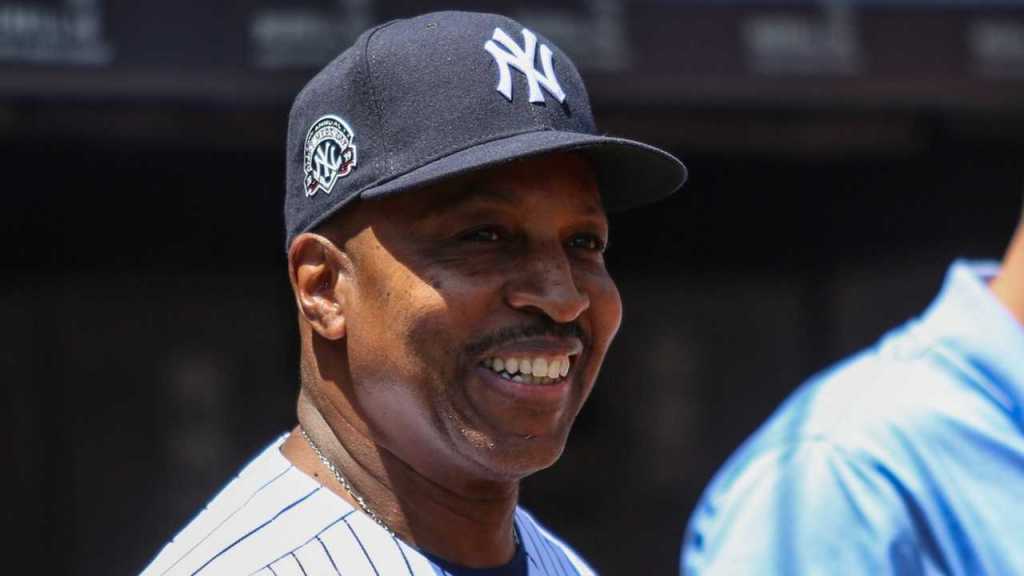
Willie Randolph, a name etched deeply in the annals of Major League Baseball history, was a player who exemplified consistency, quiet leadership, and an exceptional understanding of the game. Born on July 6, 1954, in Holly Hill, South Carolina, and raised in Brooklyn, New York, Randolph grew up surrounded by baseball culture. The streets of Brooklyn, where the echoes of the departed Dodgers still resonated, served as his early training ground. A standout athlete from a young age, Randolph’s baseball prowess became evident during his high school years at Samuel J. Tilden High School. There, he caught the attention of scouts and was drafted by the Pittsburgh Pirates in the seventh round of the 1972 MLB Draft. His rise through the minor leagues was steady, marked by a mature plate approach and defensive excellence that hinted at a long and successful professional career.
Randolph’s major league debut came in 1975 with the Pittsburgh Pirates, but it was a brief stint. That winter, a pivotal trade sent him to the New York Yankees, where he would make his lasting mark. The trade, which involved Dock Ellis and Ken Brett going to the Pirates in exchange for Randolph, Ken Brett, and Dock Ellis, proved to be one of the most significant deals in Yankees history. Randolph stepped into the Yankees’ infield as their second baseman in 1976, and he quickly became a fixture. That year, the Yankees won the American League pennant, signaling the beginning of a successful era for the franchise. Although they lost the World Series to the Cincinnati Reds’ “Big Red Machine,” Randolph’s presence at second base became instrumental to the Yankees’ resurgence.

Throughout his career, Randolph was known for his impeccable defense, intelligent base running, and patient batting eye. He wasn’t a power hitter, but his on-base skills made him an ideal table-setter. In 1976, his first full season, Randolph batted .267 with 105 hits and 58 walks, earning a spot in the All-Star Game. His consistent performance helped the Yankees reach the World Series again in 1977 and 1978, both times emerging victorious. These back-to-back championships cemented Randolph’s status as a core component of a dynasty.
Over his 18-year playing career, Randolph amassed a batting average of .276, with 2,210 hits, 687 RBIs, and 1,243 runs scored. Perhaps more impressive were his 1,243 walks, which nearly matched his run total, highlighting his disciplined approach at the plate. His on-base percentage stood at a sterling .373, and he stole 271 bases, using savvy rather than blazing speed. Randolph’s defensive contributions were equally valuable. He was a smooth fielder with a quick first step and reliable glove, often anchoring the middle infield alongside shortstops like Bucky Dent and later Andre Robertson and Bobby Meacham.
Randolph was a six-time All-Star and won a Silver Slugger Award in 1980, his best offensive season. That year, he batted .294 with a career-high .427 on-base percentage, 99 runs scored, and 30 stolen bases. His ability to control the strike zone and extend at-bats made him a constant thorn in the side of opposing pitchers. Even when his batting average fluctuated, Randolph’s keen batting eye ensured he remained valuable at the top of the lineup.

Throughout the 1980s, Randolph was a stabilizing force on a Yankees team that went through considerable managerial and roster changes. Despite the Yankees’ inconsistent performance during the decade, Randolph’s steady presence remained a rare constant. He served as co-captain of the Yankees from 1986 to 1988, a role that reflected his quiet leadership and the respect he commanded in the clubhouse. He was not known for fiery speeches or dramatic flair; instead, his leadership was rooted in example and professionalism. Younger players looked to him as a model of how to conduct oneself both on and off the field.
In the latter part of his playing career, Randolph transitioned to other teams, including the Los Angeles Dodgers, Oakland Athletics, Milwaukee Brewers, and finally the New York Mets in 1992, where he finished his playing days. Though no longer in his prime, Randolph provided veteran leadership and professionalism to these clubs, mentoring younger teammates and reinforcing the importance of discipline and preparation. His playing career concluded with a stat line that underlined his consistency and value: over 2,200 hits, more than 1,200 runs, and a nearly one-to-one walk-to-strikeout ratio.
After retiring, Randolph smoothly transitioned into coaching and later managing. He returned to the Yankees in 1994 as a base coach and eventually became the team’s bench coach, contributing to the club’s dominance in the late 1990s and early 2000s. As a coach under Joe Torre, Randolph was part of four World Series-winning teams and played a crucial role in the development of the Yankees’ dynasty. Players frequently credited him for his insights, calm demeanor, and keen baseball mind.
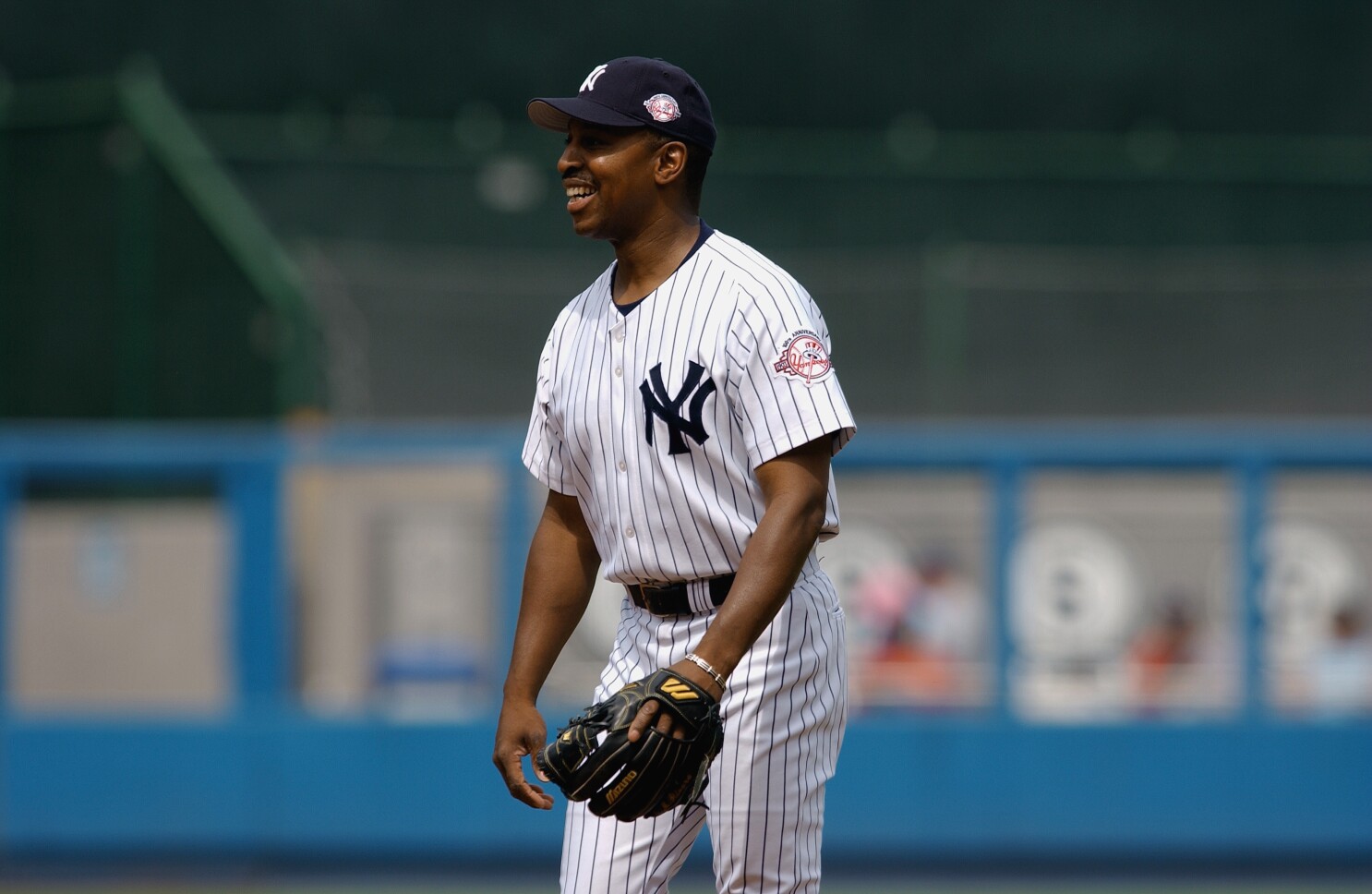
In 2005, Randolph took on the role of manager for the New York Mets, becoming one of the few African American managers in MLB history at the time. His hiring was a significant milestone in a sport still striving for greater managerial diversity. Under Randolph, the Mets experienced a resurgence. In 2006, the Mets won the National League East and came within a game of the World Series, losing in seven games to the St. Louis Cardinals in the NLCS. That year, Randolph’s Mets won 97 games, and he was widely praised for his leadership, especially in handling a team filled with high expectations and diverse personalities.
Randolph’s tenure with the Mets ended in 2008, but his managerial career helped pave the way for greater acceptance and opportunity for African American managers in baseball. His managerial record stood at 302-253, a .544 winning percentage, reflecting his capability as a leader and tactician. His experience as a player, especially with the Yankees, gave him a strong foundation for managing high-pressure situations and developing younger players.
Throughout his career, both on and off the field, Randolph remained a quiet yet powerful force in baseball. His style was never flashy, but it was effective. Teammates, coaches, and opponents alike respected his baseball IQ and work ethic. In many ways, Randolph was the quintessential team player—more concerned with wins and collective success than individual accolades. His name rarely appeared in headlines, but his impact was always felt. He demonstrated that leadership can be quiet, consistent, and rooted in professionalism.
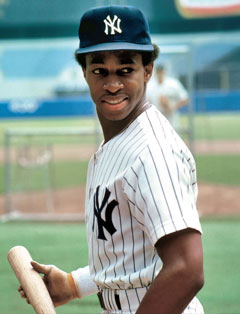
Randolph also stands out for the longevity and versatility of his career. Not many players manage to stay productive for nearly two decades, then transition into coaching and managing with equal success. He was present in some of baseball’s most iconic eras—the Yankees’ late 1970s dominance, the volatile 1980s, and the Yankees’ late 1990s dynasty—as both a player and coach. Few others can claim such a comprehensive presence across different generations of baseball.
Off the field, Randolph has been involved in numerous charitable endeavors and remains a respected figure in the baseball community. His humility and commitment to the game have made him a beloved figure among fans, especially in New York. He represents a type of player who may not always grab headlines but whose value becomes evident over time, as statistics and legacy are assessed in context. His induction into the New York Yankees Monument Park in 2015 was a fitting tribute to a player who gave so much to the franchise.
Randolph’s unique career path—beginning as a teenager in Brooklyn, becoming a key member of Yankees championship teams, mentoring young players, and managing at the highest level—demonstrates the depth of his influence. He was never the most powerful hitter or the flashiest fielder, but he was one of the smartest and most reliable players of his era. His knowledge of the game, calm demeanor, and relentless work ethic made him a valuable asset in every clubhouse he entered.
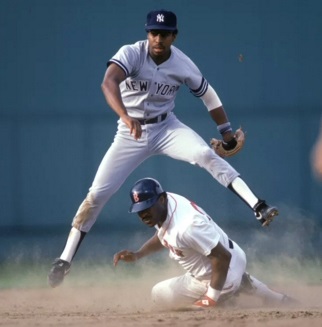
Statistically, Randolph ranks among the best second basemen in terms of on-base percentage, walks, and runs scored. Though he never won a Gold Glove, his defensive skills were widely respected, and many considered him one of the best fielding second basemen of his era. His 271 stolen bases underscore his intelligent base running, while his high walk totals point to a disciplined, team-first hitter who often set the stage for others.
In terms of his broader impact, Randolph’s presence helped normalize the role of African Americans in managerial and coaching positions. He served as a role model not just for his play, but for his path after playing. For young African American players and coaches, Randolph represented possibility—a signal that leadership positions in MLB were attainable.
Willie Randolph’s MLB career is a testament to consistency, integrity, and intelligence. He was a player who mastered the fundamentals and contributed meaningfully in all phases of the game. His influence extended far beyond the stat sheet, shaping teams, mentoring players, and quietly altering the perception of what leadership looks like in professional sports. Though he may never enter the Baseball Hall of Fame, his legacy is secure in the hearts of those who value team play, discipline, and the understated excellence that keeps the engine of a championship team running. Randolph’s story is one of perseverance, humility, and unshakable commitment to the game of baseball—a legacy that will continue to resonate for generations to come.


 The Baseball Scholar
Leave a comment