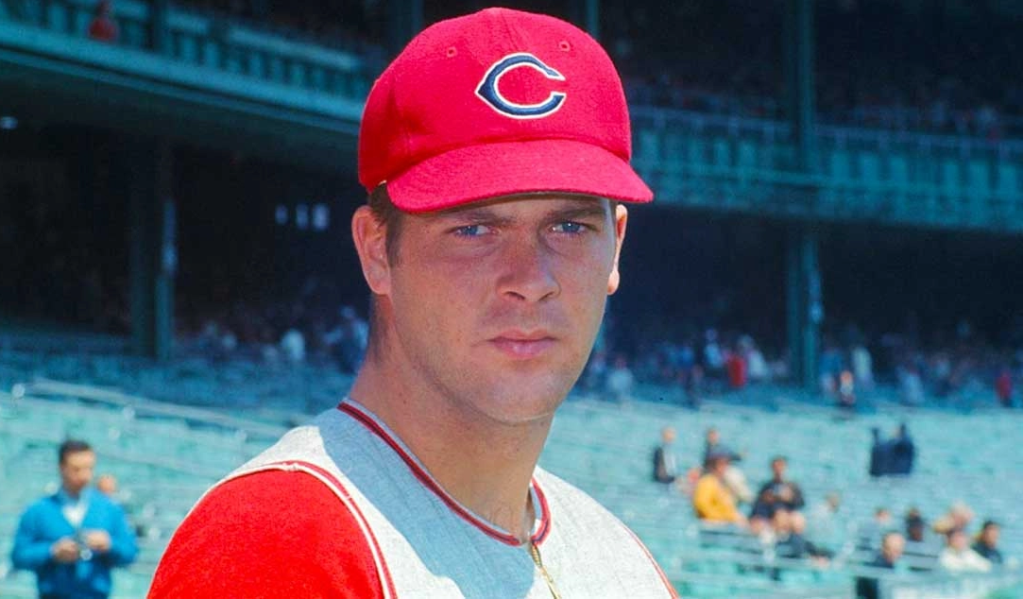
Samuel Edward McDowell, born on September 21, 1942, in Pittsburgh, Pennsylvania, etched his name in the annals of Major League Baseball history as one of the most dominant and enigmatic left-handed pitchers of the 1960s and early 1970s. With a fastball that rivaled the speed of the best flamethrowers of his era and a curveball that kept hitters guessing, McDowell possessed the tools to be one of the greatest pitchers in the game. His MLB career was a study in brilliance, promise, and personal struggle, marked by staggering strikeout totals and a battle with inner demons that ultimately defined his post-playing legacy as well. To understand Sam McDowell’s place in baseball history requires a comprehensive look at his early life, meteoric rise, statistical dominance, personal challenges, and eventual impact both on and off the field.
McDowell’s journey to the major leagues began in the working-class neighborhoods of Pittsburgh, where he showed exceptional athletic talent from a young age. He excelled in baseball at Central Catholic High School, drawing attention from scouts for his remarkable pitching arm. At just 17 years old, he was signed by the Cleveland Indians in 1960, bypassing college to pursue a professional career. The combination of his youth, raw ability, and a fastball clocked well into the 90s made him an immediate prospect of interest.
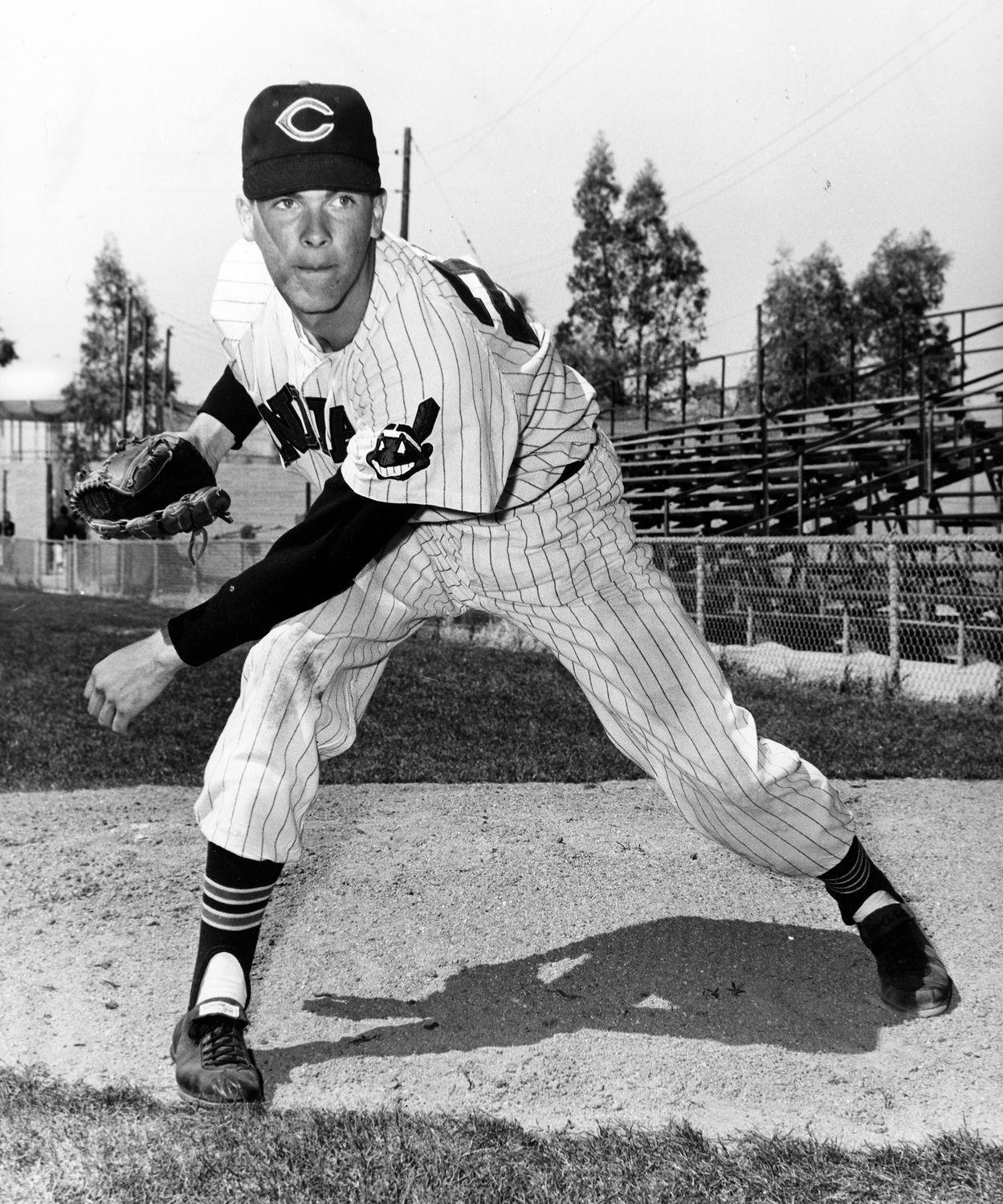
McDowell’s rise through the minors was swift, and he made his MLB debut with the Cleveland Indians in 1961 at the age of 18. Though he only appeared in four games that season, his performance hinted at the enormous potential that lay ahead. However, like many young flamethrowers, control was a persistent issue. McDowell struggled with walks throughout his early years, often offsetting his overwhelming strikeout numbers with erratic command. Still, it was evident that with refinement, he could become a dominant force.
By 1965, McDowell began to realize that potential in full. That season, he led the American League in strikeouts with 325 and posted a 2.18 ERA. He also recorded a 17-11 record and completed 14 games, earning his first All-Star selection. The 325 strikeouts he registered were the most in the American League since Bob Feller in 1946 and demonstrated just how overpowering he could be when locked in. McDowell’s pitching was a spectacle: a long, lanky lefty with a high leg kick and a blistering fastball that often touched 100 mph.
From 1965 to 1970, McDowell was one of the most dominant pitchers in all of baseball. He led the American League in strikeouts five times during this span and routinely ranked among the leaders in innings pitched, complete games, and earned run average. His nickname, “Sudden Sam,” was both a testament to the explosive velocity of his pitches and the way he could take over a game at a moment’s notice. In 1968, widely known as the “Year of the Pitcher,” McDowell continued to shine, striking out 283 batters and posting a 1.81 ERA. His performance was emblematic of an era dominated by pitching, but even in such company, McDowell stood out.
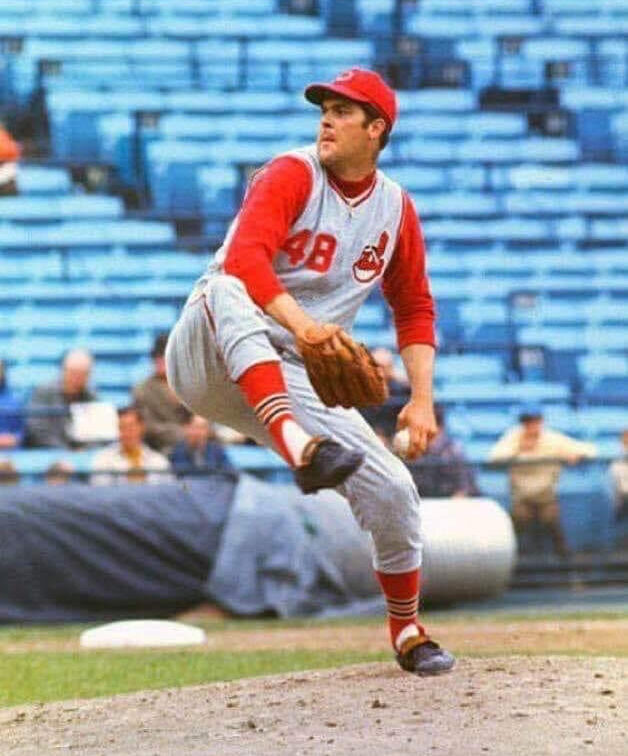
Yet for all his dominance on the mound, McDowell’s career was often hampered by inconsistency, which many attributed to his ongoing struggles with alcohol. These issues began to surface more prominently in the late 1960s and would eventually curtail what could have been a Hall of Fame career. Despite these challenges, McDowell remained a key figure in Cleveland’s rotation and a fan favorite due to his electric arm and competitiveness.
In 1970, McDowell had another outstanding year, winning 20 games for the first time in his career and striking out 304 batters. That season earned him his sixth and final All-Star selection. He was named the American League’s Pitcher of the Year by The Sporting News, further cementing his status as one of the premier hurlers in the game. However, the cracks in his personal life were growing wider, and the physical and emotional toll began to catch up with him.
Following the 1971 season, McDowell was traded to the San Francisco Giants in exchange for future Hall of Famer Gaylord Perry. The trade was seen as a high-risk, high-reward deal for both clubs. For McDowell, the change of scenery did not yield the hoped-for results. His time with the Giants was marred by injury and inconsistency. He finished the 1972 season with a 10-8 record and a 4.33 ERA—a sharp decline from his peak years. The following season, his struggles continued, and he was traded again, this time to the New York Yankees. He pitched sparingly for the Yankees, appearing in just 12 games over two seasons before finishing his MLB career with the Pittsburgh Pirates in 1975.
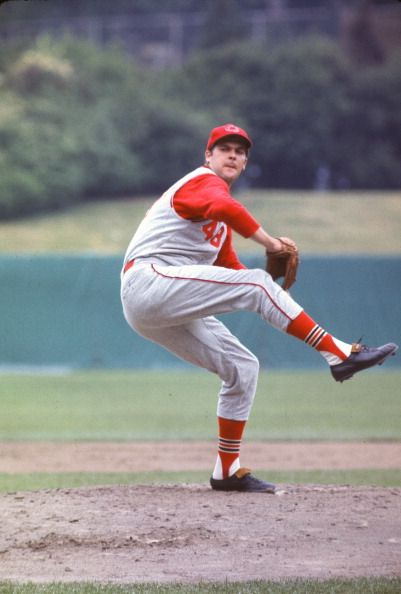
McDowell’s final MLB numbers included a 141-134 win-loss record, a 3.17 ERA, 2,453 strikeouts, and 105 complete games. His strikeout rate was particularly impressive; he averaged 8.9 strikeouts per nine innings for his career—an extraordinary figure for the era. His 2,453 strikeouts placed him among the all-time leaders at the time of his retirement, a testament to his overpowering stuff and ability to dominate hitters over extended periods.
One of the most compelling aspects of McDowell’s story is what happened after his playing days ended. Confronting the alcoholism that had long plagued him, McDowell sought treatment and eventually became a licensed counselor specializing in addiction. He dedicated his post-baseball life to helping other players avoid the pitfalls that had derailed his career. His work with the Baseball Assistance Team (BAT) and other organizations earned him widespread respect and recognition.
McDowell’s unique transformation from troubled star to advocate for mental health and addiction awareness marked him as more than just a cautionary tale. He became a pioneer in an area that professional sports were only beginning to address. His honesty about his struggles and his commitment to helping others were rare in an era when athletes were often expected to keep personal issues private. In many ways, McDowell helped pave the way for greater openness and support structures within MLB and professional sports at large.

His legacy as a pitcher is complex but undeniably impactful. While his career did not reach the longevity or statistical accumulation of some of his peers, McDowell’s peak years were as dominant as any left-handed pitcher in the game’s history. His ability to generate swings and misses with both his fastball and curveball was virtually unmatched in the 1960s. In an era with fewer games televised and less national exposure for players on non-contending teams, McDowell’s performances still stood out, earning him a lasting place in the memories of those who watched him pitch.
Anecdotes from teammates and opponents often reinforce just how overpowering McDowell could be. Hitters described at-bats against him as an exercise in survival, with his fastball appearing to rise as it approached the plate and his curveball disappearing just as suddenly. Managers had to plan rotations around his starts, knowing that McDowell could either throw a complete game shutout or struggle with control, sometimes in the same outing. His mercurial nature on the mound was both a thrill and a challenge for those around him.
In later years, McDowell’s story became a subject of books and documentaries, not just for his baseball achievements but for his redemptive arc. He was featured in numerous profiles that highlighted his counseling work and his efforts to change the narrative around addiction in professional sports. He frequently spoke to young players, using his own experience to advocate for early intervention and comprehensive support systems. His impact extended beyond baseball, influencing approaches to addiction and mental health treatment in athletics and beyond.

Sam McDowell’s career, when viewed in totality, is a compelling tale of talent, turmoil, and triumph. He rose to the pinnacle of his profession with breathtaking ability and fell short of even greater heights due to personal struggles. But his story did not end in disappointment. Instead, he found purpose in his pain, using it to guide others toward healthier, more fulfilling lives. His contribution to baseball is measured not only in strikeouts and ERA but in lives touched and lessons imparted. His legacy continues to resonate as both a symbol of what can be achieved with talent and the importance of confronting one’s vulnerabilities with courage and honesty.


 The Baseball Scholar
Leave a comment