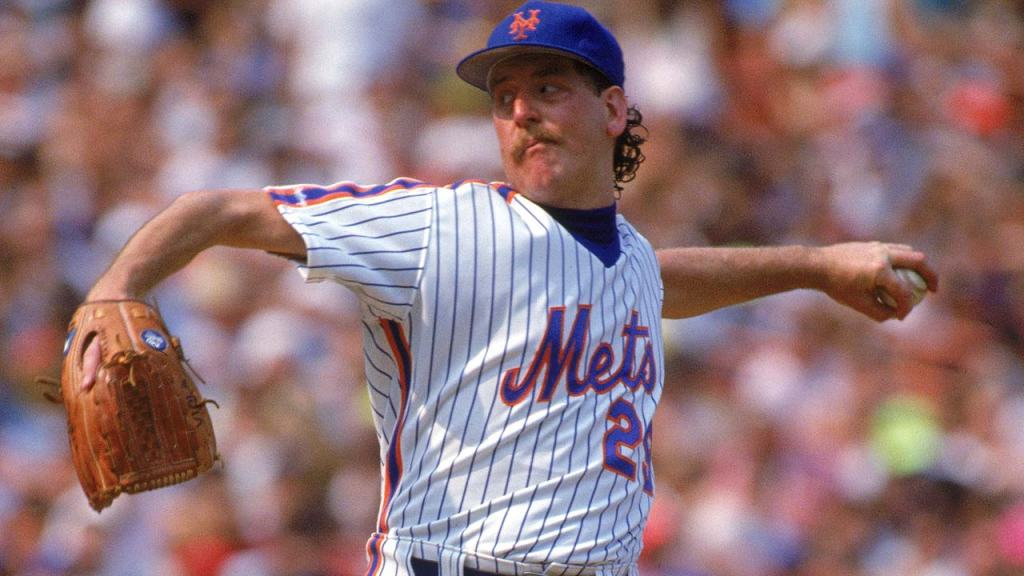
Frank John Viola, born on April 19, 1960, in East Meadow, New York, carved out a remarkable and influential career in Major League Baseball, both for his achievements on the field and for his role in shaping the trajectory of pitching in the 1980s. Known for his signature mustache, competitive fire, and devastating changeup, Viola rose from a promising high school and college pitcher to become a World Series MVP and Cy Young Award winner. Over the course of his 15-year MLB career, he built a reputation as one of the game’s most dependable and intelligent pitchers, combining finesse with mental toughness. His journey through the ranks of baseball and the impact he made on his teams and the sport at large remain a significant chapter in the game’s modern history.
Viola grew up in Long Island, where he was a standout pitcher at East Meadow High School. Though talented, he was not heavily recruited by major college programs, which led him to attend St. John’s University. At St. John’s, his talent truly began to shine, especially during the 1980 College World Series when he helped lead the Red Storm to Omaha. One of his most memorable college performances came in a 12-inning pitching duel against Yale, which featured another future major league star—Ron Darling. That game, which St. John’s won 1-0, is considered one of the greatest collegiate pitching battles ever and helped cement Viola’s reputation as a clutch performer capable of rising to big occasions.
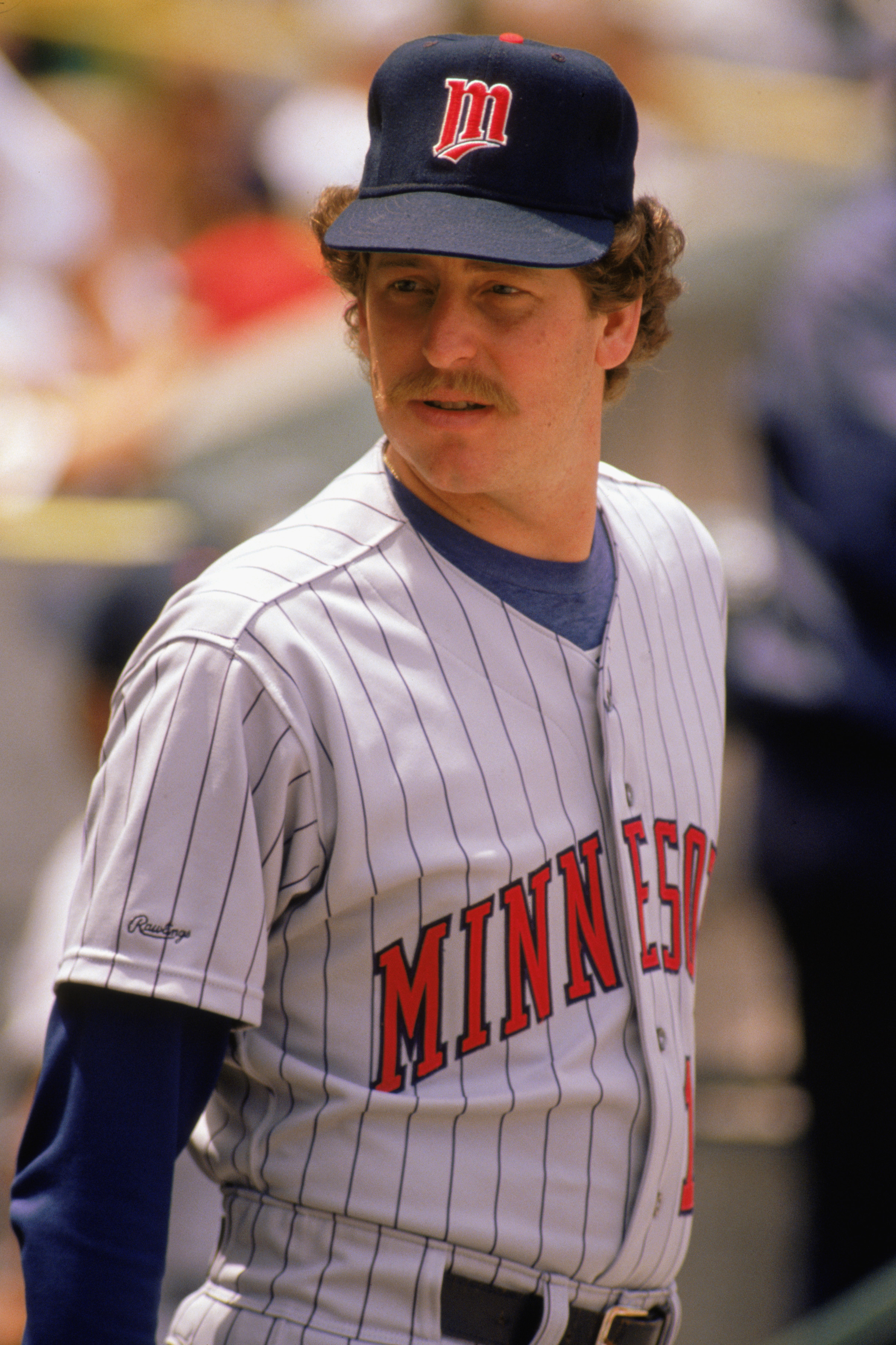
The Minnesota Twins drafted Viola in the second round of the 1981 MLB Draft, and he quickly rose through the minor leagues, making his major league debut in 1982. His early years in Minnesota were marked by inconsistency, as he adjusted to life in the majors. Over time, however, he refined his pitching arsenal, especially his changeup, which would become his trademark pitch. Under the tutelage of pitching coach Johnny Podres, Viola learned to effectively change speeds and sequence pitches to keep hitters off balance. This development marked the turning point in his career and set him on a path to becoming one of the league’s elite pitchers.
Viola’s breakout season came in 1984 when he posted an 18-12 record with a 3.21 ERA and 176 strikeouts over 257.2 innings. He followed that with solid performances in 1985 and 1986, but it was in 1987 that Viola and the Twins reached new heights. That season, he won 17 games and helped lead the Twins to their first playoff berth since moving to Minnesota. In the 1987 postseason, Viola shined brightest. He won two games in the American League Championship Series against the Detroit Tigers and earned MVP honors in the World Series by winning Games 1 and 7 against the St. Louis Cardinals. His performance on the biggest stage established him as a premier pitcher and earned him national acclaim.
Viola continued his dominance into 1988, finishing with a 24-7 record, a 2.64 ERA, and 193 strikeouts in 255.1 innings. He led the American League in wins and was awarded the AL Cy Young Award. His performance that year was a masterclass in precision pitching, as he consistently outwitted batters with his pinpoint control and change of pace. Viola’s ability to pitch deep into games, maintain composure under pressure, and deliver in key moments made him invaluable to the Twins, who had built a reputation as a team of hard-nosed competitors.
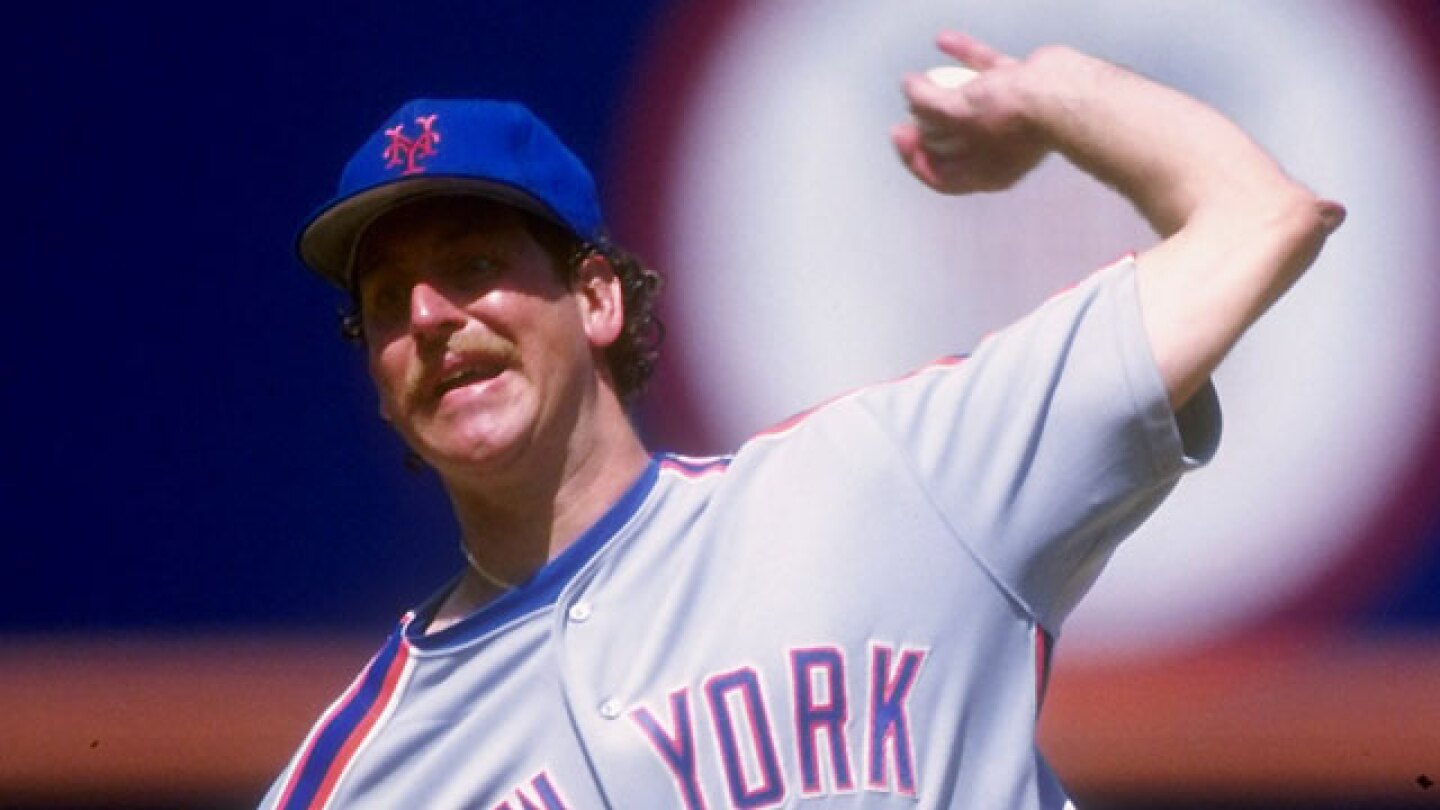
In 1989, with the Twins undergoing changes and seeking to rebuild, Viola was traded to the New York Mets in a blockbuster deal. The move brought him back to his native New York, where he was expected to be the ace of a talented but underperforming Mets team. Viola adjusted quickly to his new surroundings, finishing the 1989 season with a 5-5 record and a 3.38 ERA after the trade. In 1990, he returned to All-Star form, winning 20 games with a 2.67 ERA and finishing third in the Cy Young voting. That season demonstrated that Viola was still among the elite pitchers in baseball and could thrive in the high-pressure environment of New York.
The following seasons with the Mets saw Viola continue to pitch effectively, though the team struggled to maintain consistent success. In 1991, he went 13-15 with a 3.97 ERA, and in 1992, he posted a 13-9 record with a 3.44 ERA. Despite the lack of team success, Viola remained a respected and reliable starter. His demeanor on the mound, work ethic, and leadership in the clubhouse earned him praise from teammates and coaches alike. While many of the Mets’ younger pitchers floundered under the weight of expectations, Viola set an example of professionalism and preparation that helped guide the next generation of arms.
In 1993, Viola signed as a free agent with the Boston Red Sox, bringing his veteran presence to another storied franchise. His first year in Boston was solid, as he went 11-8 with a 3.14 ERA, reaffirming his ability to compete at a high level. However, injuries began to take a toll on his arm. In 1994, he underwent Tommy John surgery, which sidelined him for much of that season and the next. Though he attempted a comeback with the Cincinnati Reds and Toronto Blue Jays in 1996, he was unable to regain his previous form and retired from baseball shortly thereafter.
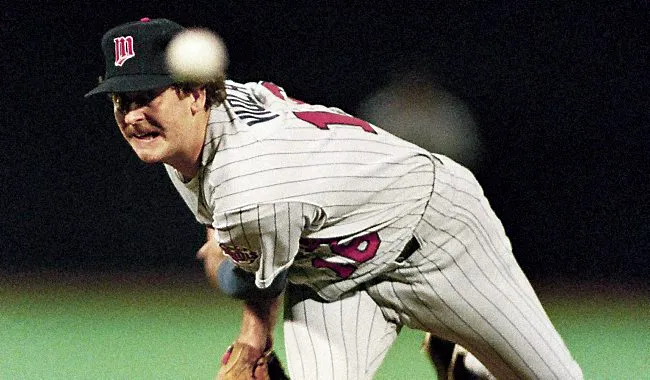
Over his 15-year career, Frank Viola compiled a 176-150 record with a 3.73 ERA, 1,844 strikeouts, and 74 complete games in 2,836.1 innings pitched. He was a three-time All-Star (1988, 1990, 1991), a World Series MVP, and a Cy Young Award winner. His postseason record was equally impressive, with a 3-1 mark and a 3.10 ERA in five starts. Viola was known not only for his statistical achievements but also for the way he pitched. He wasn’t an overpowering flame-thrower, but rather a cerebral craftsman who used movement, timing, and strategy to retire hitters. His changeup, widely regarded as one of the best of his era, became a model for future pitchers learning the art of off-speed pitching.
Beyond the numbers, Viola’s impact on the game can be seen in his influence on teammates and young pitchers. He embodied the role of a thinking man’s pitcher and demonstrated that success could be achieved through guile and tenacity. As the game began to shift in the 1990s toward more power pitching, Viola’s style became somewhat less common, but his effectiveness remained a testament to the diversity of paths to pitching excellence. He was a fan favorite in Minnesota, beloved for helping bring a championship to the state, and respected across the league for his consistency and competitiveness.
Following his playing days, Viola remained active in baseball, transitioning into coaching and broadcasting roles. He served as a pitching coach at various levels, including in the Mets and Mets minor league organizations, helping to mentor up-and-coming arms and share his deep knowledge of the craft. His commitment to teaching and developing young players illustrated his enduring passion for the game and his desire to give back to the sport that had given him so much.
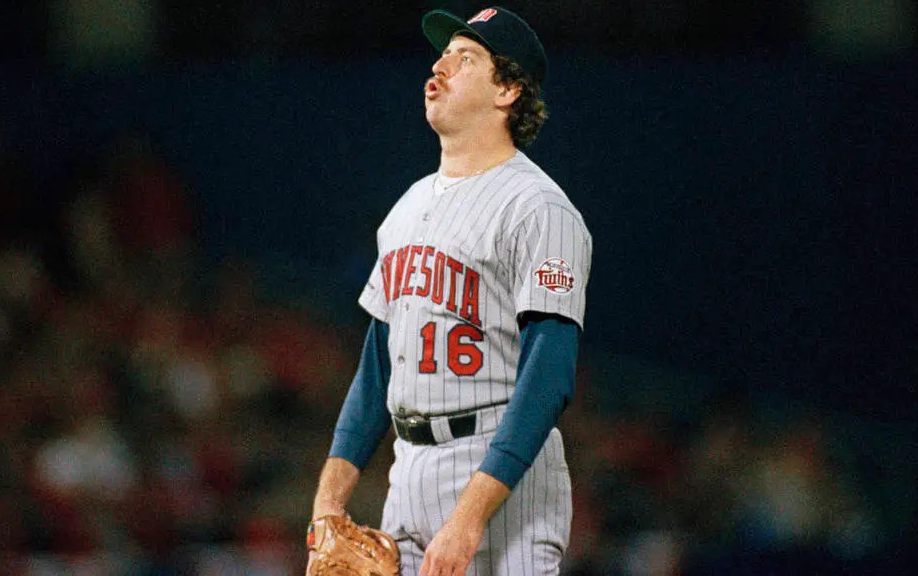
One of the more unique aspects of Viola’s life and career is the path he took after retirement. In addition to coaching, he embraced his love for the game at the grassroots level, often working with amateur players and participating in community baseball events. His humility and accessibility made him a beloved figure long after his playing days ended. Viola also became a vocal advocate for health awareness following his heart surgery in 2014, using his platform to encourage regular check-ups and healthy lifestyles.
Frank Viola’s career may not have garnered the same level of Hall of Fame recognition as some of his contemporaries, but his legacy is undeniable. He was a key figure in one of baseball’s most memorable World Series, a dominant ace during his peak, and a player who continually reinvented himself to stay competitive. His changeup remains a gold standard in pitching circles, and his approach to the game—focused, analytical, and relentless—serves as an enduring example of how to succeed in Major League Baseball.
In sum, Viola’s journey from Long Island sandlots to the pinnacle of baseball glory is one marked by perseverance, intelligence, and a love for the game. He was not just a winner on the field, but a teacher, mentor, and ambassador for baseball in the years that followed. For fans in Minnesota, New York, and Boston, Frank Viola remains a symbol of excellence and integrity, and his story continues to inspire those who understand that greatness is often defined not just by what is achieved, but by how it is achieved.



 The Baseball Scholar
Leave a comment