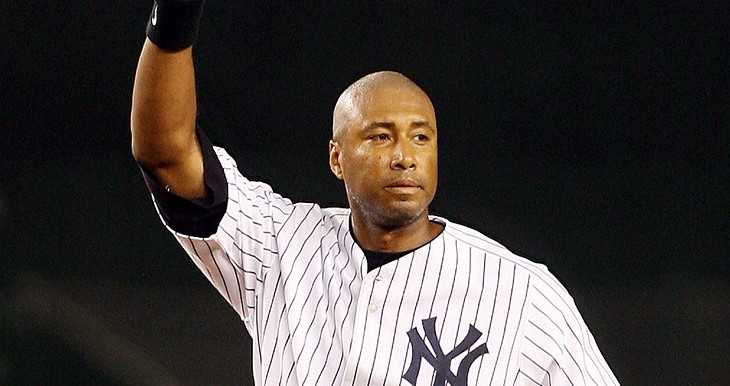
Bernabe Williams Figueroa Jr., better known as Bernie Williams, was born on September 13, 1968, in San Juan, Puerto Rico. From a young age, Williams demonstrated a deep love and talent for both music and athletics, excelling in both areas in a way that would ultimately shape his unique life story. Raised in a household where music and sports were both highly valued, Bernie was encouraged to pursue his passions with dedication and discipline. While he became an accomplished classical guitarist, his talent on the baseball diamond became increasingly undeniable. As a teenager, his baseball prowess began to draw the attention of scouts, and in 1985, at the age of 17, he signed with the New York Yankees, beginning what would become a storied Major League Baseball career.
Williams’s path to the majors was not instantaneous. The Yankees, recognizing his raw ability and switch-hitting potential, carefully nurtured his development through their minor league system. He spent several years honing his skills in the minors, steadily improving his approach at the plate, refining his defense in center field, and gaining confidence. He made his MLB debut on July 7, 1991, in a period when the Yankees were still searching for a return to their past glory. Though his early seasons saw flashes of brilliance, it wasn’t until the mid-1990s that Bernie fully blossomed into one of the most consistent and reliable players on a Yankees team that would dominate the baseball world.
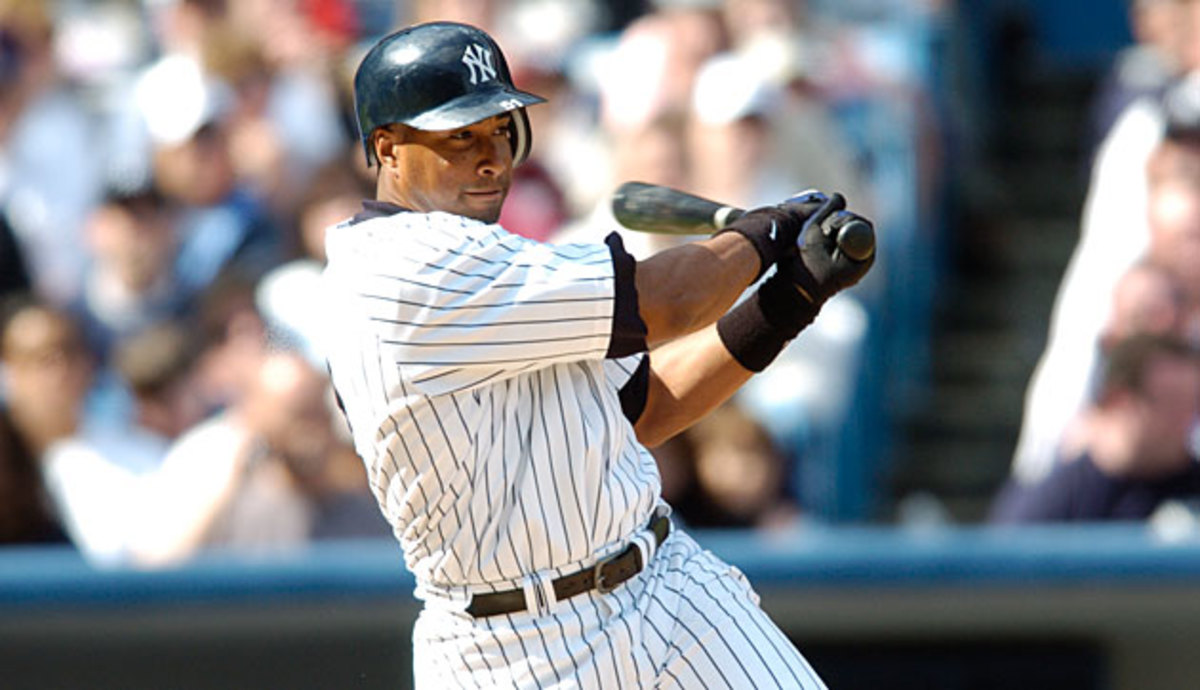
From 1995 onward, Bernie Williams emerged as a central figure in the Yankees dynasty. His ability to hit for average and power, combined with his speed, patience, and clutch hitting, made him the perfect fit for a team on the rise. In 1996, Williams played a pivotal role in helping the Yankees capture their first World Series title since 1978. He batted .305 that season, hit 29 home runs, and drove in 102 runs. His performance in the postseason was equally impactful, and it became clear that Williams was built for the big stage. Over the next several seasons, he would become a fixture in the heart of the Yankees’ lineup and a leader in the clubhouse.
The late 1990s marked the peak of Williams’s career, both statistically and in terms of team success. He won the American League batting title in 1998 with a .339 average, helping lead the Yankees to one of the most dominant seasons in MLB history. That year, the Yankees won 114 regular season games and stormed through the playoffs to win the World Series, with Williams playing an essential role both at the plate and in the field. He continued to be a postseason force, known for his ability to deliver in critical moments. His walk-off home run in Game 1 of the 1996 ALCS against the Baltimore Orioles remains one of the defining moments of his career and Yankees playoff lore.
Williams was the rare player who excelled in both the regular season and the postseason. His career postseason stats are remarkable: in 121 playoff games, he hit .275 with 22 home runs, 80 RBIs, and 83 runs scored. He is the all-time leader in postseason RBIs and ranks among the top in many other categories, reflecting not just his longevity in the playoffs, but his consistent production when it mattered most. He helped the Yankees win four World Series titles (1996, 1998, 1999, and 2000) and reach the World Series six times, solidifying his status as one of the most clutch performers of his generation.
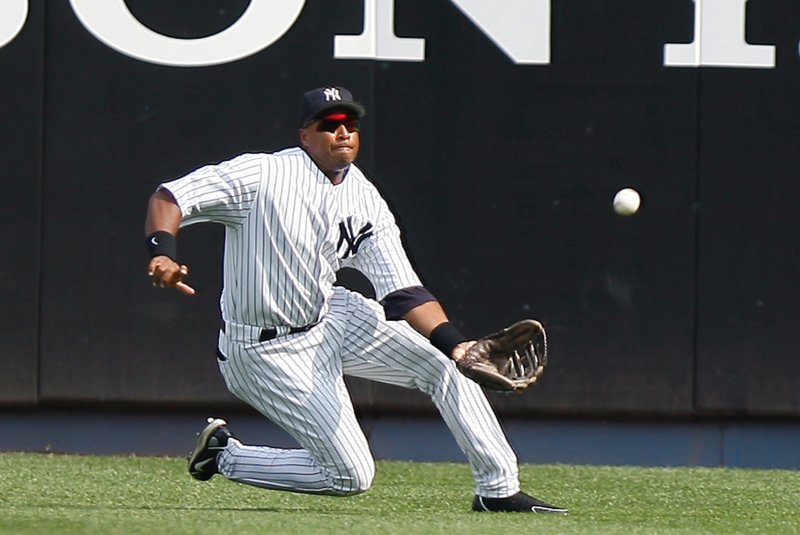
Over his 16-year MLB career, all with the New York Yankees, Williams compiled a .297 career batting average, hit 287 home runs, drove in 1,257 runs, and scored 1,366 runs. He collected 2,336 hits and maintained a career on-base percentage of .381. He won four Gold Glove Awards for his defense in center field, showcasing his ability to cover ground, read the ball off the bat, and make critical plays in key moments. Williams was a five-time All-Star and earned a Silver Slugger Award in 2002. These accolades reflect not only his talent but his ability to consistently perform at an elite level throughout his career.
One of the more remarkable aspects of Williams’s career was his calm demeanor and quiet leadership. In a city known for its intensity and scrutiny, Bernie carried himself with grace and professionalism. He was never the loudest voice in the room, but his performance and work ethic spoke volumes. Teammates respected him not just for his on-field abilities but for his integrity and dedication to the game. As the Yankees’ core included other future Hall of Famers such as Derek Jeter, Mariano Rivera, Jorge Posada, and Andy Pettitte, Williams was often the underappreciated glue that helped hold everything together. His presence in center field and in the lineup provided consistency and confidence for his team.
Williams’s switch-hitting ability added another layer of value to his game. He was a rare breed of player who could hit effectively from both sides of the plate, adjusting to pitchers and game situations with remarkable ease. His smooth, rhythmic swing was often likened to his musical talent, drawing comparisons between the way he played the guitar and the way he approached hitting. That connection between music and baseball became one of the most unique aspects of Bernie Williams’s life and legacy. After his retirement, he pursued music full-time, eventually earning a degree from the Manhattan School of Music and releasing jazz albums that received critical acclaim. He demonstrated that the discipline and creativity required to excel in music were deeply connected to the mental aspects of elite athletic performance.
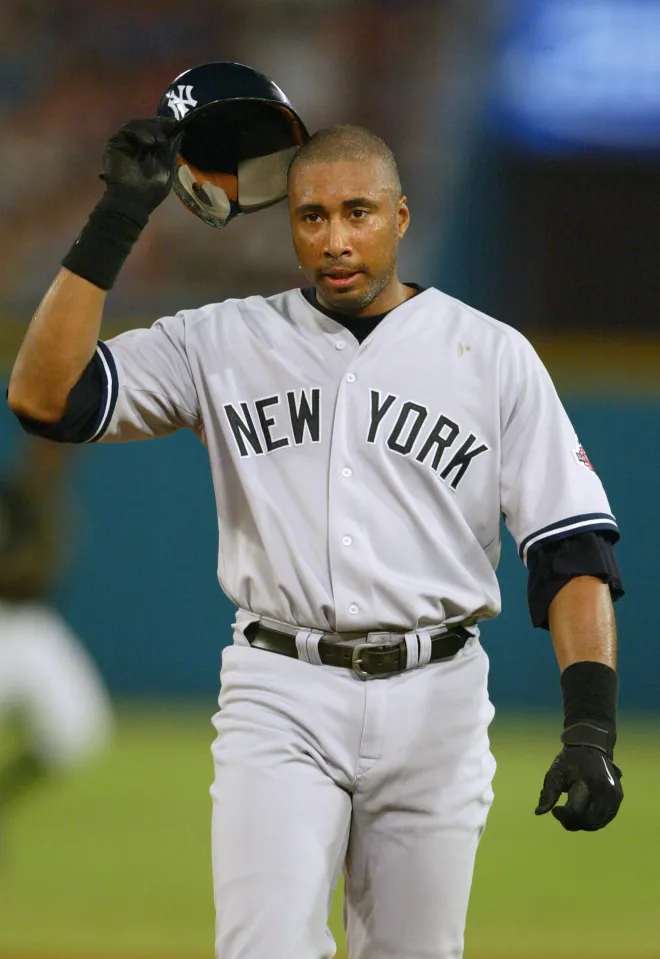
Williams’s contributions extended beyond the field. As a prominent Puerto Rican player, he served as an inspiration to many young athletes from the island and Latin America. He represented his heritage with pride and often spoke about the importance of education, personal growth, and giving back. Throughout his career and post-playing days, he remained involved in charitable work and educational initiatives, particularly those that combined music and academic development for youth. His ability to seamlessly transition from professional athlete to professional musician added a rich dimension to his legacy, proving that excellence in one field can be a foundation for success in another.
In examining Williams’s career from a historical standpoint, it becomes clear that he was one of the most important players of his era, particularly for the Yankees franchise. While he may not have had the raw power of a Barry Bonds or the flamboyance of a Ken Griffey Jr., his steady production, postseason heroics, and multidimensional skill set made him indispensable to one of the greatest dynasties in baseball history. His 2,336 hits, 1,366 runs, and .297 average over 16 seasons are a testament to his consistency and resilience. Few players have spent their entire careers with one team, and fewer still have done so while achieving so much both individually and collectively.
Williams’s legacy is further enhanced by his postseason records. At the time of his retirement, he held the record for most career postseason home runs and RBIs, and he remains among the top in hits and runs scored. These statistics not only highlight his performance but also underscore his value in a Yankees era defined by October success. His ability to rise to the occasion, to deliver key hits and make crucial plays in the field, made him a legend among fans and a nightmare for opposing teams. His playoff consistency helped define an entire era of baseball, particularly for those who came of age watching the Yankees dominate the late 1990s and early 2000s.
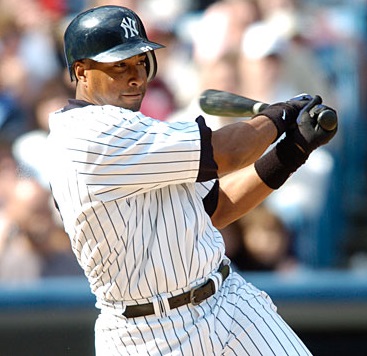
The Yankees honored Williams’s contributions by retiring his number 51 and inducting him into Monument Park, joining the pantheon of Yankees greats. This recognition was not only a tribute to his on-field success but also to the way he represented the organization and the game itself. In a franchise known for its rich history and high standards, Bernie Williams carved out a unique place, blending athletic excellence with artistic depth in a way that no player before him had done.
Williams’s story continues to inspire because it defies the conventional narrative of the professional athlete. He was never a headline-chasing personality or a controversial figure. Instead, he built his career on discipline, humility, and a quiet competitiveness that drove him to excel. Whether striding to the plate in a pressure-filled playoff game or performing on stage with a classical guitar, Bernie Williams brought the same passion and precision to everything he did. His dual identity as a world-class athlete and a gifted musician speaks to the broader potential of human capability when nurtured with dedication and purpose.
In summary, Bernie Williams’s MLB career stands as one of the most quietly brilliant in the modern era. His statistical achievements—over 2,300 hits, nearly 300 home runs, four Gold Gloves, five All-Star selections, and a batting title—place him among the elite players of his generation. His postseason heroics and role in four World Series championships elevate his legacy to that of a clutch performer and a cornerstone of a baseball dynasty. Beyond the numbers, his character, musical talent, and influence as a mentor and role model enrich his story and set him apart. Bernie Williams is not just a Yankee legend or a great baseball player—he is a testament to the power of pursuing excellence across all fields of life.



 The Baseball Scholar
Leave a comment