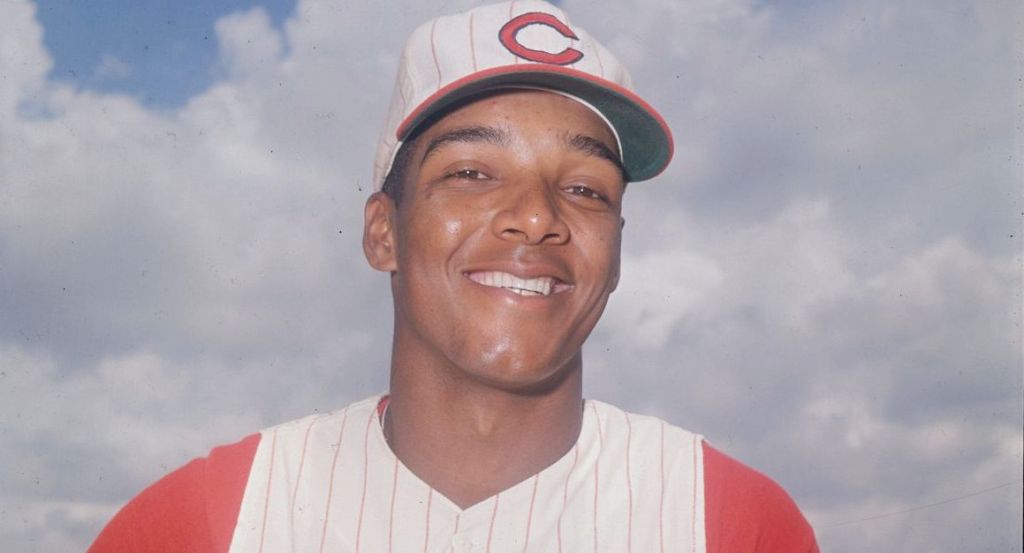
Vada Edward Pinson Jr. was born on August 11, 1938, in Memphis, Tennessee, but grew up in Oakland, California. From an early age, he exhibited exceptional athletic ability and a deep love for baseball. Attending McClymonds High School, a school known for producing elite athletes such as Frank Robinson and Curt Flood, Pinson stood out not only for his physical talents but for his mature and dedicated approach to the game. A gifted multi-sport athlete, he excelled in both baseball and track and field. His blazing speed, coupled with a strong arm and smooth swing, made him a standout outfielder destined for professional stardom. He signed with the Cincinnati Reds in 1956 and began his journey to Major League Baseball at just 18 years old.
Pinson quickly ascended through the Reds’ minor league system, and by 1958, he made his MLB debut at the age of 19. It didn’t take long for him to establish himself as one of the most exciting young players in the National League. In his first full season in 1959, he batted .316, hit 20 home runs, drove in 84 runs, and led the National League with 131 runs scored and 47 doubles. His performance earned him an All-Star selection and the respect of players and fans alike. That year marked the beginning of a decade of excellence, in which Pinson became one of the most productive and consistent outfielders in all of baseball.
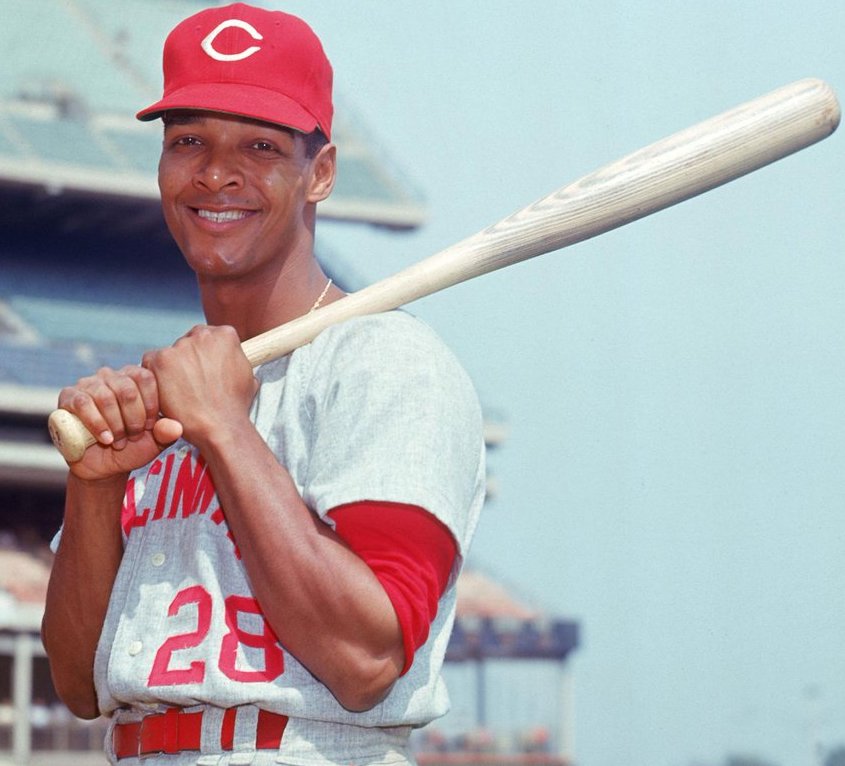
During the 1960s, Vada Pinson was a key figure in a Cincinnati Reds lineup that featured other stars like Frank Robinson, Tony Perez, and Pete Rose. Although overshadowed by some of his more famous teammates, Pinson was often the engine that made the offense run. His combination of speed and power was relatively rare during the era, making him a dynamic threat at the plate and on the basepaths. He was a model of consistency, regularly hitting over .300 and stealing 20 or more bases a season while also providing double-digit home runs. In 1961, he was instrumental in helping the Reds win the National League pennant. That year, he hit .343 with 101 RBIs, 208 hits, and 16 home runs. Though the Reds would lose the World Series to the dominant New York Yankees, Pinson’s performance solidified his status as one of the game’s elite players.
One of the most fascinating aspects of Pinson’s career was his incredible statistical output over such a sustained period. Over his 18-year career, he accumulated 2,757 hits, 485 doubles, 256 home runs, 1,170 RBIs, and 305 stolen bases. He scored 1,365 runs and compiled a .286 career batting average. These numbers are even more impressive when considered in the context of the pitching-dominant 1960s. Pinson consistently ranked among the league leaders in hits, runs, doubles, and total bases throughout the prime of his career. He had six seasons with 20 or more home runs and seven seasons with 20 or more stolen bases. He also posted eight seasons with 180 or more hits, including four with over 200.
In addition to his offensive prowess, Pinson was a superb defensive center fielder. He possessed excellent range, a strong and accurate throwing arm, and the kind of instinctive positioning that can’t be taught. His defensive contributions were often underrated, but those who played with or against him knew he was among the best. He played the majority of his career in center field, a position demanding both athleticism and leadership, and he handled the responsibility with poise and skill.
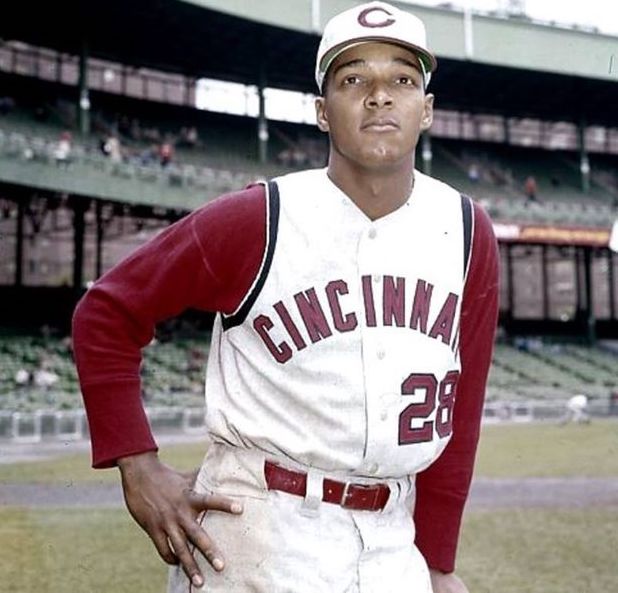
Despite his impressive numbers and consistent production, Pinson never received the national attention or accolades that many of his contemporaries enjoyed. He made only two All-Star teams and never won a Gold Glove or MVP award. Much of this can be attributed to the era in which he played and the overshadowing presence of players like Willie Mays, Hank Aaron, and Roberto Clemente, whose superstar status often dominated the headlines. Nonetheless, those who followed the game closely understood that Pinson was every bit the elite performer.
After his time with the Reds, which ended in 1968, Pinson went on to play for several other teams, including the St. Louis Cardinals, Cleveland Indians, California Angels, and Kansas City Royals. Though his production declined in the 1970s, he remained a valuable veteran presence, contributing both on the field and in the clubhouse. His time with the Indians from 1970 to 1973 marked the last significant chapter of his playing career, during which he continued to rack up hits and mentor younger players.
Pinson’s impact on the game went beyond his playing days. After retiring as a player, he remained in baseball as a coach and instructor, sharing his wealth of knowledge with younger generations. He served as a coach for several teams, including the Seattle Mariners, Detroit Tigers, and Florida Marlins. His influence on players was profound, particularly in helping them understand the mental aspects of the game and how to navigate the challenges of professional baseball. He was known for his patience, insight, and unwavering commitment to excellence.
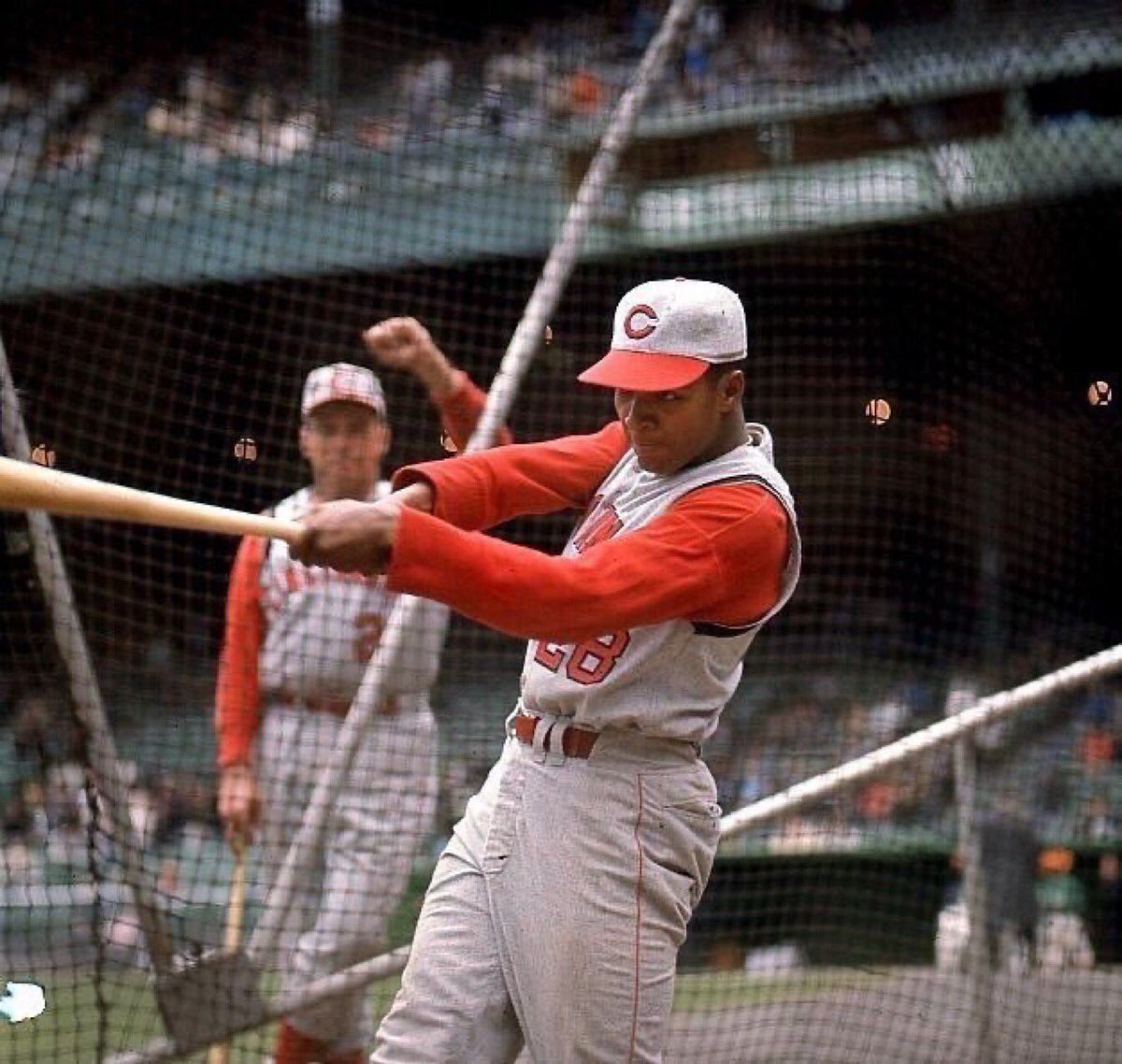
A unique aspect of Pinson’s legacy is the quiet dignity with which he carried himself throughout his career. He was never one to seek the spotlight or demand recognition, yet his work ethic and consistency earned the respect of teammates and opponents alike. In an era that saw significant social and racial upheaval, Pinson was a steady and positive presence, representing his community with grace and professionalism. His role as one of the early African American stars in the post-integration era should not be overlooked. He helped pave the way for future generations of Black players by demonstrating that excellence on the field could be matched with humility and character off of it.
In evaluating Pinson’s career through the lens of modern analytics and appreciation for longevity, it becomes even more evident how special his contributions were. His WAR (Wins Above Replacement) of 54.2 places him among the top 150 players in MLB history at the time of his retirement. Few players have accumulated as many hits, doubles, and stolen bases while also contributing elite defense in center field. Pinson’s ability to consistently produce at a high level across nearly two decades is a testament to his talent, preparation, and understanding of the game.
The question of whether Vada Pinson deserves a place in the Baseball Hall of Fame is one that continues to inspire debate among historians and fans. Many believe that he has been unfairly overlooked, particularly given his career totals and the level of competition he faced. The traditional metrics, combined with newer sabermetric evaluations, support the argument that he belongs among the game’s immortals. His 2,757 hits are more than several Hall of Famers, and his balanced offensive and defensive contributions stack up favorably against many inductees.
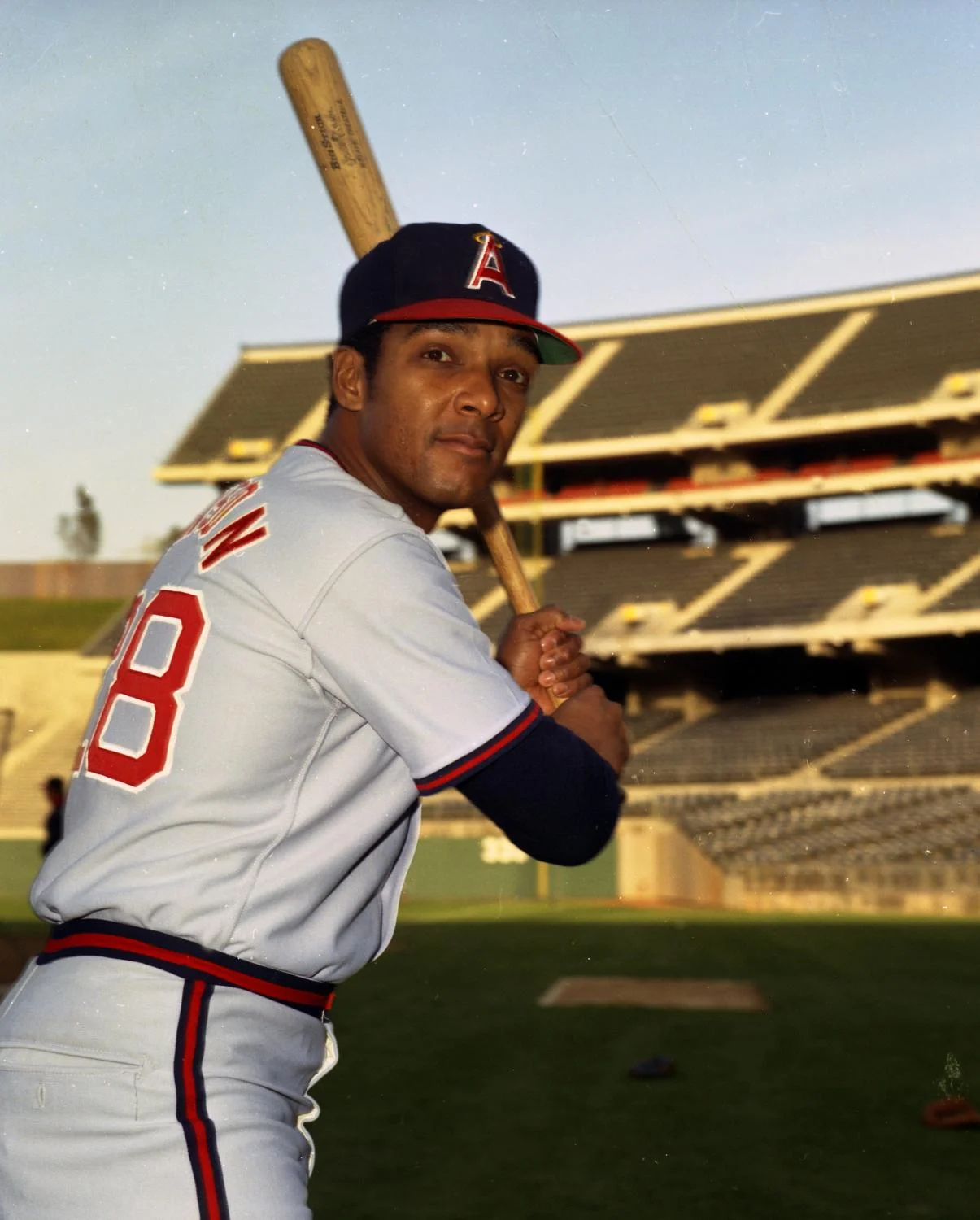
Beyond the statistics and accolades, Vada Pinson’s story is one of perseverance, quiet excellence, and a deep love for the game of baseball. He played the game with a rare combination of grace and fire, and his legacy continues to inspire those who value consistency, humility, and true athletic talent. He passed away on October 21, 1995, but his impact lives on in the memories of those who saw him play and those who have studied his career.
In sum, Vada Pinson’s MLB career represents one of the most remarkable yet underappreciated legacies in the history of the sport. From his electrifying debut with the Reds to his years of steady production and his later influence as a coach and mentor, Pinson embodied what it meant to be a professional. His statistical achievements, including nearly 3,000 hits, over 250 home runs, more than 300 stolen bases, and nearly 500 doubles, place him among the elite. His defensive brilliance, coupled with his offensive versatility, made him one of the most complete players of his generation. Yet, perhaps most importantly, his quiet leadership and unwavering dedication to the game earned him a reputation that transcended box scores. In every sense, Vada Pinson was a giant of the game, and his legacy deserves continued celebration and recognition.


 The Baseball Scholar
Leave a comment