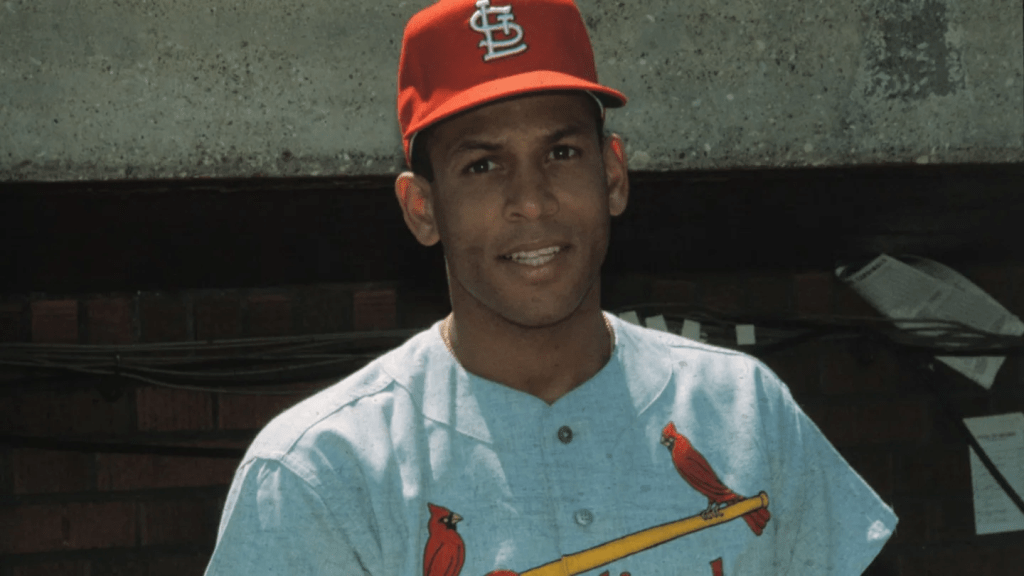
Orlando Cepeda’s career in Major League Baseball spans one of the most storied periods in the game and reflects both the triumphs and challenges of a remarkable athlete who became a cultural and sporting icon. Known as “The Baby Bull,” Cepeda was one of the most feared hitters of his time, and his life and career weave a narrative of talent, perseverance, redemption, and influence. From his early days growing up in Puerto Rico to his Hall of Fame induction, Cepeda’s journey through professional baseball reflects a legacy that transcended the sport itself.
Born Orlando Manuel Cepeda Pennes on September 17, 1937, in Ponce, Puerto Rico, he was introduced to baseball early in life through his father, Pedro Cepeda, who was known as “Perucho” and was considered one of the greatest players in Puerto Rican baseball history. Pedro never played in the major leagues due to racial discrimination and the limitations of the baseball structure at the time, but his influence on Orlando was profound. Young Cepeda idolized his father and followed his every move on the baseball diamond. However, tragedy struck when Pedro died in 1955, just as Orlando was starting to make strides toward a professional career. This loss drove Cepeda to honor his father’s legacy by excelling in the sport they both loved.

Cepeda’s raw power, natural swing, and athleticism were evident early in his development. He was signed by the New York Giants in 1955 and played in the minor leagues, quickly demonstrating his ability to hit for both average and power. He broke through in a big way with the San Francisco Giants in 1958, the team’s first season after relocating from New York. In that inaugural West Coast season, Cepeda burst onto the scene and captured the National League Rookie of the Year Award, hitting .312 with 25 home runs and 96 RBIs. His performance made him an instant sensation in San Francisco and began what would become an illustrious career.
Cepeda’s early years with the Giants were marked by extraordinary productivity. In 1959, he batted .317 with 27 home runs and 105 RBIs, and in 1961, he had his best season to date, hitting .311 with 46 home runs and 142 RBIs. These numbers placed him among the elite sluggers of the era, and he became a consistent offensive force for the Giants. His combination of power and contact hitting made him one of the most dangerous right-handed hitters in baseball. In 1963, he helped lead the Giants to the National League pennant, contributing to an all-time classic World Series against the New York Yankees. Though the Giants fell short in a seven-game series, Cepeda’s role in getting the team there further established his reputation.
Despite his production, Cepeda’s time with the Giants was not without complications. He often clashed with manager Alvin Dark and later experienced conflicts due to his injuries and the rise of fellow slugger Willie McCovey, who played the same position at first base. As a result, Cepeda was eventually traded to the St. Louis Cardinals in 1966, a move that, while painful at the time, ultimately revitalized his career. His tenure with the Cardinals marked a turning point and the second major peak in his playing years.
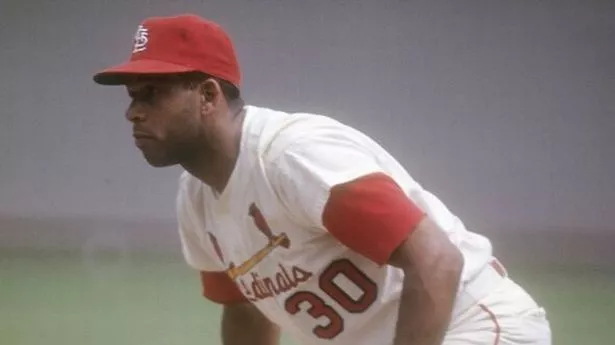
In 1967, Cepeda had a phenomenal season with the Cardinals, batting .325 with 25 home runs and 111 RBIs. He became the first unanimous winner of the National League Most Valuable Player Award since Carl Hubbell in 1936. More importantly, he was a key contributor to the Cardinals’ World Series championship that year. Though he struggled in the Fall Classic, the Cardinals won the title in seven games over the Boston Red Sox, and Cepeda’s clubhouse leadership was often cited as an intangible factor in the team’s success. He became not just a productive player but a galvanizing force within a highly talented roster.
Statistically, Cepeda was an offensive powerhouse throughout the 1960s. Over the course of his 17-year MLB career, he compiled a .297 batting average with 379 home runs, 1,365 RBIs, and 2,351 hits in 2,124 games. He made 11 All-Star teams, won a Gold Glove Award in 1961, and led the league in RBIs in 1961. He consistently ranked among league leaders in slugging percentage, OPS, and total bases. His career WAR (Wins Above Replacement) of 50.1 reflects his broad value as a player, especially considering he played a large portion of his career before modern training, travel, and analytics revolutionized the game.
Beyond the numbers, Cepeda’s significance can be measured in the cultural impact he had on the game, particularly as one of the early Latin American stars to succeed in Major League Baseball. Alongside contemporaries like Roberto Clemente and Minnie Miñoso, Cepeda faced the challenges of language barriers, cultural differences, and systemic racism. He was an early ambassador for Puerto Rican players, and his success paved the way for generations of Latin American athletes to view MLB as an attainable dream. He brought pride to his homeland and helped solidify baseball’s identity as an international sport.
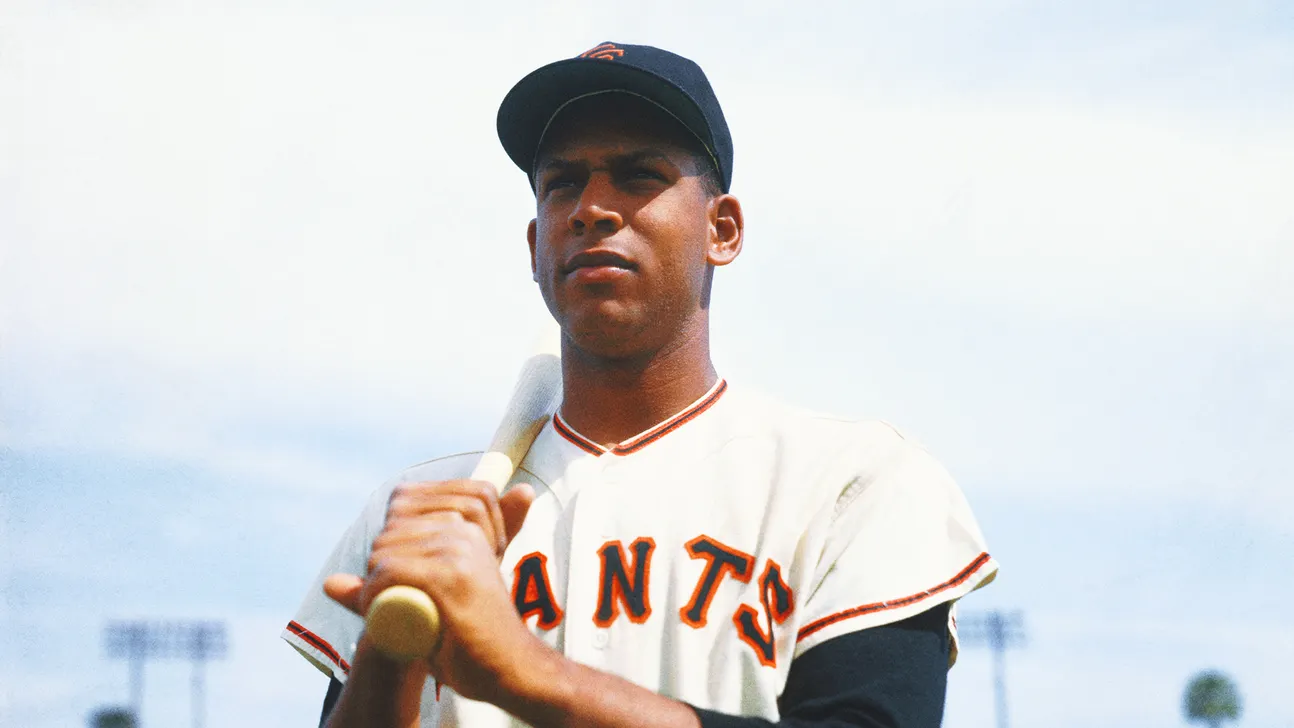
As his career progressed, injuries began to take a toll on Cepeda. He played for the Atlanta Braves, Oakland Athletics, Boston Red Sox, and Kansas City Royals in the final years of his career. Though he continued to contribute as a designated hitter and pinch hitter, especially with the Red Sox in 1973 where he became the first player to serve exclusively as a designated hitter in a full season, his days of dominance were behind him. He retired after the 1974 season, bringing to a close a career that had seen tremendous highs and difficult lows.
Yet Cepeda’s post-playing career was marked by personal and public challenges. In 1975, he was arrested and later convicted on drug charges, an event that tarnished his image and seemed to derail his prospects for enshrinement in the Hall of Fame. For years, despite his outstanding numbers and accolades, he was kept out of Cooperstown, largely due to the off-field issues and a perceived inconsistency compared to other Hall of Fame first basemen. It was a long and painful exile for a player who had meant so much to the game, particularly to fans in San Francisco, St. Louis, and Puerto Rico.
However, Cepeda found redemption and a renewed sense of purpose in the 1980s and 1990s. He became an ambassador for the San Francisco Giants and a community leader, working extensively in charity, youth programs, and public outreach. His charisma, warmth, and genuine love for people endeared him to a new generation of fans, and he gradually rebuilt his public image. His story of personal growth, accountability, and service became just as compelling as his career on the field.

Finally, in 1999, Cepeda was inducted into the Baseball Hall of Fame by the Veterans Committee, an emotional moment that marked the culmination of decades of achievement, hardship, and transformation. His induction speech reflected the humility and gratitude that had come to define the later stages of his life. He paid tribute to his family, to his father, to his homeland, and to the many fans and teammates who had supported him along the way.
Orlando Cepeda’s career is a rich and complex narrative that touches on excellence, adversity, and redemption. On the field, he was one of the most consistent and feared hitters of the 1960s, a player who could change a game with one swing and anchor a lineup with his presence. Off the field, he broke barriers and bore the weight of expectations placed upon one of the earliest Latin stars in Major League Baseball. He was not perfect, but his story is a human one, filled with moments of brilliance and lapses of judgment, followed by redemption and lasting impact.
In the context of baseball history, Cepeda stands as a symbol of the game’s globalization and the importance of cultural diversity in sports. His influence continues to be felt today, not only through the players he inspired but through the community work that bears his name. The Baby Bull may have roared with his bat, but it was the strength of his spirit and the depth of his humanity that ultimately defined him. His place among baseball’s greats is not just secured by numbers and accolades but by the journey he took and the lives he touched along the way.


 The Baseball Scholar
Leave a comment