
Wesley Cheek Ferrell, known as Wes Ferrell, was an American professional baseball pitcher whose remarkable career in Major League Baseball (MLB) spanned from 1927 to 1941. Born on February 2, 1908, in Greensboro, North Carolina, Ferrell emerged as one of the most talented and fiery competitors of his era. His career was marked by exceptional pitching performances, unprecedented batting achievements for a pitcher, and a temperament that often led to on-field confrontations. Ferrell’s legacy in baseball is multifaceted, reflecting both his athletic prowess and his complex personality.
Growing up in North Carolina, Wes Ferrell was part of a family deeply rooted in baseball. His older brother, Rick Ferrell, would also go on to have a distinguished MLB career as a catcher, eventually earning induction into the Baseball Hall of Fame. This familial connection to the sport provided Wes with both inspiration and a competitive environment that honed his skills from a young age. Ferrell’s talent became evident during his high school years, where he showcased a powerful arm and an aptitude for the game that set him apart from his peers. His performances attracted the attention of professional scouts, leading to his signing with the Cleveland Indians organization in 1927 at the age of 19. This marked the beginning of a professional journey that would see Ferrell rise rapidly through the ranks of baseball.
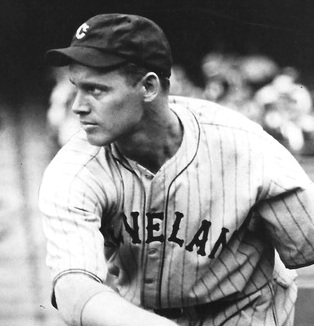
Upon joining the Cleveland Indians, Ferrell’s initial assignments were in the minor leagues, where he quickly demonstrated his potential. His time in the minors was brief but impactful, as he displayed not only a strong pitching arm but also a competitive spirit that would become a hallmark of his career. Ferrell made his MLB debut with the Cleveland Indians in 1927. In his early years with the team, his appearances were limited, and he often found himself relegated to roles such as throwing batting practice. This period was challenging for Ferrell, as he struggled to establish himself in the major leagues. However, his determination and resilience during these formative years laid the foundation for his future success.
The turning point in Ferrell’s career came in 1929 when he secured a spot in the Indians’ starting rotation. That season, he compiled an impressive 21-10 record with a 3.60 earned run average (ERA) and 100 strikeouts. This performance not only solidified his position as a key pitcher for the team but also marked the beginning of a series of outstanding seasons. In 1930, Ferrell elevated his game further, achieving a 25-13 record with a 3.31 ERA and 143 strikeouts. His ability to consistently deliver complete games—leading the American League (AL) in this category multiple times—underscored his durability and effectiveness on the mound. Ferrell’s pitching arsenal included a decent fastball, a good curveball, and a particularly effective changeup, making him a formidable opponent for any lineup.
Ferrell’s career was punctuated by several remarkable achievements that highlighted his dominance as a pitcher. One of the most notable occurred on April 29, 1931, when he pitched a no-hitter against the St. Louis Browns, leading the Indians to a commanding 9-0 victory. In that game, he not only struck out eight batters but also contributed offensively with a home run, a double, and four runs batted in. Interestingly, his brother Rick, then playing for the Browns, came closest to breaking the no-hitter by reaching base on an error. In terms of consistency, Ferrell achieved something no other pitcher in MLB history has done by winning at least 20 games in each of his first four full big-league seasons, a streak that showcased his remarkable talent and endurance. What set him apart even further was his offensive prowess. Ferrell was widely regarded as one of the best-hitting pitchers in baseball history. In 1931, he set the record for most home runs in a single season by a pitcher with nine, and he finished his career with a total of 37 home runs. With a career batting average of .280 and 208 runs batted in, Ferrell was a legitimate threat at the plate, an extremely rare quality for a pitcher.
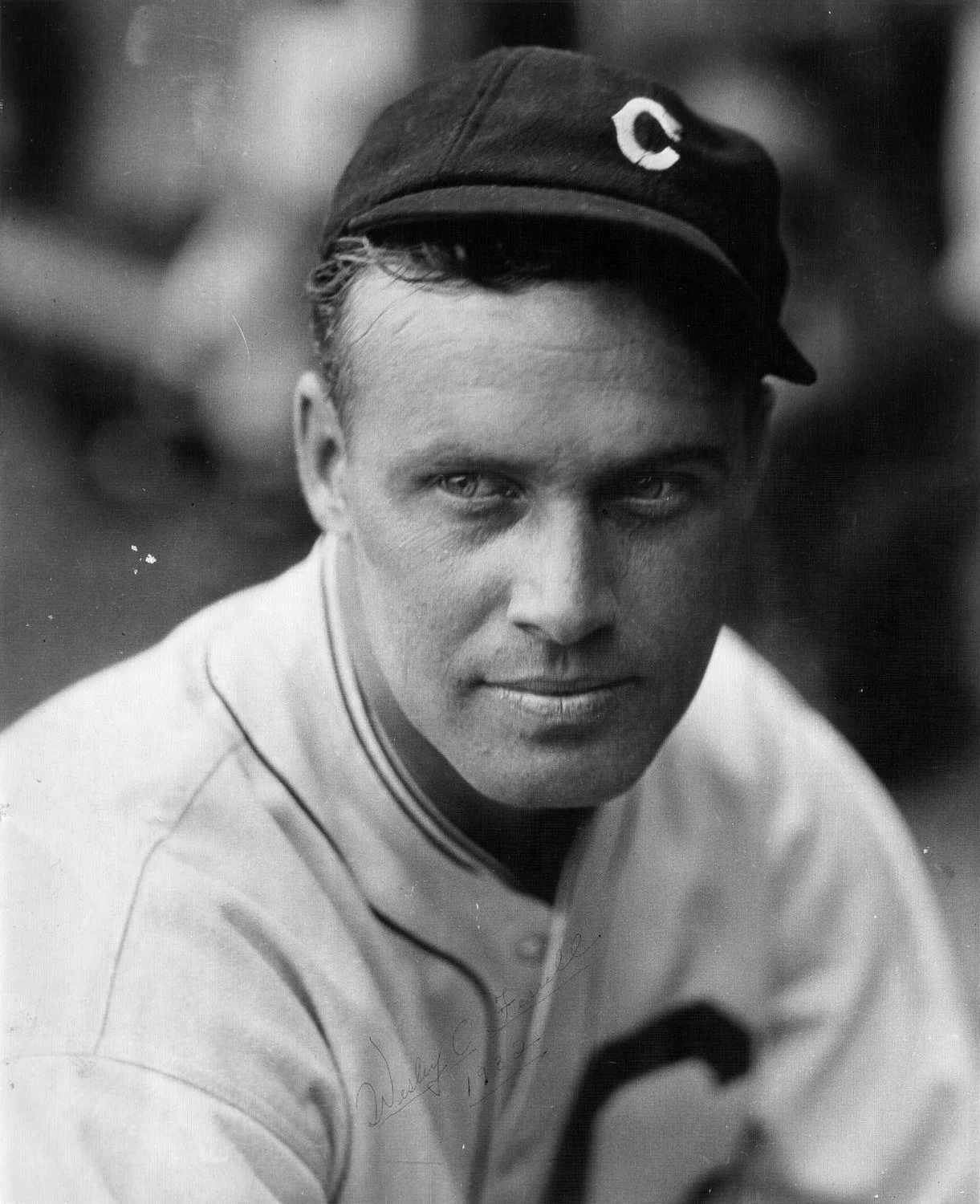
Ferrell’s competitive nature was both a strength and a source of controversy throughout his career. Known for his fiery temperament, he often clashed with managers, umpires, and at times, even himself. He was fined and suspended multiple times for refusing to be removed from games by his managers, insisting on staying in the game even when struggling, a testament to his intense desire to compete and succeed. In moments of frustration, Ferrell sometimes exhibited self-destructive behavior. On at least one occasion, after being driven from the mound, he reportedly punched himself in the jaw and slammed his head into a wall, nearly rendering himself unconscious and requiring his teammates to intervene. These incidents, while underscoring his passion for the game, also posed challenges for team management and may have influenced how he was perceived by the baseball establishment.
After his tenure with the Cleveland Indians, Ferrell’s career continued with several other teams, including the Boston Red Sox, Washington Senators, New York Yankees, Brooklyn Dodgers, and Boston Braves. His stint with the Red Sox was particularly notable, as it reunited him with his brother Rick, who was then the team’s catcher. This fraternal battery proved effective and memorable for fans. In 1935, while with the Red Sox, Ferrell led the American League with 25 wins and also posted a staggering .347 batting average, an extraordinary feat for a pitcher that highlighted the rarity of his dual-threat capabilities. However, as the years progressed, his performance began to decline due to mounting injuries, particularly to his shoulder. Although he underwent arm surgery in an effort to prolong his career, Ferrell was unable to return to his previous dominant form, ultimately bringing his major league career to a close in 1941.
Even after leaving the big leagues, Ferrell’s love for baseball kept him involved in the game. He continued playing in the minor leagues, this time as an outfielder, where he took full advantage of his batting skills. His passion for the game remained evident as he also took on managerial roles within the minor league system. However, his fiery temperament continued to surface. In one instance, Ferrell physically assaulted an umpire during a disagreement, and in another, he removed his entire team from the field in protest of an umpiring decision, actions that led to further suspensions and disciplinary action. These events added another layer of complexity to his legacy.
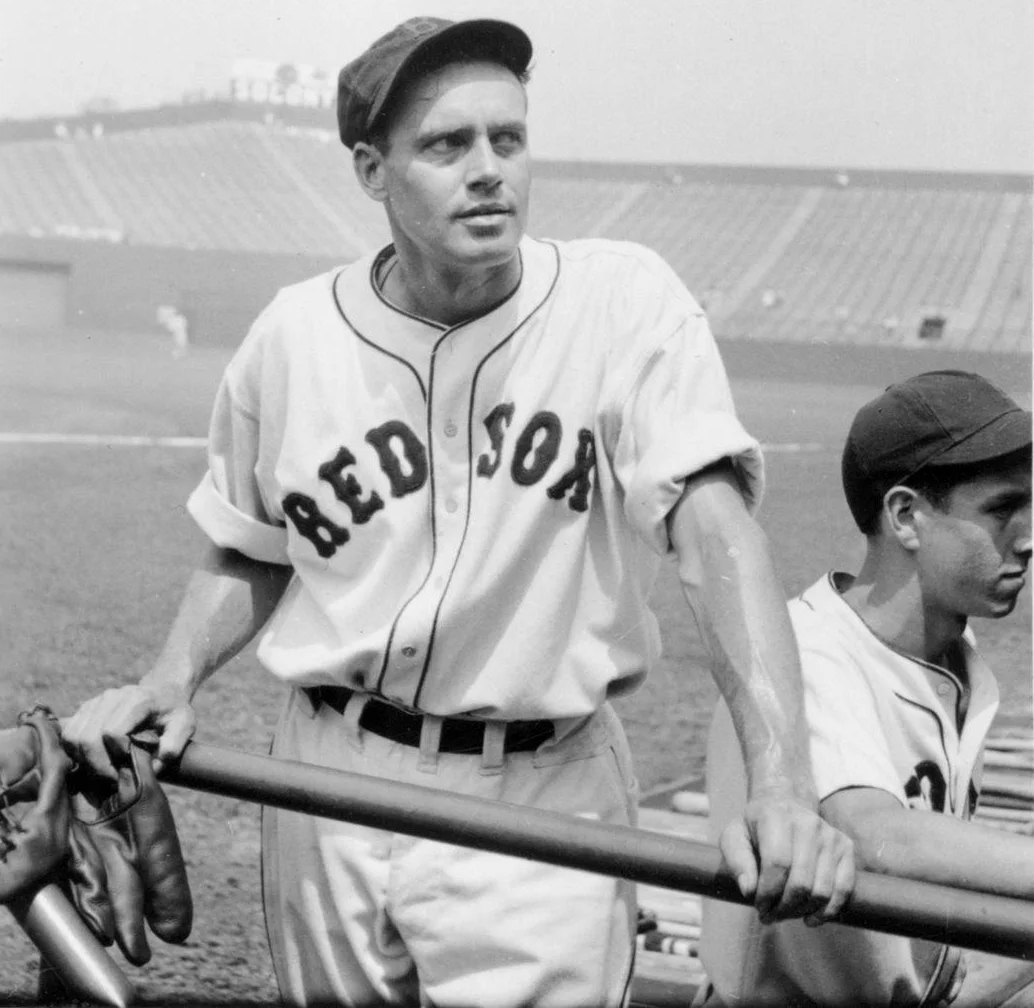
Ferrell’s contributions to baseball have received some degree of recognition posthumously. In 1981, he was included in the book The 100 Greatest Baseball Players of All Time by Lawrence Ritter and Donald Honig, a testament to his impact as both a pitcher and a hitter. In 2008, he was inducted into the Boston Red Sox Hall of Fame, acknowledging the significance of his time with that storied franchise. Nevertheless, Ferrell has yet to receive induction into the National Baseball Hall of Fame. Critics of his candidacy often point to his relatively high career ERA of 4.04 as a factor weighing against him. However, his supporters argue that this statistic should be considered in the context of the high-scoring era in which he pitched and that his overall contributions, especially as a hitter, warrant recognition at the highest level of the sport.
Several aspects of Wes Ferrell’s career distinguish him in the history of Major League Baseball. Perhaps most notably, he is widely regarded as the best-hitting pitcher of all time. His total of 37 career home runs remains the highest by any player who appeared in at least 50 percent of his games as a pitcher. He also batted .280 across his career and, in seasons like 1935, hit as high as .347, numbers that many position players would envy. His 9 home runs in a single season by a pitcher is still a record, and his 208 RBIs underscore the threat he posed in the lineup. In fact, during his career, managers often used him as a pinch hitter, and late in his career he played several games in the outfield just to keep his bat in the lineup. These offensive feats were virtually unheard of for a pitcher and contributed significantly to the value he brought to every team he played for.
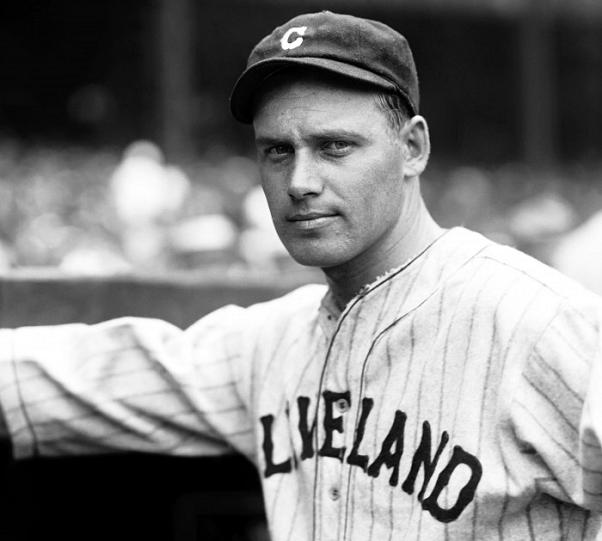
Wes Ferrell’s story is one of brilliance, complexity, and passion. His dominance on the mound, extraordinary ability at the plate, and unyielding competitive spirit made him one of the most unique and memorable figures in baseball history. Though his intense temperament sometimes overshadowed his accomplishments, his statistical achievements and fearless approach to the game continue to inspire appreciation and debate among baseball historians and fans alike. Whether or not the Hall of Fame ever calls his name, Wes Ferrell remains a legendary figure—one who exemplified both the talent and the turbulence of America’s pastime during one of its most colorful eras.


 The Baseball Scholar
Leave a comment