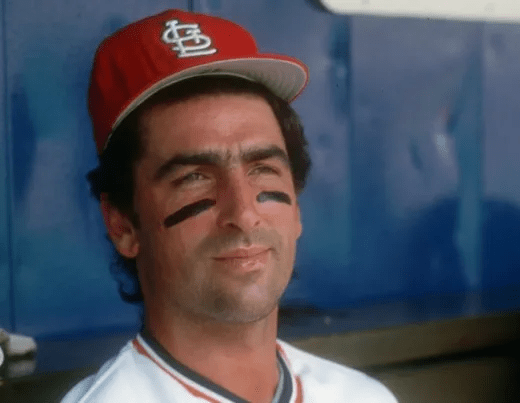
Jack Anthony Clark, affectionately known as “Jack the Ripper,” carved out a distinguished career in Major League Baseball (MLB) that spanned 18 seasons from 1975 to 1992. Renowned for his powerful bat, versatility on the field, and charismatic presence, Clark left an indelible mark on the game. His journey from a promising young athlete to a celebrated MLB star is a narrative of talent, resilience, and adaptability.
Born on November 10, 1955, in New Brighton, Pennsylvania, Jack Clark’s family relocated to Southern California during his childhood. It was there that he developed a passion for baseball, playing at Gladstone High School in Covina, California. Clark’s exceptional performance on the high school baseball team caught the attention of scouts, leading to his selection by the San Francisco Giants in the 13th round of the 1973 MLB Draft. This marked the beginning of his professional journey.
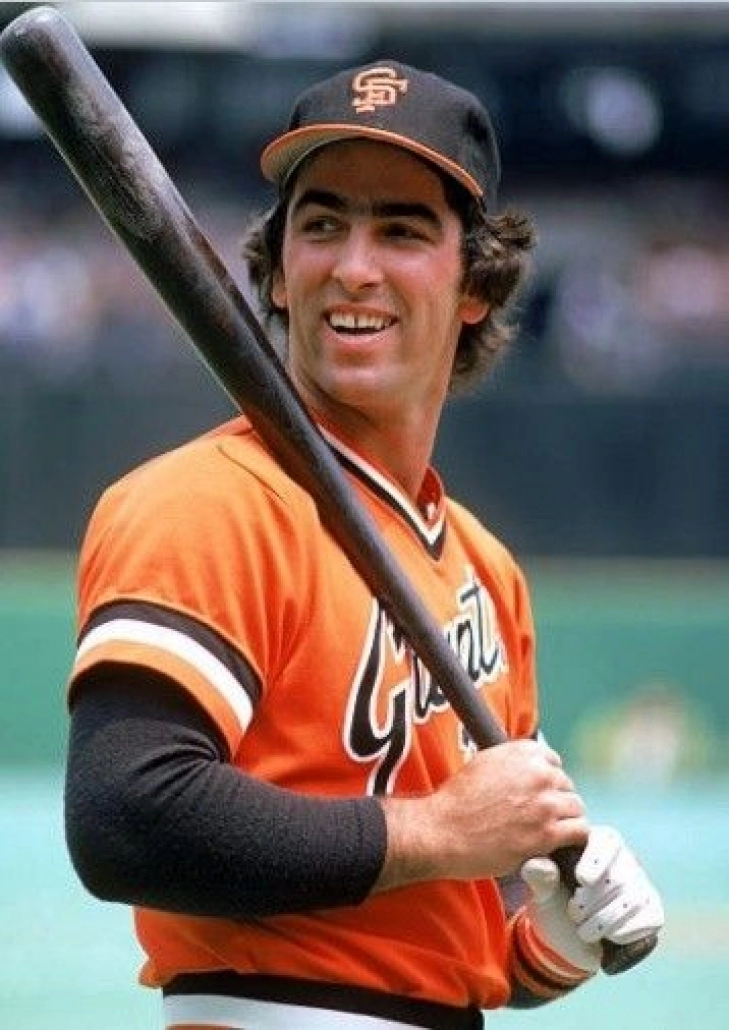
Clark’s ascent through the minor leagues was swift, reflecting his burgeoning talent. He showcased a potent combination of batting prowess and defensive versatility, playing both infield and outfield positions. By 1975, at the age of 19, Clark made his MLB debut with the San Francisco Giants. Although his initial appearances were limited, they provided a glimpse of the potential that would soon make him a mainstay in the Giants’ lineup.
The late 1970s and early 1980s were formative years for Clark as he established himself as one of the premier hitters in the National League. In 1978, he had a breakout season, batting .306 with 25 home runs, 98 RBIs, and 46 doubles. His performance not only earned him his first All-Star selection but also placed him fourth in the league with 318 total bases. Notably, he recorded a 26-game hitting streak that year, setting a post-1900 record for any Giants batter. Clark’s offensive consistency continued in the subsequent seasons. He led the Giants in home runs and RBIs multiple times, solidifying his reputation as the team’s offensive linchpin. His ability to combine power with a disciplined approach at the plate made him a formidable opponent for pitchers across the league.
In February 1985, the Giants traded Clark to the St. Louis Cardinals, a move that would prove pivotal for both Clark and the Cardinals. Manager Whitey Herzog viewed Clark as the missing piece to bolster the team’s offense. Clark did not disappoint; in his first season with St. Louis, he led the team with 22 home runs and contributed 87 RBIs, playing a crucial role in the Cardinals’ 101-win season and their National League East division title. Clark’s impact was most pronounced during the 1985 National League Championship Series (NLCS) against the Los Angeles Dodgers. In Game 6, with the Cardinals trailing in the ninth inning, Clark faced Dodgers’ relief ace Tom Niedenfuer. Despite nursing pulled rib muscles and having not hit a home run in over three weeks, Clark seized the moment. He launched a three-run homer into the left-field stands, propelling the Cardinals to a 7–5 victory and securing their place in the World Series. This clutch performance remains one of the defining moments of his career.
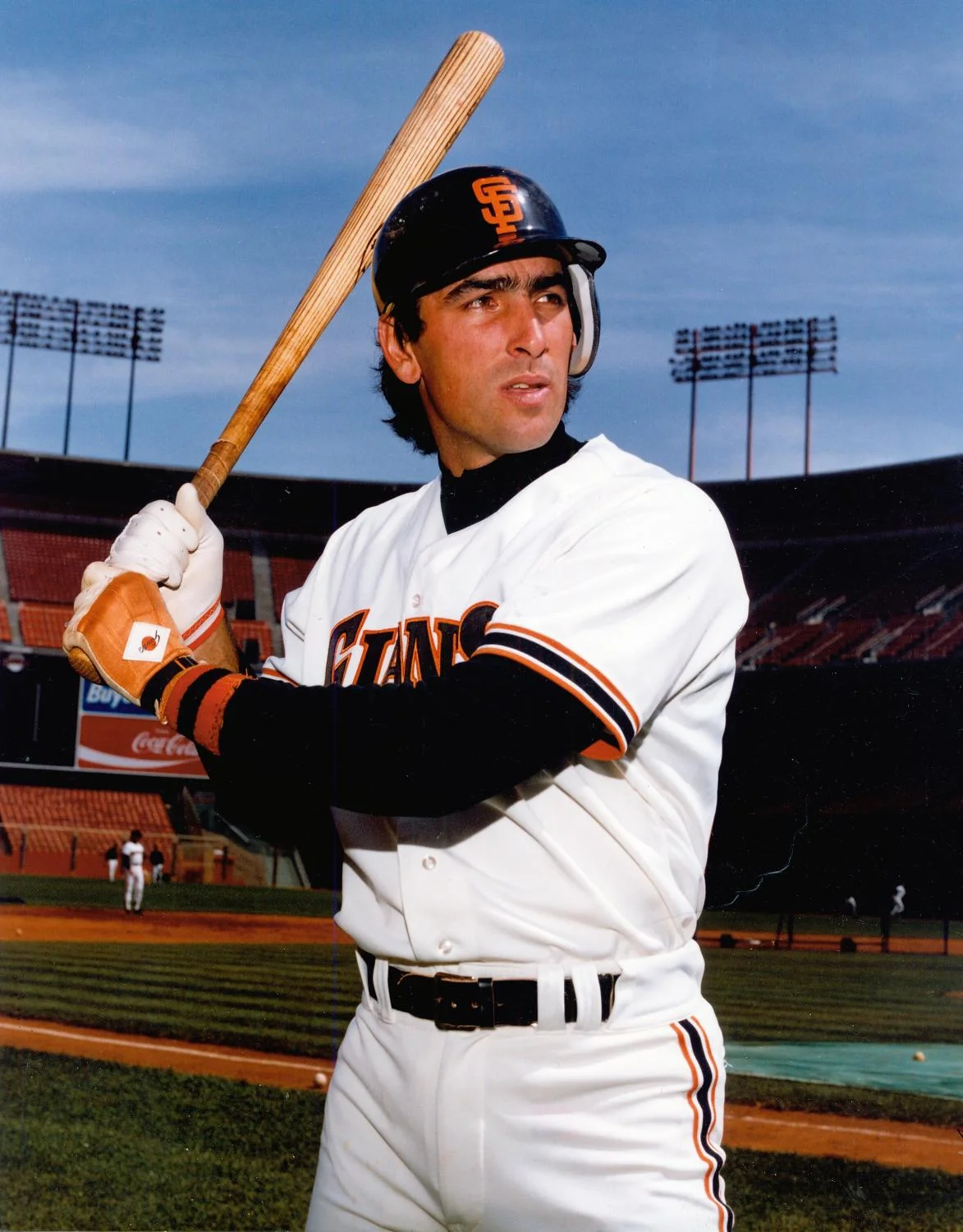
The 1987 season was arguably Clark’s finest. He hit .286 with 35 home runs and 106 RBIs, leading the National League with 136 walks and an on-base percentage of .459. His contributions were instrumental in guiding the Cardinals to another National League pennant. For his outstanding performance, Clark received his second Silver Slugger Award and finished third in the MVP voting.
Following his tenure with the Cardinals, Clark signed with the New York Yankees in 1988. In his sole season with the Yankees, he played 150 games, hitting .242 with 27 home runs and 93 RBIs. While these numbers were respectable, they fell short of the lofty expectations set for him. Injuries and team dynamics influenced his performance, leading to his departure after one season. Clark then joined the San Diego Padres, where he played from 1989 to 1990. In his first season with the Padres, he led the team with 26 home runs and 94 RBIs, demonstrating that he still possessed significant offensive capabilities. His leadership and experience were valuable assets to the Padres’ lineup.
In 1991, Clark signed a three-year contract with the Boston Red Sox. His first season in Boston saw him hit 28 home runs with 87 RBIs, contributing to the team’s offensive efforts. However, the following season was marred by injuries and a decline in performance. In 1992, he managed only five home runs and 33 RBIs with a batting average of .210 over 81 games. These struggles led to his release from the team and marked the end of his playing career.
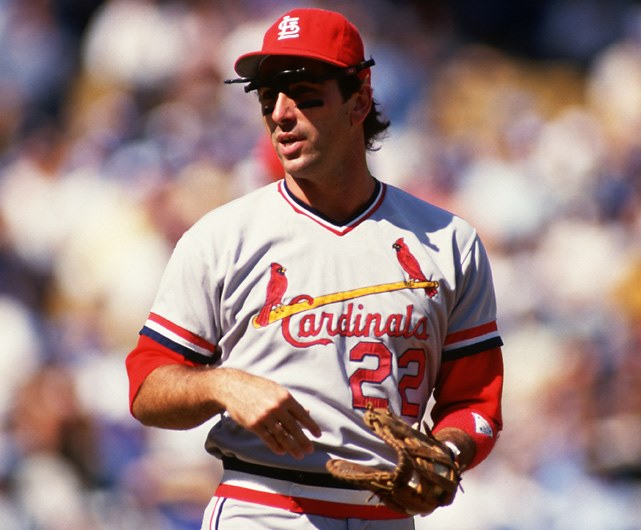
Over his 18-season MLB career, Jack Clark compiled impressive statistics that underscore his impact as a hitter: a batting average of .267, 340 home runs, 1,180 RBIs, 1,826 hits, 1,118 runs scored, 332 doubles, 1,262 walks, an on-base percentage of .379, a slugging percentage of .476, and an on-base plus slugging (OPS) of .855. Clark was a four-time All-Star (1978, 1979, 1985, 1987) and a two-time Silver Slugger Award winner (1985, 1987). His ability to draw walks and get on base was a testament to his disciplined approach at the plate, making him a consistent offensive threat throughout his career.
Jack Clark’s impact on baseball extends beyond his statistical achievements. He was known for his fierce competitiveness and outspoken nature, traits that made him a leader in the clubhouse and a central figure in team dynamics. His transition from the outfield to first base during his career showcased his adaptability and commitment to team success. Clark’s tenure with the Cardinals highlighted his ability to elevate a team’s performance, particularly in clutch situations. His memorable home run in the 1985 NLCS is often cited as one of the most significant moments in Cardinals’ postseason history. Such performances endeared him to fans and solidified his reputation as a player who thrived under pressure.

After retiring from playing, Clark remained involved in baseball through various roles, including serving as a hitting coach for the Los Angeles Dodgers and managing the River City Rascals, an independent league team. His insights and experiences provided valuable mentorship to younger players transitioning into professional baseball. Off the field, Clark’s life experienced notable highs and lows. Despite earning over $10 million during his playing career, he faced financial challenges, filing for bankruptcy in 1992 with debts amounting to $6.7 million. His passion for luxury cars and investments in a drag-racing business contributed to his financial difficulties. Reflecting on these experiences, Clark acknowledged the lessons learned and expressed no regrets.


 The Baseball Scholar
Leave a comment