
Jim Fregosi was a significant figure in Major League Baseball, both as a player and a manager. His career spanned multiple decades, leaving a lasting impact on the teams he played for and those he managed. Fregosi was a six-time All-Star shortstop whose skills in the field and at the plate made him one of the premier players of his time. Though he never achieved Hall of Fame status as a player, his contributions to baseball extended beyond his playing days, particularly in his managerial career, where he led teams to success, most notably taking the Philadelphia Phillies to the World Series in 1993. His legacy is one of leadership, perseverance, and a deep love for the game.
James Louis Fregosi was born on April 4, 1942, in San Francisco, California. He grew up in a sports-oriented environment and quickly demonstrated his talent for baseball. Attending Junípero Serra High School in San Mateo, California, Fregosi excelled as a multi-sport athlete, but baseball was his true calling. His standout performances at the high school level caught the attention of professional scouts, leading to him being signed by the Boston Red Sox as an amateur free agent in 1960. However, his time with the Red Sox organization was short-lived, as he was left unprotected in the expansion draft and was subsequently selected by the Los Angeles Angels, a move that would define his career.

Fregosi’s early years in the minor leagues were promising, and he quickly developed into one of the most highly regarded shortstop prospects in baseball. By 1961, he made his MLB debut with the Angels, a team still in its infancy as an expansion franchise. In his first few seasons, he showed flashes of brilliance, and by 1963, he had established himself as the team’s starting shortstop. Fregosi was an integral part of the Angels’ development during their early years, becoming the face of the franchise and their first true star.
During the 1960s, Fregosi was one of the best shortstops in baseball. He had a rare combination of defensive prowess, a strong arm, and a potent bat, making him a valuable asset. His peak years came between 1964 and 1970, during which he was selected to six All-Star teams and won a Gold Glove in 1967. Though the Angels struggled as a team during much of his tenure, Fregosi remained a steady presence and a respected leader in the clubhouse.
His best statistical season came in 1970, when he hit .278 with 22 home runs, 82 RBIs, and a .352 on-base percentage. These numbers were outstanding for a shortstop of that era, as the position was typically known more for defense than offense. Over the course of his time with the Angels, he accumulated impressive statistics, finishing his tenure with a .268 batting average, 115 home runs, and 546 RBIs. He was also known for his speed and baserunning ability, stealing 71 bases during his career.
Despite his individual success, the Angels remained a struggling franchise in search of a winning identity. By the early 1970s, the team was looking to make a change, and Fregosi’s career took a pivotal turn when he was involved in one of the most famous trades in baseball history. In December 1971, the Angels traded Fregosi to the New York Mets in exchange for a package of players that included a young Nolan Ryan. At the time, Ryan was an unproven pitcher with a blazing fastball but erratic control. The trade ultimately became one of the most lopsided in baseball history, as Ryan went on to become one of the greatest pitchers of all time, while Fregosi’s best playing days were behind him.

Fregosi’s time with the Mets was disappointing. He struggled with injuries and was unable to replicate the success he had in California. In parts of two seasons with New York, he hit just .233 with five home runs and 43 RBIs. His tenure with the Mets ended in 1973 when he was sold to the Texas Rangers.
With the Rangers, Fregosi experienced somewhat of a career resurgence. Though he was no longer an everyday shortstop, he transitioned into a utility infielder and a veteran presence in the clubhouse. In 1974, he helped the Rangers achieve their first winning season in franchise history, providing leadership and stability. He played with Texas through the 1977 season before finishing his playing career with the Pittsburgh Pirates in 1978.
Fregosi retired with career statistics that included a .265 batting average, 151 home runs, and 706 RBIs over 18 seasons. While his offensive numbers may not have been Hall of Fame caliber, his contributions to the game went beyond statistics. He was widely respected for his baseball intelligence and leadership qualities, traits that led him directly into a successful managerial career.
Shortly after retiring, Fregosi transitioned into coaching and managing. His first managerial opportunity came with the California Angels in 1978, making him one of the few players to manage the same franchise where he had once been a star. He guided the Angels to their first-ever division title in 1979, earning widespread praise for his ability to lead and motivate players. However, after some struggles in the following seasons, he was dismissed in 1981.
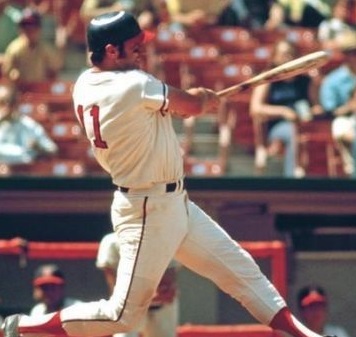
Fregosi later managed the Chicago White Sox from 1986 to 1988 and had a brief stint with the Philadelphia Phillies’ minor league system before returning to the major leagues as the manager of the Phillies in 1991. His most famous managerial achievement came in 1993 when he led the Phillies to the National League pennant and a trip to the World Series. The 1993 Phillies were a team full of colorful personalities, and Fregosi’s ability to manage such a diverse group was a testament to his leadership skills. Though the Phillies ultimately lost the World Series to the Toronto Blue Jays, the season was a major success, and Fregosi solidified his reputation as a top-tier manager.
After his time in Philadelphia, Fregosi spent time as a scout and special assistant in various front offices. His knowledge of the game made him a valuable asset in talent evaluation and player development. His baseball career, which spanned nearly five decades as a player, manager, and executive, showcased his deep love and dedication to the sport.
One of the most unique aspects of Fregosi’s career was his ability to transition seamlessly between different roles within baseball. Many players struggle to find success after their playing days are over, but Fregosi thrived in multiple capacities. His baseball mind was widely respected, and his influence extended far beyond the playing field.
Jim Fregosi passed away in 2014, leaving behind a legacy of excellence and passion for the game. While he may not be a Hall of Famer in terms of statistics, his impact on baseball was immense. He was a pioneer for the Angels, a leader on the field, a brilliant manager, and a dedicated baseball man through and through. His contributions to the game continue to be remembered by those who had the privilege of watching him play and manage.
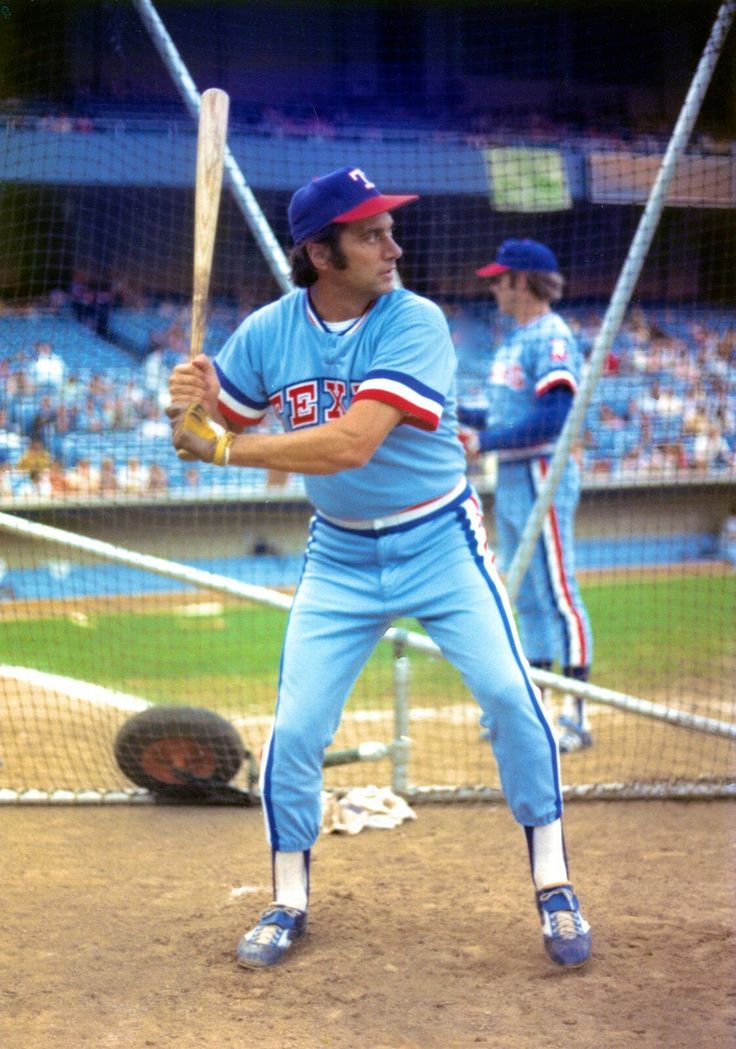
Jim Fregosi’s career serves as a reminder that baseball is about more than just numbers. It is about leadership, perseverance, and the ability to adapt. He was a player who helped define a franchise, a manager who brought teams to the pinnacle of success, and a man who devoted his life to the sport he loved. His influence on baseball remains a lasting testament to his greatness.



 The Baseball Scholar
Leave a comment