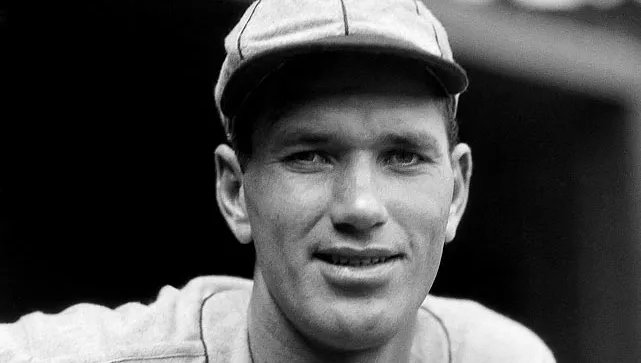
Dizzy Dean was one of the most colorful and dominant pitchers in Major League Baseball history. His career, though relatively brief, left an indelible mark on the game, and his personality, achievements, and impact on baseball continue to be celebrated long after his retirement. Dean’s combination of exceptional talent, confidence, and charisma made him a unique figure in baseball, and his influence extended beyond the playing field. His dominance in the 1930s, particularly during his time with the St. Louis Cardinals, cemented his legacy as one of the greatest pitchers of his era.
Jay Hanna “Dizzy” Dean was born on January 16, 1910, in Lucas, Arkansas, and grew up in a rural environment where he developed his love for baseball. He earned his famous nickname, “Dizzy,” for his quirky personality and unfiltered confidence, traits that would define him both on and off the field. Dean came from a modest background, and like many ballplayers of his era, he found his way into professional baseball through his raw talent rather than formal training. He played in sandlot games and semi-professional leagues, where his powerful right arm quickly made him stand out.

Dean’s professional baseball career began in the minor leagues, where he played for various teams before catching the attention of the St. Louis Cardinals’ organization. The Cardinals, under the leadership of Branch Rickey, were renowned for their extensive scouting system, and Dean’s talent was too great to ignore. He quickly rose through the ranks, displaying an incredible fastball, pinpoint control, and an unwavering confidence that bordered on arrogance. These qualities made him a perfect fit for the Cardinals’ system, and by the early 1930s, he was ready to make an impact in the major leagues.
Dizzy Dean made his major league debut with the St. Louis Cardinals in 1930, but it wasn’t until 1932 that he established himself as a full-time player. That season, he won 18 games and led the National League in strikeouts, demonstrating his potential as a dominant force on the mound. However, it was in 1934 that Dean reached the pinnacle of his career. That year, he led the “Gashouse Gang,” the scrappy and fiercely competitive Cardinals team that captured the National League pennant and went on to win the World Series. Dean was instrumental in that championship run, finishing the regular season with a remarkable 30-7 record, a 2.66 ERA, and 195 strikeouts. His 30 wins made him the last National League pitcher to reach that milestone in a single season, a feat that remains unmatched to this day.
During the 1934 World Series, Dean continued to shine, pitching two complete-game victories and even making a dramatic return to the field after being struck in the head by a throw while running the bases. His toughness and resilience in that moment only added to his legend. The Cardinals defeated the Detroit Tigers in seven games, and Dean was hailed as the hero of the series. His larger-than-life personality and brash predictions—he famously guaranteed victory in key games—made him a fan favorite and one of the most recognizable figures in baseball.
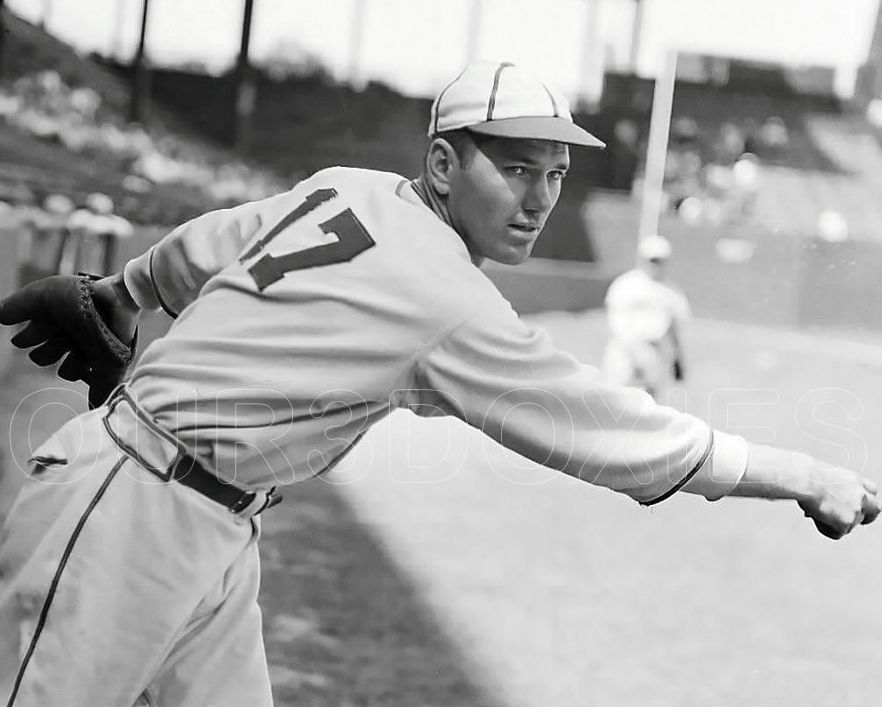
Dean’s success continued through the mid-1930s, as he consistently ranked among the league leaders in wins, ERA, and strikeouts. In 1935, he won 28 games and once again led the National League in strikeouts. The following year, he won 24 games and maintained his reputation as one of the most dominant pitchers in baseball. However, his heavy workload and aggressive pitching style began to take a toll on his arm.
One of the most significant moments in Dean’s career came in the 1937 All-Star Game when he suffered a foot injury after being hit by a line drive. In an attempt to return to action too soon, he altered his pitching mechanics, which ultimately led to a serious arm injury. This marked the beginning of the decline of his career. Although he continued to pitch for a few more seasons, he was never the same dominant force that he had been earlier in the decade.
In 1938, the Cardinals traded Dean to the Chicago Cubs, hoping that he could regain his form and help them in their quest for a championship. While he had moments of brilliance with the Cubs, injuries continued to hamper his effectiveness. He played through pain and adjusted his style, relying more on control and deception rather than overpowering hitters. Despite his struggles, he played a key role in helping the Cubs win the National League pennant in 1938, though they ultimately lost to the New York Yankees in the World Series.
Dean’s career effectively ended in 1941 when he retired due to persistent arm troubles. His final major league statistics reflected his brilliance: he finished with a career record of 150-83, a 3.02 ERA, and 1,163 strikeouts. Although his career was relatively short, his impact on the game was immense. He was elected to the Baseball Hall of Fame in 1953, a recognition of his outstanding achievements and influence on the sport.
Beyond his statistical achievements, Dean’s personality and showmanship made him one of the most beloved players in baseball history. He was known for his colorful interviews, bold statements, and humorous antics. He often entertained fans and teammates with his wit and storytelling, and his confidence never wavered, even in the face of adversity.
After retiring as a player, Dean transitioned into a successful career as a broadcaster. His Southern drawl, folksy charm, and unique way of describing the game made him a favorite among listeners. While his grammar was sometimes unpolished, his insights and enthusiasm made him one of the most recognizable voices in baseball. His broadcasting career lasted for decades, and he remained a popular figure in the sport long after his playing days ended.
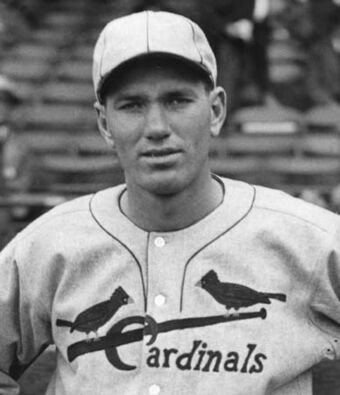
Dean’s legacy is also tied to his influence on future generations of pitchers. His dominance in the 1930s set a standard for excellence, and his ability to thrive under pressure became a model for aspiring pitchers. His famous 30-win season remains a benchmark for greatness, and his place in baseball history is secure as one of the game’s all-time greats.
In addition to his impact on baseball, Dean’s larger-than-life persona made him a cultural icon. He appeared in films, endorsed products, and became a symbol of the golden era of baseball. His contributions to the sport extended beyond the field, and he remains one of the most celebrated figures in baseball history.
Despite the injuries that cut his career short, Dizzy Dean’s impact on baseball is undeniable. He was a dominant pitcher, a charismatic entertainer, and a beloved figure in the game. His achievements on the field, including his remarkable 1934 season and World Series heroics, solidified his place among the legends of the sport. His post-playing career as a broadcaster further endeared him to fans, and his legacy continues to be celebrated today.

Dizzy Dean’s story is one of talent, confidence, and perseverance. He overcame humble beginnings to become one of the most dominant pitchers of his time, and his larger-than-life personality made him a legend both on and off the field. His influence on baseball remains strong, and his name is forever etched in the annals of the game’s history.


 The Baseball Scholar
Leave a comment