
Enos Slaughter was one of the most tenacious and respected players of his era, known for his fierce competitiveness, exceptional hitting ability, and memorable moments on the field. Over a career that spanned from the late 1930s to the late 1950s, Slaughter cemented his legacy as one of the most valuable outfielders in Major League Baseball history. Best remembered for his iconic “Mad Dash” in the 1946 World Series, Slaughter was a player who epitomized hustle and grit, setting an example for future generations of ballplayers. His career statistics and impact on the game make him a significant figure in baseball history.
Enos Bradsher Slaughter was born on April 27, 1916, in Roxboro, North Carolina, a small town known for its deep-rooted passion for baseball. Growing up in rural North Carolina, Slaughter honed his skills in sandlot games and local leagues, developing a reputation for his natural talent and relentless work ethic. As a teenager, he played for his high school team before catching the attention of professional scouts. In 1935, he signed with the St. Louis Cardinals organization and began his professional career in the minor leagues. Slaughter’s early years in the minors were marked by his commitment to improving his game, and by 1938, he had made his debut with the Cardinals.
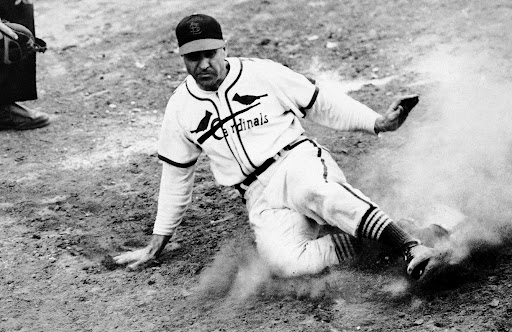
Slaughter quickly established himself as an integral part of the Cardinals’ roster. By 1939, he was a full-time player, demonstrating a knack for hitting to all fields and playing strong defense in right field. One of the hallmarks of his career was his consistency at the plate. In his first full season, he hit .320 with 52 runs batted in (RBIs) and proved to be a tough out for opposing pitchers. Over the next few seasons, he continued to refine his skills, becoming one of the most feared hitters in the National League.
His career was interrupted in 1943 when he enlisted in the U.S. Army Air Forces during World War II. Like many players of his generation, Slaughter sacrificed his baseball prime to serve his country, missing three full seasons from 1943 to 1945. This absence undoubtedly affected his career statistics, but it also underscored his character and sense of duty. Upon his return to baseball in 1946, he immediately re-established himself as one of the game’s elite players.
The 1946 season proved to be one of the most memorable of Slaughter’s career. He hit .300 with 130 RBIs, leading the Cardinals to the National League pennant and setting the stage for one of the most famous moments in World Series history. In Game 7 of the World Series against the Boston Red Sox, with the game tied in the eighth inning, Slaughter made his legendary “Mad Dash” from first base to home on a single by Harry Walker. Without hesitation, Slaughter ran through the third base coach’s stop sign and scored, catching the Red Sox defense off guard. His daring play proved to be the game-winning run, securing the Cardinals’ championship and forever solidifying his place in baseball lore.
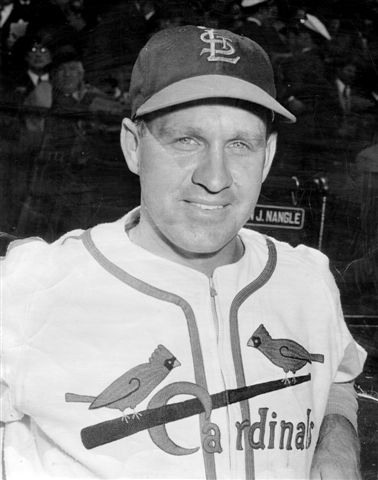
Beyond his heroics in the 1946 World Series, Slaughter was a model of consistency throughout his career. He posted a career batting average of .300 with 2,383 hits, 169 home runs, and 1,304 RBIs. His ability to hit for both average and power, combined with his exceptional defensive skills and aggressive base running, made him a formidable opponent. Slaughter was a ten-time All-Star, further illustrating his status as one of the top players of his era.
One of the unique aspects of Slaughter’s game was his all-out hustle. He was known for running out every ground ball and playing with an intensity that set him apart. This approach earned him respect among teammates and opponents alike. His leadership qualities were evident throughout his career, particularly during his time with the Cardinals, where he served as a mentor to younger players. His work ethic and dedication to the game influenced generations of players who came after him.
Slaughter’s time with the Cardinals came to an end in 1953 when he was traded to the New York Yankees. Though he was in the later stages of his career, he still contributed as a valuable veteran presence. With the Yankees, he added two more World Series championships in 1956 and 1958. His experience and leadership played a critical role in helping younger players navigate the pressures of postseason baseball.
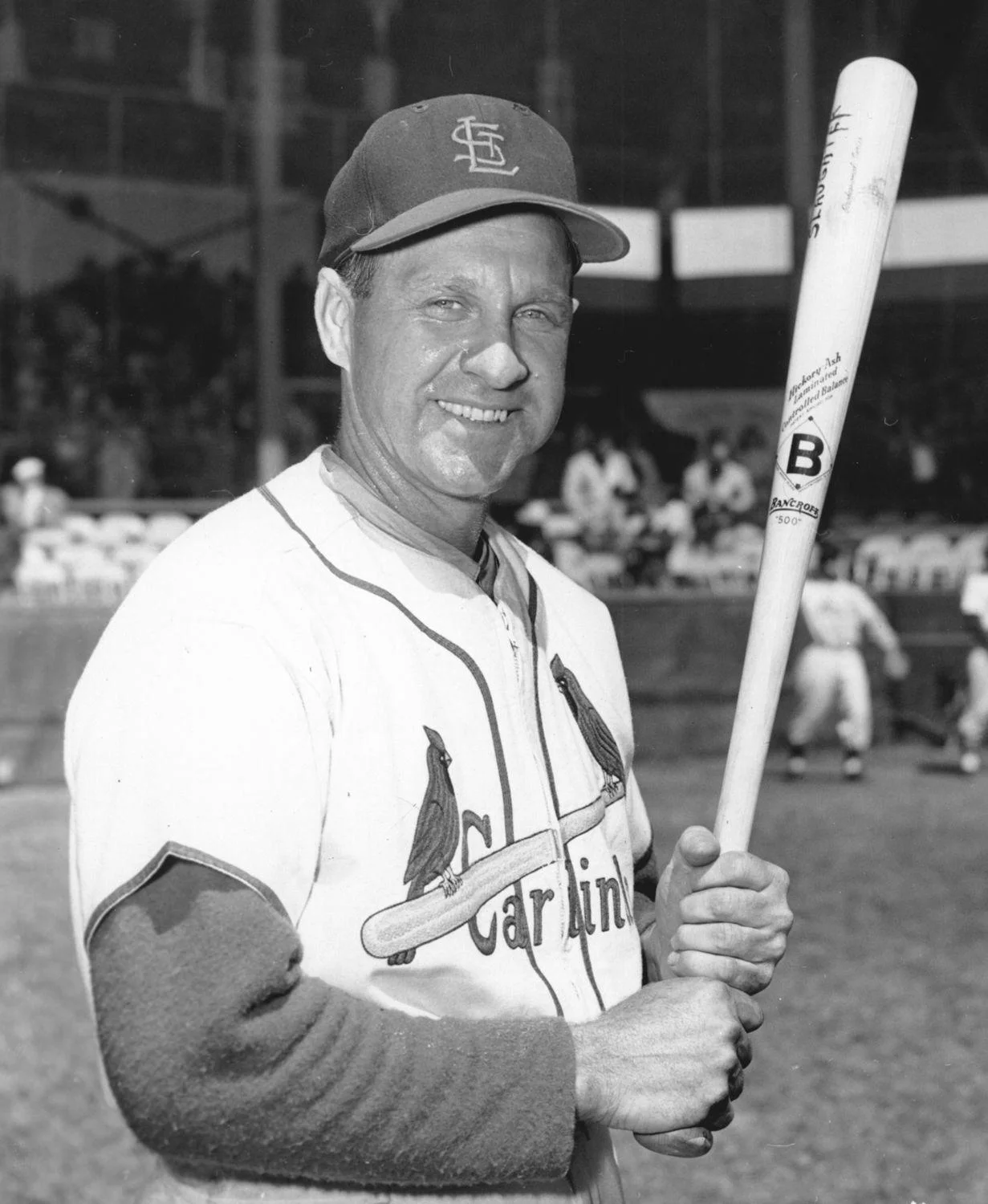
Even as his physical skills declined, Slaughter’s passion for the game never wavered. He continued playing until 1959, finishing his career with short stints with the Kansas City Athletics and Milwaukee Braves. After retiring as a player, he remained involved in baseball, working as a coach and mentor to aspiring young players. His impact on the game extended beyond his playing days, as he helped shape the next generation of ballplayers.
Slaughter’s contributions to baseball were recognized when he was inducted into the Baseball Hall of Fame in 1985. His legacy as a player who gave everything he had on the field, who played with heart and determination, remains an enduring part of the sport’s history. The “Mad Dash” is still celebrated as one of the most iconic plays in baseball history, and his reputation as a player who led by example continues to inspire those who study the game.
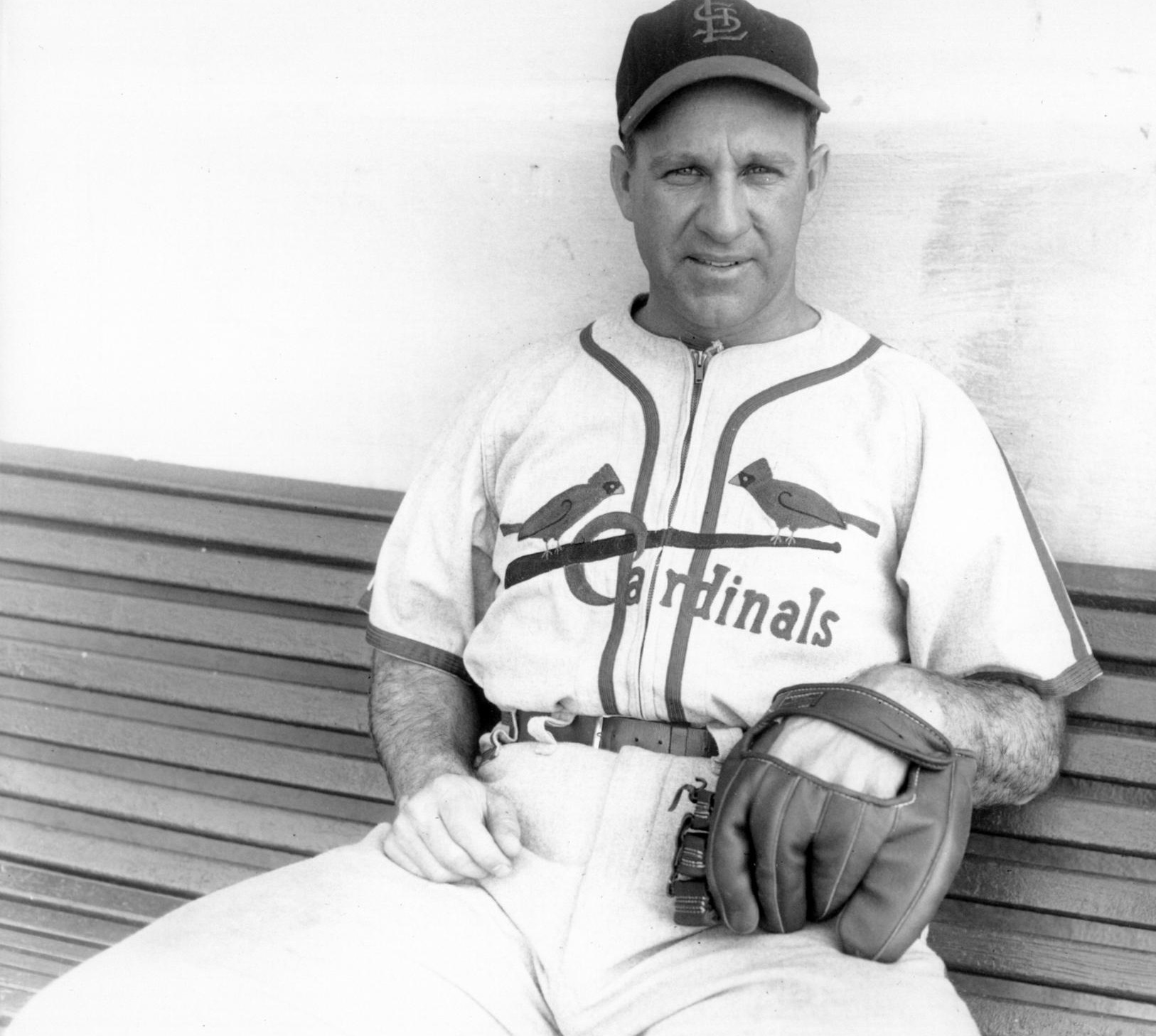
Enos Slaughter’s story is one of perseverance, dedication, and excellence. From his humble beginnings in North Carolina to his rise as a World Series hero and Hall of Famer, he embodied the spirit of baseball. His career statistics, including a .300 lifetime batting average, over 2,300 hits, and 1,300 RBIs, underscore his greatness. Yet, his impact on baseball transcended numbers. He was a player who understood the value of hard work and teamwork, a competitor who played with an unmatched intensity, and a champion who left an indelible mark on the game. His legacy continues to be celebrated, and his story serves as a reminder of what it means to play the game with passion and purpose.



 The Baseball Scholar
Leave a comment