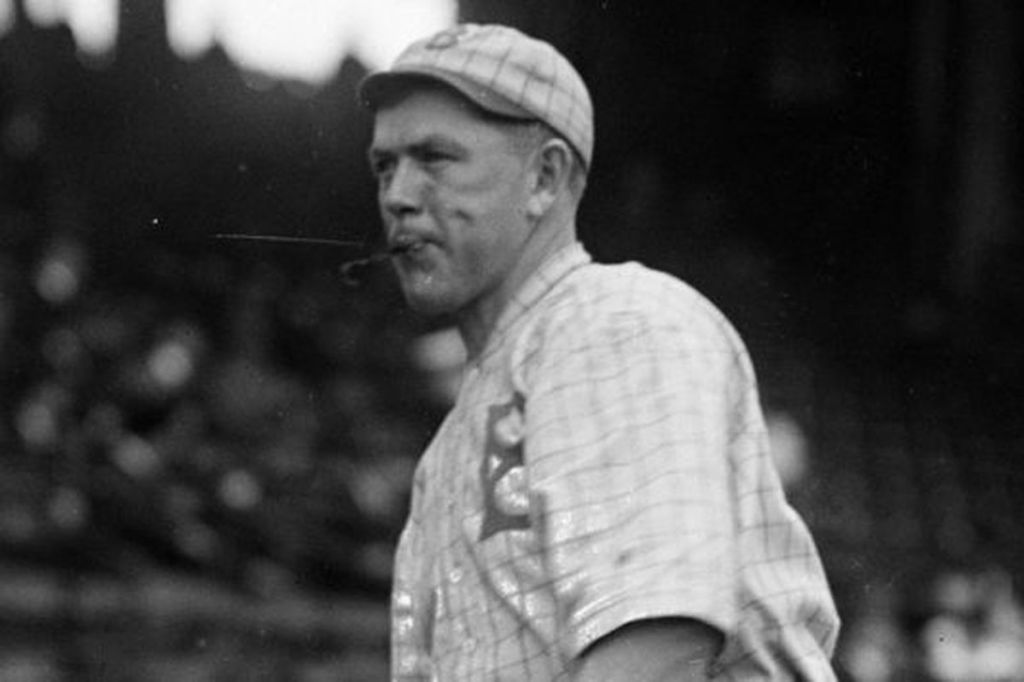
Nap Rucker was one of the most formidable left-handed pitchers of the early 20th century, carving out an impressive career during the dead-ball era as a member of the Brooklyn Superbas, later known as the Dodgers. Though he may not be as widely remembered today as some of his contemporaries, Rucker was a dominant pitcher in his prime, boasting impressive statistics, notable achievements, and a lasting impact on the game of baseball. His story is one of perseverance, skill, and an ability to shine even when playing for a struggling team.
Born Napolean Bonaparte Rucker on September 30, 1884, in Crabapple, Georgia, he grew up in a rural setting where baseball was not yet the national pastime it would soon become. Like many young boys in the South, Rucker was introduced to the sport at an early age, playing on local teams and developing a strong throwing arm. His early exposure to the game and his natural athleticism made him stand out among his peers, and it wasn’t long before he was recognized as a pitcher with a great deal of potential.
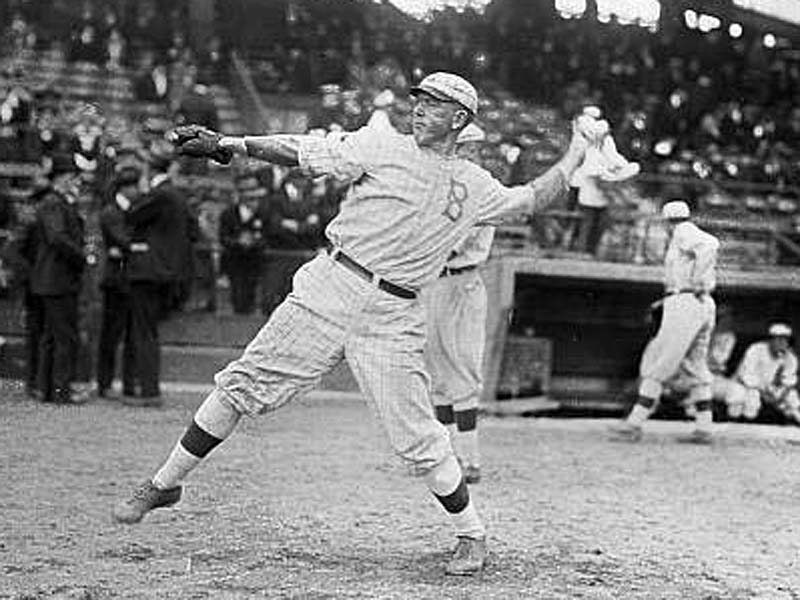
Rucker’s journey to professional baseball began when he started playing in the minor leagues. His first notable stint was with the Augusta Tourists in the South Atlantic League, where he quickly earned a reputation as a hard-throwing left-hander with exceptional control. His performances in the minor leagues caught the attention of major league scouts, and in 1907, the Brooklyn Superbas signed him to their roster.
His major league debut came on April 15, 1907, and it didn’t take long for Rucker to establish himself as one of the best young pitchers in the game. In his rookie season, he pitched 270 innings, a remarkable feat that showcased his durability. He finished the season with a respectable 15-13 record, posting an earned run average (ERA) of 2.06, an indicator of just how dominant he was on the mound despite playing for a struggling Brooklyn team.
One of Rucker’s most defining characteristics as a pitcher was his ability to generate strikeouts. During the dead-ball era, strikeouts were much less common than they would become in later decades, as hitters focused more on making contact and putting the ball in play. However, Rucker was one of the rare pitchers who could consistently fan opposing batters. His fastball, which was one of the hardest-thrown pitches of his time, coupled with an exceptional curveball, made him a nightmare for hitters.
His finest season arguably came in 1910, when he led the National League in complete games with 27 and innings pitched with 320.1. That season, he went 17-18 with a 2.62 ERA, but his performance was far better than his win-loss record indicated. Brooklyn was a below-average team for much of Rucker’s career, meaning that he often received little run support. Nevertheless, his ability to maintain a low ERA and keep games close was a testament to his pitching prowess.
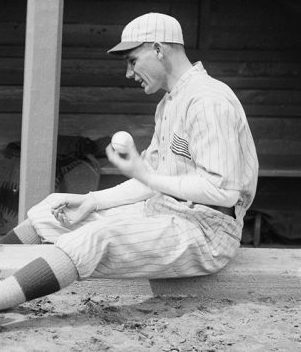
One of the most remarkable feats of his career occurred on September 5, 1908, when Rucker pitched a no-hitter against the Boston Doves. It was the first no-hitter in Brooklyn franchise history, and it solidified Rucker’s status as one of the best pitchers in the league. His performance in that game was masterful, as he struck out 14 batters, an incredibly high total for the era.
Throughout his career, Rucker was a workhorse. He regularly pitched over 250 innings per season and was known for his stamina on the mound. In an era when relief pitching was not as prevalent as it is today, starting pitchers were expected to finish what they started, and Rucker was one of the best at going the distance.
Despite his individual success, Brooklyn remained a mediocre team for much of his tenure. The Superbas struggled to contend with the powerhouse teams of the National League, and as a result, Rucker never had the opportunity to play in a World Series. However, he was still widely respected by his peers and recognized as one of the best pitchers in the league, even if his win totals did not always reflect his dominance.
One of the most unique aspects of Rucker’s career was his ability to contribute offensively as well. While pitchers were generally weak hitters, Rucker was competent at the plate compared to most of his mound counterparts. He finished his career with a .201 batting average, which, while not exceptional, was respectable for a pitcher during his era. His ability to handle the bat occasionally gave Brooklyn an edge in tight games.
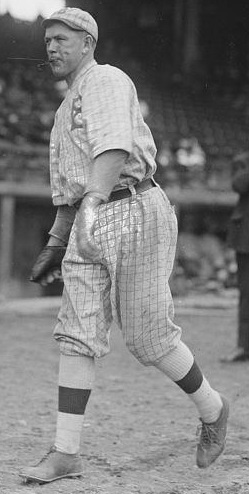
As Rucker’s career progressed into the 1910s, the heavy workload he endured began to take its toll. His innings totals remained high, but by 1914, he started to experience arm trouble. At that time, there was little medical knowledge about pitching injuries, and players were often expected to pitch through pain. His velocity and effectiveness gradually declined, and by 1916, he had played his final season in the majors.
In total, Nap Rucker’s career spanned ten seasons, all with the Brooklyn franchise. He compiled a career record of 134-134, with a 2.42 ERA and 1,217 strikeouts in 2,375.1 innings pitched. He threw 38 shutouts and completed 178 of his 272 career starts, a testament to his ability to pitch deep into games. While his win-loss record may not stand out at first glance, it must be viewed in the context of the weak teams he played for. When adjusted for run support and defensive contributions, Rucker’s statistical achievements rank among the best pitchers of his era.
Beyond his playing career, Rucker remained involved in baseball. He was deeply respected within the Brooklyn organization and stayed connected to the game as a mentor to younger players. He later returned to his home state of Georgia, where he became involved in civic affairs, serving as the mayor of Roswell, Georgia, in the 1930s. His post-baseball life reflected his character and leadership, qualities that had made him a respected figure on the field.
Rucker’s impact on baseball goes beyond the numbers. He was one of the few left-handed power pitchers of his time, demonstrating that southpaws could dominate in an era largely dominated by right-handed pitching. He also helped set a standard for future Brooklyn pitchers, paving the way for the franchise’s later success when it became the Dodgers.

Although he never played in a World Series or reached the Hall of Fame, Rucker remains a significant figure in early baseball history. His no-hitter, his ability to strike out batters at an impressive rate for his time, and his durability make him one of the more underrated pitchers of his generation.
The legacy of Nap Rucker is a reminder that baseball greatness is not always measured solely by championships or individual awards. His career serves as a testament to resilience, skill, and dedication to the game. In a time when the sport was still evolving, he stood out as a left-handed ace, capable of overpowering hitters while also maintaining remarkable control. His contributions to the Brooklyn franchise, his influence on future pitchers, and his post-career involvement in public service make him a truly unique figure in baseball history.


 The Baseball Scholar
Leave a comment