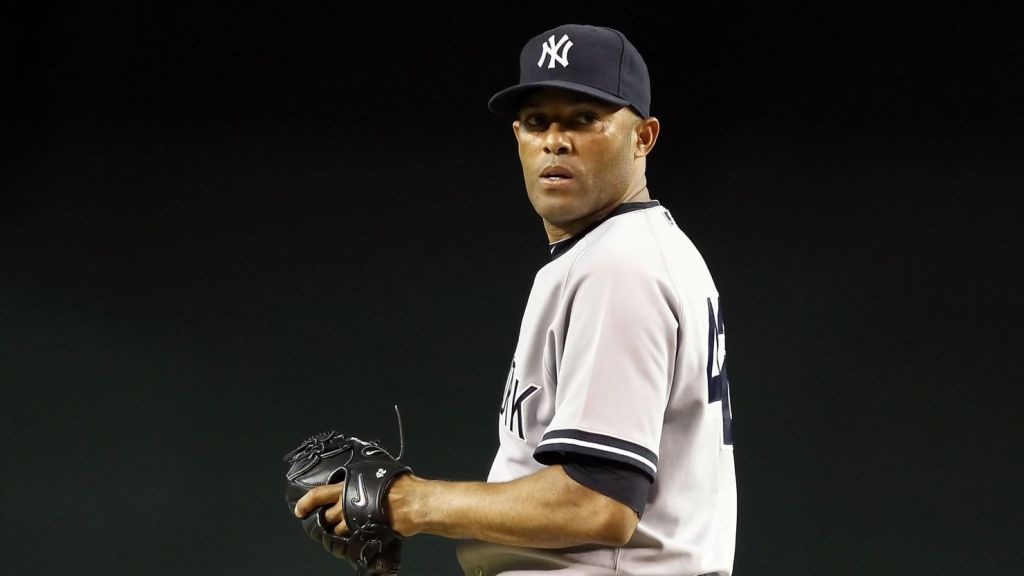
Mariano Rivera is widely regarded as the greatest relief pitcher in Major League Baseball (MLB) history. His career, spanning 19 seasons with the New York Yankees, was defined by unparalleled dominance, remarkable consistency, and a legacy that transcended the game. Rivera’s journey from a humble beginning in Panama to becoming baseball’s all-time saves leader is a testament to perseverance, skill, and an unwavering commitment to excellence. Beyond his statistical achievements, Rivera’s impact on baseball is immeasurable, influencing generations of pitchers and reshaping the role of the modern closer. His signature cut fastball became one of the most devastating pitches in MLB history, and his postseason heroics solidified his place as one of the most clutch performers the game has ever seen.
Born on November 29, 1969, in Panama City, Panama, Mariano Rivera grew up in the small fishing village of Puerto Caimito. Life was not easy in this impoverished town, and Rivera spent much of his youth helping his father, a fisherman, while playing baseball with makeshift equipment. Unlike many future MLB stars, Rivera was not identified as a prodigious talent early in his life. He did not even consider a career in baseball until his teenage years, playing mostly as a shortstop and outfielder. It was only when he began pitching for a local team in his late teens that he started to attract attention.
In 1990, Rivera was signed as an amateur free agent by the New York Yankees for a mere $3,000. He was an unheralded prospect with a lean frame, and his velocity was not exceptional at the time. However, his natural athleticism, work ethic, and ability to adapt quickly became evident in the Yankees’ minor league system. Rivera initially struggled, undergoing Tommy John surgery in 1992, which threatened to derail his career before it truly began. However, his recovery was swift, and he soon found himself rising through the Yankees’ farm system.
Rivera made his MLB debut on May 23, 1995, as a starting pitcher, but early struggles indicated that he might not have a future in the rotation. It wasn’t until he transitioned to the bullpen that he began to flourish. His breakout moment came in the 1995 postseason, where he pitched multiple dominant innings in relief, showcasing an electric fastball that overwhelmed hitters. This performance set the stage for what would become one of the greatest careers in baseball history.
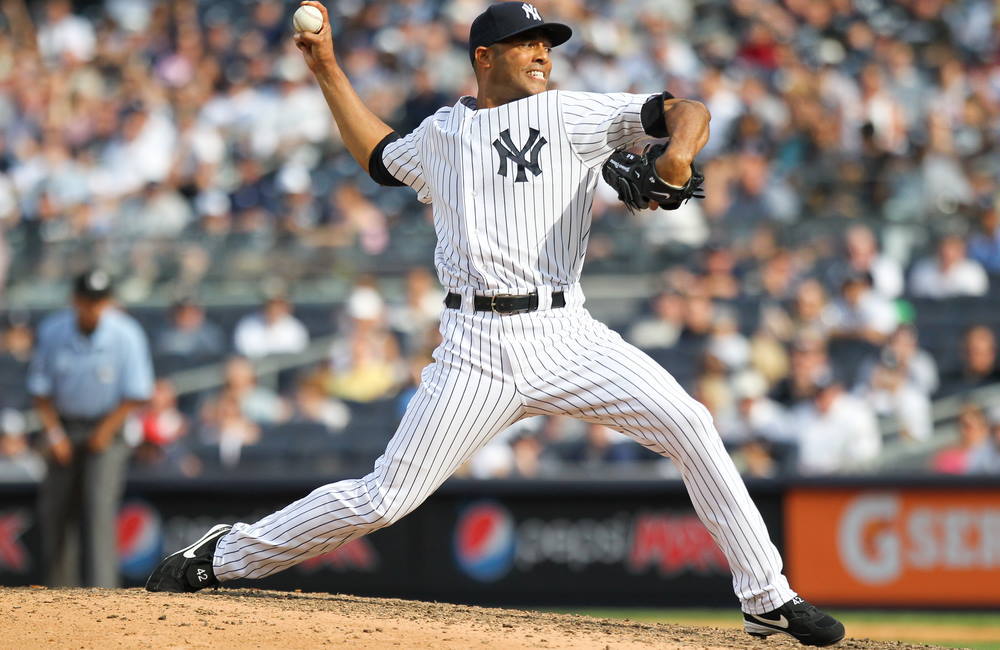
The defining moment of Rivera’s career came in 1997 when he became the Yankees’ full-time closer, succeeding John Wetteland. Around this time, Rivera accidentally discovered his famous cut fastball while playing catch. This pitch, which moved sharply away from left-handed hitters and shattered countless bats, became his ultimate weapon. It allowed him to neutralize even the most dangerous hitters and maintain an elite level of performance for nearly two decades.
From 1997 onward, Rivera established himself as the most dominant closer in baseball. His ability to remain calm under pressure, combined with his pinpoint control, made him nearly unbeatable. He led the Yankees to multiple postseason appearances, helping them win five World Series championships (1996, 1998, 1999, 2000, and 2009). His postseason record is legendary—he compiled a microscopic 0.70 ERA over 141 innings, the best in MLB history for pitchers with at least 30 postseason innings. His ability to dominate in October earned him the nickname “The Sandman,” as he routinely put opponents to sleep in the late innings.
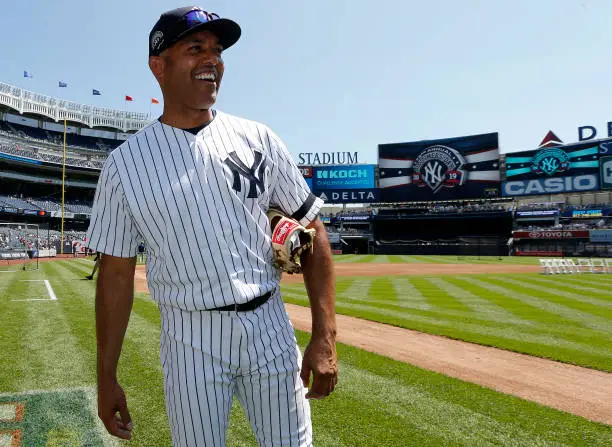
One of Rivera’s most famous moments came in the 1999 World Series when he was named the World Series MVP. He pitched 4.2 scoreless innings and recorded two saves against the Atlanta Braves, helping the Yankees secure their second consecutive championship. His postseason dominance continued in 2003, when he pitched three shutout innings in Game 7 of the American League Championship Series (ALCS) against the Boston Red Sox, setting the stage for Aaron Boone’s famous walk-off home run. Rivera’s ability to pitch multiple innings in high-pressure situations set him apart from other closers and solidified his reputation as the ultimate postseason weapon.
Despite his many triumphs, Rivera also experienced heartbreak. In the 2001 World Series, he was on the mound in Game 7 against the Arizona Diamondbacks when Luis Gonzalez hit a bloop single to win the championship for Arizona. It was a rare moment of vulnerability for Rivera, yet he handled the defeat with grace and humility, further cementing his reputation as a true professional.
Statistically, Rivera’s career is unparalleled. He retired with 652 saves, the most in MLB history, and a career ERA of 2.21, one of the lowest for any pitcher with over 1,000 innings. His WHIP (walks plus hits per inning pitched) of 1.00 is among the best ever recorded. Rivera’s ability to maintain dominance well into his 40s was remarkable, as he continued to be one of the league’s top relievers until his retirement in 2013. He was a 13-time All-Star, a five-time Rolaids Relief Man Award winner, and won the AL Comeback Player of the Year award in 2013 after returning from a torn ACL the previous season.
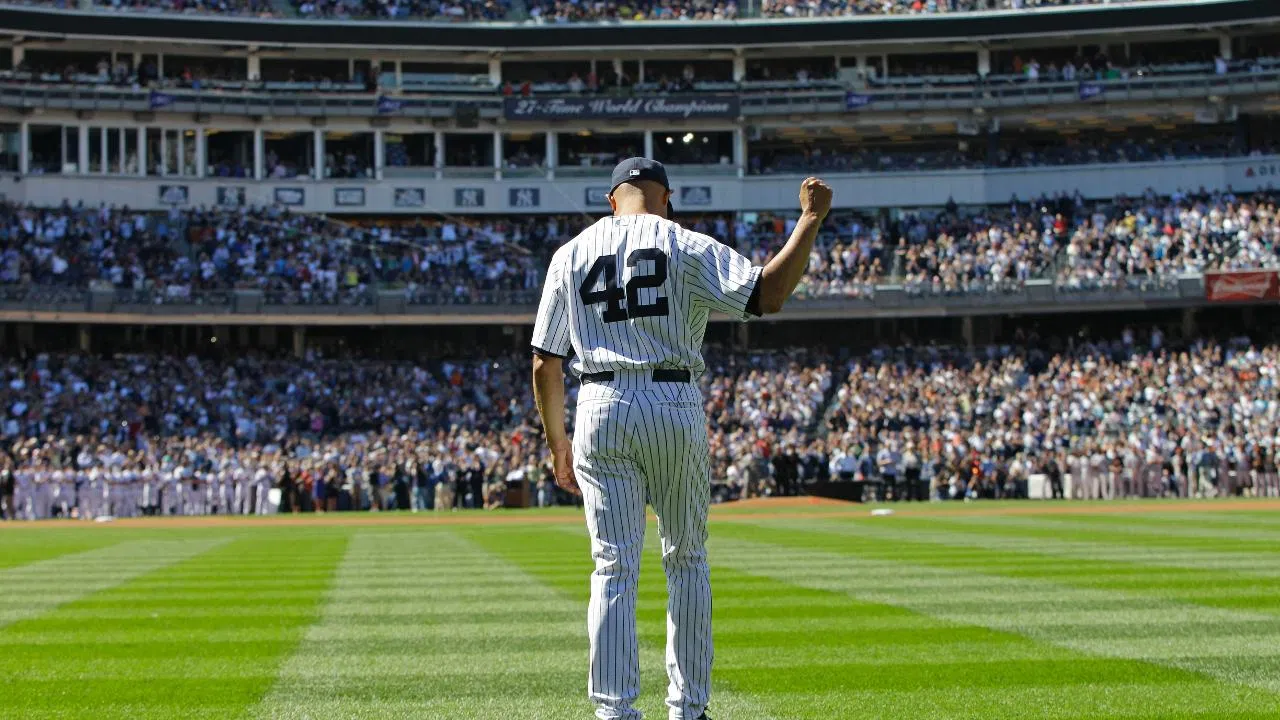
Beyond the numbers, Rivera’s impact on the game is profound. He redefined the role of the modern closer, proving that a single pitch, when executed perfectly, could dominate an entire generation of hitters. He also set the standard for professionalism and sportsmanship, earning universal respect from teammates, opponents, and fans alike.
Rivera’s influence extended beyond the field. A devout Christian, he dedicated much of his post-baseball life to philanthropy, establishing the Mariano Rivera Foundation, which provides educational and financial support to underprivileged children. His legacy is one of excellence, humility, and unwavering dedication to his craft.
In 2019, Rivera was unanimously elected to the Baseball Hall of Fame, becoming the first player in history to receive 100% of the votes from the Baseball Writers’ Association of America. This honor was a fitting tribute to a career that set the gold standard for relief pitching.
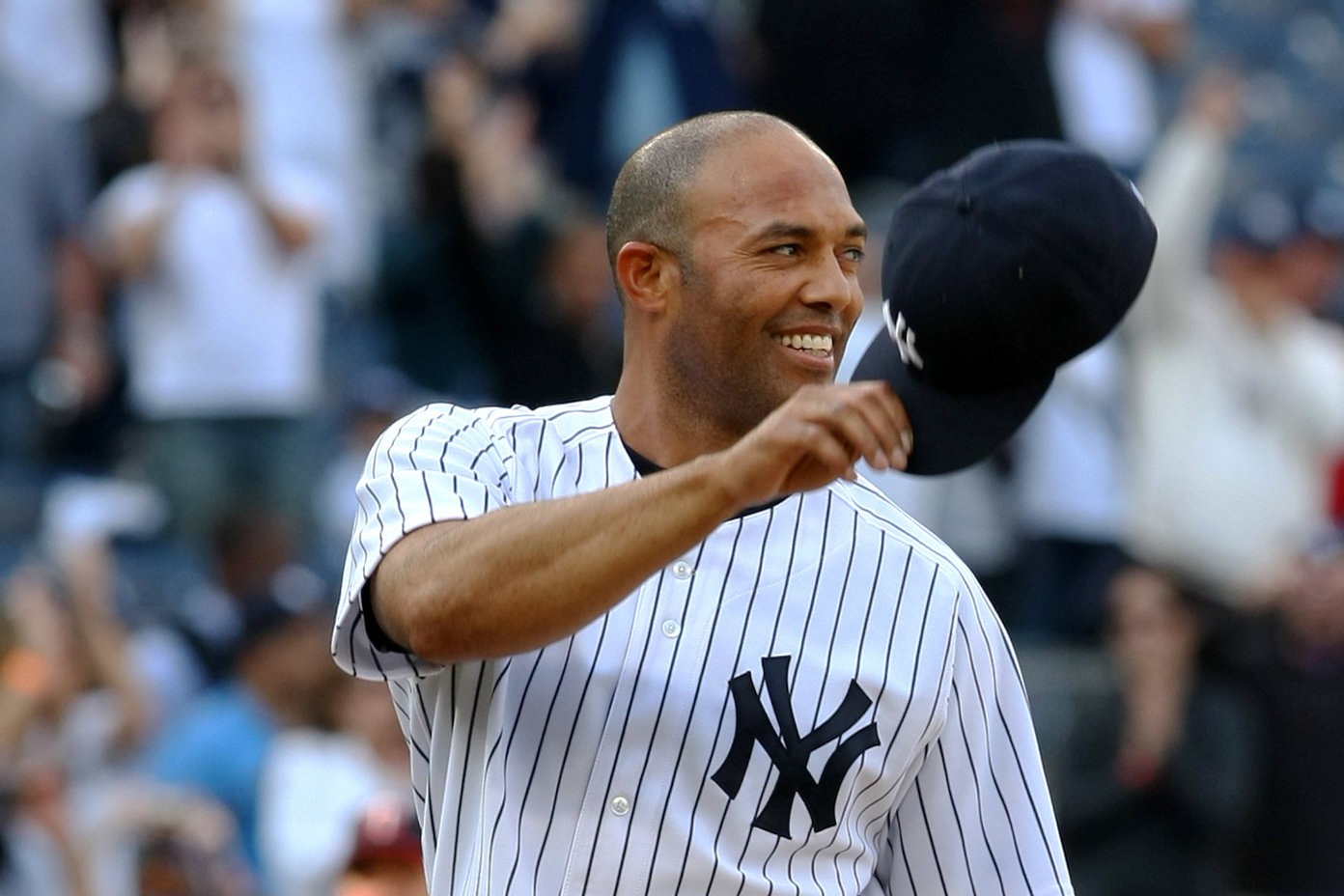
Mariano Rivera’s career is a testament to hard work, resilience, and an unrelenting pursuit of greatness. From his humble beginnings in Panama to becoming the greatest closer in baseball history, Rivera’s journey is one of the most inspiring stories in sports. His dominance on the mound, particularly in the postseason, cements his legacy as one of the most clutch performers in baseball history. More than just a great player, Rivera is a symbol of excellence, grace under pressure, and what it means to be a true professional. His impact on the game will be felt for generations to come, and his story will continue to inspire baseball fans around the world.



 The Baseball Scholar
Leave a comment