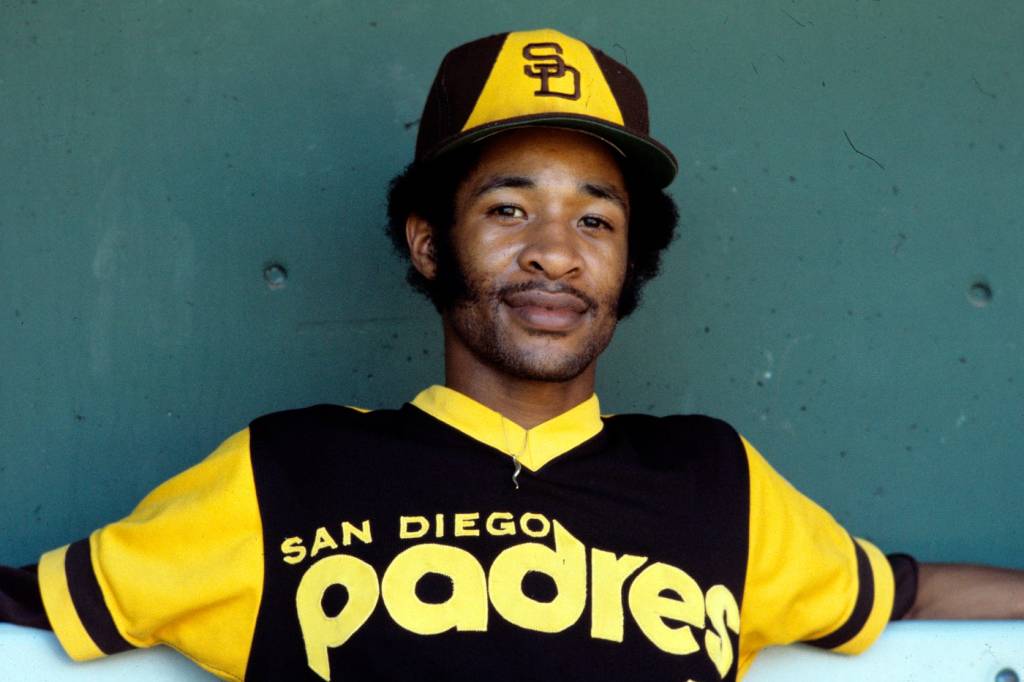
Ozzie Smith is widely regarded as one of the greatest defensive players in the history of Major League Baseball. Known as “The Wizard,” he dazzled fans with his acrobatic fielding, incredible range, and unmatched ability to make highlight-reel plays at shortstop. Over his 19-year career, Smith redefined the shortstop position, proving that defensive excellence could be just as valuable as offensive production. Beyond his incredible defensive prowess, Smith was also a key contributor to some of the best teams of the 1980s, helping to lead the St. Louis Cardinals to multiple postseason appearances, including a World Series championship. His impact on the game extended beyond his statistics, as his leadership, work ethic, and charismatic personality made him one of the most beloved figures in baseball history.
Born Osborne Earl Smith on December 26, 1954, in Mobile, Alabama, Ozzie was raised in Los Angeles, California, where he developed his love for baseball at an early age. He grew up in a large family and learned the game by playing with his older brothers. Despite not being the biggest or strongest player, Smith relied on his speed, agility, and intelligence to outplay his competition. He attended Locke High School in Los Angeles, where he quickly established himself as one of the most talented young shortstops in the area. His defensive skills were evident even then, as he possessed a natural ability to read the ball off the bat and make plays that other shortstops simply could not.
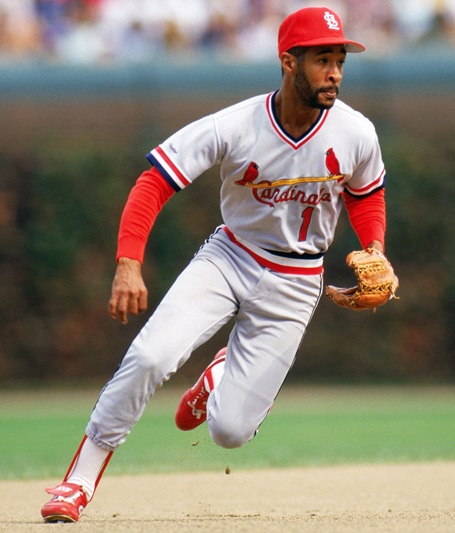
Smith went on to play college baseball at California Polytechnic State University (Cal Poly San Luis Obispo), where he continued to refine his defensive skills. Despite his small stature, standing at just 5 feet 11 inches and weighing around 150 pounds at the time, he had an undeniable presence on the field. His quick hands, incredible reflexes, and ability to cover ground made him a standout player. While his offensive skills were still developing, his defensive abilities were so exceptional that scouts took notice. In the 1977 MLB Draft, Smith was selected in the fourth round by the San Diego Padres, beginning a journey that would lead him to the Baseball Hall of Fame.
Smith made his Major League debut with the Padres in 1978, and it didn’t take long for him to make an impact. In his rookie season, he played in 159 games and immediately established himself as one of the best defensive shortstops in baseball. His fielding percentage was among the highest in the league, and he routinely made plays that left both teammates and opponents in awe. While he struggled offensively, batting just .258 with one home run and 46 RBIs, his defense more than made up for any shortcomings at the plate. Fans were drawn to his flashy style, which included his signature backflips when taking the field—a tradition that would become his trademark throughout his career.
Over the next three seasons, Smith continued to impress with his glove, winning his first Gold Glove Award in 1980. However, the Padres were struggling as a franchise, and Smith found himself at odds with the organization over contract disputes. By 1981, it became clear that his time in San Diego was coming to an end. In one of the most significant trades in baseball history, the Padres sent Smith to the St. Louis Cardinals in exchange for fellow shortstop Garry Templeton. It was a move that would change the course of Smith’s career and the fortunes of the Cardinals.
Arriving in St. Louis in 1982, Smith immediately became a fan favorite. His defensive brilliance transformed the Cardinals’ infield, and he played a pivotal role in leading the team to success. That season, the Cardinals won the National League pennant and advanced to the World Series against the Milwaukee Brewers. In a thrilling seven-game series, Smith’s defensive heroics and leadership helped the Cardinals secure their first championship since 1967. Though he hit just .222 in the series, his contributions in the field were invaluable, solidifying his reputation as a game-changer.
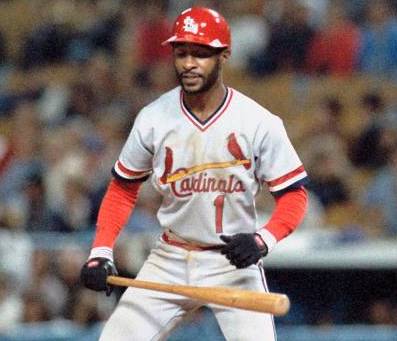
Throughout the 1980s, Smith continued to set the standard for defensive excellence at shortstop. He won an incredible 13 consecutive Gold Glove Awards from 1980 to 1992, a record for shortstops at the time. His ability to make seemingly impossible plays was unmatched, and he became a human highlight reel, regularly making diving stops, barehanded plays, and acrobatic throws from deep in the hole. His range and footwork were second to none, and his presence at shortstop made the Cardinals’ pitching staff significantly better.
Smith’s offensive game also began to improve during his time in St. Louis. Though never known for his power—he hit just 28 home runs in his entire career—he became an excellent contact hitter and one of the best bunters in the game. His speed allowed him to steal bases effectively, and he was a key catalyst for the Cardinals’ “Whiteyball” style of play under manager Whitey Herzog. This style emphasized speed, defense, and situational hitting, and Smith was the perfect player for it. In 1987, he had his best offensive season, batting .303 with 75 RBIs and 43 stolen bases. That year, he finished second in the National League MVP voting, demonstrating that his impact extended beyond defense.
One of the most iconic moments of Smith’s career came in the 1985 National League Championship Series (NLCS) against the Los Angeles Dodgers. In Game 5, with the series tied at two games apiece, Smith came to bat in the bottom of the ninth inning against Dodgers reliever Tom Niedenfuer. Known primarily for his defense, Smith had never hit a home run in his career from the left side of the plate. But in this moment, he delivered one of the most famous home runs in Cardinals history, launching a game-winning shot into the right-field seats. The legendary call by broadcaster Jack Buck—”Go crazy, folks! Go crazy!”—cemented the moment in baseball history. The Cardinals went on to win the series and advance to the World Series, though they ultimately fell to the Kansas City Royals.
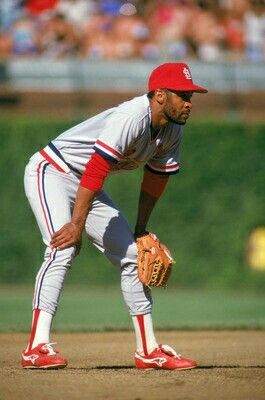
Smith remained a staple of the Cardinals’ success throughout the late 1980s and early 1990s, continuing to play at an elite level defensively while providing valuable leadership. He was named to 15 All-Star teams during his career, further solidifying his place among the game’s greatest players. As he aged, injuries began to take their toll, but he remained effective until his final season in 1996. That year, he announced his retirement, ending his career as one of the most respected and beloved players in baseball history.
Over the course of his career, Smith compiled a .262 batting average with 2,460 hits, 580 stolen bases, and 1,257 runs scored. While his offensive numbers were solid, it was his defense that made him a Hall of Fame player. His 13 Gold Glove Awards remain one of the most impressive achievements in baseball history, and his career defensive WAR (Wins Above Replacement) ranks among the highest of all time.
In 2002, Smith was inducted into the Baseball Hall of Fame in his first year of eligibility, receiving 91.7% of the vote. His induction was a testament to the impact he had on the game, not just as a player but as an ambassador for baseball. Following his playing career, Smith remained involved in the sport, working as a coach, broadcaster, and community leader.

Ozzie Smith’s legacy is one of brilliance, determination, and joy. He changed the way shortstop was played, inspiring future generations of players with his dazzling defense and unmatched athleticism. His influence on the Cardinals, Major League Baseball, and the fans who watched him play is immeasurable. Even decades after his retirement, he remains one of the most iconic figures in baseball history, forever remembered as “The Wizard” who turned defense into an art form.


 The Baseball Scholar
Leave a comment