
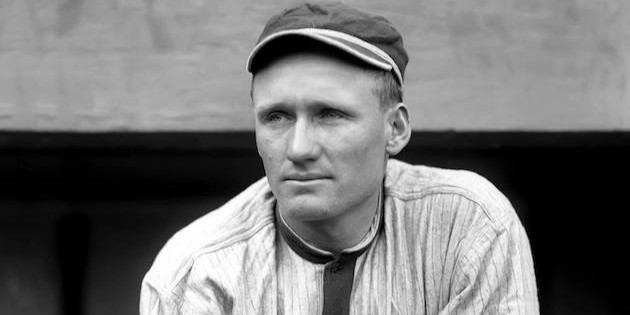
Addie Joss was one of the most dominant and efficient pitchers in the early years of Major League Baseball, leaving an indelible mark on the game despite his tragically short career. Playing exclusively for the Cleveland Bronchos, later known as the Cleveland Naps, from 1902 to 1910, Joss was renowned for his pinpoint control, innovative pitching mechanics, and remarkable efficiency. With a career ERA of 1.89, one of the lowest in baseball history, and a legacy that includes one of the earliest perfect games in the sport, Joss remains a revered figure in baseball history. His impact extended beyond statistics, influencing the way pitchers approached the game and leaving a lasting impression on the Cleveland franchise. Though his career was cut short by his untimely death at the age of 31, his contributions to baseball ensured that his name would be remembered among the greats.
Addie Joss was born Adrian Joss on April 12, 1880, in Woodland, Wisconsin. He grew up in a rural setting, where he developed a love for baseball at an early age. As a child, he displayed an exceptional ability to throw a baseball with great accuracy, a skill that would later define his professional career. Joss attended St. Mary’s College in Kansas before transferring to the University of Wisconsin, where he played baseball and began to refine his pitching technique. While in college, Joss honed his signature delivery, a deceptive wind-up that allowed him to hide the ball from batters until the last possible moment. This delivery, combined with his natural ability to control the strike zone, made him a standout pitcher at the amateur level.
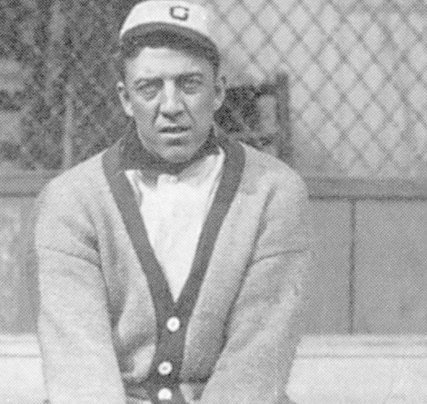
Joss’s talent did not go unnoticed, and he was soon discovered by professional scouts. In 1900, he began his professional baseball career in the minor leagues, playing for the Toledo Mud Hens of the Western Association. His performances in Toledo were nothing short of dominant, as he showcased his ability to pitch complete games with remarkable efficiency. His fastball was not overpowering, but his ability to mix speeds and locations made him an incredibly difficult pitcher to hit. His success in the minor leagues led to his contract being purchased by the Cleveland Bronchos (later the Cleveland Naps and ultimately the Cleveland Guardians), where he made his Major League debut in 1902.
Joss’s rookie season in 1902 immediately established him as a pitcher to watch. He posted an impressive 17-13 record with a 2.77 ERA, numbers that highlighted his ability to dominate hitters despite being a young pitcher in a highly competitive league. His deceptive pitching motion, combined with his impeccable control, made him one of the toughest pitchers to face. He quickly gained a reputation for his ability to throw strikes, limit walks, and pitch deep into games with remarkable efficiency.
Over the next several seasons, Joss continued to establish himself as one of the premier pitchers in baseball. In 1904, he posted a 14-10 record with a stellar 1.59 ERA, a performance that cemented his status as an elite pitcher. His ability to keep hitters off balance and his efficient approach to pitching led to several low-hit games, including multiple one-hitters. During this period, he developed a signature pitch known as the “fadeaway,” a type of screwball that baffled opposing batters. His mastery of this pitch made him nearly unhittable at times, as hitters struggled to make solid contact against his deceptive movement.
One of the defining moments of Joss’s career came on October 2, 1908, when he threw one of the most famous perfect games in baseball history. Facing the Chicago White Sox in a crucial late-season matchup, Joss delivered a masterpiece, retiring all 27 batters he faced while striking out three. The game was a true pitchers’ duel, as Joss went head-to-head with Hall of Famer Ed Walsh, who also pitched an incredible game but ultimately lost 1-0. Joss’s perfect game was only the fourth in Major League history at the time and remains one of the most celebrated performances in the sport’s early years. His efficiency in that game was particularly remarkable, as he completed the perfect game in just 74 pitches, a feat that remains one of the most economical pitching performances ever recorded.
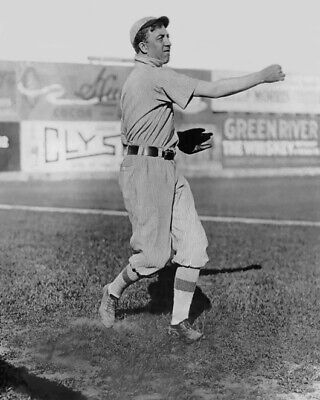
Joss continued to be one of the most dominant pitchers in baseball through the 1909 and 1910 seasons. In 1909, he posted a 14-6 record with a 1.71 ERA, once again showcasing his ability to limit runs and control opposing hitters. His career ERA of 1.89 remains one of the lowest in Major League history, a testament to his remarkable efficiency and precision on the mound. However, despite his continued excellence, his health began to decline, and by the end of the 1910 season, it became clear that something was seriously wrong.
In the spring of 1911, Joss fell gravely ill during spring training. Initially believed to be suffering from a severe cold, his condition rapidly deteriorated. On April 14, 1911, just two days after his 31st birthday, Joss tragically passed away from tubercular meningitis, a sudden and devastating loss for the baseball world. His death sent shockwaves through the sport, as he was not only one of the best pitchers in the game but also one of its most respected and admired figures. His teammates and opponents alike mourned his passing, and in an unprecedented display of respect, players from across the league participated in a benefit game to raise money for his family. This game, held on July 24, 1911, was the first of its kind in Major League history, featuring stars from around the league coming together to honor Joss’s memory.
Joss’s career may have been short, but his impact on baseball was profound. His statistical achievements place him among the all-time greats, and his pitching style influenced future generations of pitchers. His career numbers remain remarkable, as he finished with a 160-97 record, a career 1.89 ERA, and 45 shutouts in just nine seasons. His ability to consistently limit walks and pitch deep into games set a standard for efficiency that few have matched. His control and deceptive delivery were ahead of their time, and his legacy as one of the greatest pitchers of the dead-ball era remains intact.
Despite his dominance, Joss was not elected to the Baseball Hall of Fame until 1978, nearly seven decades after his passing. The primary reason for the delay was his relatively short career, as Hall of Fame eligibility traditionally required a minimum of ten seasons played. However, Joss’s impact on the game was undeniable, and his induction was a well-deserved recognition of his greatness. He remains one of only a handful of players to be enshrined in the Hall of Fame despite playing fewer than ten seasons, a testament to the extraordinary quality of his career.
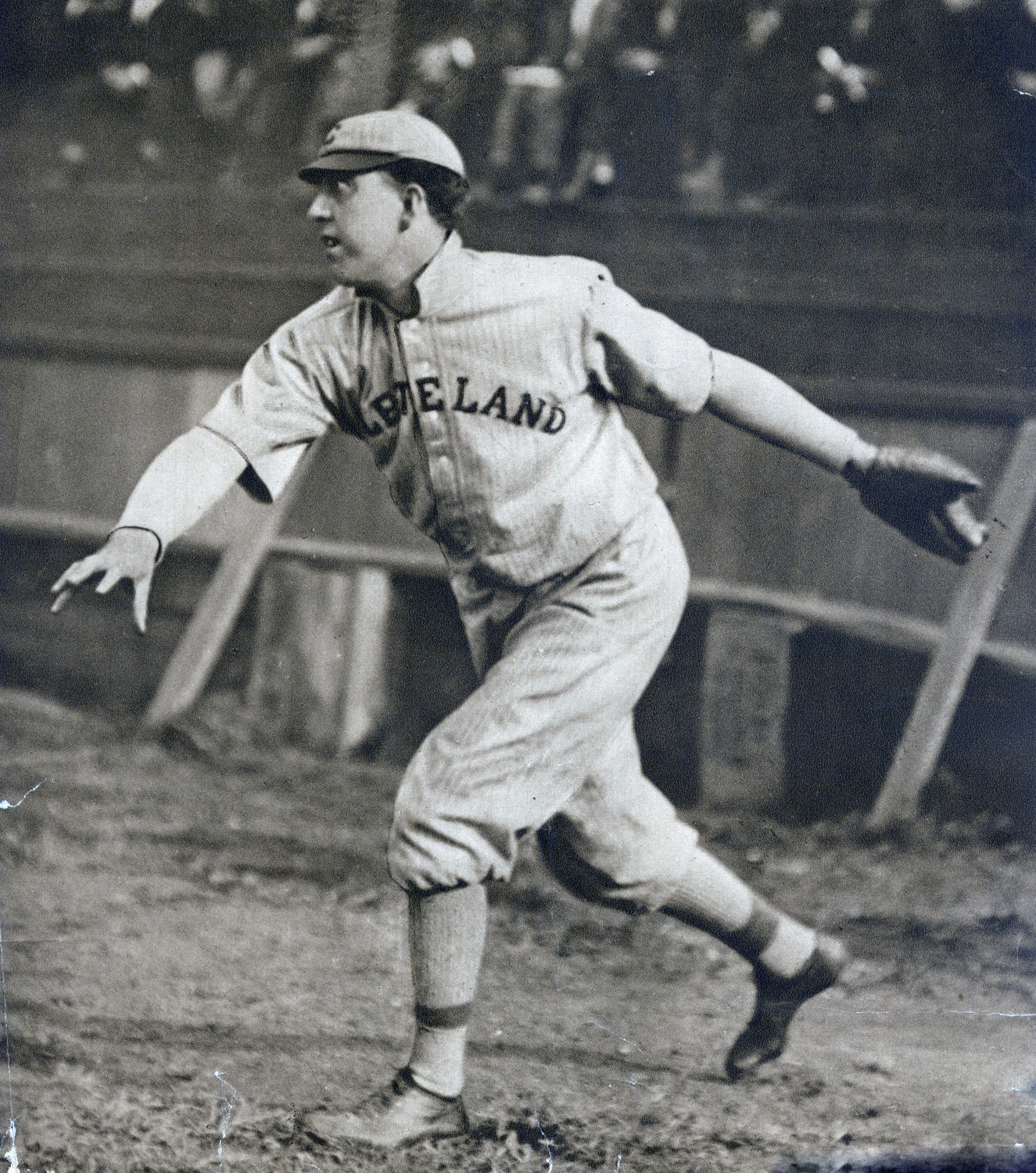
Beyond his statistics, Joss’s character and professionalism made him a beloved figure in baseball. He was known for his intelligence, sportsmanship, and leadership on and off the field. His ability to inspire those around him, both teammates and opponents alike, set him apart as more than just a great pitcher—he was a true ambassador of the sport. His untimely passing robbed baseball of one of its brightest stars, but his legacy has endured for over a century.
In the history of Major League Baseball, few pitchers have combined dominance, efficiency, and sportsmanship as effectively as Addie Joss. His career ERA of 1.89 remains one of the lowest in history, and his perfect game in 1908 stands as one of the greatest individual performances ever seen on a baseball field. Though his time in the majors was brief, his contributions to the game were immense. His induction into the Hall of Fame ensured that his name would be remembered among baseball’s legends, and his influence on the sport continues to be felt to this day. Addie Joss may have been taken from the game too soon, but his legacy as one of the greatest pitchers of all time remains firmly intact.



 The Baseball Scholar
Leave a comment