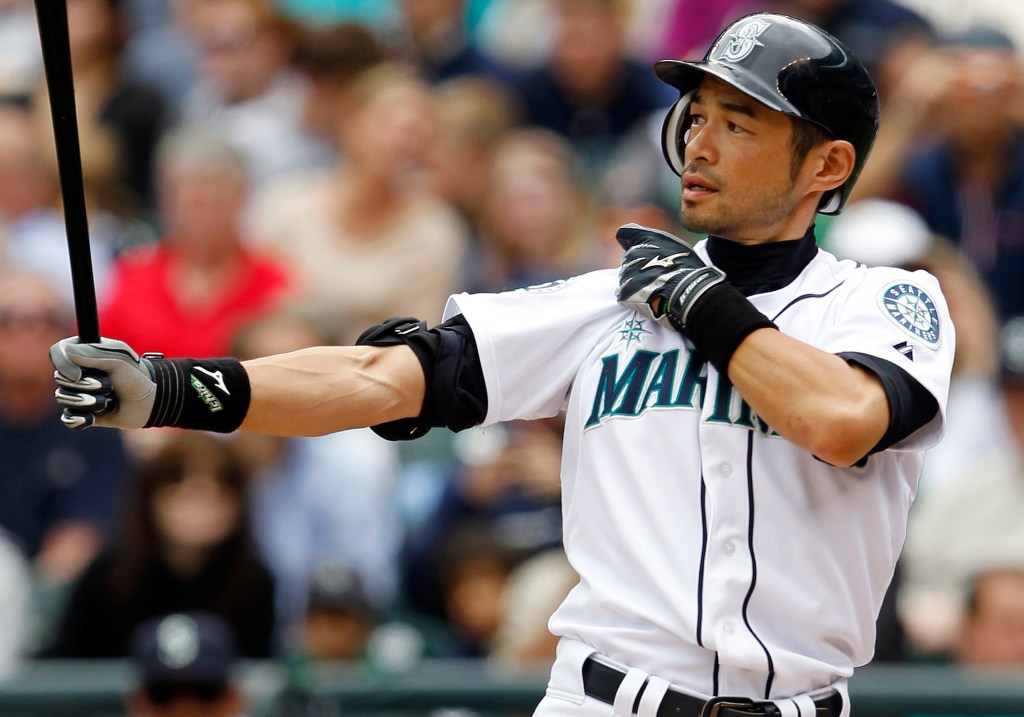
Ichiro Suzuki is widely regarded as one of the most prolific and unique players in the history of baseball. His career, which spanned both Japan and the United States, transcended the sport and left a lasting impact on Major League Baseball (MLB) as well as on the international stage. From his early life in Japan to his iconic years with the Seattle Mariners and beyond, Ichiro’s journey is a testament to his relentless work ethic, extraordinary talent, and the way he revolutionized the game. With his combination of speed, contact-hitting ability, and exceptional defense, Ichiro became one of the most beloved and respected figures in baseball history. His accomplishments in both Japan and the MLB not only solidified his legacy as one of the greatest hitters of all time but also bridged the gap between two cultures and brought the global game of baseball to new heights.
Ichiro Suzuki was born on October 22, 1973, in Kasugai, Aichi Prefecture, Japan, to a family with a deep connection to baseball. His father, Eiichi Suzuki, was a former amateur baseball player who worked as a teacher, and his mother was a former baseball player as well. Growing up in a household where baseball was an integral part of his life, Ichiro’s early exposure to the game set the stage for his eventual rise to greatness. He began playing baseball at a young age, and it didn’t take long for his extraordinary abilities to become apparent. Ichiro’s combination of speed, agility, and coordination made him an immediate standout, and his passion for the sport fueled his relentless pursuit of excellence.
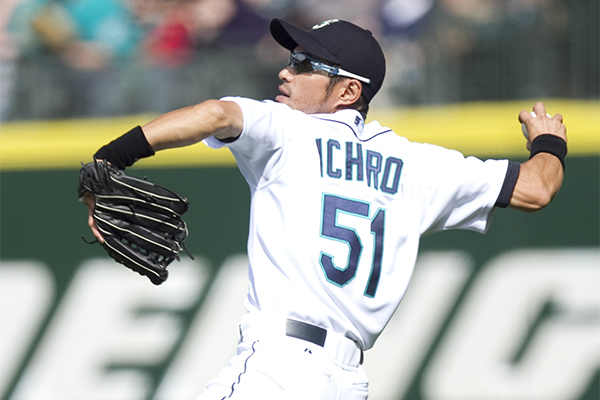
Ichiro attended the renowned Aichi Prefectural Asahi High School, where he began to make a name for himself on the baseball diamond. As a high school player, he displayed a remarkable ability to hit for contact and demonstrated elite defensive skills, all while exhibiting a work ethic that would become a hallmark of his career. Upon graduation, Ichiro decided to pursue a career in professional baseball, and he was drafted by the Orix BlueWave (formerly known as the Kintetsu Buffaloes) in the 1991 Nippon Professional Baseball (NPB) Draft.
Ichiro’s time in Japan was nothing short of legendary, as he quickly became one of the most dominant players in the history of the league. He made his NPB debut in 1992 at the age of 18 and immediately demonstrated his extraordinary skills. Over the next few years, Ichiro’s hitting ability and defensive prowess became the stuff of legend. His compact swing, lightning-fast hands, and impeccable contact skills allowed him to hit for an extremely high average, and his speed on the basepaths made him a constant threat to opposing pitchers.
One of Ichiro’s defining characteristics in Japan was his ability to hit with exceptional consistency. He became the first player in NPB history to achieve seven consecutive seasons with over 200 hits, and by 1994, he was already one of the most recognized stars in Japanese baseball. His batting average hovered around .350, and his ability to hit to all fields and avoid strikeouts was unparalleled. Ichiro’s dominance in Japan culminated in a remarkable achievement: in 1994, he won his first Pacific League MVP Award after hitting .385 with 25 home runs, 80 RBIs, and 49 stolen bases. His combination of power, speed, and contact hitting made him one of the most complete players in the league.
In 1995, Ichiro reached the peak of his success in Japan when he led the Orix BlueWave to a Pacific League championship and the Japan Series title. Over the course of the season, he hit .358 with 10 home runs, 42 RBIs, and a remarkable 49 stolen bases. His performance earned him his first of many batting titles, and it was clear that Ichiro was on the cusp of achieving something truly special. He would continue to dominate in Japan for several more years, winning multiple MVP awards and helping the BlueWave win several league titles. By the time Ichiro left Japan to pursue a career in Major League Baseball, he had established himself as one of the most successful and well-known players in Japanese baseball history.
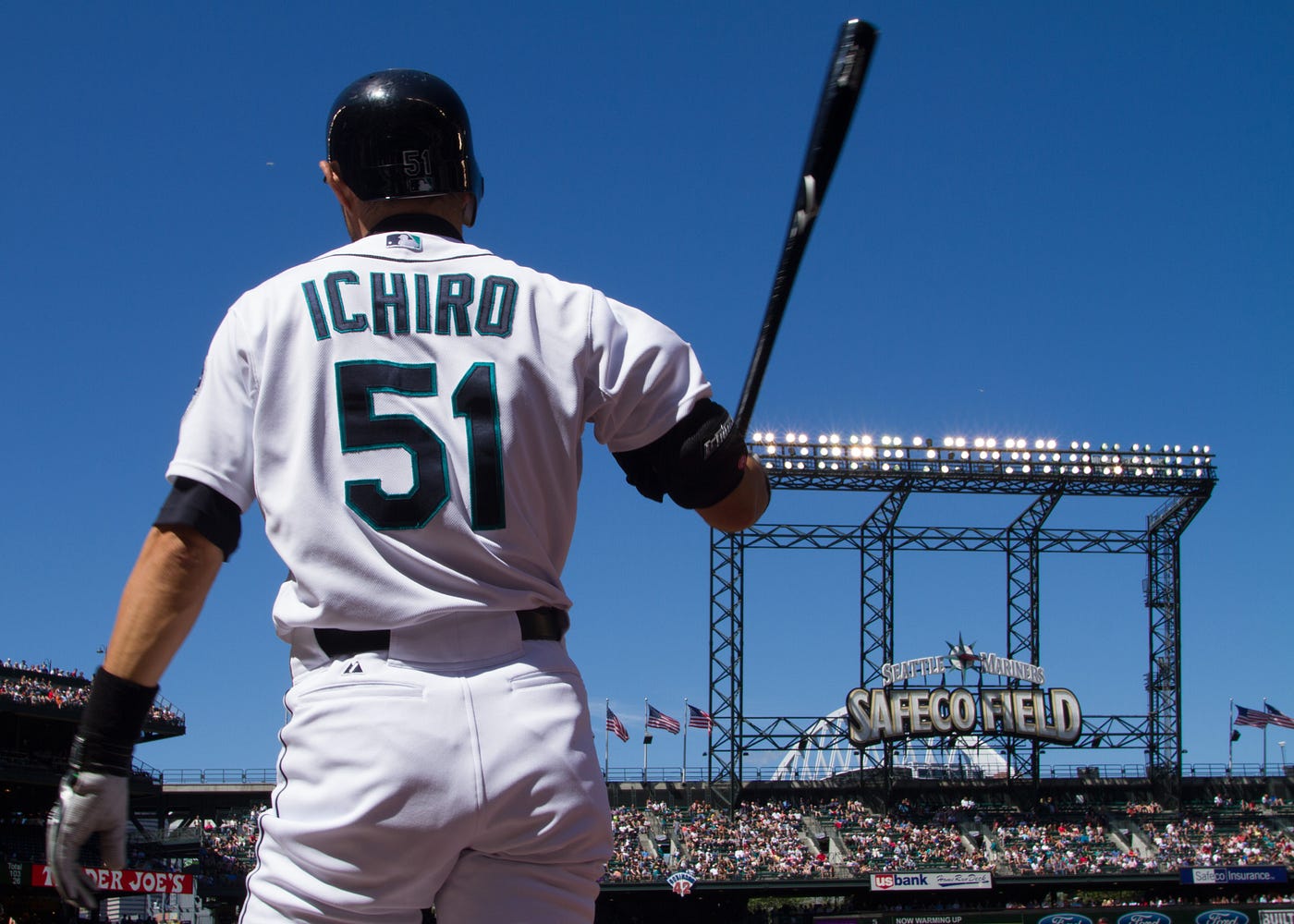
Ichiro’s transition from NPB to MLB was a historic moment for baseball. In 2001, Ichiro signed with the Seattle Mariners, becoming the first position player from Japan to make an immediate impact in MLB. His arrival marked a new era for baseball, as the sport in North America began to embrace a new wave of international talent. Ichiro’s unique combination of hitting for average, speed, and defense quickly endeared him to fans and established him as one of the most exciting players in baseball.
In his first season with the Mariners, Ichiro set the baseball world on fire. He made an immediate impact by winning both the American League Rookie of the Year and Most Valuable Player awards, an accomplishment that had not been achieved since Fred Lynn in 1975. Ichiro’s rookie season was nothing short of spectacular—he hit .350 with 8 home runs, 69 RBIs, and 56 stolen bases, all while posting a .381 on-base percentage. His 242 hits in his first MLB season set a then-record for a rookie, and his blend of power, speed, and defense helped lead the Mariners to 116 wins, one of the most dominant seasons in MLB history.
Ichiro’s success in his first year was a testament to his work ethic and his ability to adapt to the major leagues. Unlike many foreign players who struggle with the transition from international baseball to MLB, Ichiro was able to maintain his high level of performance. His consistency at the plate and his ability to hit to all fields were critical to his success. His exceptional bat speed, combined with his unique swing and ability to avoid strikeouts, allowed him to continue his assault on opposing pitchers. But it wasn’t just his hitting that made Ichiro special—his defense was equally impressive. As an outfielder, Ichiro was known for his incredible arm strength, precision throws, and speed in the field. He quickly became one of the best defenders in the game, winning 10 Gold Glove awards during his career.
One of Ichiro’s most significant achievements in the MLB came in 2004 when he broke the single-season record for hits. His 262 hits that year surpassed the previous record of 257 hits set by George Sisler in 1920. Ichiro’s feat was especially impressive because it came during an era when pitchers were more dominant than ever, and it solidified his place in baseball history. His hitting prowess remained one of his defining traits throughout his MLB career, and he continued to surpass expectations season after season.
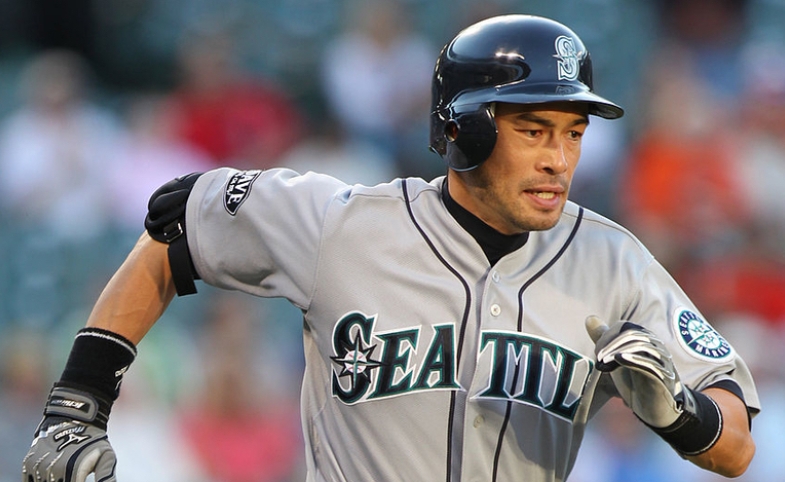
Throughout his career, Ichiro maintained a reputation for being a relentless worker and a tireless student of the game. He was known for his intense preparation, attention to detail, and desire to improve constantly. His commitment to the craft of hitting was unparalleled, as he often spent hours in the batting cage refining his technique and working on his timing. Ichiro’s daily routines were built around his meticulous focus on maintaining his body, which allowed him to remain one of the most durable and effective players in the game.
Ichiro’s longevity and consistency were remarkable. Even as he entered his late 30s and early 40s, he continued to perform at a high level. He played for the Mariners until 2012 before joining the New York Yankees for two seasons, where he continued to provide value as a versatile outfielder and occasional leadoff hitter. His time with the Yankees included some significant moments, including a milestone in 2013 when he reached 4,000 combined hits in both Japan and the United States.
Ichiro’s final years were spent with the Mariners once again, where he had the opportunity to finish his career on his own terms. Over the course of his MLB career, Ichiro accumulated over 3,000 hits, becoming just the 30th player in MLB history to reach that milestone. His final career tally was 3,089 hits in MLB alone, adding to the 1,278 hits he accumulated in Japan, bringing his combined total to 4,367 hits. This made him one of the most prolific hitters of all time.
Ichiro’s impact on baseball extends beyond his statistical accomplishments. His success in MLB helped pave the way for other international players to succeed in North American baseball. He helped expand the game’s global reach, particularly in Japan, where he became a national hero. Ichiro’s discipline, work ethic, and dedication to his craft have set an example for future generations of baseball players, both in Japan and around the world. His influence on the internationalization of the game cannot be overstated, and he played a crucial role in bringing Japanese baseball talent to the major leagues. Ichiro was instrumental in demonstrating that international players could make an immediate and lasting impact on MLB.
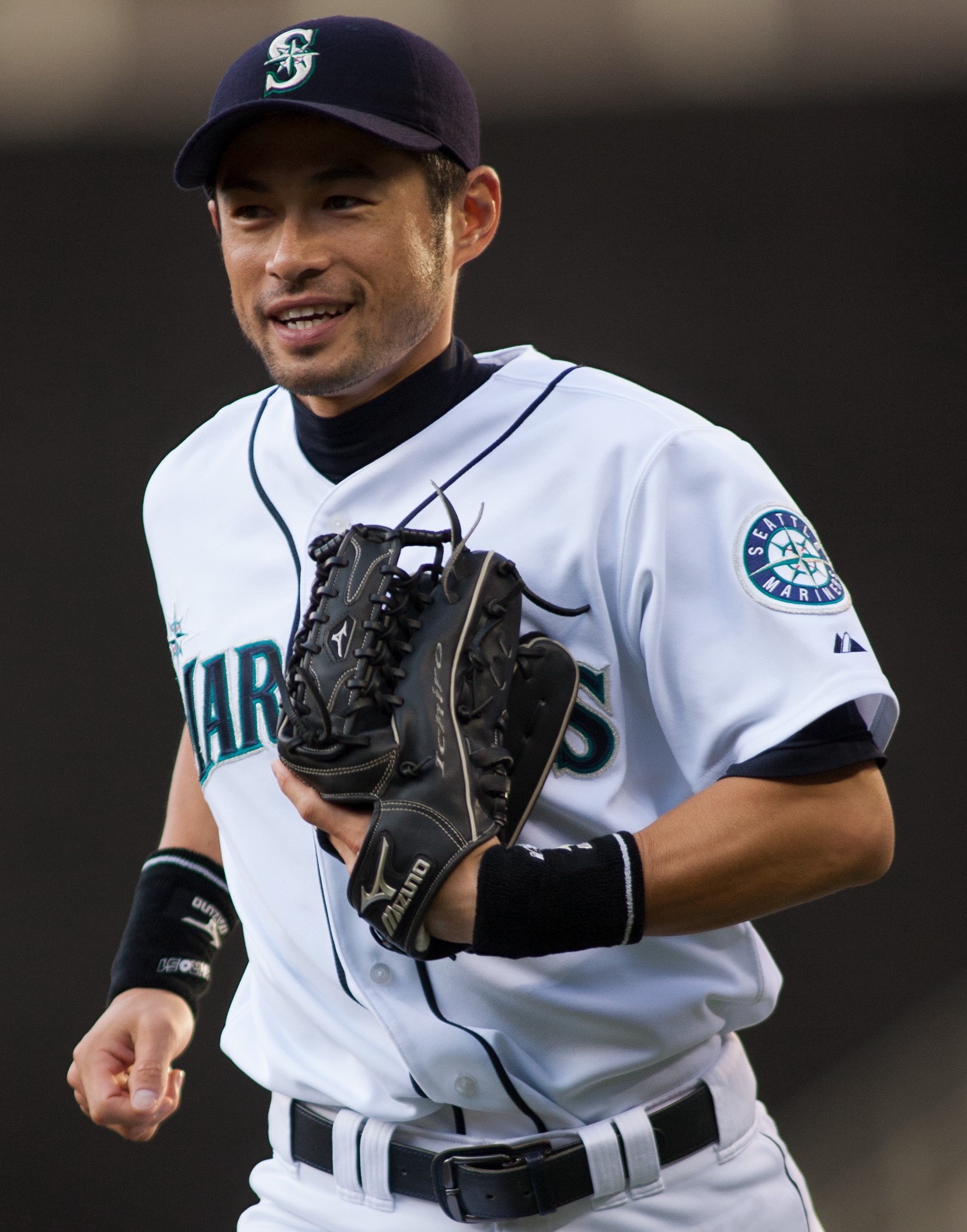
In addition to his on-field achievements, Ichiro was known for his quiet humility and focus. He rarely sought the spotlight but was always willing to share his knowledge and experience with teammates. His respect for the game and his professionalism were evident in everything he did, and he became a beloved figure in the Mariners’ clubhouse. His leadership, both in his quiet demeanor and through his example, helped shape the culture of the Mariners for over a decade.
Ichiro Suzuki’s legacy as one of the greatest players in baseball history is secure. He brought a unique blend of hitting, speed, and defense that redefined what it meant to be a leadoff hitter and an outfielder. His career bridged two baseball cultures—Japanese baseball and Major League Baseball—showing the world the possibilities of global talent in the sport. His impressive career statistics, remarkable consistency, and ability to excel in both Japan and the United States make him one of the most influential and respected players of all time.



 The Baseball Scholar
Leave a comment