
Nomar Garciaparra was one of the most electrifying and dominant shortstops of his era, known for his incredible bat speed, elite hitting ability, and passionate style of play. Over the course of his 14-year Major League Baseball career, Garciaparra left an indelible mark on the game, particularly with the Boston Red Sox, where he became one of the franchise’s most beloved players. His career, which spanned from 1996 to 2009, included numerous individual achievements, accolades, and memorable moments. However, injuries and an unexpected trade ultimately altered the trajectory of what once seemed like a surefire Hall of Fame career. Despite the ups and downs, Garciaparra’s impact on baseball remains significant, as he redefined the shortstop position and played a key role in the Red Sox’s resurgence in the late 1990s and early 2000s.
Nomar Garciaparra was born on July 23, 1973, in Whittier, California. From an early age, he showed an exceptional aptitude for baseball, demonstrating a natural talent for hitting. His father, Ramon Garciaparra, was instrumental in shaping his approach to the game, emphasizing fundamentals, discipline, and hard work. Nomar, whose full name is Anthony Nomar Garciaparra (with “Nomar” being “Ramon” spelled backward in honor of his father), quickly became one of the most promising young baseball players in Southern California.

Garciaparra attended St. John Bosco High School in Bellflower, California, where he excelled in multiple sports, but it was clear that baseball was his true calling. His ability to hit for both average and power, combined with his strong defensive skills, made him one of the most sought-after high school prospects. After high school, he chose to attend Georgia Tech, where he played college baseball for the Yellow Jackets and developed into one of the top amateur players in the country.
During his time at Georgia Tech, Garciaparra continued to refine his hitting mechanics and solidify his reputation as an elite prospect. In 1994, he helped lead Georgia Tech to the College World Series, further elevating his draft stock. The Boston Red Sox selected him with the 12th overall pick in the first round of the 1994 MLB Draft, recognizing his potential to become a cornerstone player for their franchise. After being drafted, he quickly progressed through the Red Sox minor league system, showcasing his exceptional bat-to-ball skills and defensive prowess.
Garciaparra made his Major League debut with the Red Sox in 1996, playing in 24 games and hitting .241 with four home runs. However, it was in 1997 that he truly burst onto the scene. As the Red Sox’s starting shortstop, he put together one of the greatest rookie seasons in baseball history. Garciaparra played in 153 games, hit .306 with 30 home runs, 98 RBIs, and 209 hits, while also stealing 22 bases. His performance earned him the American League Rookie of the Year award in a unanimous vote, and he quickly became one of the most exciting players in the game.
In addition to his offensive production, Garciaparra’s unique batting routine became one of the most recognizable in baseball. His meticulous adjustments to his batting gloves between every pitch became a signature trait, adding to his larger-than-life presence at the plate. Fans and analysts marveled at his bat speed, which allowed him to drive the ball with authority to all fields.
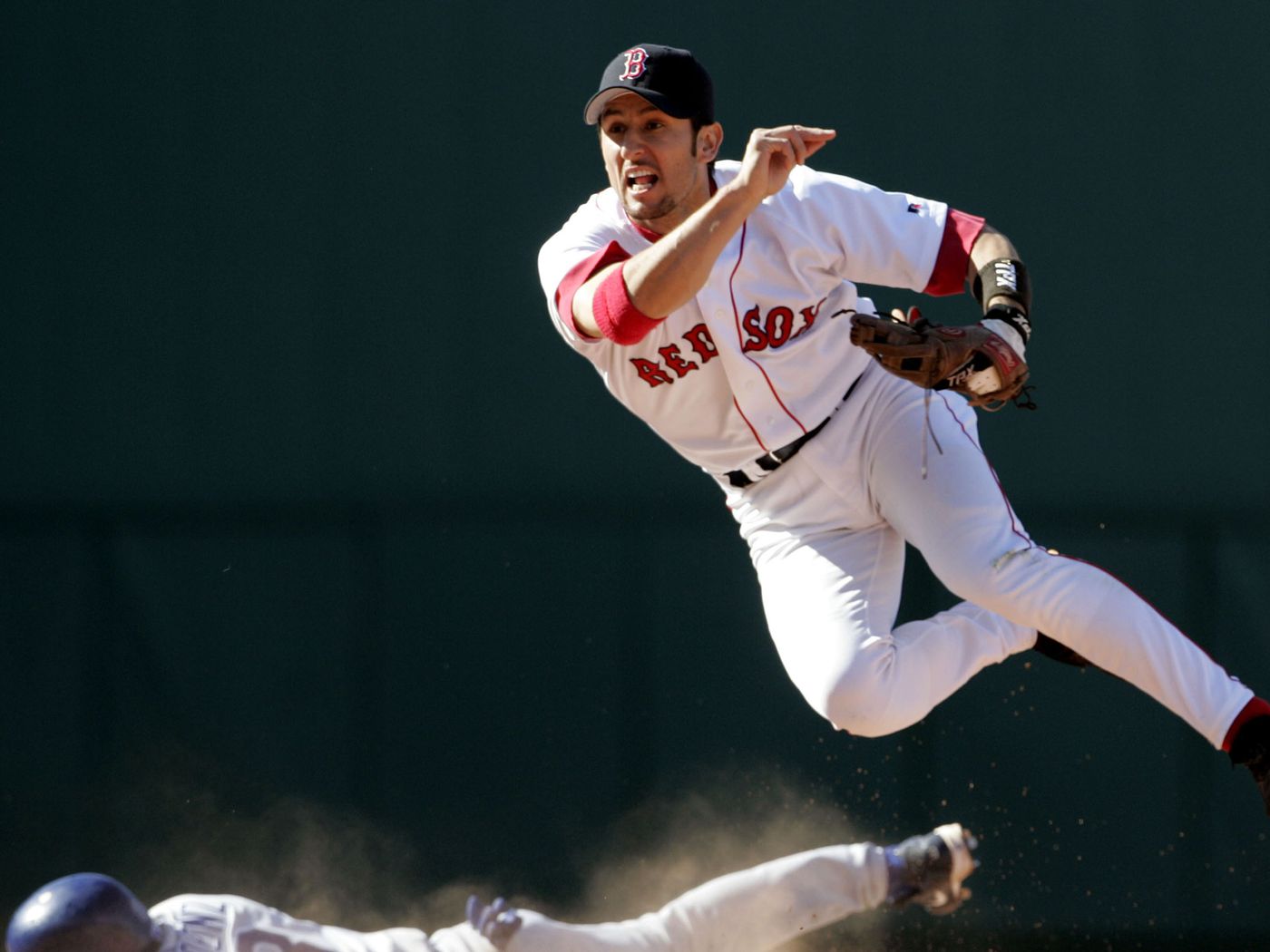
Over the next several seasons, Garciaparra established himself as one of the premier shortstops in baseball. He was part of a new wave of offensive-minded shortstops in the late 1990s, along with Derek Jeter and Alex Rodriguez. Unlike many traditional shortstops who were known primarily for their defensive abilities, Garciaparra combined elite hitting with solid defensive play, revolutionizing the expectations for the position.
In 1998, Garciaparra improved upon his stellar rookie campaign, hitting .323 with 35 home runs and 122 RBIs. He led the league in hits with 195 and was selected to his first All-Star Game. His ability to consistently hit for average and power made him one of the most feared hitters in the American League.
Garciaparra’s peak came in 1999 and 2000 when he won back-to-back American League batting titles. In 1999, he hit a career-best .357 with 27 home runs and 104 RBIs, helping lead the Red Sox to the postseason. He followed that up with another extraordinary season in 2000, batting .372 with 21 home runs and 96 RBIs. His .372 average was the highest by a right-handed hitter in the American League since Joe DiMaggio hit .381 in 1939.
Beyond his statistics, Garciaparra was the heart and soul of the Red Sox during this period. His fiery intensity and competitive nature endeared him to fans, who saw him as the face of the franchise. He was instrumental in keeping the Red Sox competitive, even as the team struggled to get past the powerhouse New York Yankees in the postseason.

Unfortunately, injuries began to take a toll on Garciaparra’s career. In 2001, he suffered a wrist injury that limited him to just 21 games. Wrist injuries can be particularly devastating for hitters, as they can sap bat speed and power, but Garciaparra managed to return in 2002 and put together another strong season, batting .310 with 24 home runs and 120 RBIs.
By 2003, Garciaparra was still one of the best shortstops in the game, but tensions between him and the Red Sox front office began to emerge. Contract negotiations stalled, and rumors swirled that the team was considering trading him. Despite the off-field distractions, he continued to perform at a high level, hitting .301 with 28 home runs and 105 RBIs.
The most shocking moment of Garciaparra’s career came in the middle of the 2004 season. With the Red Sox in the midst of a championship push, they made a bold decision to trade Garciaparra to the Chicago Cubs in a four-team deal that brought Orlando Cabrera and Doug Mientkiewicz to Boston. The move stunned fans, as Garciaparra had been a beloved figure in Boston for years. However, the trade ultimately proved successful for the Red Sox, as they went on to win the World Series later that year, breaking the infamous “Curse of the Bambino.”
Garciaparra’s time with the Cubs was marred by injuries, and he was never quite the same player he had been in Boston. He played parts of two seasons in Chicago, struggling to stay healthy and find consistency at the plate. In 2006, he signed with the Los Angeles Dodgers and reinvented himself as a first baseman. That season, he enjoyed a resurgence, batting .303 with 20 home runs and 93 RBIs while helping the Dodgers reach the postseason.
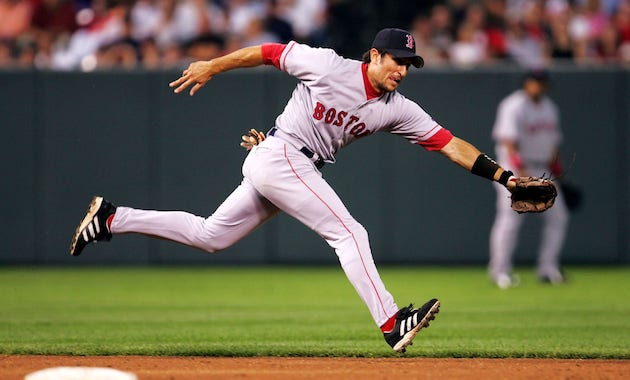
Garciaparra spent three seasons with the Dodgers before finishing his career with the Oakland Athletics in 2009. Though he was no longer the superstar he had once been, he remained a respected veteran presence and a fan favorite. He officially retired in 2010, signing a one-day contract with the Red Sox so he could retire as a member of the team where he had spent his best years.
Over the course of his career, Garciaparra compiled a .313 batting average, 229 home runs, and 936 RBIs. He was a six-time All-Star, a two-time batting champion, and a cornerstone of the Red Sox franchise for nearly a decade. While injuries prevented him from reaching certain career milestones, his impact on the game was undeniable.
Garciaparra’s influence extended beyond the field. He was one of the first shortstops to combine elite hitting with strong defensive play, paving the way for future generations of offensive-minded shortstops. His presence in Boston helped revitalize the franchise, and his contributions to the Red Sox’s eventual championship run in 2004, even though he wasn’t on the roster at the time, remain an important part of the team’s history.

In retirement, Garciaparra has remained involved in baseball as a broadcaster and analyst, continuing to share his love and knowledge of the game. While his career may not have ended with a Hall of Fame induction, he remains one of the most memorable and impactful players of his era, a player who thrilled fans with his skill, passion, and relentless work ethic.



 The Baseball Scholar
Leave a comment