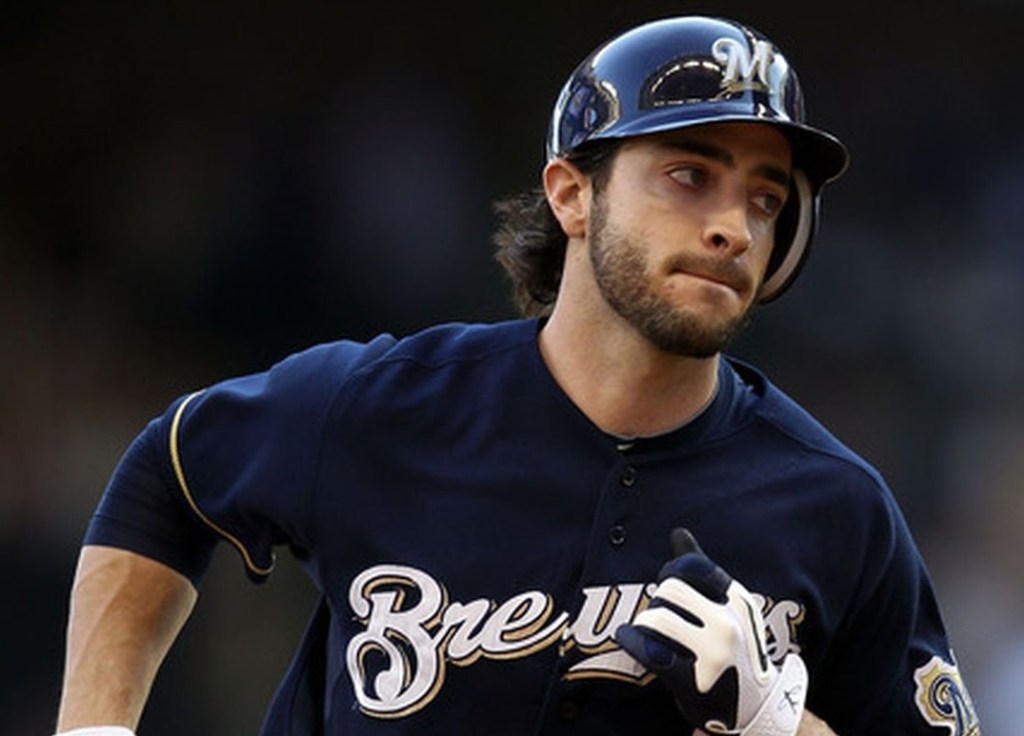
Ryan Braun’s Major League Baseball career is one that blends remarkable accomplishments with controversy, creating a legacy that remains a topic of discussion among baseball fans and analysts. As one of the most talented players of his generation, Braun was known for his power-hitting ability, speed, and knack for delivering in clutch situations. His tenure with the Milwaukee Brewers, spanning from 2007 to 2020, was filled with statistical achievements, accolades, and key moments that helped elevate the franchise to competitive relevance. However, his career was also marred by a high-profile performance-enhancing drug (PED) scandal, which impacted his reputation and the way his legacy is perceived. Despite this, Braun’s influence on the Brewers, his individual accomplishments, and his impact on baseball as a whole make him one of the most compelling players of the 21st century.
Ryan Joseph Braun was born on November 17, 1983, in Mission Hills, California. From an early age, he showed immense athletic talent, excelling in baseball while attending Granada Hills High School in Los Angeles. Braun’s natural ability as a hitter was evident during his teenage years, and he quickly became one of the top baseball prospects in California. His strong work ethic, combined with his impressive bat speed and power, made him a standout player in high school. He was not just a power hitter but also demonstrated excellent contact skills and a high baseball IQ, traits that would carry over into his professional career.
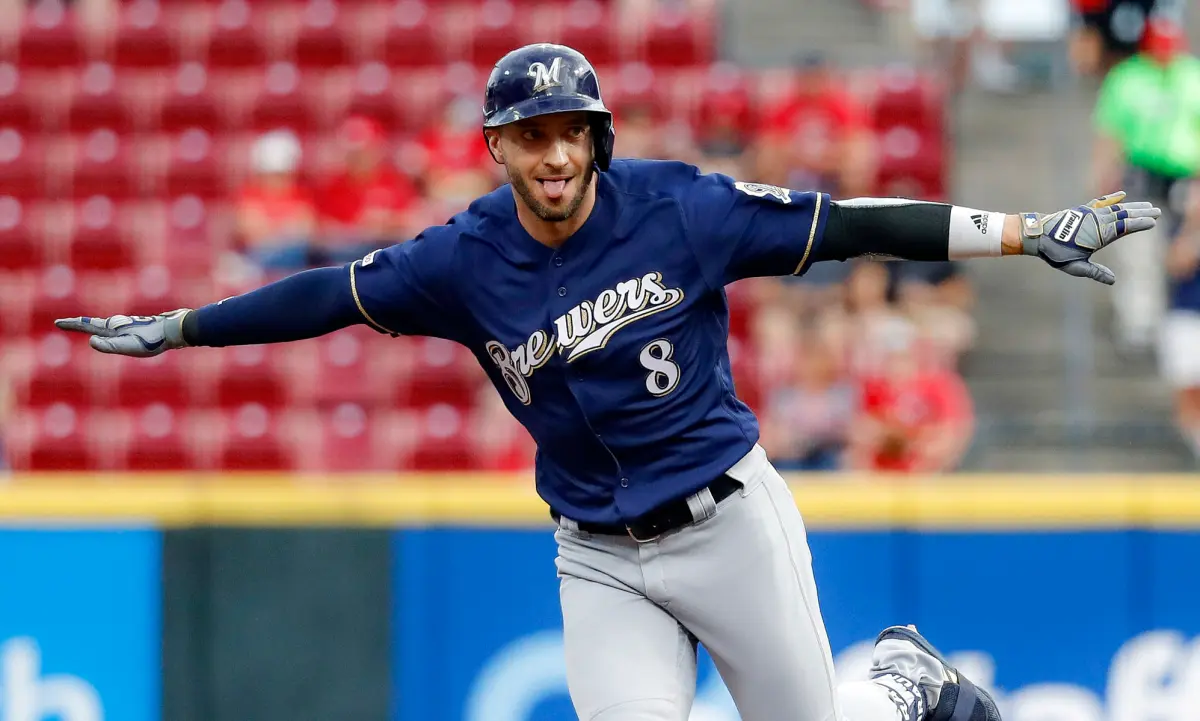
After graduating from high school, Braun attended the University of Miami, where he continued to develop into one of the top collegiate hitters in the country. Playing for the Miami Hurricanes, Braun was a force at the plate, consistently putting up impressive numbers and drawing the attention of professional scouts. In three seasons at Miami, he compiled a .367 batting average, 44 home runs, and 183 RBIs, cementing himself as one of the best hitters in college baseball. His combination of power, speed, and defensive versatility made him a highly sought-after prospect heading into the 2005 MLB Draft.
The Milwaukee Brewers selected Braun with the fifth overall pick in the 2005 MLB Draft, believing that he could be a cornerstone of their franchise for years to come. Upon entering the minor leagues, Braun quickly established himself as one of the top prospects in baseball. His bat was major league-ready from the start, and he consistently put up dominant numbers in the minors. In 2006, playing for the Brewers’ Double-A affiliate, Braun hit .303 with 15 home runs and 40 RBIs in just 59 games, solidifying his status as a future star. His ability to hit for both power and average made him one of the most exciting young players in the game.
Braun made his Major League debut for the Brewers on May 25, 2007, and it did not take long for him to make an impact. In his first full season, he put together one of the most remarkable rookie campaigns in MLB history. He played in 113 games and posted an astounding .324 batting average, along with 34 home runs, 97 RBIs, and 15 stolen bases. His slugging percentage of .634 led the National League, and his OPS (on-base plus slugging) of 1.004 was among the best in baseball. Braun’s historic rookie season earned him the 2007 National League Rookie of the Year Award, an honor that cemented his place as one of the game’s rising superstars.
The following seasons saw Braun continue to dominate as one of the premier hitters in the league. In 2008, he hit .285 with 37 home runs and 106 RBIs, helping the Brewers make their first postseason appearance since 1982. His clutch hitting and ability to come through in big moments made him a fan favorite in Milwaukee. Braun’s offensive prowess, combined with his defensive versatility—he began his career as a third baseman before transitioning to left field—made him one of the most valuable players in the National League.
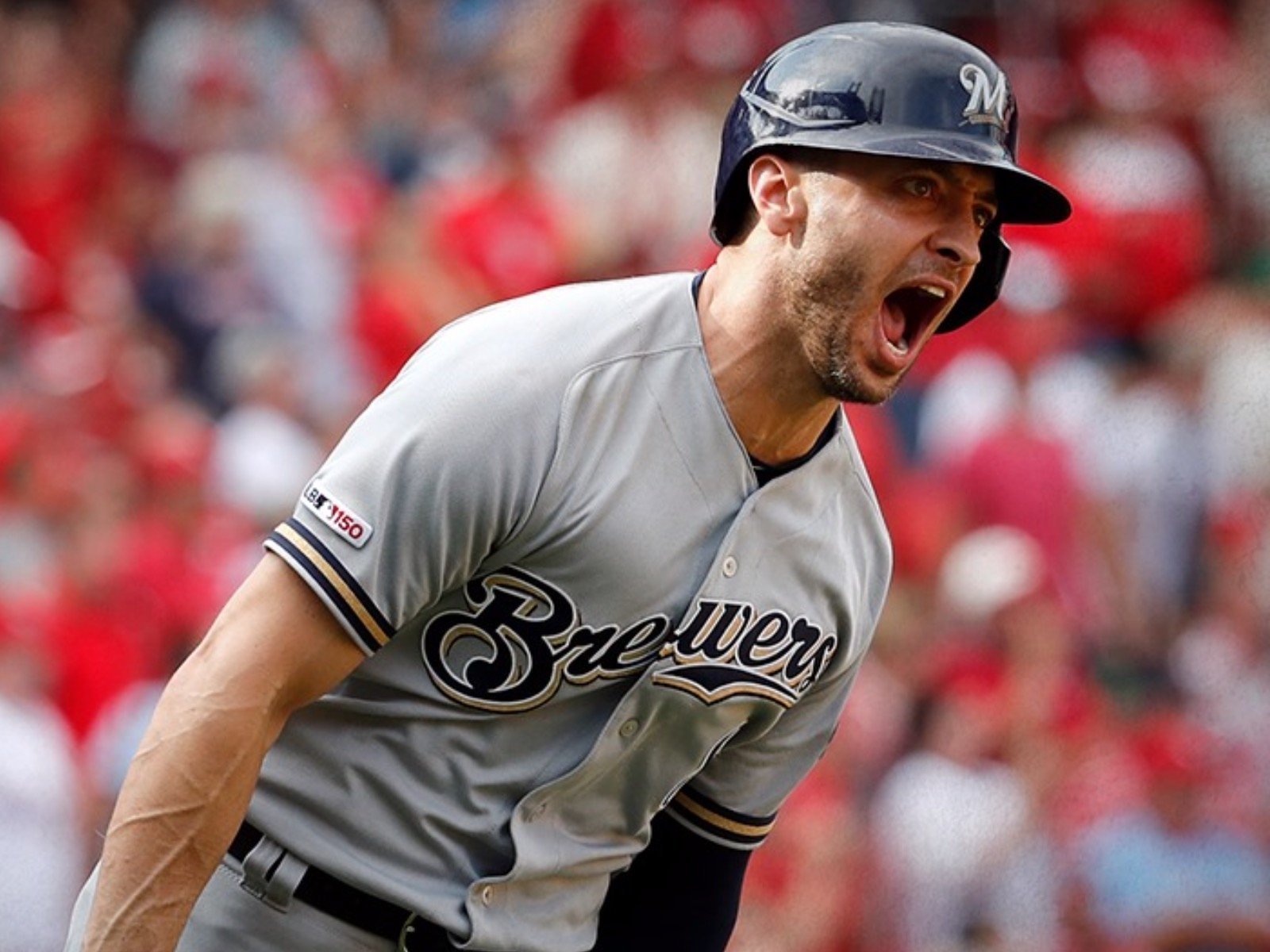
From 2009 to 2012, Braun consistently ranked among the league leaders in multiple offensive categories. In 2009, he batted .320 with 32 home runs and 114 RBIs, while also stealing 20 bases, showcasing his rare combination of power and speed. He was named an All-Star for the second consecutive season and won his second Silver Slugger Award. Braun’s ability to produce at such a high level year after year established him as one of the elite hitters in baseball.
The pinnacle of Braun’s career came in 2011, a season in which he won the National League MVP Award. That year, he posted career-best numbers, hitting .332 with 33 home runs, 111 RBIs, and 33 stolen bases, making him one of the few players to join the exclusive 30-30 club. His OPS of .994 was among the highest in baseball, and he played a crucial role in leading the Brewers to their first NL Central Division title in franchise history. Milwaukee advanced to the NLCS before falling to the St. Louis Cardinals, but Braun’s performance throughout the season and postseason solidified his reputation as one of the best players in the game.
However, Braun’s career took a controversial turn following the 2011 season when reports surfaced that he had tested positive for PEDs. Initially, Braun vehemently denied the allegations and successfully appealed a 50-game suspension, becoming the first player in MLB history to have a PED-related suspension overturned. However, in 2013, Braun was implicated in the Biogenesis scandal, which revealed that he had used PEDs during the 2011 season. He later admitted to his involvement and was suspended for the remainder of the 2013 season. This scandal significantly damaged Braun’s reputation, and he faced backlash from fans and fellow players.
Despite the controversy, Braun worked to rebuild his image and continued to be a productive player for the Brewers. Upon returning in 2014, he posted solid numbers, though he was no longer the dominant force he had been earlier in his career. Over the next several seasons, Braun remained a key contributor for the Brewers, adapting his game to remain effective as he aged. In 2016, he had a resurgence, hitting .305 with 30 home runs and 91 RBIs, proving that he still had the ability to perform at a high level.

As the 2010s progressed, Braun transitioned into a veteran leader for the Brewers, mentoring younger players while continuing to be a productive presence in the lineup. He played a key role in the Brewers’ resurgence in 2018, when the team won the NL Central and advanced to the NLCS. Braun’s leadership and postseason experience were valuable assets for a young Brewers team that was looking to make a deep playoff run.
Braun played his final MLB season in 2020, a shortened season due to the COVID-19 pandemic. Though he was no longer the dominant force he had once been, he remained a respected figure in the clubhouse and a beloved player among Brewers fans. Following the 2020 season, Braun announced his retirement from baseball, ending a career that spanned 14 seasons and left a lasting impact on the Milwaukee franchise.
Throughout his career, Braun compiled impressive statistics, finishing with a .296 batting average, 352 home runs, 1,154 RBIs, and 216 stolen bases. He was a six-time All-Star, five-time Silver Slugger winner, and the 2011 NL MVP. His combination of power, speed, and clutch hitting made him one of the most exciting players of his generation.
Braun’s impact on baseball is complex. On one hand, he was one of the most talented and productive players of his era, a player who helped elevate the Brewers to new heights and provided fans with countless memorable moments. On the other hand, his involvement in the PED scandal left a stain on his legacy and raised questions about how his achievements should be viewed. While some will always associate Braun with controversy, others will remember him as one of the greatest players in Brewers history and a player who helped bring excitement and success to Milwaukee.
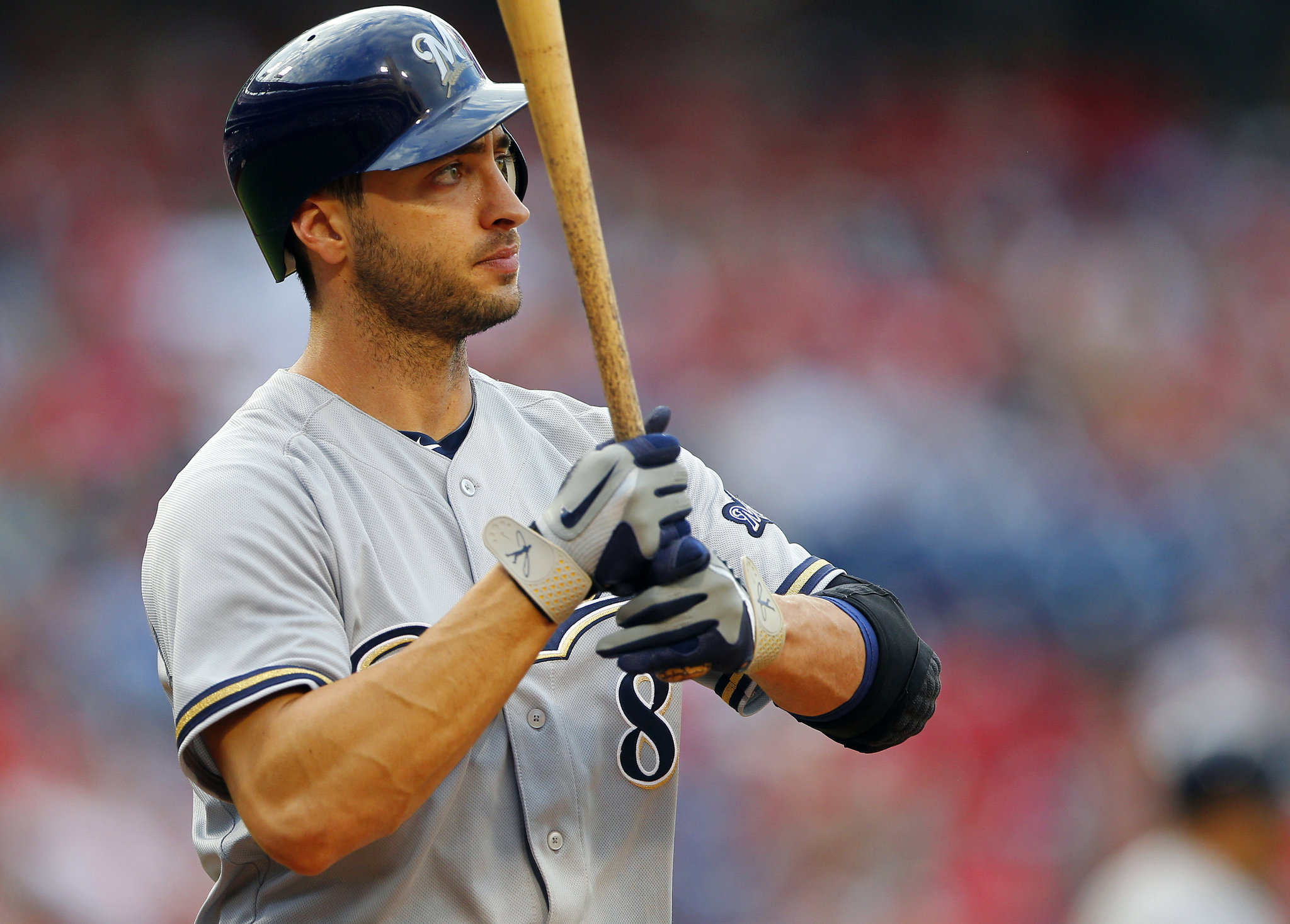
In the end, Ryan Braun’s career is a testament to both the heights of baseball greatness and the consequences of controversy. His legacy will continue to be debated, but there is no denying that he was one of the most talented and impactful players of his generation. His influence on the Brewers franchise, his statistical accomplishments, and his role in shaping the modern game ensure that he will always be remembered as a significant figure in baseball history.


 The Baseball Scholar
Leave a comment