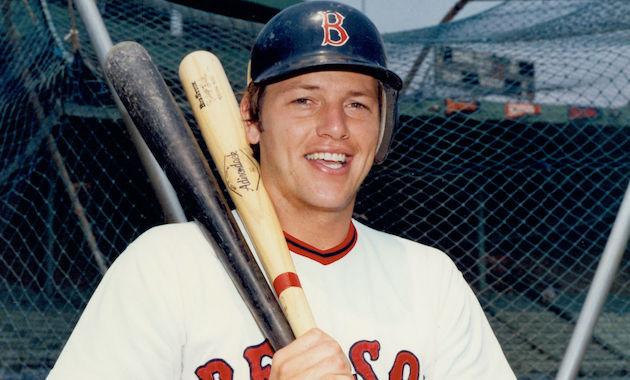
Carlton Fisk is one of the most iconic catchers in Major League Baseball history, a player whose career spanned four decades and whose contributions to the game left an indelible mark. Known for his durability, leadership, and ability to deliver in clutch moments, Fisk became a symbol of excellence behind the plate. His famous home run in the 1975 World Series remains one of the most enduring moments in baseball history, but his impact on the game goes far beyond a single swing. Over the course of his career, Fisk set records, redefined the role of a catcher, and played a crucial role in the success of the teams he played for. His journey from a small-town athlete to a Hall of Famer is a testament to his determination, resilience, and love for the game.
Carlton Ernest Fisk was born on December 26, 1947, in Bellows Falls, Vermont, and grew up in Charlestown, New Hampshire. Coming from a region not traditionally known for producing baseball talent, Fisk was an athletic prodigy from an early age. He excelled in multiple sports, particularly baseball and basketball, and his natural athleticism made him a standout at Charlestown High School. Fisk’s family played a significant role in shaping his competitive drive, with his father, an athlete himself, encouraging his son’s passion for sports.

After high school, Fisk attended the University of New Hampshire on a basketball scholarship but continued to develop as a baseball player. His potential on the diamond was undeniable, and it wasn’t long before scouts took notice of his powerful bat, strong throwing arm, and natural leadership skills behind the plate. In 1967, Fisk was selected by the Boston Red Sox in the first round of the Major League Baseball Draft. His journey to the big leagues had begun, and he would soon become one of the most respected catchers in the game.
Fisk made his MLB debut for the Red Sox in 1969, appearing in only two games before spending the next two seasons in the minor leagues, refining his skills and preparing for the grind of catching at the highest level. By 1971, he had shown enough promise to earn a spot on the Red Sox roster, but it was in 1972 that he truly broke through. That season, Fisk was named the American League Rookie of the Year, becoming the first catcher in AL history to win the award. He played in 131 games, batted .293, hit 22 home runs, and drove in 61 runs while also leading the league in triples with nine—an incredible feat for a catcher. Fisk’s ability to hit for power and average while providing elite defense made him one of the most exciting young players in baseball.
Throughout the early 1970s, Fisk continued to establish himself as one of the best catchers in the game. He was a fierce competitor, known for his toughness and his willingness to take on any challenge. His handling of the Red Sox pitching staff was exemplary, and his strong arm deterred opposing baserunners from attempting to steal. He quickly became a leader in the Red Sox clubhouse, setting an example with his work ethic and professionalism.
The defining moment of Fisk’s career came in Game 6 of the 1975 World Series. The Red Sox were facing the Cincinnati Reds, one of the greatest teams of the era, and the game was tied in the 12th inning. Fisk stepped to the plate against Pat Darcy and launched a deep fly ball to left field. As the ball sailed toward the foul pole, Fisk famously waved his arms, willing it to stay fair. When the ball struck the foul pole for a walk-off home run, the Red Sox had forced a Game 7, and Fisk had cemented his place in baseball history. The image of him jumping and waving at the ball remains one of the most iconic moments in sports history, a testament to the drama and emotion of the game.
Despite the heroics of Game 6, the Red Sox ultimately lost the series in seven games, but Fisk’s home run became an enduring symbol of baseball’s magic. His performance on the big stage solidified his reputation as one of the game’s great players, and he continued to be a cornerstone of the Red Sox franchise throughout the late 1970s. However, injuries began to take a toll on Fisk, and he missed significant time during several seasons. Even so, his resilience and determination never wavered. He remained a leader on and off the field, and his impact on the team extended beyond the stat sheet.
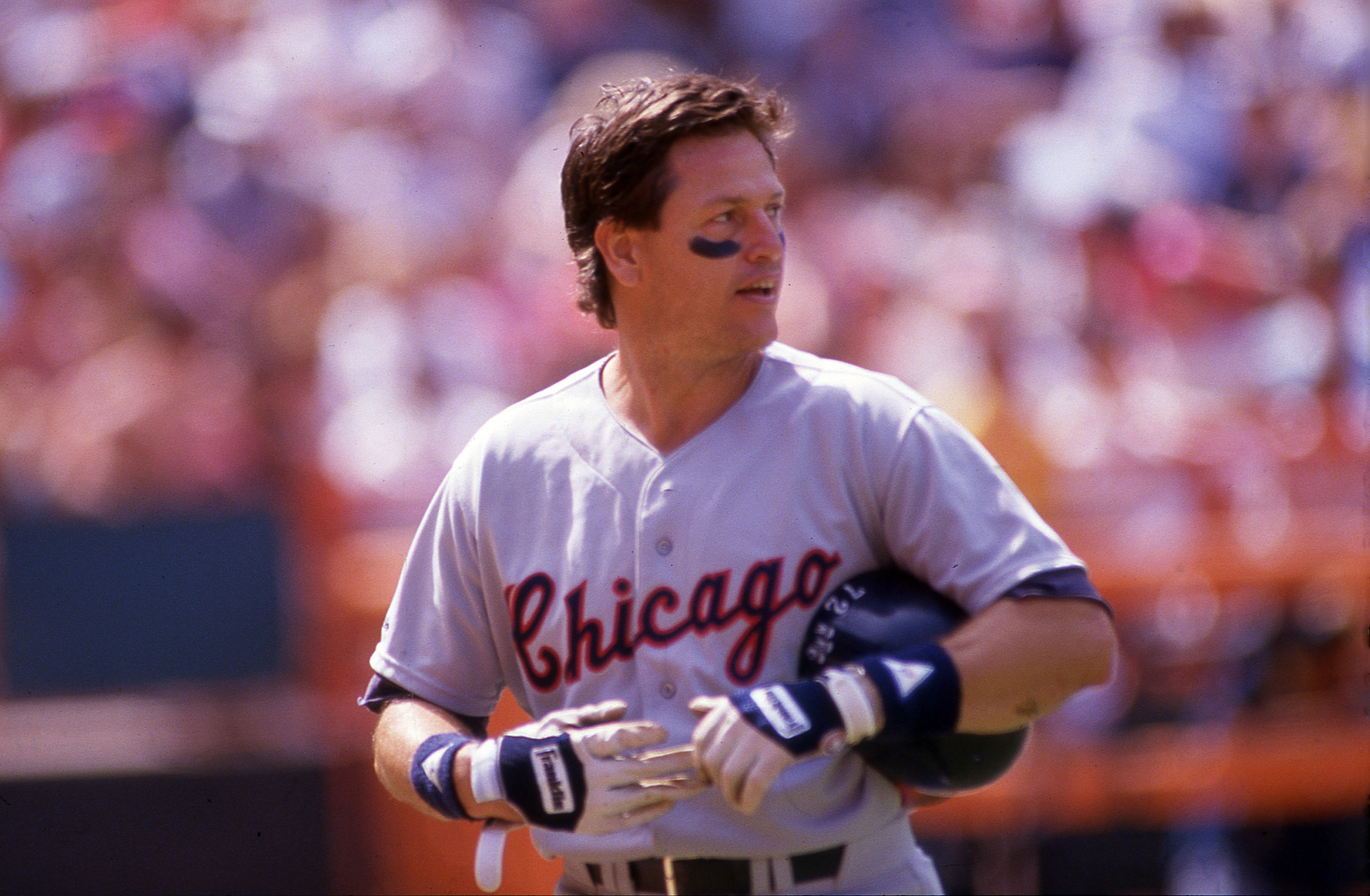
Following a contract dispute with the Red Sox, Fisk became a free agent in 1980 and signed with the Chicago White Sox. The move shocked many, as Fisk had been synonymous with the Red Sox for over a decade. However, rather than allowing the transition to slow him down, Fisk embraced his new role in Chicago and continued to perform at a high level. In his first season with the White Sox, he made an immediate impact, helping to change the culture of the team. His presence provided a veteran leadership element that the young White Sox roster needed, and he quickly became the heart and soul of the team.
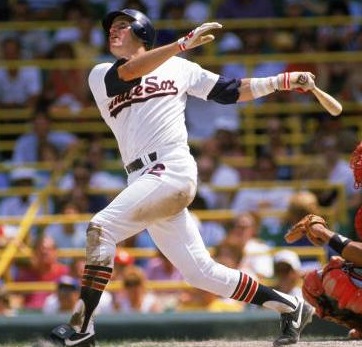
Fisk played 13 seasons with the White Sox, continuing to produce at an elite level well into his late 30s and early 40s. In 1983, he played a key role in leading the White Sox to the American League West title, batting .289 with 26 home runs and 86 RBIs. His ability to handle a pitching staff, call a game, and provide leadership in the clubhouse was instrumental in the team’s success. Even as he aged, Fisk remained one of the best catchers in baseball, proving that his skills and baseball IQ were as valuable as ever.
One of the most remarkable aspects of Fisk’s career was his longevity. Catchers typically experience a decline in performance due to the physical demands of the position, but Fisk defied expectations. In 1990, at the age of 42, he hit a career-high 37 home runs, an extraordinary accomplishment for any player, let alone a catcher. His ability to maintain a high level of play deep into his 40s set a standard for durability and professionalism that few have matched.

Fisk retired in 1993 as one of the most accomplished catchers in baseball history. Over the course of his career, he amassed 2,356 hits, 376 home runs, 1,330 RBIs, and a career batting average of .269. He was a 10-time All-Star, won three Silver Slugger Awards, and set numerous records for longevity, including the most home runs hit by a catcher at the time of his retirement. His ability to excel both offensively and defensively made him one of the most complete catchers the game had ever seen.
Beyond his statistics, Fisk’s impact on baseball was profound. He set a standard for work ethic, dedication, and leadership that influenced generations of players. His competitive fire and determination were unmatched, and he helped redefine the role of the modern catcher. He was known for his ability to take charge of a game, control a pitching staff, and provide clutch hits when his team needed them most.
In 2000, Fisk was inducted into the Baseball Hall of Fame, an honor that solidified his place among the all-time greats. His contributions to both the Red Sox and the White Sox were recognized, and his legacy as one of the premier catchers in baseball history was cemented. Even after his playing days were over, Fisk remained involved in the game, serving as a mentor to young players and continuing to be a respected figure in the baseball community.
Carlton Fisk’s career is a testament to the power of perseverance, talent, and leadership. From his early days as a young catcher in Boston to his legendary moments in the World Series and his incredible longevity with the White Sox, Fisk left a lasting impact on the game of baseball. His legacy is one of excellence, and his contributions to the sport will be remembered for generations to come. Few players embodied the spirit of baseball quite like Fisk, and his place among the all-time greats is well deserved.



 The Baseball Scholar
Leave a comment