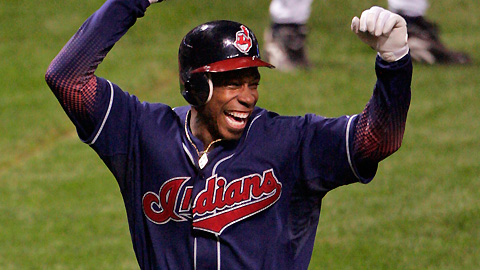
Kenny Lofton is a name that evokes memories of speed, defensive brilliance, and unrelenting hustle in the world of Major League Baseball. Known for his electrifying play in center field, Lofton became one of the most feared leadoff hitters and base stealers in the game during his 17-year career. His ability to affect the game in multiple ways—from getting on base, stealing bases, playing outstanding defense, and hitting for average—made him a dynamic player and one of the most consistent performers of his generation. Despite being a member of several contending teams, Lofton’s career has often been overlooked in terms of recognition, with few appreciating the full extent of his contributions to the game. This essay takes a deep dive into Lofton’s career, from his early life and development to his accomplishments on the field and his legacy as a player.
Kenneth Lofton was born on May 31, 1967, in East Chicago, Indiana. Raised in a working-class family, Lofton’s early life was shaped by his passion for sports, particularly baseball and basketball. From an early age, he showed an affinity for both sports, excelling in both the classroom and on the athletic field. Lofton attended Eisenhower High School in Decatur, Illinois, where he earned recognition for his athletic ability, particularly his speed and agility. However, it was his skills on the baseball field that truly stood out. Lofton, who had played shortstop in his youth, transitioned to center field as a teenager, taking advantage of his elite speed, which would later become one of the defining attributes of his career.
After high school, Lofton enrolled at the University of Arizona, where he played college baseball and further honed his skills. At Arizona, Lofton’s natural speed and baseball instincts began to shine, and he became a standout player for the Wildcats. His success at the college level was a precursor to what was to come in his professional career, and he quickly emerged as one of the top collegiate players in the country. During his time at Arizona, Lofton batted .357 in his senior year and became one of the most highly regarded players in the 1988 MLB Draft.
Lofton was selected by the Houston Astros in the 17th round of the 1988 MLB Draft. However, his professional journey truly began in 1991, when the Astros traded him to the Cleveland Indians in a deal that would define the trajectory of Lofton’s career. Though the trade did not garner as much attention as other deals of that time, it would become one of the most important moves for the Indians. Lofton quickly made his presence felt in the minors, using his speed to disrupt opposing pitchers and defenses. His path to the major leagues was swift, and by 1992, Lofton had earned a spot with the Cleveland Indians.
Lofton’s MLB debut came on September 1, 1992, and it was immediately clear that his skills on the field would translate well to the highest level of competition. In his first full season with the Indians in 1993, Lofton quickly established himself as one of the most exciting young players in the game. He finished the season with a .285 batting average, 60 stolen bases, and a .348 on-base percentage. His speed on the bases, coupled with his ability to get on base, made him an ideal leadoff hitter. Lofton’s defense in center field was equally impressive, as his range and quick reflexes allowed him to cover a vast amount of ground, making him one of the best defensive outfielders in baseball. His combination of speed, defense, and plate discipline made him a dynamic force in the Indians’ lineup and one of the most feared leadoff men in the league.
In 1994, Lofton continued his rapid ascent, posting career-best numbers across the board. He hit .349, stole 60 bases again, and was named an All-Star for the first time in his career. His ability to hit for average, get on base, and create havoc on the basepaths made him one of the most valuable players in the league. Lofton’s speed was a game-changer, as his ability to steal bases and put pressure on opposing pitchers often altered the flow of the game. His impact went beyond just his offensive numbers; his defense was top-notch, as he frequently made highlight-reel plays in the outfield. Lofton’s 1994 season helped solidify his status as one of the league’s premier players.

The following years saw Lofton become one of the most consistent players in the American League. In 1995, he led the Indians to the World Series, where they faced off against the Atlanta Braves. Though the Indians ultimately lost the series, Lofton’s performance was a key part of their success that year. He batted .310 with 54 stolen bases during the regular season and was an integral part of the team’s offensive attack. Lofton’s ability to get on base, steal bases, and play elite defense in center field made him one of the most valuable players in the league. He was named to the All-Star team multiple times during this period, and his continued dominance at the top of the Indians’ lineup was crucial to the team’s success in the 1990s.
Lofton’s impact on the Indians’ franchise during the 1990s cannot be overstated. He was the catalyst for an offense that included power hitters like Albert Belle, Manny Ramirez, and Jim Thome, and he set the tone for the team with his ability to get on base and ignite the offense. Lofton’s leadership on the field was evident, and his energy and enthusiasm were contagious. He quickly became the face of the Indians’ resurgence in the 1990s, and his success helped to revitalize a franchise that had not seen sustained success for decades. Lofton’s ability to perform in clutch situations and lead his team to multiple playoff appearances was integral to the Indians’ rise to prominence.
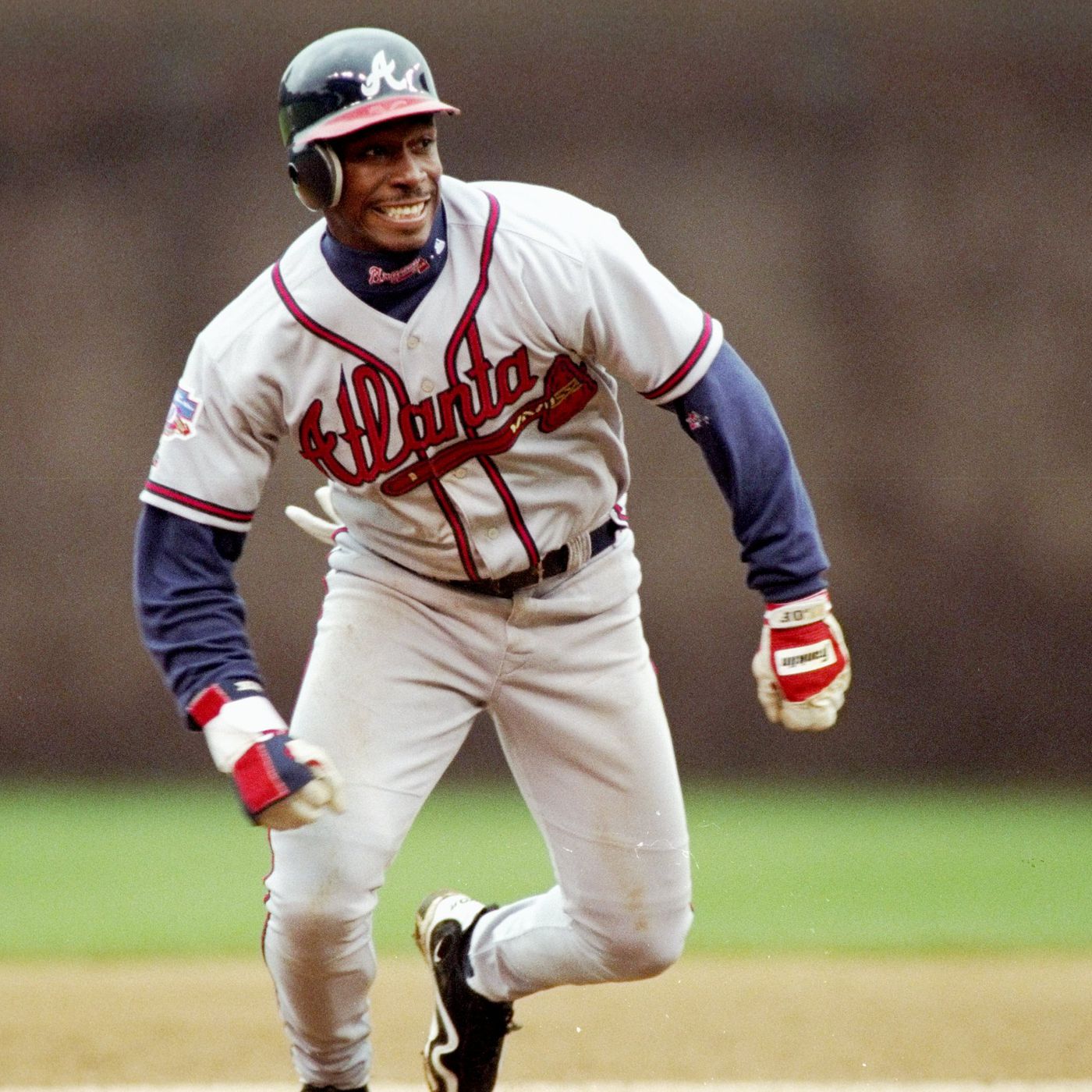
However, despite Lofton’s individual success and the team’s playoff appearances, the Indians were unable to secure a World Series championship during his tenure. Lofton played for several teams over the course of his career, including the Atlanta Braves, Chicago White Sox, San Francisco Giants, and Los Angeles Dodgers. His tenure with these teams was marked by continued success, even though his role and playing time varied. His contributions to the Braves’ postseason run in 2002 and 2003, his leadership with the White Sox in 2005, and his brief stints with the Giants and Dodgers in the later years of his career showcased his consistency and ability to contribute at a high level, regardless of the team or situation.
Lofton’s ability to maintain a high level of play well into his 30s was a testament to his dedication to the game and his physical conditioning. Though he was no longer the fleetest of foot by the time he joined the White Sox in 2005, he still provided value with his bat and his experience. He was a key member of the White Sox team that won the 2005 World Series, marking the culmination of his career’s collective effort toward finally achieving the championship he had long sought. Lofton’s veteran leadership in the clubhouse and his contributions on the field played a role in the White Sox’s eventual triumph over the Houston Astros in the Fall Classic. His 2005 World Series victory was the culmination of his lengthy career and provided Lofton with the postseason championship he had always hoped for.
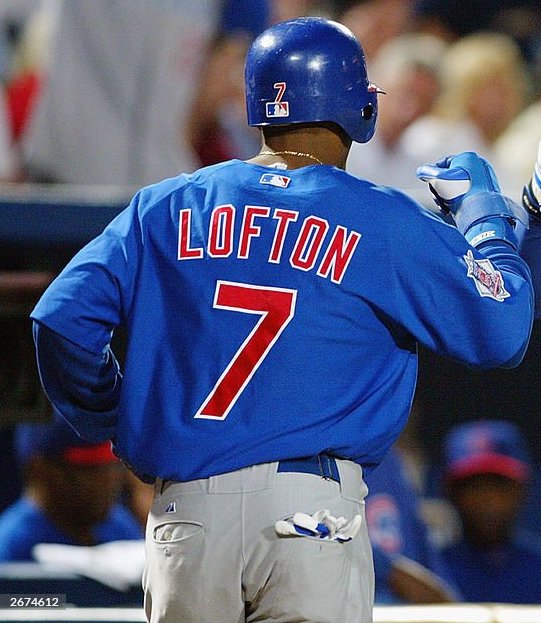
In total, Lofton played for 11 teams during his career and had an impact on each of them. His combination of speed, defense, and ability to hit for average made him one of the most dynamic players of his era. Over the course of his career, Lofton stole 622 bases, hit .299, and recorded 2,448 hits. His ability to get on base at a high clip (.372 OBP) and make things happen on the bases helped define his career, and he is widely regarded as one of the best leadoff hitters of all time. Despite not being as celebrated as some of his contemporaries, Lofton’s contributions to baseball are undeniable. His ability to disrupt games with his speed, play elite defense, and handle high-leverage moments made him one of the most impactful players in the game.
In addition to his offensive contributions, Lofton’s defense was one of the defining aspects of his career. He was one of the best center fielders of his generation, known for his quickness, instincts, and ability to cover vast amounts of ground. Lofton won four Gold Glove Awards for his defensive play, and his range and arm strength made him a fixture in center field for many of his teams. His ability to track down fly balls and make difficult catches in the outfield was integral to his success as a player.
Despite his outstanding career, Lofton was never able to win an MVP award or make the Hall of Fame. His case for induction into Cooperstown has been one of the most debated in recent years, with many arguing that his combination of stolen bases, on-base percentage, defense, and overall consistency should have earned him a place among the game’s immortals. Though he may not have received the widespread recognition that some other players did, Lofton’s contributions to the game are undeniable.

Kenny Lofton’s career is a story of perseverance, talent, and consistency. From his early days as a young player trying to prove himself to his years as a veteran leader, Lofton’s impact on the game cannot be understated. He may not have won an MVP or had the same level of recognition as some of his contemporaries, but his ability to affect the game in multiple ways set him apart from others. Lofton’s career is a testament to the power of speed, defense, and consistency, and his contributions to the game will be remembered for years to come.



 The Baseball Scholar
Leave a comment