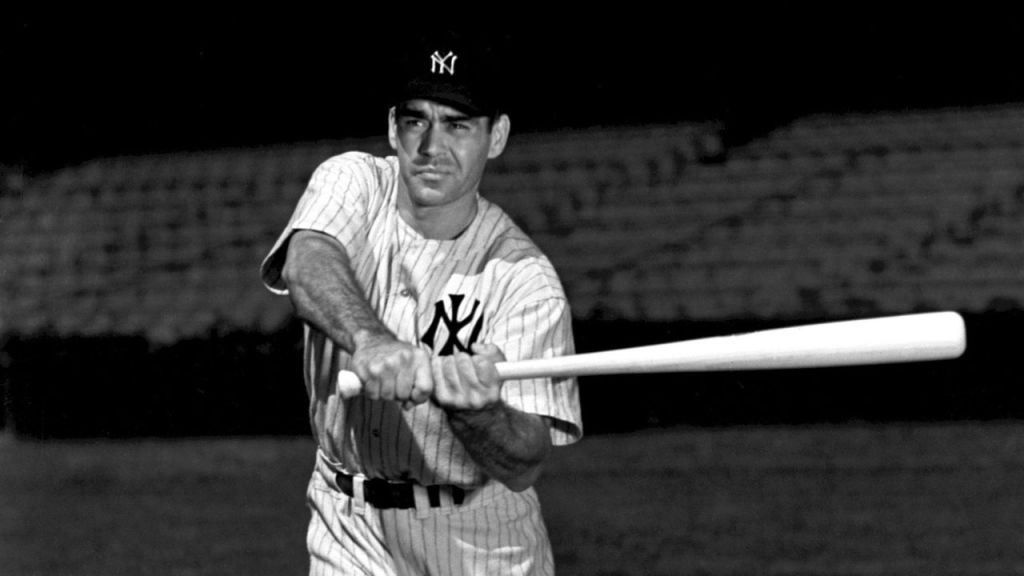
Charlie Keller, one of the most underrated sluggers of his era, built an impressive Major League Baseball career defined by his exceptional power, disciplined approach at the plate, and ability to perform in crucial moments. Playing primarily for the New York Yankees from the late 1930s through the early 1950s, Keller was a key component of multiple championship teams, contributing both offensively and defensively in an era dominated by some of baseball’s biggest stars. Though injuries curtailed what could have been an even greater career, Keller’s impact on the game was undeniable. His combination of on-base skills, power, and defensive ability made him one of the premier outfielders of his time. Over his career, he amassed impressive statistical achievements, played a critical role in the Yankees’ dynasty, and left a lasting legacy that, while sometimes overshadowed by more famous teammates, deserves recognition among the game’s greats.
Born on September 12, 1916, in Middletown, Maryland, Charles Ernest Keller grew up with a deep love for baseball. From an early age, it was evident that he possessed an extraordinary natural talent for the game. His athletic ability was evident in multiple sports, but it was baseball that captured his passion. As a young player, Keller demonstrated a keen eye at the plate and a natural ability to hit for both power and average. His strong, compact build and disciplined approach made him a difficult batter for pitchers to handle even in his youth.
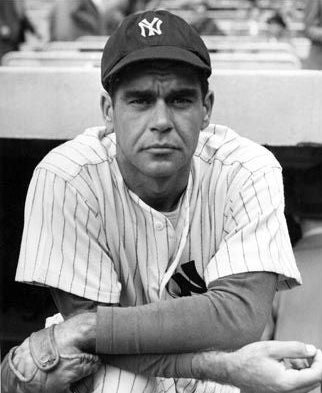
Keller’s talent led him to the University of Maryland, where he quickly established himself as one of the premier collegiate players in the country. During his time in college, he developed a reputation for his exceptional batting eye, ability to drive the ball with authority, and impressive defensive play in the outfield. His performances caught the attention of professional scouts, and in 1937, he signed with the New York Yankees, a franchise known for developing and acquiring some of the greatest hitters in baseball history. The Yankees, already in the midst of a dynasty led by legends such as Lou Gehrig and Joe DiMaggio, saw in Keller a player who could contribute significantly to their continued success.
Keller’s rise through the Yankees’ minor league system was meteoric. In 1937, he played for the Newark Bears, the Yankees’ top minor league affiliate, and put up staggering numbers. He batted .353 with 14 home runs and 69 RBIs in just 98 games, demonstrating that he was more than ready for the major leagues. However, the Yankees, stacked with talent, opted to keep him in the minors for another season, where he continued to dominate. In 1938, Keller hit .365 with 22 home runs and 129 RBIs for Newark, cementing his status as one of the best young hitters in baseball. His remarkable performance at the minor league level earned him a late-season call-up to the Yankees, where he made an immediate impression.
Keller made his full-time major league debut in 1939, a year that would prove to be one of the most significant in Yankees history. That season, the team was looking to transition from the Lou Gehrig era, as the legendary first baseman was forced to step away from the game due to his battle with amyotrophic lateral sclerosis (ALS). With Gehrig no longer in the lineup, the Yankees needed a new generation of stars to step up, and Keller proved to be more than capable of rising to the occasion.
In his rookie season, Keller played in 111 games and posted an impressive .334 batting average with 11 home runs, 83 RBIs, and a .447 on-base percentage. His ability to get on base and drive in runs made him an invaluable asset to the Yankees’ offense, and his presence helped the team secure the American League pennant. Keller’s performance in the World Series that year further cemented his status as a rising star. Facing the Cincinnati Reds, he hit two home runs in the series, including a clutch blast in Game 3 that helped propel the Yankees to a sweep and another championship. His performance on the biggest stage proved that he was not only a great hitter but also a player who thrived under pressure.

The 1940 season saw Keller establish himself as one of the most feared hitters in the American League. He increased his home run total to 21 while maintaining an on-base percentage above .400, a rare feat for a player so early in his career. His ability to combine power with plate discipline made him one of the most valuable hitters in the Yankees’ lineup. However, the team failed to repeat as champions that year, finishing third in the standings. Still, Keller’s individual success was a sign of even greater things to come.
The next two seasons, 1941 and 1942, were among the finest of Keller’s career. In 1941, he hit .298 with 33 home runs and 122 RBIs, establishing himself as one of the league’s premier sluggers. His power surge helped the Yankees return to the World Series, where they faced the Brooklyn Dodgers. Keller was instrumental in the Yankees’ victory, belting two home runs in the series and driving in key runs. His ability to perform on the biggest stage once again proved invaluable, and the Yankees secured another championship.
The following year, Keller continued his dominance, hitting .292 with 26 home runs and 108 RBIs. His consistency at the plate, coupled with his excellent defensive play in left field, made him one of the best all-around players in the game. However, with World War II escalating, many baseball players found themselves answering the call to military service. Keller, like many of his contemporaries, was affected by the war, though he was able to continue playing until 1944 before leaving baseball to serve in the United States Merchant Marine.
Keller’s absence from baseball in 1944 and 1945 came at a time when he was still in the prime of his career. Upon his return in 1946, he faced challenges in regaining his peak form. Though he remained an effective hitter, injuries began to take a toll on his body. Despite this, Keller still managed to post solid numbers, hitting .275 with 30 home runs and 101 RBIs in 1946. His ability to produce at a high level after missing two years due to military service was a testament to his talent and determination.
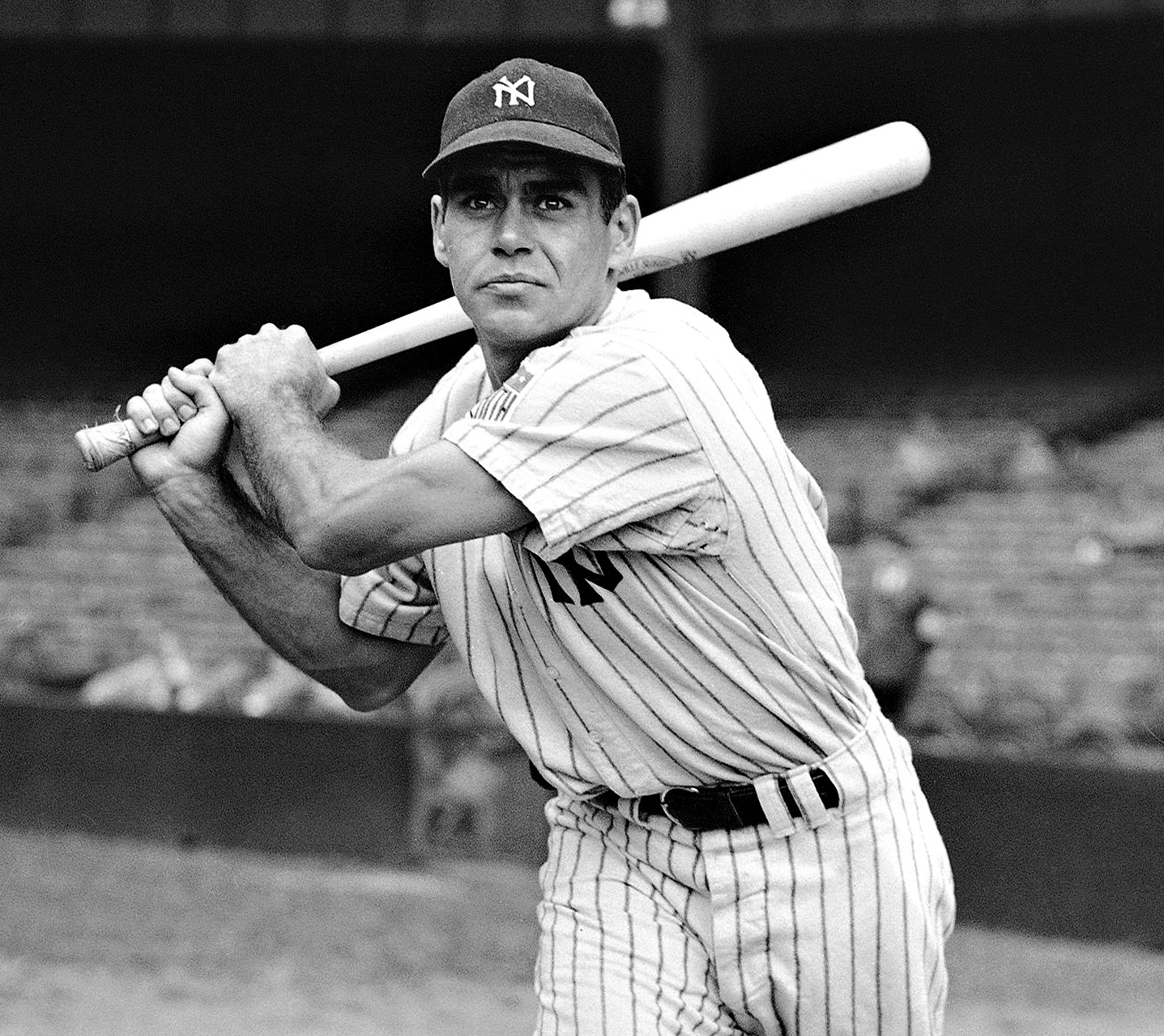
Unfortunately, by the late 1940s, Keller’s body began to break down. Chronic back issues and leg injuries significantly impacted his mobility and power. Though he continued to contribute for the Yankees in a reduced role, he was no longer the dominant force he had been earlier in his career. After spending a brief time with the Detroit Tigers in 1950, Keller retired from baseball in 1952.
Over the course of his career, Keller compiled a .286 batting average with 189 home runs, 760 RBIs, and an impressive .410 on-base percentage. While his raw numbers might not compare to some of the all-time greats, it is important to consider the impact of his military service and injuries on his overall totals. Had he been able to play uninterrupted through the mid-1940s, there is little doubt that he would have reached even greater statistical heights.
Despite not being enshrined in the Baseball Hall of Fame, Keller’s impact on the game remains significant. He was one of the most disciplined hitters of his era, demonstrating a rare combination of power and patience at the plate. His ability to draw walks at an elite rate made him an early example of a player who understood the value of on-base percentage, a concept that would later become a cornerstone of modern baseball analytics.
In addition to his playing career, Keller remained involved in baseball after retirement, working as a coach and helping to develop young hitters. His legacy as one of the Yankees’ most important contributors during their dominant years in the late 1930s and early 1940s remains intact, even if his name is not as widely recognized as some of his more famous teammates.
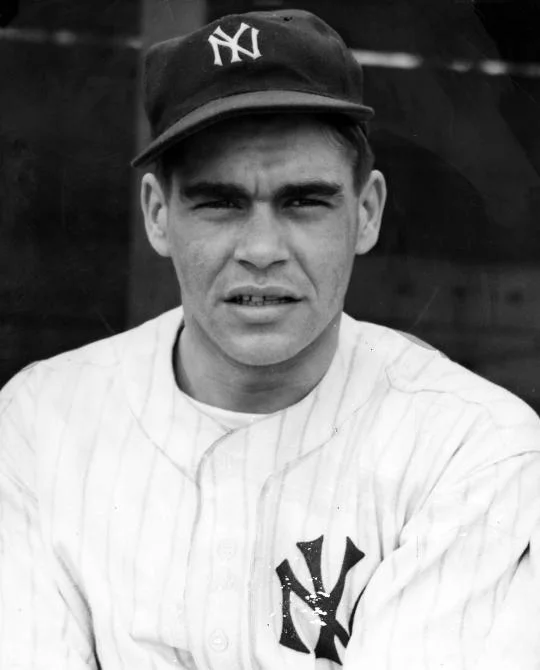
Charlie Keller’s career is a story of brilliance, perseverance, and unfulfilled potential due to circumstances beyond his control. Despite missing time due to war and struggling with injuries, he still managed to leave an undeniable mark on the game. His contributions to multiple championship teams, his extraordinary plate discipline, and his power-hitting ability make him one of the most underappreciated stars in baseball history.


 The Baseball Scholar
Leave a comment