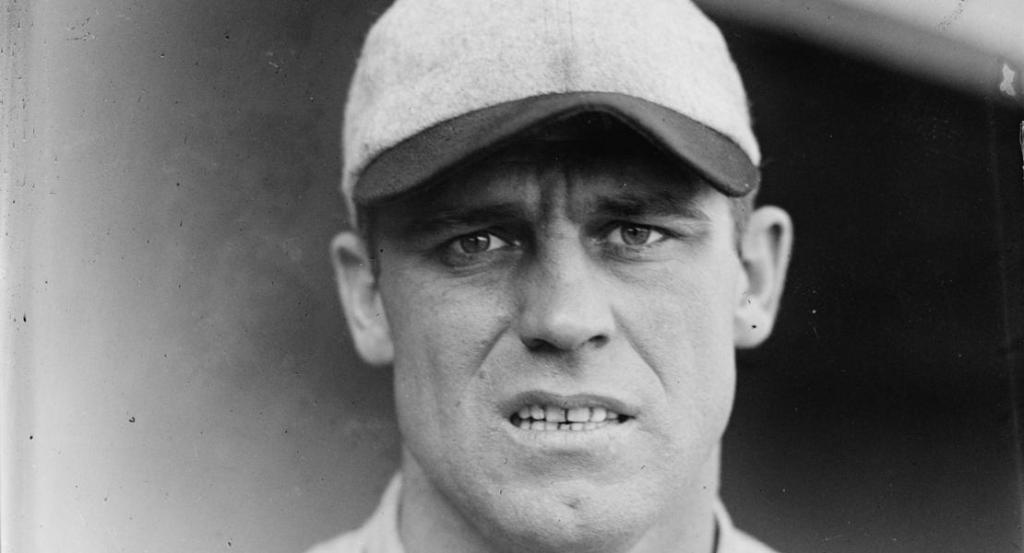
George Sisler, one of the most gifted hitters in Major League Baseball history, carved out a legacy as one of the finest first basemen ever to play the game. Renowned for his exceptional batting ability, speed, and defensive prowess, Sisler was one of the early stars of professional baseball. He became a household name during the 1910s and 1920s, setting records that would stand for decades and leaving an indelible mark on the game. His career, which spanned from 1915 to 1930, was defined by his unwavering commitment to excellence, his incredible offensive production, and his ability to overcome adversity. With a career batting average of .340, over 2,800 hits, and multiple batting titles, Sisler cemented his place among baseball’s greats. His influence on the sport extended beyond his playing days, as he remained an important figure in the game through coaching and mentoring future generations of players.
Born on March 24, 1893, in Manchester, Ohio, George Harold Sisler grew up in a time when baseball was solidifying its place as America’s national pastime. He showed an early aptitude for the sport, excelling at both pitching and hitting during his youth. His talent was evident from a young age, and by the time he reached high school, it was clear that he was destined for greater things in the world of baseball. Sisler’s love for the game was nurtured by his family, and his dedication to improving his skills set him apart from his peers.

After completing high school, Sisler enrolled at the University of Michigan, where he played baseball under the legendary coach Branch Rickey. Rickey, who would later become one of the most influential figures in baseball history for his role in integrating the sport, played a crucial role in Sisler’s development as a player. Initially a pitcher, Sisler displayed remarkable ability on the mound, but it was his prowess as a hitter that truly set him apart. Rickey recognized Sisler’s offensive potential and encouraged him to focus on his batting skills, a decision that would ultimately shape his career. During his time at Michigan, Sisler became one of the most dominant college players in the country, attracting the attention of major league scouts.
In 1915, Sisler made his Major League debut with the St. Louis Browns, a franchise that had struggled to find consistent success in the American League. His arrival immediately provided the team with a much-needed spark, as he showcased his extraordinary ability to hit for both average and power. Despite his initial role as a two-way player, splitting time between pitching and first base, it became increasingly evident that his future lay in hitting. During his rookie season, he posted a .285 batting average, demonstrating his potential as an offensive force. Over the next few seasons, Sisler would develop into one of the most feared hitters in baseball.
By 1917, Sisler had firmly established himself as the Browns’ everyday first baseman, and his offensive numbers began to soar. He batted .353 that season while also stealing 37 bases, proving that he was more than just a contact hitter. His combination of speed and power made him a rare talent, and his ability to hit to all fields made him incredibly difficult for pitchers to contain. Sisler’s performance in 1917 was just a preview of what was to come, as he would continue to elevate his game in the years that followed.
The 1920 season stands as one of the greatest individual campaigns in baseball history. That year, Sisler batted an astounding .407, collecting 257 hits—a single-season record that would stand for 84 years until it was finally broken by Ichiro Suzuki in 2004. His dominance at the plate was unmatched, as he also scored 137 runs, hit 19 triples, and stole 42 bases. His ability to make contact with the ball was unparalleled, and he was one of the toughest outs in the league. Sisler’s .407 batting average was a testament to his incredible hand-eye coordination and disciplined approach at the plate. His ability to maintain such a high level of performance throughout an entire season solidified his place as one of the era’s premier hitters.

Following his historic 1920 season, Sisler continued to be a dominant force in the American League. In 1922, he put together another legendary campaign, batting .420 with 246 hits and 51 stolen bases. His .420 average remains one of the highest single-season marks in baseball history, and his performance earned him the American League Most Valuable Player Award. During this period, Sisler was widely regarded as one of the best players in baseball, rivaling legends like Babe Ruth and Ty Cobb. His ability to hit for average, steal bases, and play stellar defense made him one of the most well-rounded players of his generation.
Sisler’s career, however, took an unexpected turn following the 1922 season. A severe sinus infection led to complications with his vision, causing him to miss the entire 1923 season. The illness significantly impacted his eyesight, and there were serious concerns about whether he would be able to return to the game at the same level. When he made his comeback in 1924, it was clear that his vision problems had affected his hitting. Although he still managed to be a productive player, batting .305 with 206 hits, he was no longer the unstoppable force he had been before the illness. The decline in his performance was frustrating for Sisler, but his perseverance and determination to continue playing spoke volumes about his character.
Despite the setback, Sisler remained a valuable player throughout the latter part of his career. He continued to hit above .300 for several more seasons, demonstrating his natural talent and adaptability. In 1927, he joined the Washington Senators before finishing his career with the Boston Braves from 1928 to 1930. Even as his skills began to decline, Sisler remained one of the most respected figures in the game, known for his professionalism and leadership.
By the time Sisler retired in 1930, he had accumulated 2,812 career hits, a .340 batting average, 102 home runs, and 375 stolen bases. His career totals placed him among the all-time greats, and his influence on the game extended beyond his statistical achievements. He was a pioneer in the art of hitting, setting standards that future generations of players would strive to emulate. His emphasis on contact hitting, plate discipline, and base running made him a model for aspiring players.
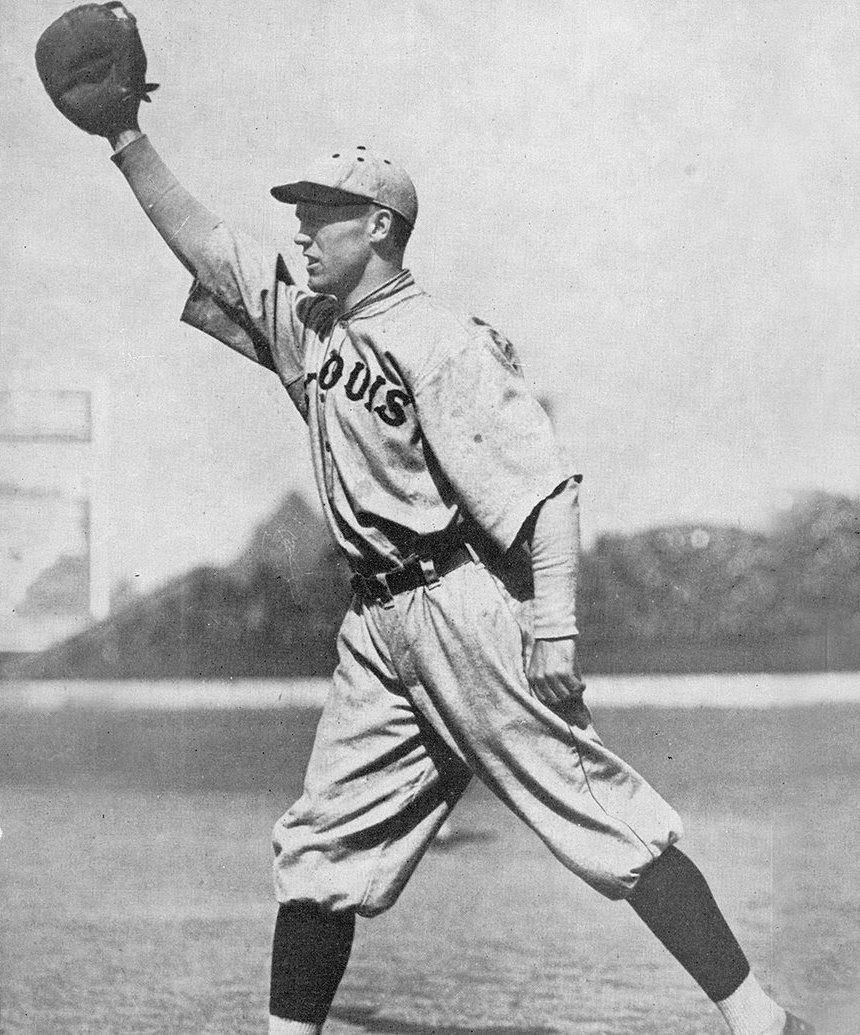
Following his playing career, Sisler remained involved in baseball, working as a scout and coach for several teams. His expertise and knowledge of the game made him a valuable asset in developing young talent, and he continued to contribute to the sport in various capacities. In 1939, he was inducted into the Baseball Hall of Fame as part of its fourth class, a fitting recognition of his extraordinary career.
George Sisler’s legacy in baseball is one of brilliance, perseverance, and unmatched hitting ability. He was a player ahead of his time, blending speed, power, and defensive excellence in a way that few others could. His records and achievements continue to be celebrated, and his impact on the game remains significant. Though he played in an era overshadowed by sluggers like Babe Ruth, Sisler’s contributions to baseball are undeniable. His remarkable 1920 and 1922 seasons remain among the greatest in history, and his dedication to the sport ensured that his influence would be felt long after his playing days ended.


 The Baseball Scholar
Leave a comment