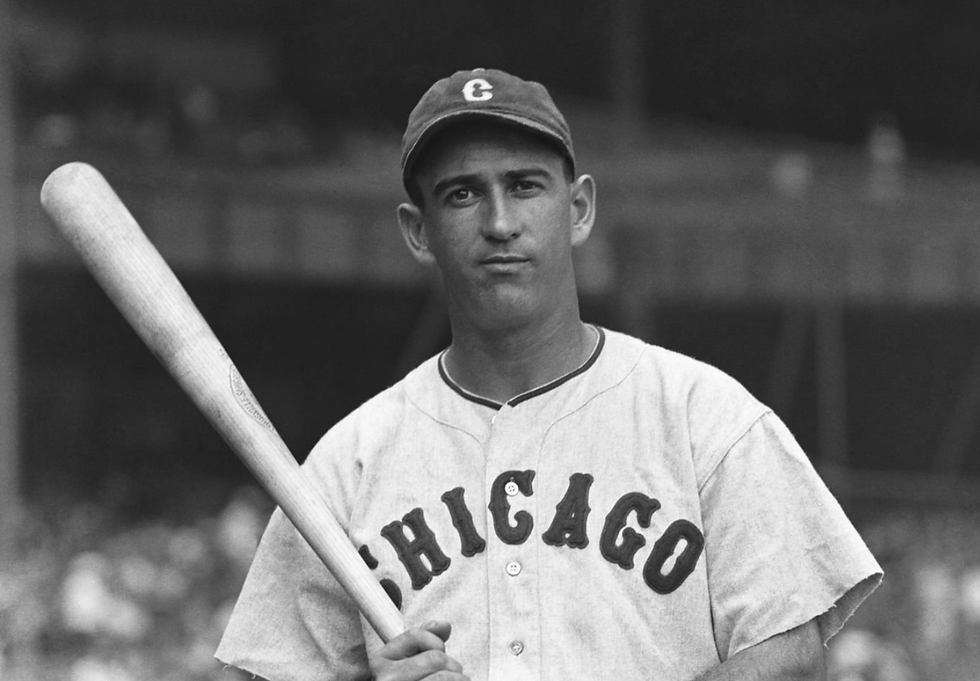
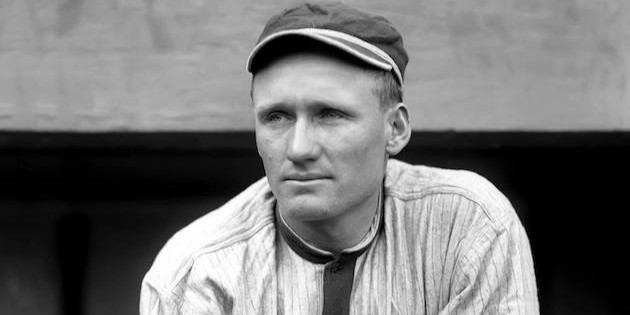
Luke Appling was one of the greatest shortstops in Major League Baseball history, known for his exceptional ability to make contact, his keen batting eye, and his longevity in the sport. Spending his entire 20-year career with the Chicago White Sox, Appling became a beloved figure in baseball, revered for his consistency, defensive prowess, and ability to hit for a high average. He was a two-time American League batting champion and a seven-time All-Star, earning a place in the Baseball Hall of Fame in 1964. Appling’s career was defined by his ability to put the ball in play, avoid strikeouts, and play stellar defense at shortstop, making him one of the most well-rounded players of his generation. His impact on baseball extends beyond his playing days, as he remained involved in the game as a coach and mentor to younger players.
Lucius Benjamin “Luke” Appling was born on April 2, 1907, in High Point, North Carolina. Growing up in the early 20th century, Appling developed a love for baseball at a young age. His natural athletic ability allowed him to excel in multiple sports, but it was baseball that truly captured his interest. He attended Oglethorpe University in Georgia, where he continued to develop his skills as a ballplayer. Though not initially regarded as a top prospect, Appling’s talent for making contact and his strong defensive play at shortstop soon drew the attention of professional scouts.
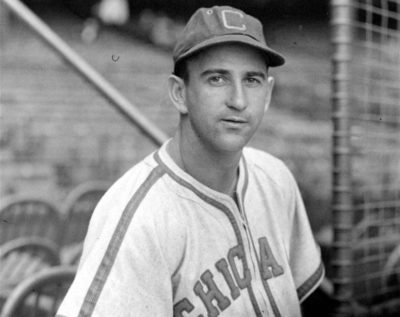
In 1930, Appling signed with the Chicago White Sox and made his Major League debut later that season. His early years in the big leagues were filled with challenges as he adjusted to the speed and skill of major league pitching. In his first full season in 1931, he batted just .232, struggling to find consistency at the plate. However, Appling was determined to improve, and by 1933, he had established himself as a regular in the White Sox lineup, hitting .322 that year. This marked the beginning of his rise as one of the best contact hitters in the game.
Throughout the 1930s, Appling continued to refine his approach at the plate. He was known for his ability to foul off pitches, frustrating opposing pitchers by extending at-bats until he found a pitch he could handle. This skill not only helped him reach base consistently but also made him one of the toughest outs in baseball. In 1936, Appling won his first American League batting title, hitting .388, the highest average of his career and one of the best marks ever recorded by a shortstop. That season, he also posted a .474 on-base percentage, demonstrating his ability to get on base at an elite level.
Defensively, Appling was a steady presence at shortstop. While he may not have had the range of some of the most celebrated defensive shortstops, he made up for it with his intelligence, positioning, and sure hands. He was a reliable fielder who rarely made mistakes, helping solidify the White Sox’s infield for two decades. His leadership on the field made him one of the most respected players of his era, and he was known for his ability to mentor younger teammates.
Appling’s consistency at the plate made him one of the premier hitters of the 1930s and 1940s. He routinely batted over .300 and was known for his ability to drive the ball to all fields. He rarely struck out, a testament to his elite hand-eye coordination and disciplined approach to hitting. Even as he aged, Appling remained a productive hitter, winning his second batting title in 1943 at the age of 36 with a .328 average. His ability to maintain such a high level of performance well into his 30s was remarkable, especially considering the physical demands of playing shortstop every day.

During World War II, Appling, like many other professional players, served in the military, missing the entire 1944 season and part of the 1945 season. Despite the time away from the game, he returned to baseball without missing a beat, continuing to be one of the most effective hitters in the league. His ability to maintain his skill level after a prolonged absence was a testament to his natural talent and dedication to the game.
One of Appling’s most impressive statistical achievements was his career on-base percentage of .399. This mark is one of the highest ever recorded by a shortstop and underscores his exceptional ability to get on base. He finished his career with a lifetime batting average of .310, accumulating 2,749 hits, 1,319 runs scored, and 1,116 RBIs. His offensive contributions were crucial to the White Sox, as he was consistently one of the team’s best players despite never playing for a championship-contending club.
Appling was often described as a player who could have put up even greater power numbers had he focused on hitting home runs. However, he prioritized making contact and getting on base, understanding that his role in the lineup was to set the table for his teammates. While he finished his career with only 45 home runs, his ability to hit doubles and singles with remarkable consistency made him one of the most valuable offensive shortstops in history.
One of the most famous anecdotes about Appling occurred long after his playing career had ended. In 1982, at the age of 75, he participated in an old-timers’ game at RFK Stadium and hit a home run, proving that even decades after his retirement, he still had the ability to handle a bat with precision and power. The moment became a defining symbol of his remarkable longevity and skill as a hitter.
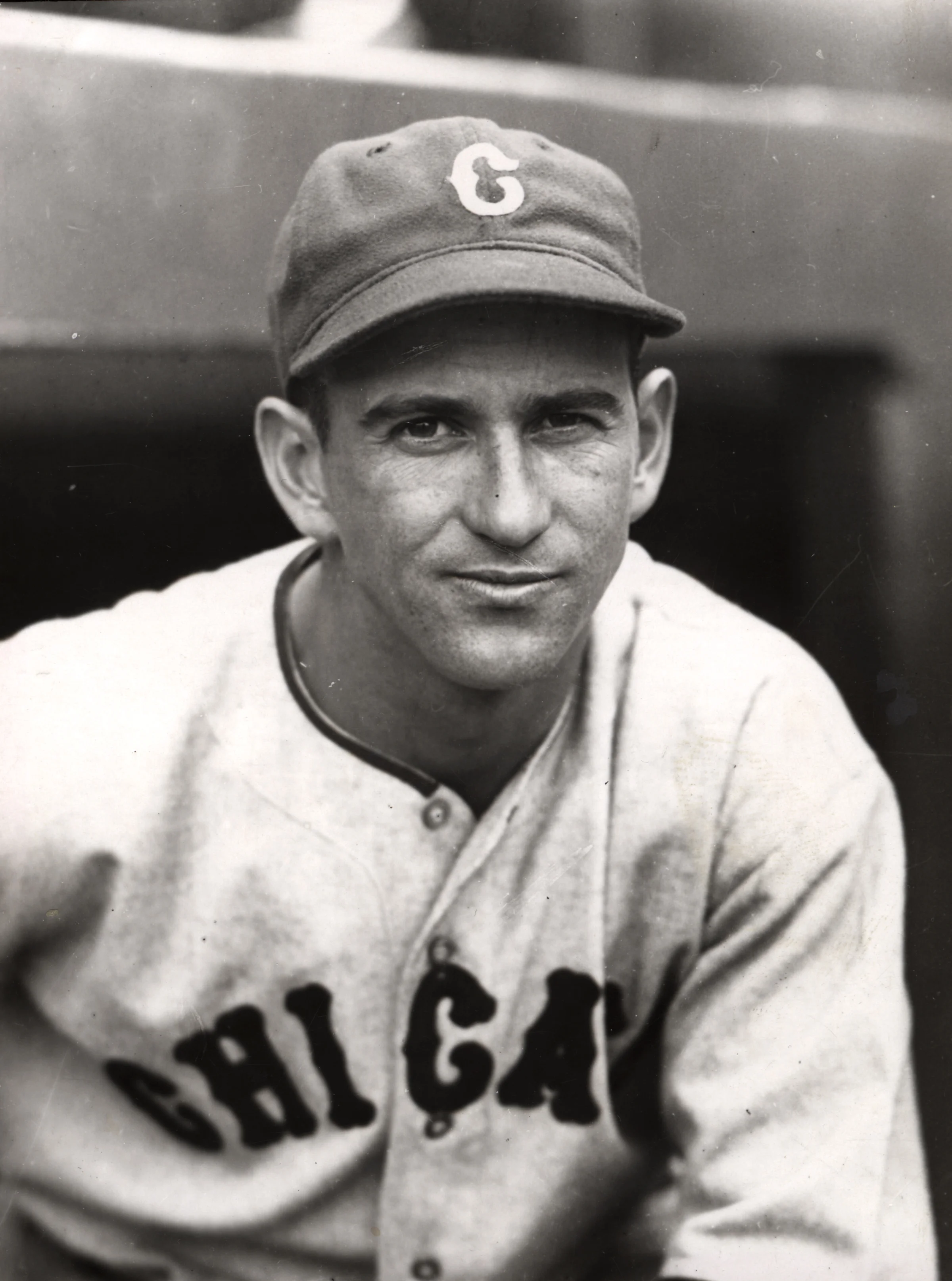
After retiring as a player in 1950, Appling remained involved in baseball as a coach and mentor. He served as a minor league manager and held various coaching positions with several MLB teams, including the Detroit Tigers and Atlanta Braves. His deep understanding of hitting made him a valuable instructor, and he played a role in developing future generations of players. His contributions to the game extended well beyond his playing days, as he continued to share his knowledge and passion for baseball with younger athletes.
In 1964, Appling was inducted into the Baseball Hall of Fame, a well-deserved recognition of his remarkable career. His enshrinement was a testament to his impact on the game, not only as a hitter but as a leader and ambassador for baseball. While he never experienced the thrill of winning a World Series, his influence on the sport was undeniable. He was widely respected by his peers, fans, and those who had the privilege of learning from him.
Appling’s legacy is one of excellence, perseverance, and a dedication to the fundamentals of baseball. His ability to make contact, avoid strikeouts, and play steady defense made him one of the most well-rounded shortstops in history. While he may not have had the same level of fame as some of the power hitters of his era, his contributions to the game were just as significant. He exemplified the value of consistency and intelligence on the field, proving that a player did not need to rely on home runs to be a dominant force in baseball.

Even decades after his retirement, Appling’s name remains synonymous with excellence at the shortstop position. His approach to hitting and his ability to get on base set a standard that many players have sought to emulate. His impact on the game, both as a player and as a mentor, ensures that his legacy will endure for generations to come. Luke Appling was more than just a great baseball player—he was a symbol of the game’s rich history and a testament to the enduring power of skill, discipline, and passion for the sport.



 The Baseball Scholar
Leave a comment