
Tom Glavine was one of the most accomplished and consistent pitchers in Major League Baseball history, carving out a Hall of Fame career that spanned over two decades. Best known for his time with the Atlanta Braves, Glavine was a key figure in one of the most dominant pitching rotations of all time. His mastery of control, ability to change speeds, and strategic approach to pitching allowed him to excel even in an era that saw the rise of power hitters and offensive dominance. Over the course of his career, Glavine won two Cy Young Awards, was named to ten All-Star teams, and helped lead the Braves to a World Series championship in 1995. His impact on baseball extended beyond his statistics, as he was an integral part of the game’s history during the 1990s and early 2000s.
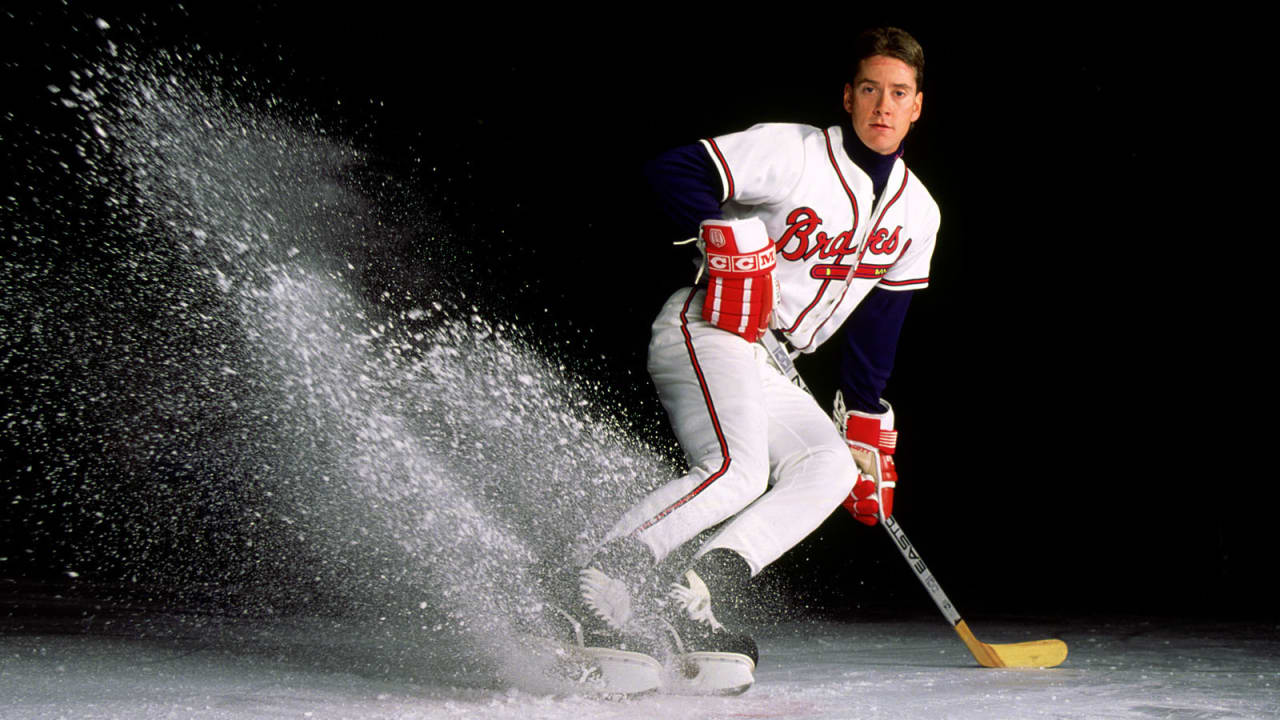
Born on March 25, 1966, in Concord, Massachusetts, Thomas Michael Glavine grew up with a passion for sports. Unlike many future major leaguers who focused solely on baseball, Glavine was a multi-sport athlete, excelling in both baseball and hockey. His talent on the ice was so pronounced that he was selected in the fourth round of the 1984 NHL Draft by the Los Angeles Kings. However, his baseball abilities were even more impressive, and the Atlanta Braves selected him in the second round of the 1984 MLB Draft. Though he had the opportunity to pursue a professional hockey career, Glavine chose baseball, a decision that would ultimately define his legacy.
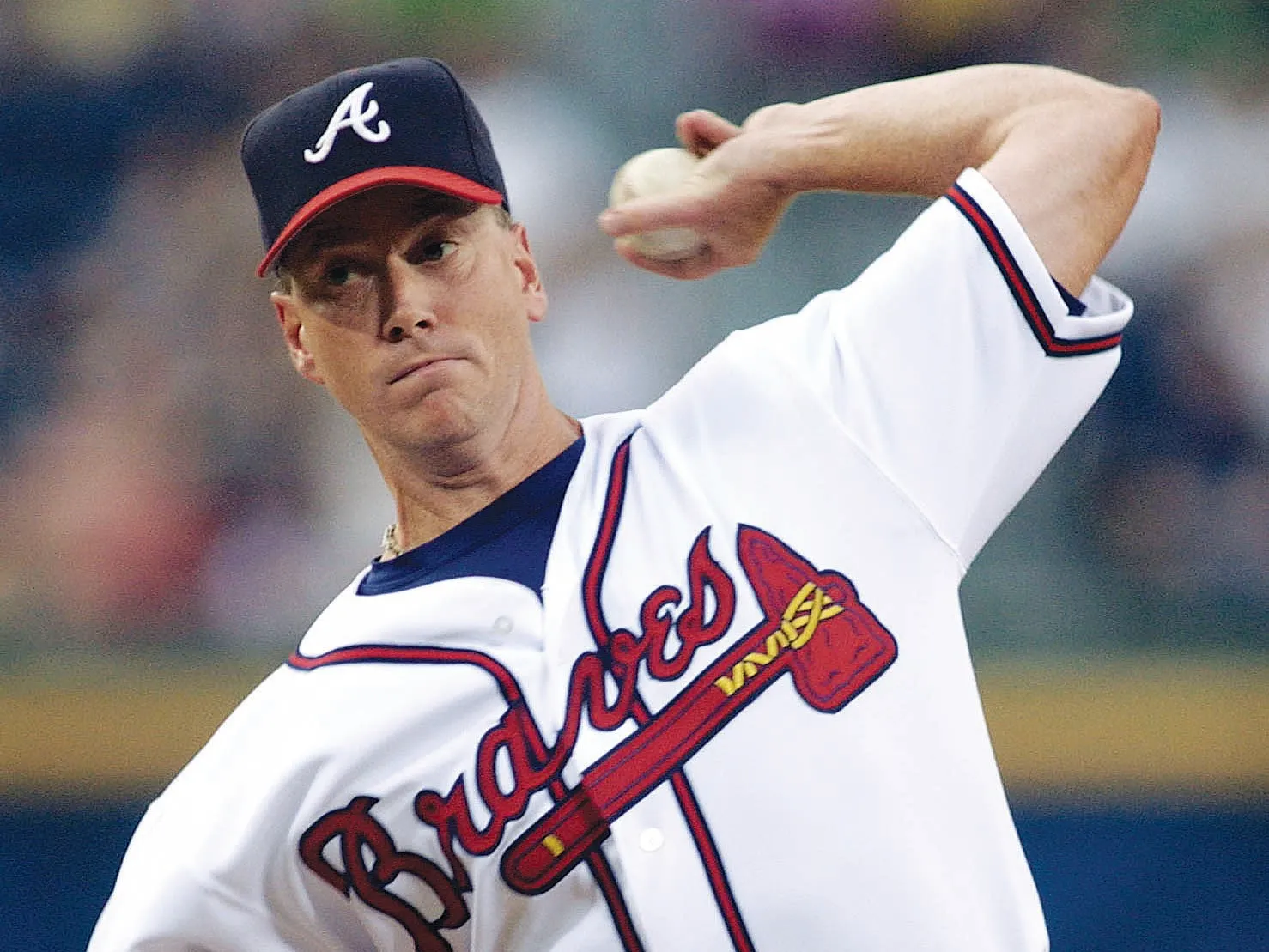
Glavine’s early years in the minor leagues were spent refining his command and developing a deeper understanding of how to pitch at a high level. He made his MLB debut on August 17, 1987, for the Braves, but his first few seasons were marked by struggles as he adjusted to the demands of major league hitters. In 1988, his first full season, he posted a 7-17 record with a 4.56 ERA. However, these early struggles proved to be a valuable learning experience, as he refined his control and learned how to better utilize his changeup—one of the pitches that would later become his signature weapon.
By the early 1990s, Glavine had developed into one of the premier left-handed pitchers in the game. His ability to paint the corners of the strike zone and work hitters into weak contact became hallmarks of his approach. Unlike power pitchers who relied on velocity, Glavine was a finesse pitcher who thrived on deception and location. His fastball sat in the mid-to-upper 80s, but his pinpoint accuracy and exceptional changeup allowed him to neutralize some of the game’s best hitters.
In 1991, Glavine truly broke out as an elite pitcher, winning his first National League Cy Young Award after posting a 20-11 record with a 2.55 ERA. That season also marked the beginning of Atlanta’s emergence as a dominant team. Under the leadership of manager Bobby Cox and the guidance of pitching coach Leo Mazzone, the Braves developed one of the most formidable pitching staffs in baseball history. Alongside fellow aces Greg Maddux and John Smoltz, Glavine helped lead Atlanta to multiple division titles and deep playoff runs.
One of Glavine’s most defining seasons came in 1995, when he played a central role in leading the Braves to a World Series championship. That year, he went 16-7 with a 3.08 ERA and continued his dominance in the postseason. His most iconic moment came in Game 6 of the World Series against the Cleveland Indians. With the Braves one win away from their first championship since moving to Atlanta, Glavine delivered one of the greatest performances in postseason history. He pitched eight shutout innings, allowing just one hit, and led the Braves to a 1-0 victory that secured the title. His performance earned him World Series MVP honors, cementing his legacy as one of the great clutch performers of his era.

Throughout the late 1990s and early 2000s, Glavine remained one of the most consistent pitchers in baseball. His ability to post 15 to 20 wins per season was a testament to his durability and skill. He won his second Cy Young Award in 1998 after finishing the season with a 20-6 record and a 2.47 ERA. His control was legendary, as he routinely ranked among the league leaders in fewest walks per nine innings.
Glavine was also known for his role in negotiations between the players and the league, serving as a key figure in the MLB Players Association. During the 1994-95 strike, he was one of the most vocal player representatives, advocating for the rights of players while also helping to mediate discussions between owners and the union. His leadership off the field further demonstrated his influence in the game.
After spending 16 seasons with the Braves, Glavine made a surprising move in 2003 when he signed as a free agent with the New York Mets. The decision was difficult, as he had become synonymous with the Braves organization, but the Mets offered him a lucrative contract, and he sought a new challenge. His first few seasons in New York were inconsistent as he adjusted to a new team and a different pitching environment. However, by 2006, he had regained his form, posting a 15-7 record and helping the Mets reach the National League Championship Series. Though the Mets fell short of the World Series that year, Glavine played a crucial role in their resurgence as a contender.
One of the most significant milestones of Glavine’s career came on August 5, 2007, when he won his 300th game, becoming just the 23rd pitcher in MLB history to reach that mark. The achievement solidified his place among the all-time greats, as few pitchers in modern baseball have been able to maintain the longevity and consistency required to reach 300 wins.
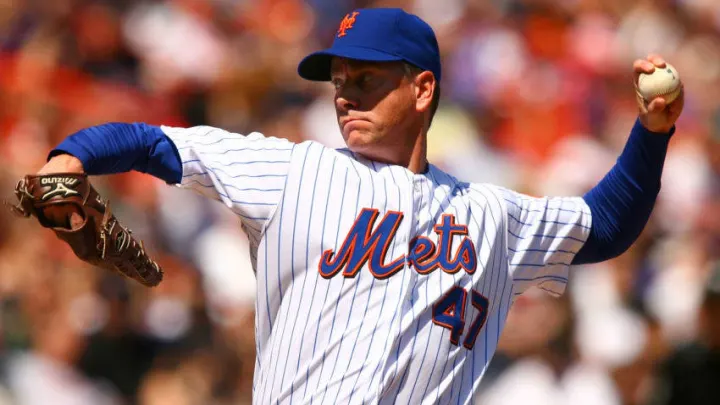
Glavine returned to the Braves in 2008 for what would be his final season in the majors. Injuries limited his effectiveness, and he was released by the team before he could officially retire. Though his career ended quietly, his contributions to the game had already earned him a lasting place in baseball history.
Over the course of his career, Glavine compiled a record of 305-203 with a 3.54 ERA and 2,607 strikeouts. He recorded five 20-win seasons, made ten All-Star teams, and won four Silver Slugger Awards as one of the best-hitting pitchers of his generation. His ability to command the strike zone and consistently perform at a high level over two decades made him one of the most respected pitchers of his time.
Beyond the statistics, Glavine’s impact on baseball can be seen in the way he influenced future generations of pitchers. His approach to pitching—emphasizing control, location, and intelligence over sheer velocity—served as a blueprint for young hurlers looking to succeed without overpowering stuff. He demonstrated that a pitcher could dominate the game through precision and strategy rather than pure physical dominance.
In 2014, Glavine was inducted into the Baseball Hall of Fame in his first year of eligibility, receiving 91.9% of the vote. His induction, alongside Greg Maddux and longtime Braves manager Bobby Cox, was a fitting tribute to the legendary Atlanta teams of the 1990s. The ceremony was a celebration of one of the greatest pitching careers in baseball history, recognizing not only his accomplishments on the field but also his contributions to the game as a leader and ambassador.
Glavine’s legacy remains firmly intact as one of the premier pitchers of his generation. His ability to perform under pressure, his remarkable consistency, and his influence on the art of pitching ensure that his name will always be remembered among the greats. Whether as the ace of the Braves, a World Series hero, or a Hall of Famer, Tom Glavine left an indelible mark on Major League Baseball that will be appreciated for generations to come.



 The Baseball Scholar
Leave a comment