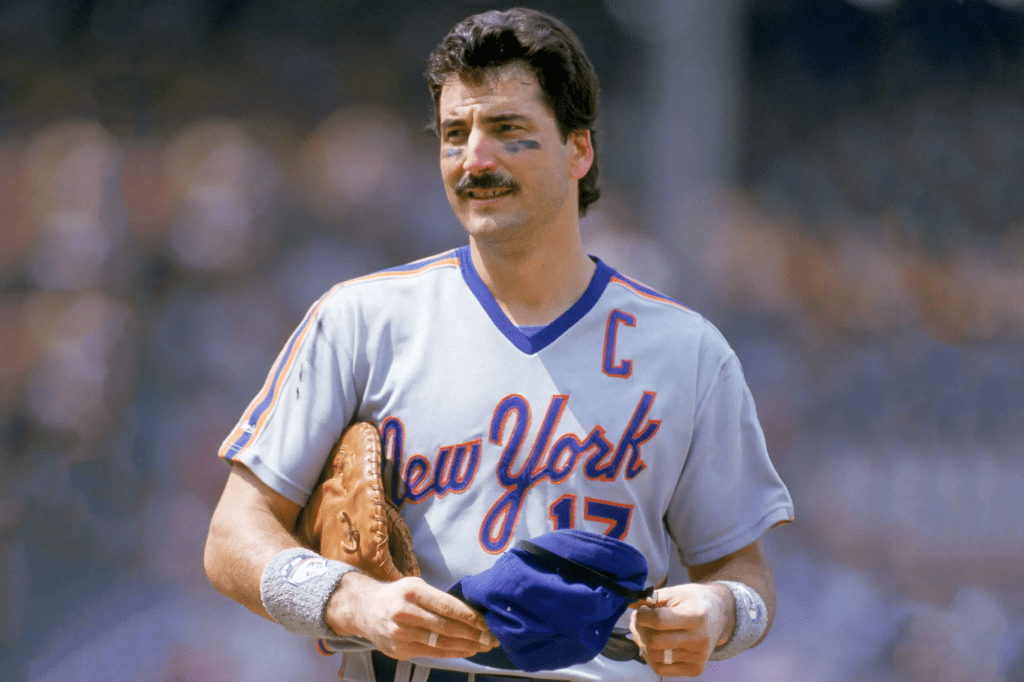
Keith Hernandez was one of the most accomplished and well-rounded first basemen in Major League Baseball history. Renowned for his defensive prowess, consistent hitting, and leadership abilities, Hernandez left an indelible mark on the game. Though he may not have reached the power-hitting milestones of some of his contemporaries, his impact on both offense and defense helped redefine the role of a first baseman. Over a 17-season career, Hernandez became a two-time World Series champion, a five-time All-Star, and an eleven-time Gold Glove Award winner, setting a standard for defensive excellence at first base that remains influential to this day.
Born on October 20, 1953, in San Francisco, California, Keith Hernandez grew up in a baseball-loving family. His father, John Hernandez, was a former minor league player and played an instrumental role in shaping Keith’s career. From a young age, Keith displayed exceptional athleticism and a natural ability for the game. However, his baseball journey was not without challenges. Despite his talent, scouts initially overlooked him due to concerns about his attitude and perceived lack of power. He played high school baseball at Capuchino High School in San Bruno, California, before transferring to Terra Nova High School in Pacifica.
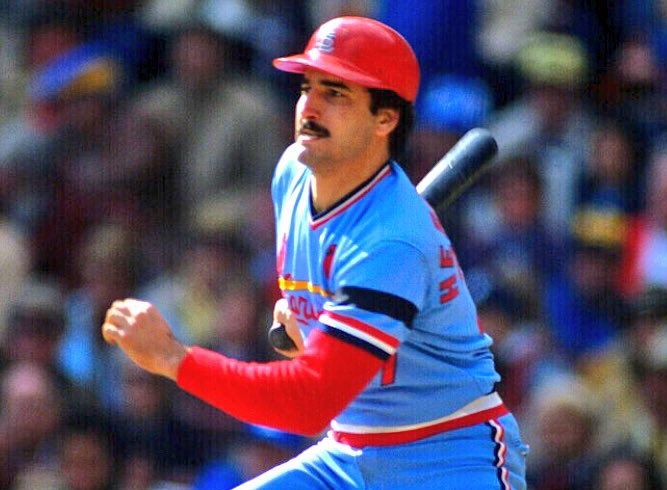
After being drafted in the 42nd round of the 1971 MLB Draft by the St. Louis Cardinals, Hernandez began his journey through the minor leagues. Though his draft position suggested that teams had doubts about his potential, he quickly proved his value. His natural ability to hit for contact and his keen eye at the plate helped him rise through the Cardinals’ system. He consistently demonstrated the ability to get on base, and his fielding skills at first base were exceptional even in the minor leagues. His defensive abilities would later become one of the defining features of his career.
Hernandez made his MLB debut with the Cardinals on August 30, 1974, at the age of 20. He spent parts of the 1974 and 1975 seasons adjusting to major league pitching, but by 1976, he had established himself as a regular in the Cardinals’ lineup. His breakout season came in 1977 when he batted .291 with 15 home runs and 91 RBIs, signaling his arrival as one of the league’s most reliable hitters. However, it was in 1979 that he truly emerged as a star, leading the National League in batting average with a .344 mark and sharing the MVP award with Willie Stargell. That season, Hernandez also recorded 11 home runs, 105 RBIs, and a .417 on-base percentage, demonstrating his well-rounded offensive game.
While Hernandez was an excellent hitter, it was his defense that truly set him apart. First base had traditionally been a position reserved for power hitters, and defensive excellence at the position was often overlooked. Hernandez changed that perception by making first base a defensive weapon. His range, quick reflexes, and ability to scoop errant throws made him a standout defender. He was particularly skilled at charging bunts, cutting off ground balls that would typically reach the outfield, and making accurate throws to other bases. His defensive instincts allowed him to revolutionize how first base was played.
Hernandez won his first Gold Glove in 1978, beginning an incredible streak of eleven consecutive Gold Glove Awards. His defensive reputation continued to grow, and by the early 1980s, he was widely regarded as the best defensive first baseman in the game. Many of his peers and analysts have argued that he is among the best defensive first basemen in MLB history, an argument supported by both statistics and the eye test.
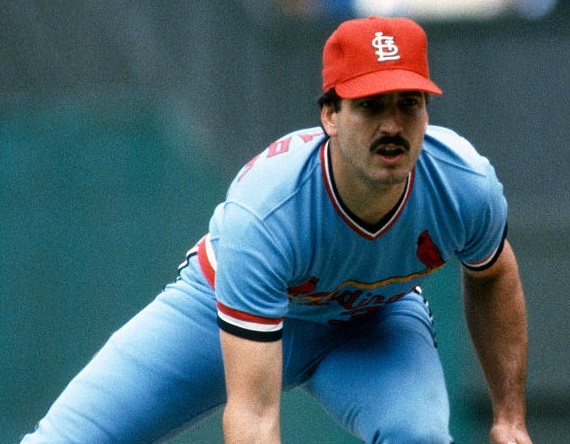
The early 1980s were a successful period for Hernandez with the Cardinals, culminating in a World Series championship in 1982. During the postseason, Hernandez was a key contributor, batting .282 in the playoffs and helping lead the Cardinals to a seven-game victory over the Milwaukee Brewers in the World Series. His leadership and defensive skills were instrumental in the team’s success, and he further solidified his reputation as a winner.
However, despite his success, Hernandez’s tenure in St. Louis came to an abrupt and controversial end in 1983. He had a strained relationship with Cardinals manager Whitey Herzog, who questioned his work ethic and accused him of being a divisive clubhouse presence. Additionally, rumors of Hernandez’s involvement with cocaine use circulated, further straining his relationship with the organization. In June 1983, the Cardinals traded him to the New York Mets for Neil Allen and Rick Ownbey in what would turn out to be one of the most lopsided trades in baseball history.
When Hernandez arrived in New York, the Mets were a struggling franchise with little hope of immediate success. However, his presence helped turn the team around. His veteran leadership, along with his defensive skills and consistent hitting, provided stability to a young and developing team. He quickly became the heart and soul of the Mets, serving as their captain and setting a high standard for performance and professionalism.
During the 1984 season, Hernandez helped the Mets achieve their first winning record in nearly a decade, batting .311 with a .409 on-base percentage. He continued to be a key figure in the team’s rise, and by 1986, the Mets had assembled one of the most dominant teams in baseball history. That season, Hernandez played a crucial role in leading the Mets to 108 wins and an NL East division title.

The 1986 postseason was one of the most memorable in MLB history, and Hernandez was at the center of it. In the National League Championship Series against the Houston Astros, he delivered key hits and provided invaluable leadership. In the World Series against the Boston Red Sox, Hernandez’s contributions were just as important. One of his defining moments came in Game 6, when the Mets staged a miraculous comeback in extra innings to force a Game 7. Hernandez had been one of the few players to remain focused during a tense moment when the Mets were on the brink of elimination, emphasizing the importance of fighting until the last out. His leadership played a significant role in the team’s ability to stay composed and ultimately win the World Series.
Following the 1986 championship, Hernandez continued to be a productive player for the Mets, though injuries and age began to take their toll. He remained with the team through the 1989 season before finishing his career with a brief stint with the Cleveland Indians in 1990. He retired after the season, ending a remarkable career that included 2,182 hits, a .296 career batting average, 162 home runs, and 1,071 RBIs. While he never hit for immense power, his ability to get on base and drive in runs consistently made him a valuable offensive player.
Beyond his playing career, Hernandez remained involved in baseball as a broadcaster and analyst. He became a beloved figure in New York as a commentator for Mets games, providing insightful analysis and humor. His post-playing career only enhanced his legacy, as he continued to influence generations of baseball fans.
Hernandez’s impact on baseball extended beyond his playing statistics. He changed the way first base was viewed, proving that defense at the position was just as valuable as offensive production. His approach to the game influenced future generations of first basemen, who began to focus more on their defensive skills. Additionally, his leadership and winning mentality helped transform the Mets into a championship team, cementing his status as one of the most important players in franchise history.
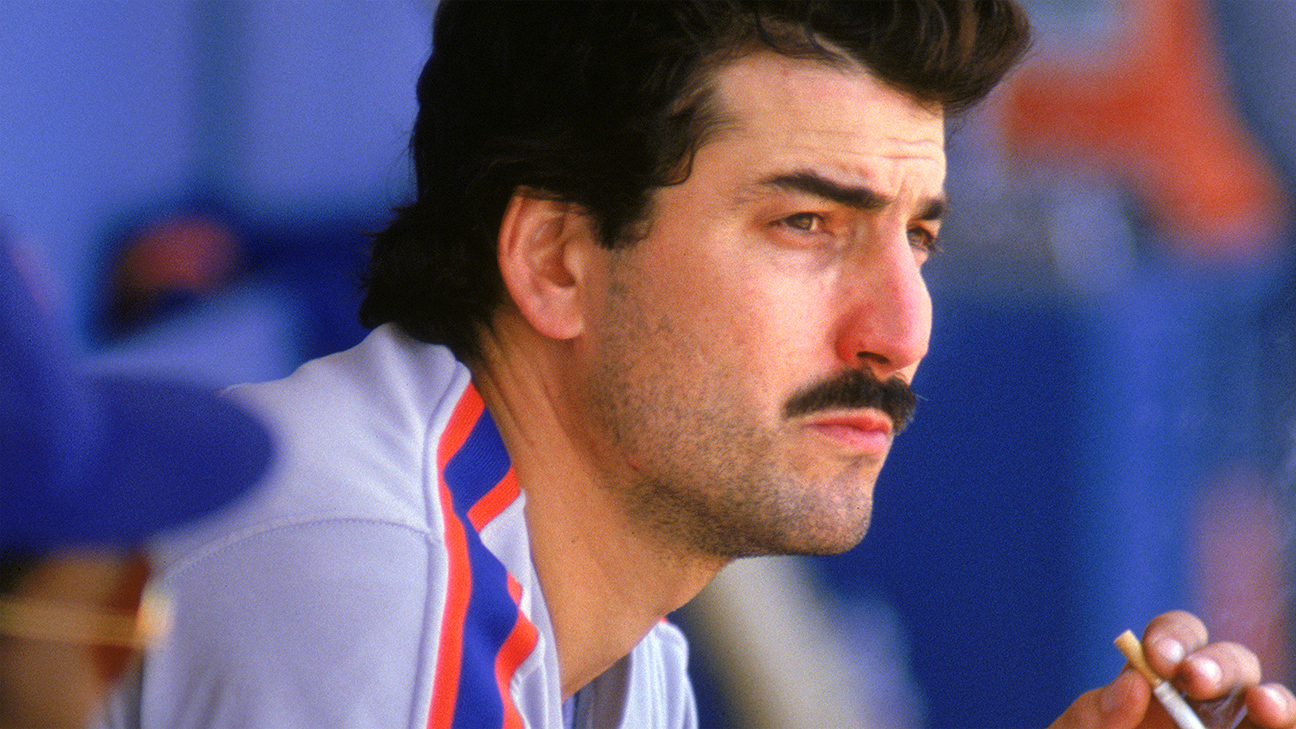
While Hernandez has yet to be inducted into the Baseball Hall of Fame, his contributions to the game remain significant. His defensive excellence, leadership, and offensive consistency made him one of the most well-rounded players of his era. His influence on the Mets and the game as a whole is still felt today, and his legacy as one of the greatest defensive first basemen of all time is secure.



 The Baseball Scholar
Leave a comment