
Bobby Bonds, often overshadowed by the achievements of his son, Barry Bonds, was a dynamic and highly skilled baseball player who left a lasting impact on Major League Baseball (MLB) throughout his career. Known for his extraordinary combination of power and speed, Bonds was one of the most exciting players of his time, and his achievements are still celebrated by baseball enthusiasts. Although his career is sometimes eclipsed by the notoriety of his son’s accomplishments, Bobby Bonds was a true pioneer in his own right, influencing the game and paving the way for future generations of players.
This essay will explore the life and career of Bobby Bonds, focusing on his early life and development, statistical achievements, key moments of dominance, and his lasting impact on the game of baseball. It will also delve into the unique aspects of his career and life that made him a memorable and influential figure in the sport.

Bobby Lee Bonds was born on March 15, 1946, in Riverside, California, to a family with a deep passion for baseball. Growing up in a racially segregated America, Bonds had to overcome numerous challenges, but his love for the game was unwavering. His father, who worked as a groundskeeper, taught him the fundamentals of the sport, and Bobby quickly developed an aptitude for the game. He attended Riverside Polytechnic High School, where he became a standout player on the school’s baseball team.
Bonds’ combination of athleticism, speed, and power made him a natural talent in high school, and it didn’t take long for professional scouts to take notice. His high school performances led him to be drafted by the San Francisco Giants in the first round of the 1964 MLB Draft. Bonds bypassed college and signed with the Giants, making his way through the minor leagues before reaching the big leagues just a few years later. His early years in the minors helped him refine his skills, and by the age of 20, he was ready to make his debut with the Giants.
Bobby Bonds made his MLB debut with the San Francisco Giants on April 8, 1968, at the age of 22. His early years in the majors were marked by rapid development and flashes of brilliance. Bonds’ ability to contribute both offensively and defensively made him an immediate asset to the Giants. He was known for his strong arm in the outfield, his speed on the bases, and his developing power at the plate.
Bonds’ first full season with the Giants came in 1969, when he showcased his potential as both a power hitter and a speedy base runner. He hit 14 home runs and stole 16 bases in 1969, an early indication of the dual-threat abilities he would become known for throughout his career. His talent for getting on base and stealing bases earned him a reputation as one of the most exciting players in the league, and he quickly became a fan favorite in San Francisco. Bonds’ combination of speed and power was becoming more pronounced, and he appeared poised to become one of the next great players of his era.
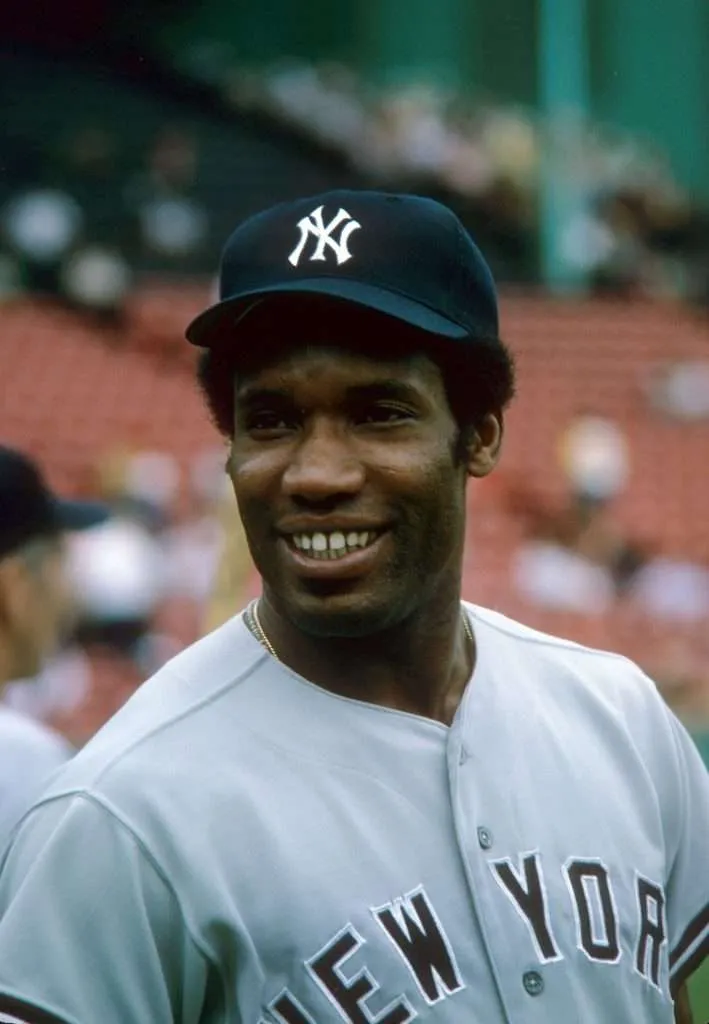
Throughout the early years of his career, Bonds continued to refine his batting and fielding skills, though his development was often overshadowed by the dominance of other players in the league, including the likes of Willie Mays and Hank Aaron. Nevertheless, Bonds was carving out a name for himself, and his future seemed bright.
Bobby Bonds’ career was marked by consistent statistical production across nearly every offensive category. Bonds was a rare talent who could hit for both power and average, and his combination of stolen bases, home runs, and runs scored made him one of the most well-rounded players of his era.
Bonds’ most remarkable statistic is his combination of power and speed. Over the course of his career, he became one of the first players to regularly hit 30 home runs and steal 30 bases in a single season. He finished his career with 332 home runs and 461 stolen bases, becoming one of the first players in MLB history to achieve both of these milestones. Bonds’ 30-30 seasons became a hallmark of his career, and his ability to hit for both power and average set him apart as one of the most dangerous players in the league.
In addition to his 30-30 seasons, Bonds also consistently posted impressive on-base percentages, hitting over .270 in eight different seasons and demonstrating a keen eye for drawing walks. His ability to get on base and set the table for his teammates was a crucial part of his success, and his discipline at the plate contributed to his overall effectiveness as a hitter. Bonds finished his career with a .268 batting average, and his ability to reach base was reflected in his on-base percentage, which sat at .354 for his career.
 f
f
Bonds’ ability to steal bases was another key facet of his game. Throughout his 14-season career, he led the league in stolen bases in 1973 and 1974, and he finished with over 450 stolen bases. His speed on the basepaths, combined with his power at the plate, made him an extremely difficult player for opposing teams to defend. Bonds’ base-stealing skills were a major asset for any team he played for, as he was able to disrupt opposing pitchers and help generate runs for his team.
One of Bonds’ most significant achievements came in 1973, when he finished second in National League Most Valuable Player (MVP) voting. That season, he hit 33 home runs, stole 30 bases, and led the league in runs scored, slugging percentage, and total bases. His ability to dominate both offensively and defensively was recognized by the voters, and Bonds emerged as one of the top players in the league. Though he would not win an MVP award in his career, 1973 was a season that solidified his place as one of the premier players in the National League.
Bonds continued to be a consistent contributor throughout his career, and he remains one of the all-time greats in several statistical categories. At the time of his retirement, he ranked among the top 50 players in MLB history in both home runs and stolen bases. His career totals of 332 home runs, 461 stolen bases, 1,024 RBIs, and 1,239 runs scored demonstrate just how well-rounded and impactful he was as a player.
Bobby Bonds had several key moments during his career that solidified his status as one of the greats of his era. His dominance on both offense and defense made him a constant threat, and he was known for stepping up in critical moments.
One such moment came in 1973 when Bonds became the first player in MLB history to hit 30 home runs and steal 30 bases in the same season. This achievement, which became known as a “30-30 season,” would go on to be a hallmark of Bonds’ career and was later matched by his son, Barry. Bonds’ ability to combine power and speed was rare at the time, and he helped to set the standard for future generations of players who would aim to replicate his success.
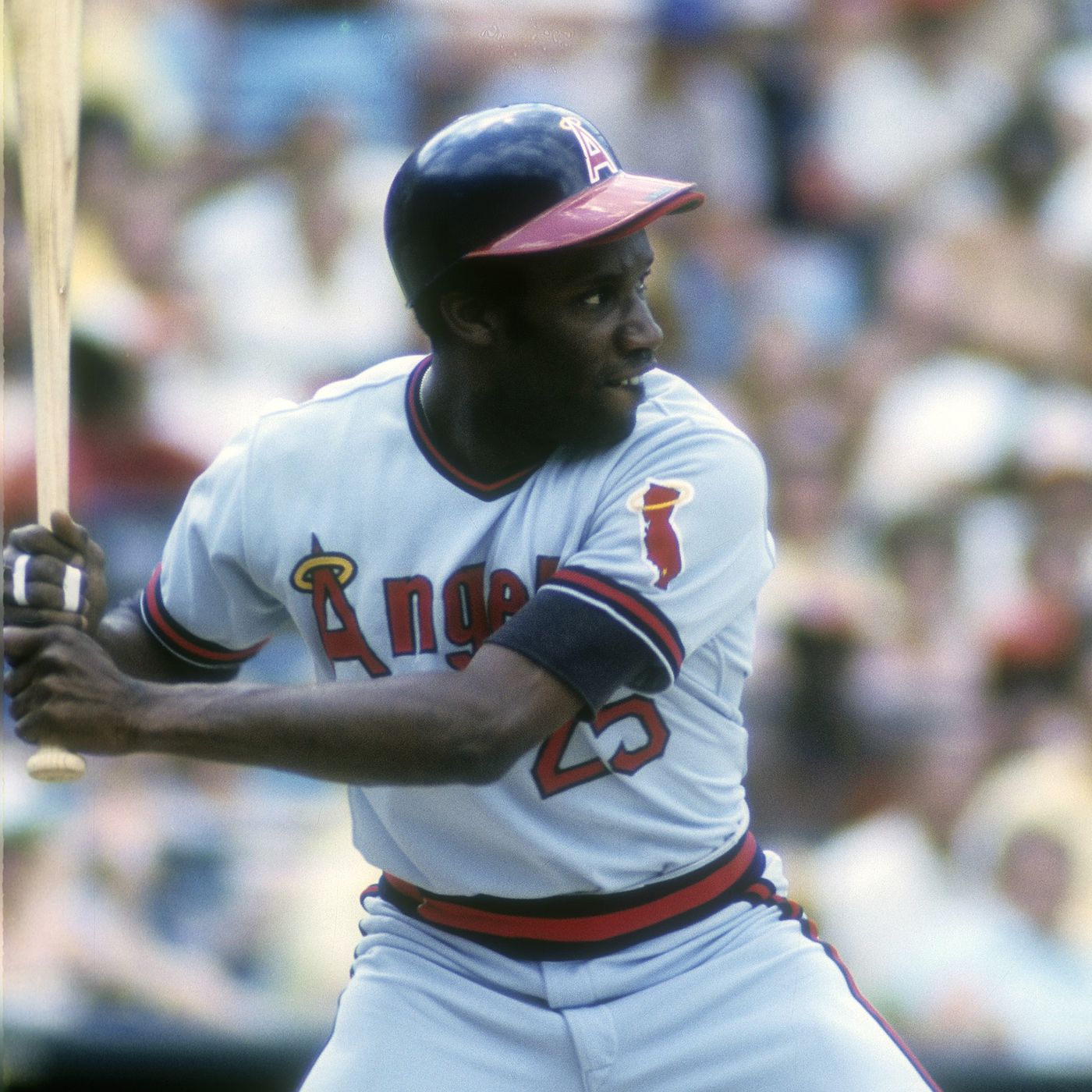
Another key moment in Bonds’ career came in 1977 when he became a part of the trade that sent him from the San Francisco Giants to the New York Yankees. The trade was a pivotal moment in Bonds’ career, as he joined a Yankees team that was on the verge of becoming one of the most successful teams of the decade. Though his time with the Yankees was relatively short, Bonds’ contributions to the team were significant, and he continued to showcase his talent with his new club.
Bonds also played for the Chicago White Sox and the St. Louis Cardinals during the later years of his career, continuing to provide value with his bat and his speed on the basepaths. While injuries began to take a toll on his performance toward the end of his career, Bonds’ earlier dominance ensured that he would be remembered as one of the greatest players of his time.
While Bobby Bonds’ career was marked by numerous statistical achievements and moments of dominance, one of the unique aspects of his legacy is the impact he had on future generations of baseball players, most notably his son, Barry Bonds. Barry, who would go on to break several of the game’s most prestigious records, including the single-season home run record and the career home run record, credited his father as a major influence on his development as a player. Bobby’s combination of power, speed, and baseball knowledge served as a model for Barry, and it is clear that Bobby Bonds’ success in the majors played a significant role in shaping the career of one of the game’s greatest players.

Another unique aspect of Bobby Bonds’ career was his ability to play in a variety of roles and on multiple teams. Bonds spent time as both a leadoff hitter and a middle-of-the-order slugger, showing his versatility and willingness to adapt his game to whatever his team needed. He was also known for his leadership in the clubhouse and his ability to mentor younger players. Bonds’ ability to make an impact on and off the field set him apart as a complete player, and his influence extended beyond his own career.
Bobby Bonds’ impact on baseball can be seen in both his individual accomplishments and his influence on the generations of players who followed him. He helped to redefine the role of the power-speed player and demonstrated that a player could hit for both power and average while still being a major threat on the basepaths. Bonds’ success in combining these skills paved the way for future players, including his son Barry, who would take these principles to new heights.
Bonds also contributed to the development of the “modern” leadoff hitter. Prior to Bonds, leadoff hitters were often expected to simply get on base and set the table for the middle of the order. However, Bonds changed that dynamic by showing that a leadoff hitter could also be a power threat. His ability to lead off an inning with a home run or steal bases at will added a new dimension to the role, and his success helped to alter how teams viewed the leadoff spot in the batting order.
Moreover, Bonds was one of the first players to regularly achieve 30-30 seasons, and his ability to combine power and speed set a precedent for future players who sought to replicate his success. His influence extended far beyond his own career, and he left a lasting legacy in the way baseball is played today.

Bobby Bonds’ career may not have garnered the same level of fame as his son’s, but his contributions to the game of baseball were undeniable. As one of the first players to combine power and speed to such an extent, Bonds revolutionized the game and set the stage for future generations of players. His statistical achievements, key moments of dominance, and influence on the game have solidified his place as one of the greats of his era. His legacy lives on through the players he inspired, and he will always be remembered as one of the most exciting and versatile players to ever step onto a baseball field.




 The Baseball Scholar
Leave a comment