
Paul Molitor’s Major League Baseball career is a testament to consistency, versatility, and perseverance. Born on August 22, 1956, in St. Paul, Minnesota, Molitor displayed exceptional athletic talent from a young age. He excelled in multiple sports during his high school years at Cretin High School, where he gained recognition as a standout baseball and basketball player. His baseball prowess earned him a scholarship to the University of Minnesota, where he further honed his skills and established himself as one of the most promising young players in the country.
Molitor’s professional journey began when he was selected by the Milwaukee Brewers in the first round of the 1977 MLB Draft. His rise through the minor league system was swift, as he showcased an advanced approach at the plate, remarkable speed on the bases, and a high baseball IQ. In 1978, Molitor made his major league debut with the Brewers, quickly establishing himself as an integral part of the team. His rookie season was impressive, as he displayed his trademark versatility by playing multiple positions, including second base and shortstop, while contributing significantly on offense with a .273 batting average and 30 stolen bases. This impressive debut season set the foundation for what would become an illustrious career, marked by resilience and adaptability.

Throughout the early years of his career, Molitor’s offensive prowess continued to grow. He became known for his ability to hit for both average and power, combining his keen eye at the plate with exceptional bat speed. In 1982, he played a crucial role in helping the Brewers reach the World Series, a season in which he batted .302 and led the league in runs scored with 136. His performance in the Fall Classic further cemented his reputation as a clutch performer, highlighted by his five-hit game in Game 1 of the series against the St. Louis Cardinals. The Brewers ultimately fell short, losing the series in seven games, but Molitor’s contributions were widely recognized as instrumental to their deep playoff run.
Molitor’s career, however, was not without its challenges. Injuries plagued him during the mid-1980s, forcing him to miss significant playing time. Despite these setbacks, he remained resilient and continued to refine his game. He dealt with recurring hamstring injuries, which at times threatened to derail his career, but his commitment to conditioning and rehabilitation allowed him to return stronger each time. By the late 1980s, he had transitioned into a designated hitter role, which allowed him to stay on the field more consistently and extend his career. In 1987, Molitor put together one of the most remarkable hitting streaks in MLB history, compiling a 39-game streak that captivated baseball fans and showcased his relentless approach at the plate. This streak remains one of the longest in modern MLB history and a testament to his exceptional focus and consistency.
As his career progressed, Molitor continued to evolve as a hitter. He developed a reputation as one of the most disciplined and intelligent hitters in the game, known for his ability to spray the ball to all fields and his impeccable baserunning instincts. In 1993, he signed with the Toronto Blue Jays as a free agent, seeking an opportunity to compete for a championship. The move proved to be a masterstroke, as he enjoyed one of the most productive seasons of his career, batting .332 with 22 home runs and 111 RBIs. More importantly, he played a pivotal role in leading the Blue Jays to a World Series title, earning MVP honors in the 1993 Fall Classic with a .500 batting average and key contributions throughout the series. His leadership and experience were invaluable assets to the team, as he provided steady production and a calming presence in crucial moments.
After his successful stint with Toronto, Molitor returned to his home state to finish his career with the Minnesota Twins. Despite being in the twilight of his career, he remained an effective offensive force, achieving the milestone of 3,000 career hits in 1996. His achievement made him one of the few players in MLB history to reach this prestigious mark, further solidifying his place among the all-time greats. Molitor’s relentless pursuit of excellence and his ability to adapt his game to overcome age-related challenges underscored his remarkable durability and determination. He retired after the 1998 season, leaving behind a legacy defined by excellence, consistency, and professionalism.
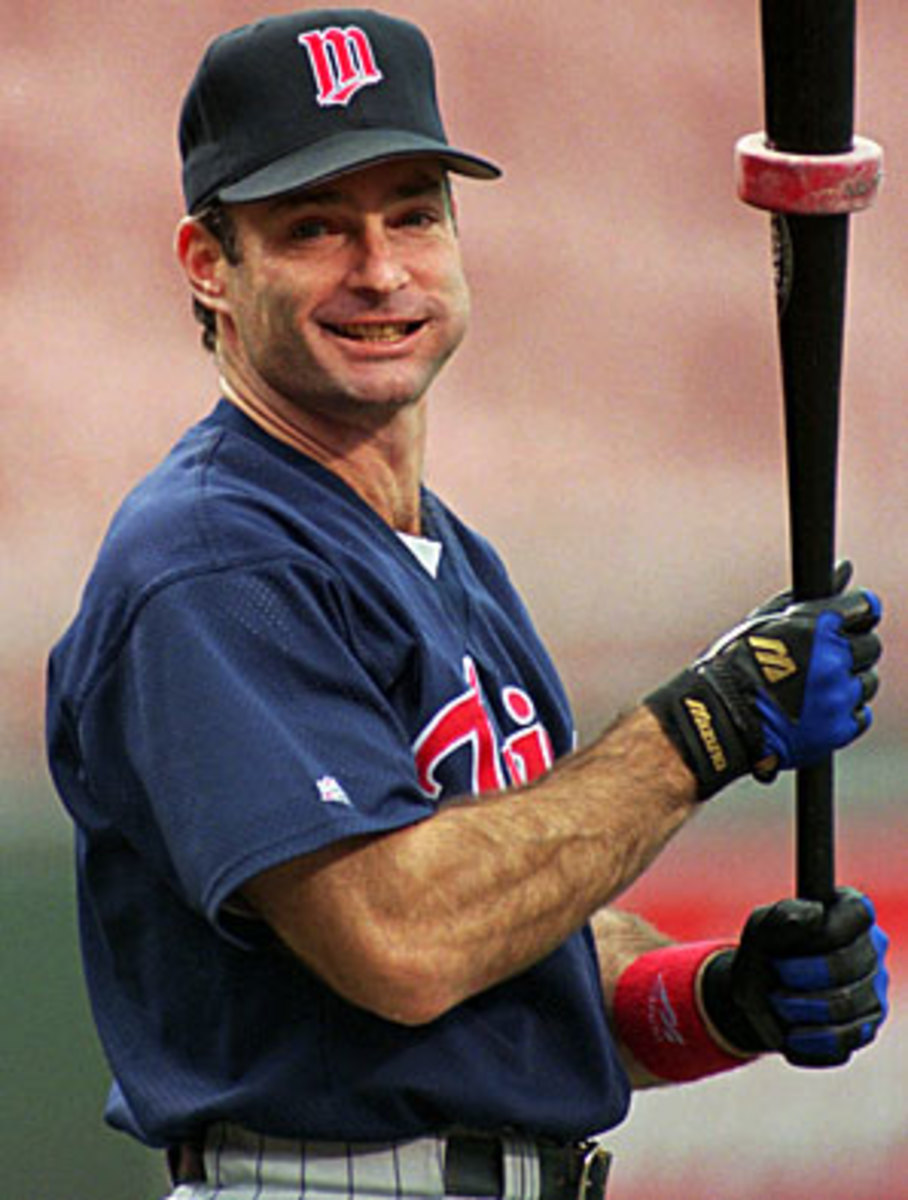
Molitor’s career statistics are a testament to his greatness. He finished with a lifetime batting average of .306, 3,319 hits, 234 home runs, and 1,307 RBIs. He also stole 504 bases, demonstrating his remarkable speed and base-running acumen. His versatility allowed him to play multiple positions throughout his career, including third base, second base, and designated hitter, making him one of the most adaptable players of his era. He was a seven-time All-Star and received four Silver Slugger Awards, recognizing his offensive contributions across different positions. Additionally, Molitor’s ability to perform consistently over two decades in the league highlights his exceptional talent and unwavering commitment to the sport.
Beyond his individual achievements, Molitor’s impact on the game extended to his leadership qualities and his influence on younger players. He was widely respected for his work ethic, dedication, and commitment to the fundamentals of the game. His ability to perform under pressure and his consistent approach made him a role model for aspiring players and earned him the admiration of teammates and opponents alike. Molitor’s approach to preparation, studying pitchers meticulously and constantly looking for ways to improve, set him apart as a student of the game.
Molitor’s post-playing career has been equally distinguished. He transitioned into coaching and front-office roles, bringing his wealth of knowledge and experience to the next generation of players. In 2015, he was named the manager of the Minnesota Twins, leading the team to a playoff berth in 2017 and earning American League Manager of the Year honors for his efforts in guiding a young roster to success. His managerial career further highlighted his deep understanding of the game and his ability to inspire and mentor players. His analytical approach to managing, combined with his emphasis on fundamentals, has left a lasting impact on the Twins organization.
In 2004, Paul Molitor was inducted into the National Baseball Hall of Fame in his first year of eligibility, a fitting recognition of his outstanding career and contributions to the sport. His induction speech reflected his gratitude for the opportunities baseball had provided him and his commitment to giving back to the game that had given him so much.
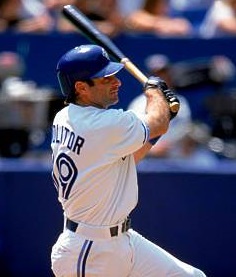
Molitor’s legacy in baseball is multifaceted. He is remembered not only for his impressive statistics and accolades but also for his dedication to the sport and his impact on those around him. His story serves as an inspiration to young athletes, demonstrating the value of perseverance, adaptability, and an unwavering commitment to excellence. Whether as a player, coach, or mentor, Paul Molitor’s influence on baseball continues to be felt, ensuring that his legacy endures for generations to come.


 The Baseball Scholar
Leave a comment